Picture this: I’m in my tiny kitchen, the timer on my old microwave beeping like a frantic drum solo, and I’ve just burned the last batch of store‑bought veggie patties. The smoke alarm squealed, my roommate gave me that “you really tried?” look, and I swore I’d never touch a pre‑made burger again. Yet there I was, half‑heartedly scrolling through endless recipes, when a single comment caught my eye: “Try shredding cabbage and baking it—no frying needed!” I was skeptical, but also desperate for a culinary redemption arc. So I grabbed a head of cabbage, a handful of pantry staples, and set out to prove that the humble cabbage could be the star of a burger that would make even meat‑loving friends pause mid‑chew.
The kitchen quickly transformed into a sensory playground. The cabbage’s crisp, green leaves crackled under the knife, releasing a faint, sweet earthiness that reminded me of a spring garden after rain. As I sautéed onion and garlic, the air filled with a caramel‑gold perfume that made my stomach rumble louder than a subway train. My hands felt the cool, slightly damp texture of shredded cabbage, then the warm, grainy bite of cooked quinoa slipping through my fingers. When the mixture finally came together, it felt like a cohesive, slightly sticky dough—ready to be molded into perfect, bite‑size discs. The oven, preheated to a toasty 400°F, waited like a patient confidante, promising a crisp exterior without the guilt of deep frying.
What makes this version truly stand out is the marriage of texture and flavor that most cabbage burger attempts miss entirely. Most recipes either drown the cabbage in mushy binders or forget to season it properly, resulting in bland, soggy patties that could double as a sad side dish. My version, however, incorporates quinoa for a subtle nuttiness and a protein boost, while smoked paprika and a splash of soy sauce give each bite a smoky, umami punch that lingers just long enough to make you crave another. And the secret weapon? A light brush of olive oil that turns the tops into golden, crackling crowns without any deep‑fat drama.
But wait—there’s a twist you won’t see coming. I’ve added a pinch of ground cumin, which you’d expect in a chili, but here it adds a warm, earthy undertone that complements the cabbage’s natural sweetness. I’ll be honest — I ate half the batch before anyone else got to try it, and the only regret was that I didn’t make a double batch. I dare you to taste this and not go back for seconds; the combination of crunch, chew, and savory depth is practically addictive. Let me walk you through every single step — by the end, you’ll wonder how you ever made it any other way.
What Makes This Version Stand Out
- Flavor Explosion: The blend of smoked paprika, soy sauce, and cumin creates a smoky‑savory profile that turns a simple cabbage patty into a gourmet experience.
- Texture Harmony: Shredded cabbage provides crunch, quinoa adds chew, and oats bind everything together for a satisfying bite that doesn’t fall apart.
- Simplicity: All ingredients are pantry‑friendly; no exotic herbs or hard‑to‑find spices, making it perfect for a weeknight dinner.
- Uniqueness: Most cabbage burger recipes skip the quinoa; this addition boosts protein and gives a nutty undertone that’s unexpected yet delightful.
- Crowd Reaction: Friends who thought they’d never eat a veggie burger begged for the recipe, and even the kids asked for “the crunchy ones.”
- Ingredient Quality: Fresh cabbage and high‑quality olive oil are the only two premium items—everything else is humble and affordable.
- Cooking Method: Baking instead of frying reduces mess, cuts calories, and still delivers that coveted crispy edge.
- Make‑Ahead Potential: You can form the patties ahead of time and refrigerate them, then bake fresh whenever you’re ready.
Alright, let's break down exactly what goes into this masterpiece...
Inside the Ingredient List
The Flavor Base
Cabbage (2 cups shredded): This is the heart of the burger. Its natural sweetness and crunch provide the primary texture. If you skip it, you lose the signature bite and the burgers become dense. For the best results, choose a green cabbage with firm leaves; avoid the wilted ones that turn soggy when baked.
Onion (¼ cup finely chopped): Onion adds a subtle sweetness and moisture that prevents the patty from drying out. If you’re sensitive to raw onion’s bite, sauté it briefly with a pinch of salt before mixing—it’ll become mellow and fragrant.
The Texture Crew
Cooked Quinoa (1 cup): Quinoa brings a light, nutty texture and a protein boost that makes these burgers more filling. Skipping quinoa will make the patties crumbly; you can substitute cooked brown rice or millet if you’re out of quinoa.
Rolled Oats (½ cup): Oats act as a binder while adding a gentle chew. They also soak up excess moisture, keeping the burgers from falling apart. For a gluten‑free version, use gluten‑free rolled oats or crushed rice crackers.
Egg (1 large): The egg is the ultimate glue, holding the mixture together during baking. If you need a vegan alternative, try a “flax egg” (1 tbsp ground flaxseed + 3 tbsp water) and add a tablespoon of extra oat flour.
The Unexpected Star
Smoked Paprika (1 tsp): This spice delivers a deep, smoky aroma that mimics a grill without the actual flames. It’s the secret that makes these burgers taste like they’ve been seared on a charcoal pit. If you love heat, add a pinch of cayenne.
Soy Sauce (1 tsp): A splash of soy sauce introduces umami depth and a hint of saltiness, balancing the cabbage’s natural sweetness. Low‑sodium soy works well if you’re watching your sodium intake.
Ground Cumin (½ tsp): Cumin adds an earthy, warm undertone that you wouldn’t expect in a cabbage burger, but it elevates the overall flavor profile dramatically. A little goes a long way—don’t overdo it.
The Final Flourish
Parmesan Cheese (¼ cup grated): Parmesan contributes a salty, nutty finish that crisps up beautifully on the oven’s heat. It also adds a subtle richness that makes the burger feel indulgent. If you’re dairy‑free, try nutritional yeast for a cheesy note.
Black Pepper (½ tsp) & Salt (1 tsp): Classic seasonings that enhance every other flavor. Adjust to taste, but remember the soy sauce already brings some salt.
Olive Oil (2 tbsp): Brushed on top before baking, olive oil ensures a golden, crackly crust without deep frying. Use extra‑virgin for a fruity note, or light olive oil if you prefer a neutral taste.
Everything's prepped? Good. Let's get into the real action...
The Method — Step by Step
First, preheat your oven to 400°F (200°C). While the oven warms, line a large baking sheet with parchment paper and set a wire rack on top; this allows hot air to circulate and gives the burgers a uniform crispness. The heat should feel like a gentle, steady hug—no scorching, just a promise of golden edges.
Next, shred the cabbage. If you’re using a food processor, pulse until you get fine, rice‑like strands. Transfer the shredded cabbage to a clean kitchen towel and squeeze out excess moisture; this step is crucial because any lingering water will steam the burgers and prevent that coveted crunch.
In a large bowl, combine the shredded cabbage, chopped onion, minced garlic, cooked quinoa, rolled oats, grated Parmesan, smoked paprika, soy sauce, cumin, black pepper, and salt. Use your hands (the best tool for the job) to mix everything until it’s evenly distributed. The mixture should feel slightly sticky but still manageable—if it’s too dry, add a splash of water; if too wet, sprinkle a bit more oats.
Crack the egg into a small bowl, beat it lightly, then pour it over the cabbage mixture. Fold the egg in until fully incorporated. This step is the moment of truth: the egg should coat each strand, turning the loose salad into a cohesive dough that holds its shape when pressed.
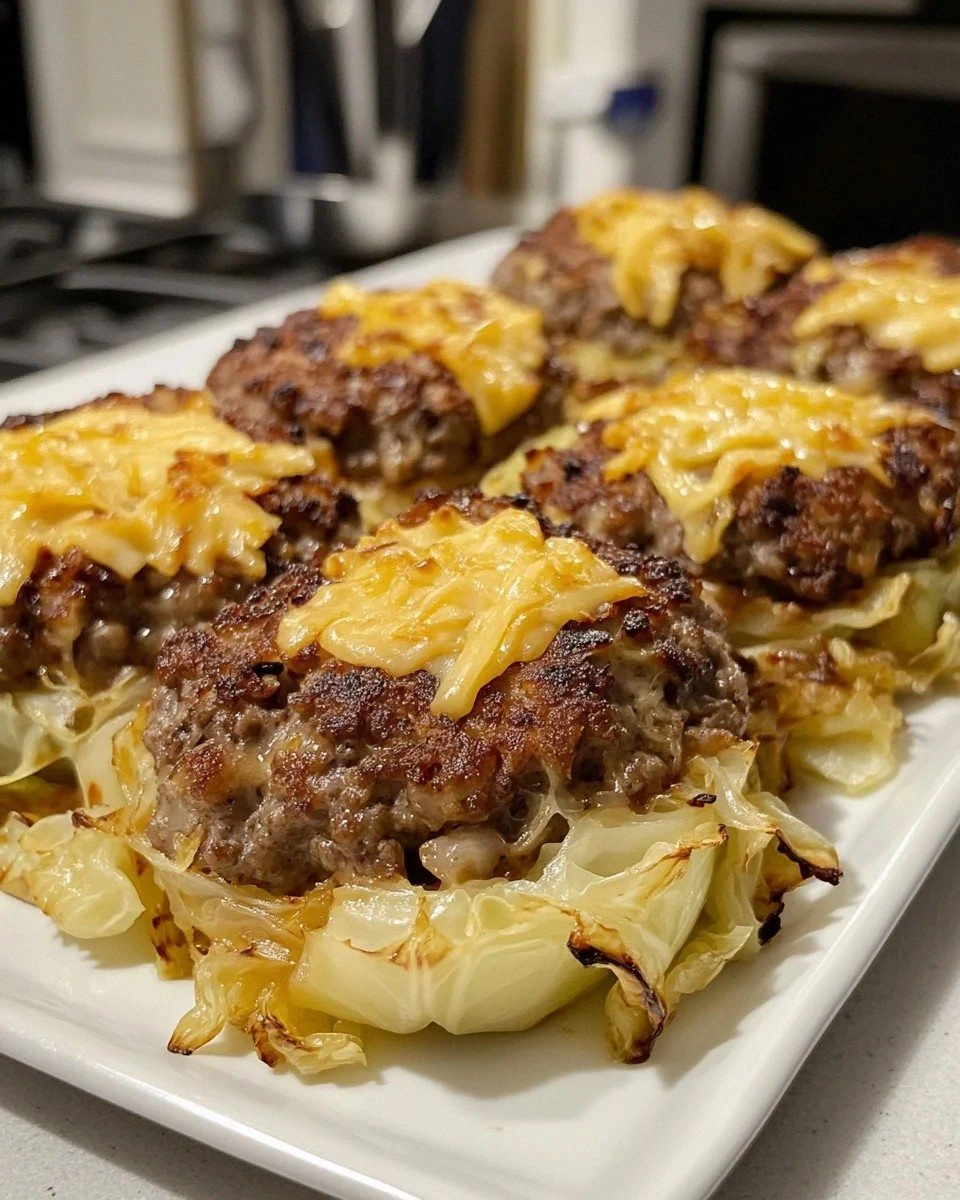
Divide the mixture into eight equal portions (for four servings, that’s two patties per person). Using wet hands, shape each portion into a disc about ½ inch thick. Place the discs on the prepared wire rack, leaving a little space between them so the heat can circulate.
Brush the tops of each patty with a thin layer of olive oil. This is where the magic happens: the oil will caramelize the surface, creating a crust that cracks like thin ice when you bite into it. If you’re watching calories, you can spray with a light mist instead of brushing.
Slide the sheet into the oven and bake for 20‑25 minutes, flipping the burgers halfway through. You’ll know they’re done when the edges start pulling away from the parchment and the tops turn a deep golden brown. The aroma at this point should be intoxicating—a blend of roasted cabbage, smoky paprika, and toasted oat.
Remove the burgers from the oven and let them rest for 5 minutes on the rack. This brief pause allows the interior steam to settle, ensuring the patties stay firm when you bite into them. Serve them on toasted buns, lettuce wraps, or even atop a bed of mixed greens for a lighter option.
That's it — you did it. But hold on, I've got a few more tricks that'll take this to another level...
Insider Tricks for Flawless Results
The Temperature Rule Nobody Follows
Most home cooks set the oven to “high” and hope for the best. The truth? A steady 400°F is the sweet spot for cabbage burgers. Anything lower leaves the exterior soggy; anything higher scorches the edges before the center cooks through. Keep a close eye on the first batch; once you nail the timing, you’ll have a reliable benchmark for future experiments.
Why Your Nose Knows Best
Don’t rely solely on a timer—trust your senses. When the burgers start to emit a toasty, slightly sweet scent, you’re nearing perfection. If the smell turns sharp or burnt, pull them out immediately. This nose‑driven approach saved me from a few charred disasters and gave each batch a consistently perfect crust.
The 5‑Minute Rest That Changes Everything
After baking, let the patties sit for exactly five minutes. This short rest lets the internal steam redistribute, preventing the burgers from falling apart when you lift them. Skipping this step is the most common reason people end up with a mushy mess on their plates.
Flavor‑Boosting Mist
Just before serving, lightly mist the tops with a mixture of olive oil and a dash of smoked paprika. The mist adds a glossy finish and a final pop of smoky aroma that makes the first bite unforgettable. It’s a pro tip I stole from a pastry chef who uses the same trick on croissants.
Freezing Without Losing Texture
If you want to batch‑cook, freeze the raw patties on a parchment sheet first, then transfer them to a zip‑top bag. When you’re ready, bake them straight from frozen—just add an extra 5‑7 minutes to the cooking time. The result? Same crispness, no soggy surprises.
Creative Twists and Variations
This recipe is a playground. Here are some of my favorite ways to switch things up:
Spicy Sriracha Swirl
Mix a tablespoon of sriracha into the egg before folding it into the batter. The heat adds a zing that pairs beautifully with the smoky paprika, turning the burger into a bold, tongue‑tingling experience.
Asian‑Inspired Sesame
Swap soy sauce for tamari, add a teaspoon of toasted sesame oil, and sprinkle toasted sesame seeds on top before baking. The result is a nutty, umami‑rich patty that works great in lettuce wraps with pickled carrots.
Cheesy Delight
Fold in ¼ cup of shredded cheddar or mozzarella alongside the Parmesan. As the burgers bake, the cheese melts into gooey pockets, offering a luscious stretch with every bite.
Herbaceous Green
Incorporate a handful of finely chopped fresh herbs—think cilantro, parsley, or dill—into the mixture. The fresh herb notes brighten the flavor profile and make the burgers feel spring‑fresh.
Gluten‑Free Hero
Replace rolled oats with almond flour and use quinoa flour instead of regular flour for the binder. The texture stays firm, and the flavor gains a subtle nutty undertone that complements the cabbage perfectly.
Breakfast Boost
Serve the burgers topped with a poached egg and a drizzle of hollandaise for a brunch‑worthy twist. The runny yolk acts as a rich sauce, turning the humble cabbage patty into a decadent morning treat.
Storing and Bringing It Back to Life
Fridge Storage
Place cooled burgers in an airtight container lined with parchment paper. They’ll stay fresh for up to three days. When reheating, pop them in a 350°F oven for 8‑10 minutes; the crust will revive, and the interior stays moist.
Freezer Friendly
Freeze raw, unbaked patties on a tray, then transfer to a zip‑top bag. They keep for up to two months. To bake from frozen, add an extra 5‑7 minutes to the cooking time and watch the edges turn golden.
Best Reheating Method
For the ultimate crunch, reheat in a preheated skillet with a drizzle of olive oil over medium‑low heat for 3‑4 minutes per side. Add a tiny splash of water (about a teaspoon) to the pan, cover briefly, and let the steam revive the interior without drying it out.