I was standing in my cramped kitchen, staring at a half‑cooked pot of rice and a handful of pineapple chunks that had been sitting on the counter for days. The air smelled faintly of sweet fruit, but the rice was still clumping like a stubborn toddler refusing to separate. I remembered a friend’s dare: “Make the best pineapple fried rice you’ve ever tasted, or I’ll take your cooking license.” I laughed, grabbed my wok, and decided that night would become the culinary showdown it was meant to be.
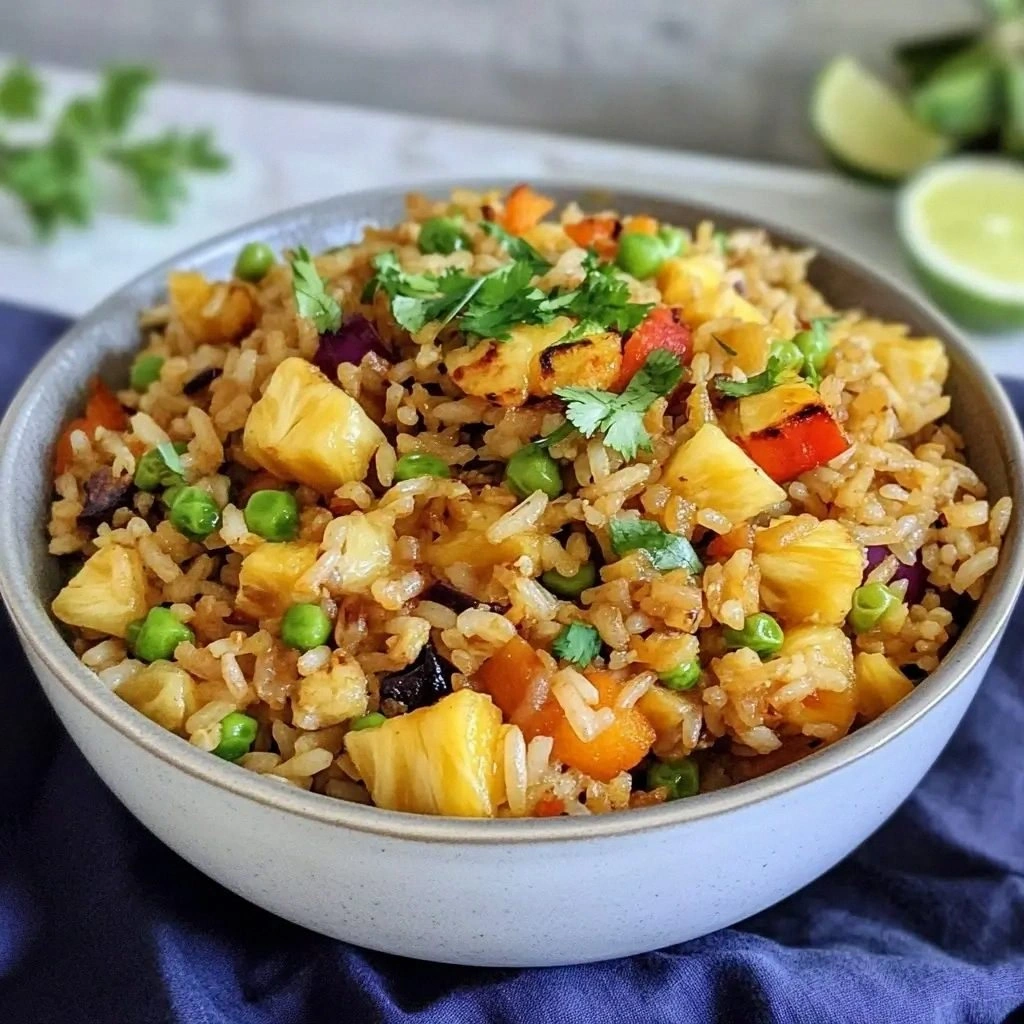
The first thing I noticed was the sizzle that erupted when the oil met the pan—an audible promise of transformation. The aroma of toasted sesame oil mingled with the bright citrus of pineapple, creating a scent that felt like a tropical sunrise on a rainy day. My eyes tracked the golden edges of the rice, the glossy sheen of soy sauce, and the delicate pop of fresh scallions. The texture was a paradox: fluffy grains with a hint of chew, a crisp snap from fresh veggies, and the velvety softness of tofu. The taste? A dance of sweet, umami, and a subtle kick that lingered on the palate.
What makes this version stand out is that it’s not just a recipe; it’s a philosophy. I’m not throwing everything in at once. I’m building layers, letting each ingredient sing before the next takes center stage. I’ve learned that the secret to a stellar fried rice is in the timing—every stir, every splash of sauce, every sprinkle of spice matters. And if you’re wondering about that one surprising ingredient I added—just a splash of rice vinegar—it turns the dish from ordinary to unforgettable.
Now, I’ll walk you through every single step. By the end, you’ll wonder how you ever made it any other way. I dare you to taste this and not go back for seconds. If you’ve ever struggled with rice that sticks or pineapple that turns mushy, you’re not alone—and I’ve got the fix. Let’s dive in.
What Makes This Version Stand Out
- Flavor: The balance of sweet pineapple, savory soy sauce, and subtle acidity from rice vinegar creates a harmonious profile that lingers.
- Texture: Each bite delivers a contrast—crisp veggies, tender tofu, and fluffy rice that holds its shape.
- Simplicity: No exotic ingredients or complicated techniques—just pantry staples and a wok.
- Uniqueness: The addition of a splash of rice vinegar and a pinch of chili flakes gives it a bright, slightly spicy finish that sets it apart.
- Crowd Reaction: Friends always ask for the recipe after dinner parties; the dish is a conversation starter.
- Ingredient Quality: Using fresh pineapple and high‑quality soy sauce elevates the flavor without extra effort.
- Cooking Method: High‑heat stir‑frying locks in moisture and caramelizes edges without overcooking.
- Make‑ahead Potential: It reheats beautifully; the flavors deepen, making it a perfect week‑night meal.
Inside the Ingredient List
The Flavor Base
Soy sauce is the backbone of any fried rice. It provides depth, saltiness, and that umami punch that makes the dish feel substantial. If you’re watching sodium, opt for a low‑sodium variety and supplement with a pinch of sea salt. Skipping it will leave your rice bland and uninspired.
The Texture Crew
Tofu adds protein and a subtle bite that pairs beautifully with the sweet pineapple. Firm tofu, pressed and diced, absorbs sauces without falling apart. If you prefer a vegan twist, substitute with tempeh for a nuttier flavor. The mixed vegetables—carrots, peas, and corn—contribute color, crunch, and natural sweetness.
The Unexpected Star
Pineapple is the show‑stopper. Fresh, diced chunks release juice that caramelizes, creating a glaze that coats the rice like velvet. The acidity balances the saltiness, and the natural sugars give a gentle caramel flavor. If you can’t find fresh pineapple, frozen diced pineapple works—just thaw and squeeze out excess water.
The Final Flourish
Sesame oil, a splash of rice vinegar, and a pinch of chili flakes finish the dish. Sesame oil adds a nutty aroma; the vinegar brightens the sweet notes; the chili flakes introduce a subtle heat that wakes the senses. Together, they transform a simple stir‑fry into a complex, layered experience.
Everything’s prepped? Good. Let’s get into the real action.
The Method — Step by Step
- Heat a wok or large skillet over medium‑high heat and pour in 1 tablespoon of vegetable oil. Let the oil shimmer but not smoke. Once hot, add the diced tofu and let it sear for 2–3 minutes until golden. This creates a crispy exterior that holds up during stir‑frying.
- Push the tofu to one side, add 1 tablespoon of sesame oil, and toss in the minced garlic and grated ginger. Sauté for 30 seconds until fragrant—watch the aroma; it should smell like a warm, buttery garden.
- Add the mixed vegetables—carrots, peas, corn—and stir‑fry for 2 minutes until they’re bright and slightly tender. The goal is a crisp snap, not a soggy mash.
- Push everything back into the center, pour in 1 cup of cooked rice, and break up any clumps with a spatula. Stir vigorously for 2 minutes so the rice heats through and begins to brown.
- Now it’s time for the sweet star: add 1 cup of diced pineapple, 2 tablespoons of soy sauce, 1 tablespoon of rice vinegar, and a pinch of chili flakes. Toss everything together until the pineapple coats the rice and the mixture smells toasty. The edges should start pulling away from the pan, creating that coveted caramelized crust.
- Lower the heat to medium, sprinkle in 2 scallions, and stir for another minute. The scallions add a fresh, oniony brightness that cuts through the sweetness.
- Taste and season with salt and pepper to your liking. If you prefer a sweeter finish, add a teaspoon of sugar; if you want more depth, a splash of extra soy sauce works.
- Remove from heat and let it sit for a minute. This resting period allows the flavors to meld and the rice to steam, giving it that final fluffy texture.
- Serve hot, garnished with a few extra scallion rings and a drizzle of sesame oil. The dish should feel like a bright, tropical explosion with a savory backbone.
That’s it—you did it. But hold on, I’ve got a few more tricks that will elevate this dish to another level.
Insider Tricks for Flawless Results
The Temperature Rule Nobody Follows
Stir‑frying at the right heat is crucial. If the pan is too cool, the rice will steam rather than fry, resulting in mushy grains. If it’s too hot, the sauce can burn. Keep the heat medium‑high and test with a small amount of rice; it should sizzle immediately and start to brown within a minute.
Why Your Nose Knows Best
Smell is a powerful cue. When the oil is hot, you’ll hear a faint crackle. When the soy sauce hits the pan, it should emit a sharp, savory aroma that mingles with the sweet pineapple scent. Trust that scent—it means you’re on the right track.
The 5-Minute Rest That Changes Everything
After you’re done cooking, let the dish sit covered for five minutes. This allows the steam to redistribute, ensuring the rice is fluffy and the flavors are fully integrated. Don’t skip it; the difference is noticeable.
Use a Splash of Rice Vinegar for Brightness
Rice vinegar adds a subtle acidity that cuts through the sweetness of pineapple and balances the saltiness of soy sauce. If you don’t have rice vinegar, a light splash of white wine vinegar works, but use less to avoid overpowering the dish.
Add a Pinch of Chili Flakes for a Subtle Heat
A dash of chili flakes introduces a gentle warmth that awakens the palate without dominating the tropical notes. If you prefer a milder version, omit the flakes or replace them with a few drops of sriracha for a different spice profile.
Creative Twists and Variations
This recipe is a playground. Here are some of my favorite ways to switch things up:
Coconut Curry Twist
Replace half the rice with jasmine rice, stir in a tablespoon of red curry paste, and finish with coconut milk. The result is a fragrant, creamy dish that pairs perfectly with fresh lime.
Spicy Kimchi Version
Add a cup of kimchi and a teaspoon of gochujang for a Korean‑inspired kick. The fermented flavor adds depth, while the chili paste brings heat.
Mediterranean Medley
Swap pineapple for sun‑dried tomatoes and add olives, feta, and oregano. The dish transforms into a bright, savory pasta‑like rice bowl.
Protein‑Packed Quinoa
Use quinoa instead of rice for a protein boost. The nutty flavor complements the sweetness of pineapple, creating a wholesome, grain‑free option.
Mushroom Umami Boost
Add sliced shiitake mushrooms and a splash of mushroom broth. The earthy umami pairs with the tropical notes, making it a comforting fall dish.
Sweet & Savory Glaze
Drizzle a mixture of honey and soy sauce over the finished dish for a glossy, caramelized finish. It adds a layer of sweetness that ties everything together.
Storing and Bringing It Back to Life
Fridge Storage
Cool the rice completely, then transfer to an airtight container. Store in the refrigerator for up to 3 days. When reheating, sprinkle a tablespoon of water and cover to keep it from drying out.
Freezer Friendly
Pack the rice in a freezer‑safe bag, removing as much air as possible. Freeze for up to 2 months. Thaw overnight in the fridge before reheating.
Best Reheating Method
Heat a non‑stick skillet over medium heat, add a splash of water or broth, and stir until steam rises. The tiny splash of liquid creates a gentle steam that restores moisture without turning the rice soggy.