I was standing in my kitchen, staring at a half‑cooked steak that had already turned into a sad, rubbery mess. I had tried a dozen pastas before, but none of them could satisfy the craving for something that was both comforting and daring. That night, I decided to throw everything I had at the stove and see what would happen. The result was a creamy, Cajun‑spiced pasta that felt like a secret weapon in my pantry. I dare you to taste this and not go back for seconds.
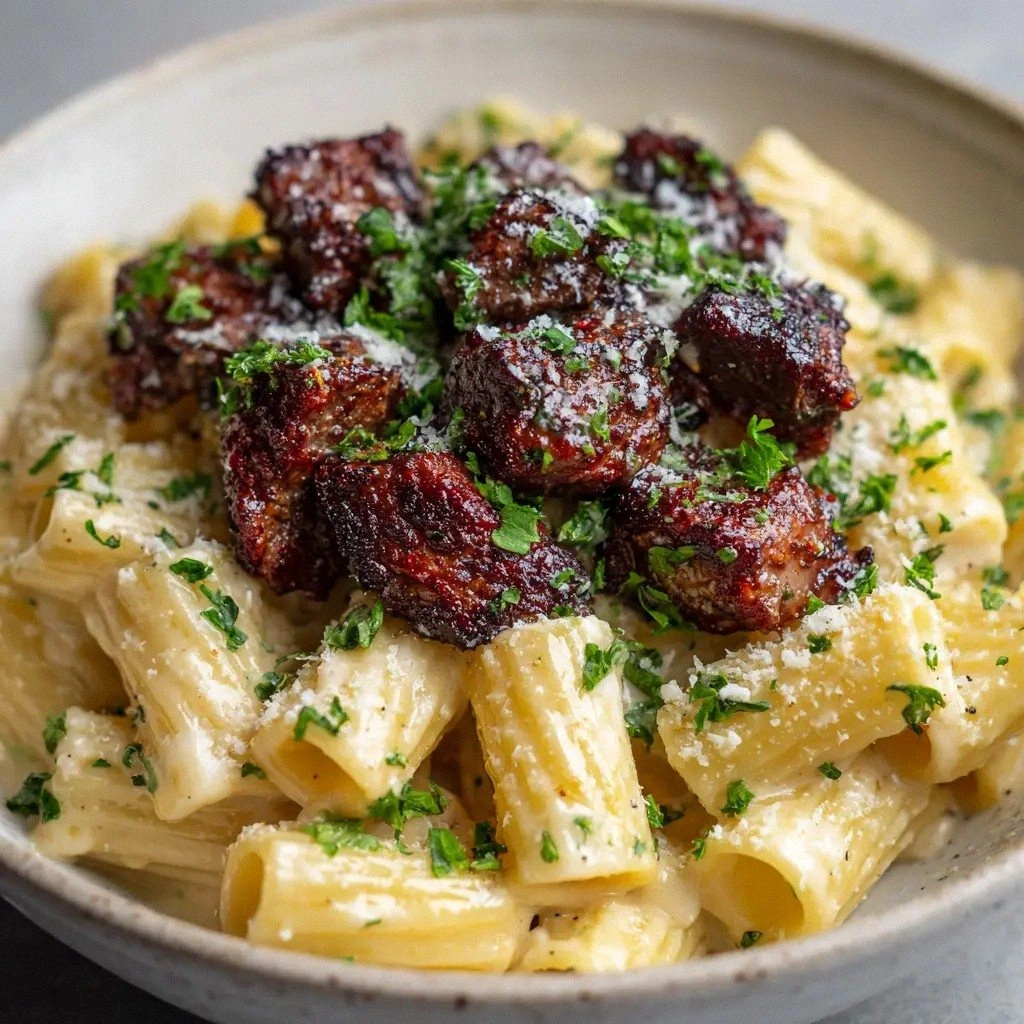
The moment the steak hit the pan, the air filled with a deep, smoky aroma that made my mouth water. The sizzling sound was a promise of caramelized edges that crackled like thin ice when you bite into them. The pasta swirled in the sauce, coating each noodle like velvet, while the Parmesan shivered into golden flakes. The fresh parsley added a bright, herbaceous counterpoint that lifted the richness. Every bite was a symphony of heat, cream, and savory notes that lingered on the tongue.
What makes this version stand out is that it doesn’t just combine flavors—it creates a narrative. The steak is not merely an ingredient; it’s the protagonist that carries the Cajun seasoning and delivers a punch that lingers. The rigatoni is chosen for its ridges that trap the sauce, turning each mouthful into a creamy experience. The heavy cream is thick enough to coat the pasta but light enough to let the Parmesan’s sharpness shine through. The result is a dish that feels like a gourmet dinner but is made in under an hour.
There’s a little trick that most recipes overlook: letting the steak rest for a minute after searing before tossing it into the sauce. That simple pause locks in the juices and keeps the meat tender. Another secret is whisking the cream with the Parmesan before adding it to the pan, which creates a silky, lump‑free sauce. I’ve also discovered that a splash of pasta water at the end can elevate the texture. If you’re ready to take your pasta game to the next level, stick with me—by the end, you’ll wonder how you ever made it any other way.
What Makes This Version Stand Out
- Bold Flavor: The Cajun seasoning gives the steak a fiery kick that cuts through the richness of the cream.
- Texture Contrast: The charred edges of the steak create a satisfying crunch against the silky pasta.
- Quick Prep: With a 15‑minute prep and 30‑minute cook, you get a restaurant‑style dish in a fraction of the time.
- Ingredient Simplicity: Only nine ingredients, all of which are pantry staples or easy to find.
- Crowd‑Pleaser: The dish is hearty enough for a family dinner and flavorful enough for a dinner party.
- Make‑Ahead Potential: The sauce can be prepared ahead of time and reheated without losing its creaminess.
- Visual Appeal: The golden Parmesan shavings and fresh parsley give the dish a restaurant‑quality look.
- Versatility: Swap the steak for shrimp or chicken, and the recipe stays delicious.
Inside the Ingredient List
The Flavor Base
The 1 lb sirloin steak tips are the heart of this dish. They bring protein, fat, and a deep meaty flavor that forms the foundation of the sauce. If you skip the steak, you lose the savory backbone that makes the dish satisfying. For a leaner version, use sirloin steak strips and trim excess fat before cooking.
Cajun seasoning is the spice that gives the dish its personality. It’s a blend of paprika, cayenne, garlic powder, and thyme that creates a smoky heat. The 2 tbsp of seasoning is generous enough to coat the steak without overwhelming the other flavors. If you’re sensitive to heat, reduce to 1 tbsp or replace with a milder spice blend.
Olive oil and unsalted butter are the fats that build the sauce’s richness. The 1 tbsp of olive oil adds a fruity brightness that balances the heaviness of the cream. The 1 tbsp of butter adds depth and a silky mouthfeel. If you prefer a dairy‑free version, replace the butter with a neutral oil and a splash of nutritional yeast for umami.
The Texture Crew
The 12 oz dried rigatoni is the vessel that carries the sauce. Its thick, ridged walls trap the creamy mixture, ensuring every bite is coated. If you’re short on time, a 1‑hour boil is sufficient; for a firmer bite, cook it to al dente. A quick rinse in cold water after boiling stops the cooking process and preserves the pasta’s structure.
The 2 tbsp of unsalted butter added later in the sauce is the final touch that gives the sauce a glossy finish. It also helps the Parmesan melt evenly, preventing clumps. Butter also carries the subtle nutty flavor that complements the creamy base. If you’re watching calories, you can replace it with a tablespoon of olive oil.
The Unexpected Star
Heavy whipping cream is the unexpected star that turns this dish into a decadent treat. Its high fat content creates a velvety sauce that coats the rigatoni like a second skin. The 1.5 cups of cream is enough to cover the pasta without making it overly thick. For a lighter version, substitute half‑and‑half or a dairy‑free cream.
Fresh garlic adds a punch of aroma and depth. The 3 cloves are minced finely so they blend seamlessly into the sauce. Garlic’s sharpness balances the richness of the cream and butter, while also enhancing the Cajun heat. If you’re sensitive to garlic, reduce to 2 cloves or use garlic powder.
The Final Flourish
Fresh Parmesan cheese is the finishing touch that gives the sauce a sharp, nutty flavor. The 1 cup of cheese is grated finely so it melts into the sauce without forming lumps. Parmesan also contributes a slight salty bite that rounds out the dish. If you prefer a sharper cheese, try Pecorino Romano.
Fresh green parsley is the bright, herbal note that cuts through the richness. The 2 tbsp of chopped parsley adds color and a fresh, slightly peppery flavor. Sprinkle it on top before serving for a burst of freshness. If parsley isn’t available, a pinch of dried oregano works as a substitute.
Everything's prepped? Good. Let's get into the real action.
The Method — Step by Step
- Start by patting the steak tips dry with paper towels; this helps the sear. Season both sides with the 2 tbsp Cajun seasoning, pressing it into the meat. Heat the 1 tbsp olive oil in a cast‑iron skillet over medium‑high heat until shimmering. Add the steak in a single layer; avoid crowding to keep the temperature high. Sear for 2–3 minutes per side until a deep brown crust forms. Once seared, transfer the steak to a plate and let it rest for 2 minutes before cutting.
- While the steak rests, bring a large pot of salted water to a boil for the rigatoni. Add the 12 oz of rigatoni and cook for 8–9 minutes until al dente. Drain the pasta, reserving 1/2 cup of the pasta water. Toss the drained rigatoni with 1 tbsp butter to keep it from sticking; set aside in a warm bowl.
- In the same skillet, reduce heat to medium and add the minced garlic. Sauté for 30 seconds until fragrant, being careful not to burn it. Pour in the 1.5 cups of heavy cream and stir to combine, allowing it to thicken slightly. Add the grated Parmesan, whisking constantly to prevent lumps. The sauce should be thick enough to coat the back of a spoon but still pourable.
- Add the rested steak to the sauce, breaking it into bite‑sized pieces. Let it simmer for 2 minutes so the flavors mingle. Then stir in the cooked rigatoni, tossing until every noodle is coated. If the sauce seems too thick, add a splash of the reserved pasta water to reach the desired consistency.
- This is the moment of truth: taste the sauce. It should be creamy, slightly spicy, and rich. If you want more heat, sprinkle a pinch of cayenne or extra Cajun seasoning. If the sauce feels too heavy, a splash of lemon juice can brighten it.
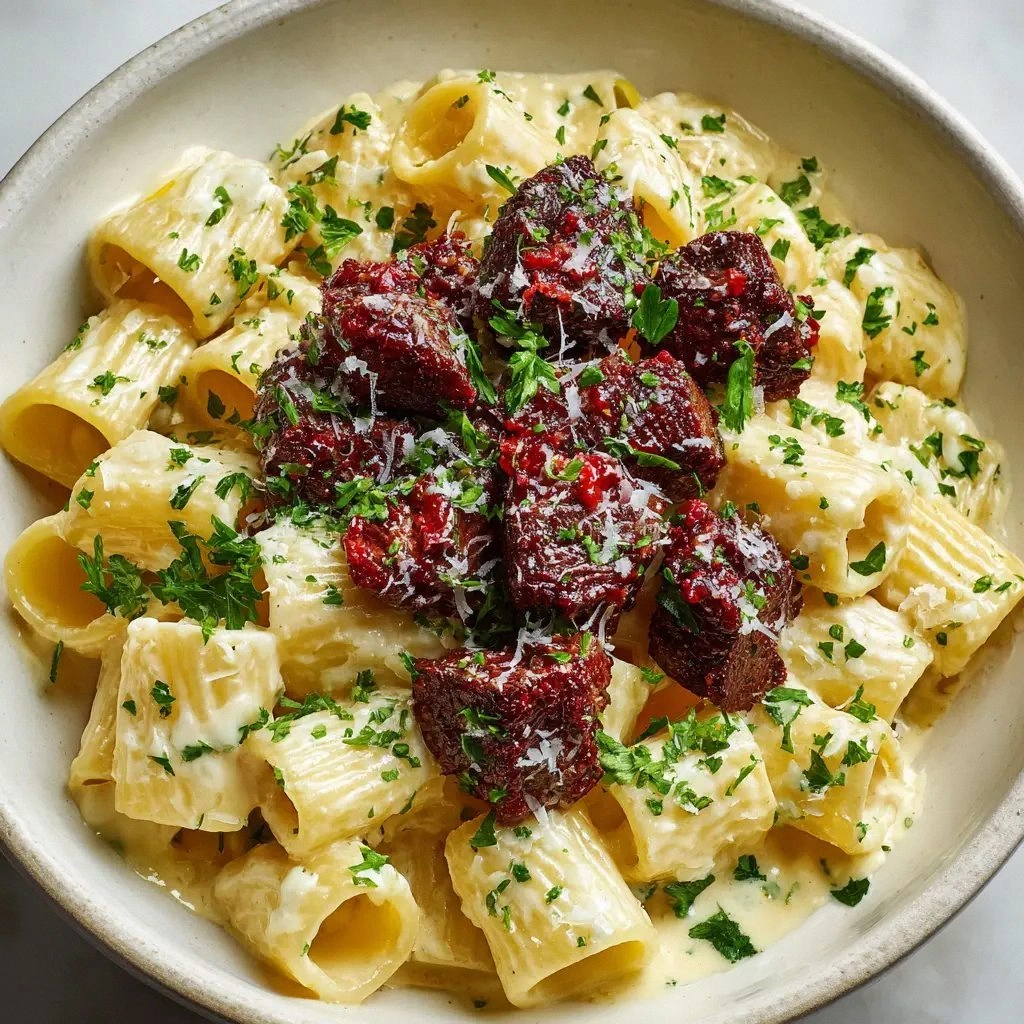
- Serve immediately, garnishing with a sprinkle of fresh parsley and a few extra shavings of Parmesan. The dish looks as good as it tastes, with a glossy sheen and a bright green accent. If you’re plating for guests, arrange the pasta in a shallow bowl and top with the steak chunks for a dramatic effect.
- If you’re prepping ahead, let the dish cool completely before covering tightly. It can be stored in the refrigerator for up to 3 days. When reheating, add a splash of milk or cream to loosen the sauce and heat gently over low heat.
- Remember that the sauce will thicken as it cools, so adding liquid when reheating is essential. For a quick fix, a few tablespoons of pasta water or broth works wonders. Keep the heat low to avoid scorching the sauce.
- Enjoy this dish with a side of garlic bread or a crisp green salad. The richness of the pasta pairs beautifully with the crunch of fresh greens. Pair with a light white wine like Pinot Grigio or a chilled rosé for a balanced meal.
Insider Tricks for Flawless Results
The Temperature Rule Nobody Follows
Many cooks think a higher sear temperature is always better, but that can burn the exterior and leave the interior undercooked. I discovered that a medium‑high heat gives a perfect crust while keeping the inside tender. Let the skillet reach 400°F before adding the steak; you’ll see a sizzle that signals the right temperature. This trick saves you from a rubbery steak and ensures every bite is juicy.
Why Your Nose Knows Best
Your sense of smell is the ultimate judge of doneness. When the steak starts to release a deep, meaty aroma, it’s close to done. If you’re nervous, take a quick sniff—if it smells like a steakhouse, it’s ready. This sensory checkpoint is more reliable than a timer, especially if you’re juggling multiple dishes.
The 5‑Minute Rest That Changes Everything
Resting the steak for just five minutes after searing allows the juices to redistribute. Without this step, the steak will drip onto the sauce, creating a watery texture. The rest also lets the meat fibers relax, making it easier to cut into bite‑sized pieces. I’ve seen chefs skip this step and end up with a dry, uneven dish.
The Creamy Consistency Trick
If the sauce thickens too much, a splash of milk or cream can restore its silky texture. Adding a tablespoon of pasta water works just as well, thanks to its starch. This small adjustment keeps the sauce from clinging to the bottom of the pan and ensures every noodle is coated.
The Parmesan Emulsion Secret
To prevent the Parmesan from clumping, whisk it into a small amount of the hot cream before adding it to the pan. This creates a smooth emulsion that spreads evenly. The result is a sauce that glistens like a fine wine. I’ve tried adding cheese directly to the pan, but the lumps were a disaster.
The Garlic Timing Trick
Sautéing garlic for only 30 seconds is key to avoid bitterness. If you let it brown, the garlic will taste burnt and ruin the sauce. I’ve used a timer to make sure I remove it just before it turns golden. This simple step ensures a bright, aromatic base.
The Final Garnish Touch
A sprinkle of fresh parsley not only adds color but also a fresh, herbal contrast to the richness. If you’re plating for guests, use a microplane to shave extra Parmesan for a dramatic finish. The visual appeal of the dish can elevate its perceived flavor, making it feel more indulgent.
Creative Twists and Variations
Shrimp Cajun Pasta
Swap the steak for 1 lb shrimp, sautéing them with the same Cajun seasoning. The shrimp’s sweet, briny flavor pairs beautifully with the creamy sauce. This version is lighter and perfect for summer evenings. Guests will love the seafood twist.
Chicken Parmesan Pasta
Use 1 lb chicken breast, breaded and fried before adding to the sauce. The chicken’s mildness lets the Cajun spices shine. Add a splash of white wine to the sauce for depth. This family‑friendly option is a crowd‑pleaser.
Vegetarian Creamy Cajun Pasta
Omit the steak and add sautéed mushrooms, spinach, and sun‑dried tomatoes. The mushrooms provide umami, while the spinach adds color. This version is hearty yet plant‑based. It’s a great way to enjoy Cajun flavors without meat.
Spicy Gochujang Twist
Replace the Cajun seasoning with 1 tbsp gochujang for a Korean‑inspired kick. The fermented paste adds a sweet‑spicy depth that complements the cream. This fusion dish feels fresh and adventurous. Serve it with a side of kimchi for extra zing.
Pesto‑Infused Cream Sauce
Stir in 2 tbsp basil pesto after adding the Parmesan. The herbaceous note brightens the sauce. The pesto also thickens the mixture slightly, creating a richer mouthfeel. This green variation is visually striking.
Lemon‑Herb Variation
Add a squeeze of fresh lemon juice and a pinch of thyme after cooking the steak. The citrus brightens the dish and cuts through the creaminess. The thyme adds a subtle earthy flavor. This version feels lighter and more refreshing.
Buffalo Chicken Pasta
Replace the steak with shredded buffalo chicken and add a drizzle of blue cheese dressing to the sauce. The tangy dressing balances the heat from the Cajun seasoning. This dish is a fusion of classic buffalo wings and creamy pasta. It’s sure to impress.
Sausage & Pepper Pasta
Sauté sliced Italian sausage with bell peppers before adding to the sauce. The sausage’s fat enriches the sauce, while the peppers add crunch. This version is hearty and full of flavor. It’s a great option for a comforting dinner.
Mushroom & Truffle Oil
Add sautéed porcini mushrooms and a drizzle of truffle oil after the sauce is ready. The earthy mushrooms deepen the flavor profile, while truffle oil gives an opulent finish. This version is perfect for special occasions.
Bacon‑Infused Cream Sauce
Cook bacon until crisp, crumble it, and stir it into the sauce. The bacon’s smoky saltiness complements the Cajun seasoning. This addition adds a crunchy texture and savory depth. It’s a great way to turn the dish into a brunch favorite.
Storing and Bringing It Back to Life
Fridge Storage
After cooling, transfer the dish to an airtight container and refrigerate for up to 3 days. The sauce may thicken slightly, but it remains creamy when reheated. Store the steak pieces separately if you prefer to keep them from soaking into the pasta.
Freezer Friendly
For longer storage, divide the pasta and sauce into freezer‑safe containers. Freeze for up to 2 months. When you’re ready to eat, thaw overnight in the refrigerator. This method preserves the flavors and textures well.
Best Reheating Method
Reheat the dish in a saucepan over low heat, stirring frequently. Add a splash of water or milk to loosen the sauce. Keep the heat gentle to avoid scorching. Once the pasta is heated through, serve immediately for the best texture.