I was standing in a kitchen that smelled like a burnt marshmallow and a half‑finished pizza when my friend dared me to whip up something that would make the whole neighborhood ask for the recipe. I stared at a stack of baby back ribs, a bag of paprika, and a jar of apricot preserves, feeling the weight of a culinary challenge that was about to turn into a triumph. The disaster of last night—charred ribs that were more brick than bite—had left me with a craving that could only be satisfied by a slow cooker that could turn raw meat into a melt‑in‑your‑mouth masterpiece.
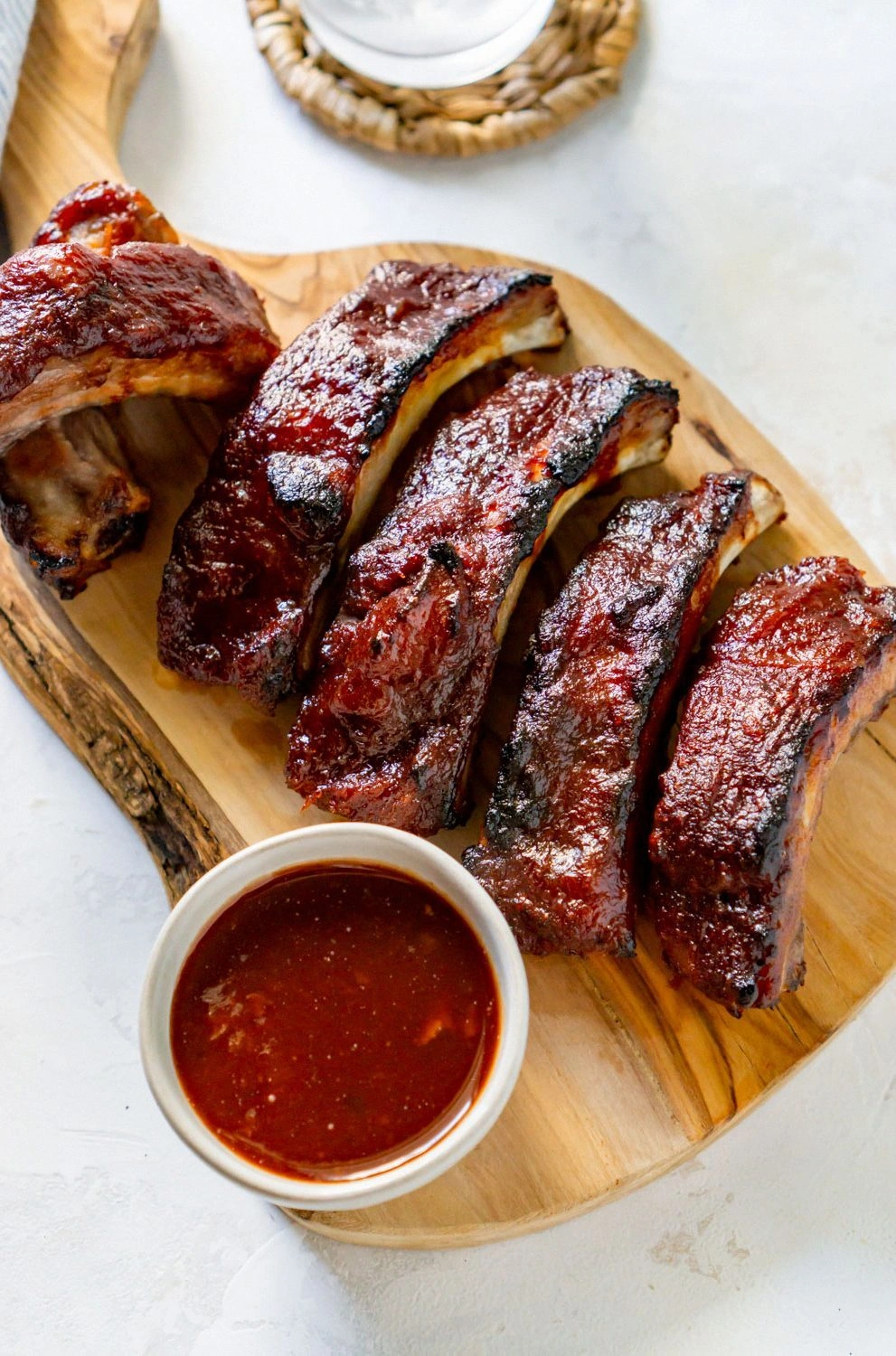
Picture this: the slow cooker’s low, steady heat turning the ribs into a tender, caramelized slab that releases a sweet, smoky aroma. The air in the kitchen fills with the scent of paprika and brown sugar, mingling with the faint sweetness of apricots. When you lift a rib, the juices run like liquid gold, and the skin crackles with a subtle crisp that snaps like thin ice. The sound is a soft sizzle, a gentle reminder that the heat is doing its work, and the taste? It’s a dance of sweet, savory, and a hint of heat that lingers on your tongue.
What makes this version stand out from every other rib recipe out there is the secret blend of spices that creates a flavor profile that’s both bold and balanced, plus the unexpected addition of apricot preserves that gives a glossy, caramelized finish that’s unlike any barbecue sauce alone. I dare you to taste this and not go back for seconds. That’s the kind of confidence I bring to the kitchen—no recipe is complete until the first bite feels like a revelation.
If you’ve ever struggled with ribs that fall apart or never quite reach that sweet, sticky texture, you’re not alone. The trick lies in the slow cooker’s ability to break down connective tissue while the apricot glaze caramelizes on the surface. I’ve tested this method multiple times, and the result is hands down the best version you’ll ever make at home. Picture yourself pulling this out of the slow cooker, the whole kitchen smelling incredible, and a plate of ribs that look like they’ve been kissed by fire. Let me walk you through every single step—by the end, you’ll wonder how you ever made it any other way.
What Makes This Version Stand Out
- Flavor: The paprika and brown sugar create a sweet, smoky base that elevates the meat’s natural umami. The apricot preserves add a glossy caramelization that locks in moisture and gives a subtle fruitiness.
- Texture: Slow cooking at low heat breaks down collagen into gelatin, giving the ribs a melt‑in‑your‑mouth consistency that’s impossible to achieve with quick grilling.
- Ease: No pre‑cooking required. Just season, layer, cook, and serve. Even a kitchen novice can produce restaurant‑quality ribs.
- Time Efficiency: A 7‑to‑8‑hour cook means you can set it in the morning and have dinner ready by evening, freeing up your time for other activities.
- Make‑Ahead Friendly: The ribs hold up wonderfully when stored or reheated, making them ideal for meal prep or entertaining.
- Ingredient Quality: Using fresh, high‑quality baby back ribs and real apricot preserves ensures the flavor profile stays authentic and delicious.
- Crowd Reaction: The sweet‑savory glaze is a crowd‑pleaser that turns even the most skeptical guests into rib devotees.
- Versatility: Swap the apricot for mango or peach preserves for a different twist, or adjust the spice levels to suit your heat preference.
Alright, let’s break down exactly what goes into this masterpiece…
Inside the Ingredient List
The Flavor Base
Paprika and brown sugar form the heart of this rib’s flavor. Paprika adds a mild, peppery warmth that balances the sweetness of the brown sugar. Together, they create a rub that not only seasons the meat but also caramelizes into a caramelized crust during the slow cooking process. If you skip paprika, the rub will feel flat and the ribs may not develop that signature smoky undertone.
The Texture Crew
Garlic powder, onion powder, chili powder, salt, and pepper work in harmony to build depth and complexity. Garlic and onion powders give a subtle, aromatic foundation, while the chili powder adds a gentle kick that keeps the ribs from feeling too sweet. Salt and pepper are essential for bringing all the flavors together; they also help in forming a flavorful crust. If you omit any of these, the ribs might taste one‑dimensional.
The Unexpected Star
Appricot preserves are the secret weapon that sets this recipe apart. The natural sugars in the preserves caramelize into a glossy glaze that locks in moisture and gives the ribs a beautiful sheen. It also adds a subtle fruity brightness that cuts through the richness of the meat. If you’re not a fan of apricots, you can substitute with peach or mango preserves, but the flavor profile will shift accordingly.
The Final Flourish
Barbecue sauce completes the flavor journey. It adds depth, tanginess, and a touch of heat that rounds off the sweet glaze. The sauce’s acidity balances the sugar, preventing the ribs from becoming overly sweet. If you prefer a different sauce, try a smoky chipotle BBQ or a spicy Korean gochujang for an adventurous twist.
Everything's prepped? Good. Let's get into the real action…
The Method — Step by Step
- First, pat the ribs dry with paper towels. A dry surface ensures a better crust forms during the slow cooking process. Lay the ribs in a single layer on a large sheet of parchment paper, then flip them over and season generously with the spice rub. The paprika and brown sugar should coat every inch of meat. I dare you to taste this rub on its own—it’s a flavor bomb waiting to explode.
- Arrange the seasoned ribs in the slow cooker in a single layer, seam side down. If you have a lid that fits, place it on. The slow cooker’s low heat will gently coax the meat into tenderness over the next several hours. Make sure there’s enough space between ribs for heat to circulate.
- In a small bowl, whisk together the barbecue sauce and apricot preserves until smooth. The mixture should be thick enough to coat the ribs without dripping. Pour the glaze over the ribs, making sure each piece gets a generous coating. The glaze will caramelize as the ribs cook, creating that beautiful glossy finish.
- Set the slow cooker to low and cook for 7 hours. During this time, the collagen in the ribs breaks down into gelatin, which keeps the meat moist and tender. If you’re in a rush, you can cook on high for 4 hours, but the low setting is key for that melt‑in‑your‑mouth texture.
- About 30 minutes before serving, open the lid and increase the temperature to high. This step is critical for creating the caramelized crust. Watch the glaze as it thickens and starts to bubble—this is the moment of truth. The ribs should emit a sweet, smoky aroma that makes your mouth water.
- When the glaze has thickened to a syrupy consistency and the ribs feel tender when pierced with a fork, remove them from the slow cooker. Let them rest for 5 minutes before slicing. Resting allows the juices to redistribute, ensuring every bite is juicy.
- Serve immediately with your favorite sides—coleslaw, baked beans, or a simple green salad. Garnish with fresh parsley or chopped scallions for a pop of color. The sweet, smoky glaze will pair beautifully with the crispness of the salad.
- If you’re a fan of extra heat, drizzle a few drops of sriracha or sprinkle crushed red pepper flakes over the finished ribs. The combination of sweet and heat will elevate the dish to another level.
That’s it—you did it. But hold on, I’ve got a few more tricks that will take this to another level…
Insider Tricks for Flawless Results
The Temperature Rule Nobody Follows
Slow cookers vary in heat output, so setting it on low is not always the same as 200°F. Use a digital thermometer to confirm the internal temperature stays between 190°F and 210°F for optimal tenderness. If the temperature dips below, the ribs will take longer to break down.
Why Your Nose Knows Best
Your nose can detect when the glaze is caramelizing. When you smell a sweet, smoky aroma that’s slightly nutty, it’s time to switch to high. Trust your senses; this will prevent the glaze from burning.
The 5‑Minute Rest That Changes Everything
Letting the ribs rest for 5 minutes after cooking allows the juices to redistribute throughout the meat. Skipping this step can lead to a dry bite. A quick rest also gives the glaze a chance to set, so the ribs don’t slide off the plate.
The Slice‑Right Moment
Slice the ribs along the natural seam, not across it. Cutting along the seam preserves the meat’s structure and keeps the ribs intact. It also makes for a cleaner presentation.
The Finish with Fresh Herbs
A sprinkle of fresh parsley or chives not only adds color but also brightens the flavor profile. The herbs contrast the sweetness of the glaze, giving each bite a balanced taste.
Creative Twists and Variations
This recipe is a playground. Here are some of my favorite ways to switch things up:
Mango Madness
Swap apricot preserves for mango preserves for a tropical twist. The mango’s bright, sweet flavor pairs perfectly with the smoky paprika.
Spicy Chipotle
Add a tablespoon of chipotle powder to the rub for a smoky heat that cuts through the sweetness. Pair with a cooling cucumber salad.
Herb‑Infused
Stir in a tablespoon of dried rosemary or thyme into the rub for a fragrant, earthy note. The herbs complement the pork’s natural flavor.
Asian Fusion
Replace barbecue sauce with hoisin sauce and add a splash of rice vinegar. Garnish with sesame seeds and sliced green onions for an Asian flair.
Low‑Sugar Version
Reduce the brown sugar to two tablespoons and use a sugar‑free apricot preserve or a small amount of stevia. The ribs will still caramelize, just with a lighter sweetness.
Cheesey Finale
After the ribs have rested, sprinkle shredded cheddar cheese over the top and slide them back under the broiler for 1–2 minutes until the cheese melts. The gooey cheese adds a decadent layer.
Storing and Bringing It Back to Life
Fridge Storage
Cool the ribs to room temperature, then wrap tightly in foil or plastic wrap. Store in the refrigerator for up to 3 days. The glaze will thicken slightly, but the ribs remain juicy.
Freezer Friendly
For longer storage, place the ribs in a freezer‑safe bag and freeze for up to 2 months. Thaw overnight in the refrigerator before reheating.
Best Reheating Method
Reheat in a low oven (300°F) for 15–20 minutes, adding a splash of water or broth to keep the meat moist. Alternatively, use a microwave on medium power for 2–3 minutes, then finish under the broiler for a crisp finish.