Picture this: I’m standing in a kitchen that smells like burnt toast and disappointment, because I tried to make the most basic blueberry muffins and they turned out as dense as a brick wall. I stared at the batch, feeling the weight of my culinary failure, when a friend texted me a link to a recipe that promised fluffy popovers bursting with fruit. I laughed, because I thought “fluffy” was a myth, then I decided to give it a shot. That night, the kitchen turned into a laboratory, and the air filled with anticipation.
The moment I cracked the first egg, the room seemed to inhale a clean, almost electric scent, like fresh rain on hot pavement. The blueberries glistened, their tiny skins reflecting a promise of burstiness, while the raspberries lay like ruby jewels awaiting release. My hands, stained with flour, felt the familiar rhythm of whisking, the way a drumbeat builds to a crescendo. I could almost hear the sizzle that would come later, the gentle crackle of batter meeting heat. It was a sensory prelude that made even the most skeptical part of me feel hopeful.
What sets this version apart is that it doesn’t rely on gimmicky leavening agents or a fancy mixer. Instead, it uses a simple, time-honored technique that creates a cloud‑like interior while keeping the exterior crisp and golden. The result is a popover that rises like a balloon, then gently deflates, revealing a light, airy core that melts on the tongue. It’s a flavor profile that balances the sweet maple syrup with the tartness of fresh berries, delivering a complex taste that feels like a summer sunrise. This isn’t just another recipe; it’s a revelation that turns an ordinary morning into a memorable event.
What you won’t expect is the subtle role that the butter plays—not just in flavor, but as a secret leavening ally. I’ll let you in on a little secret: the butter is melted, then folded in at the very last minute, which creates tiny pockets of steam that help the batter expand like a soufflé. This trick is the difference between a dense, heavy bite and a light, airy cloud. It’s a technique I learned from a pastry chef who told me, “If you want fluff, give your batter a chance to breathe.” That breathing room is the key to this popover’s signature lift.
Okay, ready for the game‑changer? I dare you to taste one of these popovers and not go back for seconds. I’ll be honest—after the first bite, I was already planning the next batch. The combination of maple syrup’s subtle sweetness, the tart raspberries, and the blueberry burst is a flavor orchestra that plays on your palate like a well‑composed symphony. Imagine the warm, buttery aroma wafting through the kitchen, the gentle crackle of the oven, and the anticipation of that first bite. If you’ve ever struggled with making fluffy pastries, you’re not alone, and I’ve got the fix.
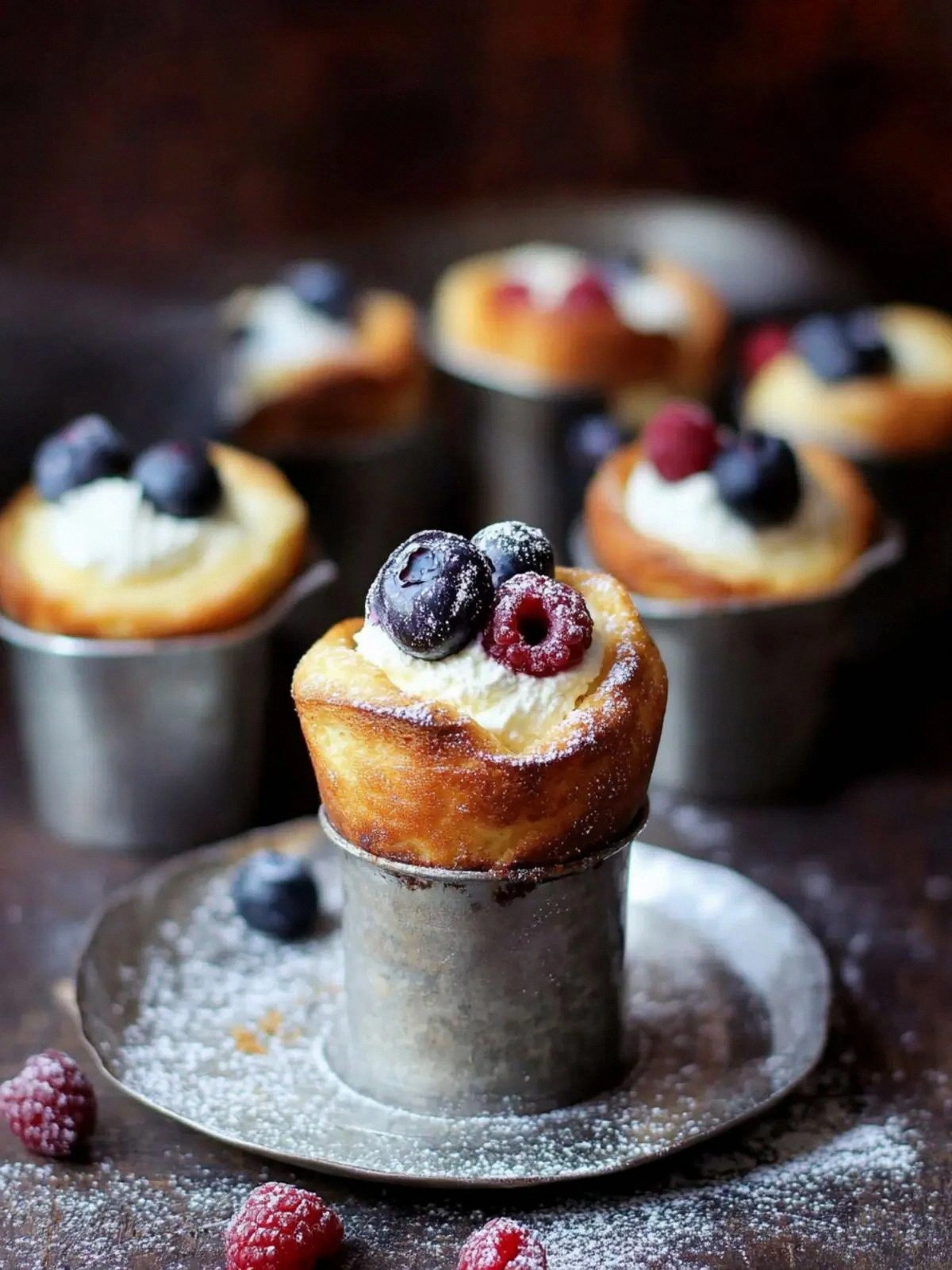
Picture yourself pulling this out of the oven, the whole kitchen smelling incredible, the steam swirling like a cloud over a calm lake. The popovers will have risen to a golden crown, the edges crisped to a perfect caramelized finish that shatters like thin ice when you bite into them. The interior will be pillowy, with pockets of air that expand in your mouth, releasing a burst of berry flavor that lingers like a sweet memory. I’ll guide you through every single step, and by the end, you’ll wonder how you ever made it any other way. Trust me, the payoff is worth every whisk and every second of patience.
And if you’re thinking this is too complicated for a weekend brunch, think again. The process is straightforward, the ingredients are pantry staples, and the final product is a show‑stopping dessert that will impress family and friends alike. The technique is simple enough that even a novice can master it, provided you keep a few key points in mind. I’ll walk you through the entire journey, from mixing to baking to serving, ensuring that every step is clear and approachable. Let’s dive into the details and bring these fluffy popovers to life.
But before we get into the nitty gritty, let’s take a moment to celebrate the artistry behind a simple popover. It’s a reminder that the best culinary experiences often come from mastering the fundamentals. In the next section, we’ll break down what makes this version stand out from every other recipe out there. Ready? Let’s go.
What Makes This Version Stand Out
- Texture: The batter’s composition creates a cloud‑like interior that expands during baking, resulting in a light, airy crumb that melts in the mouth. The edges remain crisp, offering a delightful contrast that satisfies both texture lovers and purists. The result feels like a pastry that rises and falls in a single bite, delivering a multi‑sensory experience. This texture is achieved by precise whisking and the strategic use of melted butter.
- Flavor: Maple syrup adds a subtle caramel depth that balances the sharpness of raspberries and the mellow sweetness of blueberries. The berries are fresh and not over‑cooked, preserving their natural juices and bright notes. The maple’s sweetness is just enough to lift the fruit flavors without overpowering them, creating a harmonious taste profile. The final product tastes like a summer morning in a bite.
- Ingredient Quality: Using high‑quality, fresh berries ensures that each popover bursts with natural fruit flavor. Selecting a whole‑milk with a higher fat content gives the batter a richer mouthfeel. The unsalted butter’s purity allows the flavor to shine without unwanted saltiness. The maple syrup is pure, not flavored or mixed, which preserves its natural taste.
- Simplicity: The recipe requires only ten ingredients, most of which you likely already have. No special equipment is needed beyond a standard oven and a muffin tin. The method is straightforward, with clear steps that guide you from mixing to baking. The minimalistic approach keeps the focus on flavor and texture.
- Make‑Ahead Potential: These popovers can be baked in advance and reheated with a splash of water, returning them to their original fluffiness. The batter can be prepared a day ahead and refrigerated, allowing the flavors to meld further. This makes them perfect for brunch parties or last‑minute dessert prep. The ability to make them ahead without losing quality is a major advantage.
- Visual Appeal: The golden tops with a slight caramelization create an irresistible look. The popovers rise to a perfect height, making them appear like miniature towers of delight. When served with a dusting of icing sugar, they look festive and ready for a special occasion. The visual impact is as important as the taste.
- Versatility: The base recipe can be adapted to include different fruits or flavorings, such as lemon zest or almond extract, making it a canvas for experimentation. The recipe’s structure allows for substitutions like oat milk or honey, catering to dietary preferences. This flexibility makes it a staple in any kitchen.
- Time Efficiency: The entire process takes less than an hour from start to finish, making it a quick yet impressive dessert. The batter’s rise time is built into the baking process, so you can multitask while it works. The quick turnaround ensures you can serve a fresh, warm dessert without waiting.
- Audience Appeal: Whether you’re a seasoned baker or a kitchen novice, this recipe is approachable and delivers a professional result. The clear instructions and helpful hints reduce the risk of failure. It’s a recipe that earns compliments and invites conversation.
- Health Consciousness: By using whole milk and natural sweeteners, the recipe balances indulgence with nutrition. The portion size is moderate, allowing for a sweet treat that doesn’t feel guilty. The inclusion of berries adds antioxidants and vitamins, enhancing the overall health profile.
Inside the Ingredient List
The Flavor Base
Plain flour is the backbone of the batter, providing structure while remaining neutral. It allows the maple syrup and berries to shine without competing flavors. If you substitute all‑purpose flour, the popovers may become slightly denser, but the rise will still occur. Using a blend of whole wheat and pastry flour can add nuttiness, though it will alter the texture.
Salt is essential for balancing sweetness and enhancing the fruit’s natural flavors. A pinch of salt also helps with the batter’s stability, ensuring a consistent rise. If you’re avoiding sodium, you can reduce the amount, but the final taste may be slightly flat. Keep the salt in a separate container to avoid accidental over‑salting.
Whole milk adds richness and a subtle tang that complements the maple syrup. The fat content helps create a tender crumb. Skim milk will result in a lighter texture but may reduce the overall mouthfeel. For a vegan version, oat milk can be used, though the rise may differ slightly.
Eggs act as the primary leavening agent, trapping air bubbles that expand during baking. They also bind the batter together and provide structure. Using fresh, large eggs ensures maximum volume. If you’re vegan, aquafaba (chickpea liquid) can replace eggs, but the rise will be less dramatic.
The Texture Crew
Maple syrup is more than a sweetener; it’s a flavor enhancer that brings caramel notes to the batter. The syrup’s viscosity helps create a moist interior, preventing the popovers from drying out. If you prefer a lighter sweetness, a touch of honey or agave can be used, but the flavor profile will shift.
Blueberries are the star of the show, offering bursts of juiciness and a subtle tartness. They should be fresh and ripe, but frozen berries can be used if fresh are unavailable; just thaw and pat dry to avoid excess moisture. If you use frozen berries, reduce the amount of maple syrup slightly to avoid a soggy batter.
Raspberries provide a bright, tart counterpoint to the blueberries and maple. Their delicate skins release a fragrant aroma during baking. To avoid excess liquid, gently pat the raspberries dry before adding them to the batter. If you’re allergic to berries, you can substitute with chopped strawberries or blackberries.
Unsalted butter, melted and folded in at the last moment, creates steam pockets that help the batter rise like a soufflé. The butter also adds a buttery flavor that balances the sweetness. If you’re using salted butter, reduce the amount of added salt accordingly. The butter should be at room temperature for easier integration.
The Unexpected Star
Double cream is optional but adds a luxurious finish when served on top of the popovers. It’s used for a drizzle or a swirl, giving a decadent touch that elevates the dish. If you prefer a lighter version, you can omit the cream or use a plant‑based alternative. The cream should be chilled before serving to maintain its texture.
Icing sugar is used for dusting, adding a delicate sweetness and an elegant finish. It also helps to keep the popovers from drying out once they cool. If you’re watching sugar intake, you can use a sugar substitute or simply skip the dusting. A light dusting of powdered sugar gives a classic look and a subtle sweet finish.
The Final Flourish
When all components are combined, the batter should have a silky consistency, free of lumps. The batter’s thickness is crucial; too thin, and the popovers won’t rise; too thick, and they’ll be dense. A quick whisk after adding the berries ensures they’re evenly distributed without over‑mixing.
At this point, the batter is ready for the oven. The popovers will rise dramatically, creating a golden crown that’s both inviting and impressive. The batter’s composition ensures that the interior remains fluffy while the exterior stays crisp. This balance is the hallmark of a perfect popover.
Before baking, preheat the oven to 220°C (425°F) and line a muffin tin with paper liners. The liners keep the popovers from sticking and make cleanup a breeze. They also help the popovers maintain a uniform shape, ensuring even cooking.
Now that the ingredients are prepped and the oven is ready, we can move on to the actual baking process. The next section will guide you through each step, ensuring that the popovers rise to perfection.
The Method — Step by Step
- Preheat and Prep: Set your oven to 220°C (425°F) and place a muffin tin on the middle rack. Line each cup with a paper liner to prevent sticking and to maintain a uniform shape. The heat should be evenly distributed so that each popover rises consistently. This step ensures that the batter has a stable environment for the rise.
- Combine Dry Ingredients: In a large bowl, whisk together the plain flour and salt until fully blended. A dry mix helps avoid lumps and ensures an even distribution of leavening. The flour’s fine texture is crucial for a smooth batter. Keep the mixture aside until the wet components are ready.
- Whisk the Wet Mixture: In a separate bowl, beat the eggs and whole milk together until the mixture is uniform. The goal is a slightly frothy texture that indicates proper incorporation. This step creates a stable base for the batter, allowing the eggs to trap air effectively. Be careful not to over‑whisk, which can introduce unwanted air pockets.
- Merge Wet and Dry: Gradually pour the wet mixture into the dry flour, whisking continuously to avoid lumps. The batter should be silky and smooth, with a consistency similar to heavy cream. If the batter feels too thick, add a splash of milk; if too thin, add a teaspoon of flour. This gradual integration is key to a cohesive batter.
- Fold in Butter: Add the melted unsalted butter to the batter and fold gently until fully incorporated. The butter should be at room temperature to prevent separation. This step introduces steam pockets that will create lift during baking. Ensure the butter is fully blended to avoid uneven rise.
- Gently Add Berries: Fold in the blueberries and raspberries carefully, ensuring they are evenly distributed without breaking them. The berries should remain intact to preserve their juice and flavor. Use a spatula to fold, not stir, to keep the batter light. This step adds visual appeal and burstiness to the popovers.
- Fill the Muffin Cups: Spoon the batter into the prepared muffin cups, filling each about three-quarters full. The batter should fill the cups evenly, creating a uniform rise. Avoid overfilling, which can cause the batter to spill over the edges. The batter should sit just below the rim.
- Bake to Perfection: Place the tin in the preheated oven and bake for 20-25 minutes, or until the tops are golden brown and the popovers have risen to a height of about 2 inches. The baking time may vary slightly depending on oven calibration. The popovers should feel firm to the touch but still slightly springy. This is the moment of truth.
- Watch Out: The first sign of collapse is a sudden drop in height. If this occurs, place a clean sheet of parchment over the top of the popovers to protect them from direct heat. This prevents the outer layer from burning while the interior finishes baking. After the bake, let them cool on a rack for 10 minutes before serving.Watch Out: If you open the oven too early, the popovers can collapse. Keep the door closed and use a timer to maintain consistent heat.
- Optional Double Cream Drizzle: While the popovers are still warm, drizzle a small amount of double cream over each. The cream should be at room temperature and lightly whipped to create a silky texture. The warm popovers will absorb the cream, creating a luscious, decadent finish. This step is optional but adds a luxurious touch.
- Dust with Icing Sugar: Use a fine sieve to lightly dust the popovers with icing sugar. The sugar should be evenly distributed, giving a snowy appearance. This finishing touch enhances the visual appeal and adds a subtle sweetness. Be careful not to over‑dust, which can overwhelm the delicate flavors.
- Serve Immediately: Plate the popovers on a warm platter and serve them right away. The warmth enhances the aroma and the berries’ flavor. Pair them with a cup of tea or coffee for a comforting brunch. The popovers are best enjoyed fresh, but they can be stored for later use.
Insider Tricks for Flawless Results
The Temperature Rule Nobody Follows
Many bakers bake at 200°C, but this recipe thrives at 220°C. The higher temperature creates a quick crust, sealing in moisture and allowing the interior to expand. If you’re unsure about your oven’s accuracy, use an oven thermometer to verify the heat. A slightly higher temperature also ensures a crisp exterior.
Why Your Nose Knows Best
During the first 10 minutes of baking, you’ll notice a sweet, buttery scent that signals the batter is beginning to rise. Trust that aroma; it’s a natural indicator of progress. If the scent is faint, the batter may be too thin or the oven too cool. This olfactory cue is a reliable guide.
The 5-Minute Rest That Changes Everything
After baking, let the popovers rest on a rack for exactly five minutes before serving. This rest period allows the steam to redistribute, creating a more even crumb. If you skip this step, the interior can feel gummy. The five-minute rest is a small but crucial detail.
Watch the Edges
The edges of the popovers will start to pull away from the paper liners as they bake. This is a sign that they are rising properly. If the edges don’t lift, the batter may be too thick or the oven too low. Keep an eye on the edges as a visual cue.
Keep It Cool
Once the popovers are out of the oven, let them cool on a rack for at least ten minutes before handling. This cooling period allows the structure to set, preventing them from falling apart. A warm popover can feel fragile and may crumble.
Double Cream Trick
For an extra indulgent touch, whisk the double cream with a pinch of vanilla before drizzling. The vanilla adds a subtle depth that complements the maple syrup. If you prefer a lighter version, simply swirl the cream without whisking.
Creative Twists and Variations
Sunset Citrus Popover
Swap the maple syrup for a splash of orange juice and add a teaspoon of orange zest. The citrus brings a bright, zesty flavor that contrasts beautifully with the berries. The popovers will have a slightly tangy finish, making them perfect for a brunch with a sunny vibe.
Chocolate‑Berry Explosion
Fold in a handful of dark chocolate chips into the batter before baking. The chocolate melts into pockets of rich flavor, creating a decadent treat. Pair with a drizzle of melted dark chocolate for a chocolate‑berry explosion.
Almond‑Infused Delight
Replace the whole milk with almond milk and add a tablespoon of almond extract. The almond flavor adds depth and a nutty undertone. The popovers become a subtle, sophisticated dessert that pairs well with coffee.
Honey‑Ginger Twist
Use honey instead of maple syrup and add a pinch of freshly grated ginger. The ginger brings a warm spice that complements the berries. This variation is great for a cozy, autumnal breakfast.
Berry‑Pomegranate Fusion
Incorporate pomegranate seeds along with the blueberries and raspberries. The seeds add a pop of tartness and a striking visual contrast. The popovers will feel like a garden of jewels.
Vanilla‑Lemon Surprise
Infuse the batter with a teaspoon of vanilla extract and a squeeze of lemon juice. The vanilla adds sweetness while the lemon sharpens the overall flavor profile. This variation creates a bright, airy treat that feels like a summer breeze.
Storing and Bringing It Back to Life
Fridge Storage
Store the cooled popovers in an airtight container in the refrigerator for up to three days. The airtight seal preserves the moisture and prevents the batter from drying out. When you’re ready to serve, let them sit at room temperature for about 15 minutes to regain their softness.
Freezer Friendly
For longer storage, place the popovers on a parchment-lined tray and freeze until solid. Transfer them to a freezer bag or container, removing as much air as possible. They can be frozen for up to two weeks. Thaw in the refrigerator overnight before reheating.
Best Reheating Method
Reheat frozen popovers in a preheated oven at 180°C (350°F) for 10-12 minutes, or until warmed through. Add a tiny splash of water to the bottom of the pan to create steam, which helps keep them moist. The steam will restore the fluffiness and prevent the popovers from becoming dry.