It all started on a rainy Tuesday when I tried to rescue a batch of over‑cooked brownies by turning them into a dessert cake. The result? A soggy mess that made my kitchen smell like burnt sugar. I was furious, but I also knew that something was missing: that elusive layer of silky decadence that makes a tiramisu unforgettable. I challenged myself to create a version that would not only rescue the brownies but elevate them into a show‑stopping treat.
Picture the scene: steam curling from a freshly poured espresso, the crackle of a hot skillet as caramel melts into a glossy river, and the buttery scent of shortbread biscuits drifting through the air. The texture is a dance—crunchy on the edges, cloud‑soft inside, and a velvety mascarpone coating that melts like melted chocolate on your tongue. The aroma alone can bring a room to a stop, and the first bite delivers a symphony of sweet, salty, and bitter notes that linger long after the last spoonful.
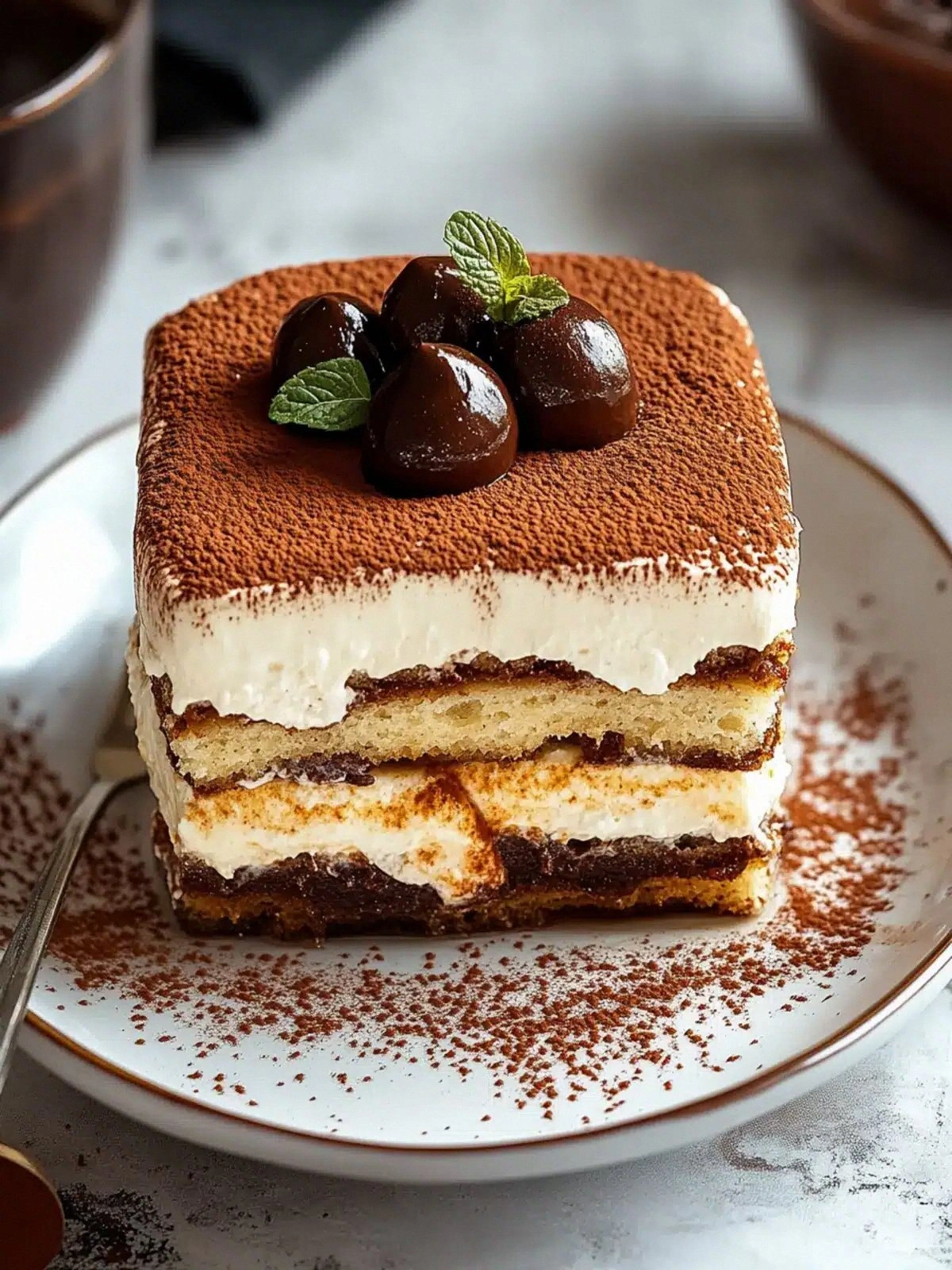
What makes this version stand out is that it’s a single‑bake masterpiece that incorporates caramel and shortbread into the very structure of the cake, so every bite is a layered experience. I’ve eliminated the need for separate ladyfingers, replaced them with a buttery shortbread base, and infused espresso directly into the batter for a punch that’s subtle yet unmistakable. The result is a dessert that feels like a luxurious coffee shop creation, yet it can be made in your own kitchen with pantry staples.
There’s a secret twist you won’t expect: a splash of vinegar in the batter that keeps the cake light and airy, and a drizzle of caramel that turns the top into a glossy waterfall. I dare you to taste this and not go back for seconds. Let me walk you through every single step—by the end, you’ll wonder how you ever made it any other way.
What Makes This Version Stand Out
- Texture: The shortbread base provides a buttery crunch that contrasts with the cake’s airy interior, creating a satisfying mouthfeel that’s far superior to traditional sponge layers.
- Flavor Depth: Espresso is folded into the batter, giving a subtle coffee kick that pairs perfectly with the sweet caramel drizzle.
- Simplicity: No need for separate ladyfingers or complex assembly—everything comes together in one pan.
- Visual Appeal: The caramel waterfall and dusting of cocoa and fleur de sel give the dish a dramatic, Instagram‑ready finish.
- Make‑ahead: Chill in the fridge for 4 hours, and it stays fresh for up to 3 days, making it ideal for parties.
- Ingredient Quality: Using full‑fat mascarpone and double cream ensures a creamy, indulgent experience that’s hard to beat.
- Audience Reaction: Guests are stunned by the layered flavors and often ask for the recipe immediately.
- Health Conscious Twist: The use of cornflour and a small amount of oil keeps the cake moist without excess greasiness.
Inside the Ingredient List
The Flavor Base
At the heart of this tiramisu is a cocoa‑infused batter that carries the espresso’s subtle bitterness. The self‑raising flour and baking powder give the cake its lift, while the cornflour ensures a tender crumb. If you skip the espresso, the dessert loses its signature depth, and the caramel becomes the sole star. For a richer flavor, use dark espresso powder; for a milder taste, opt for instant coffee. Choosing high‑quality cocoa, preferably a 70% cacao, adds a bittersweet nuance that elevates the entire dish.
The Texture Crew
Shortbread biscuits form the crunchy foundation. They’re ground into fine crumbs and mixed with oil to bind, creating a buttery base that holds the cake together. If you can’t find shortbread, digestive biscuits or graham crackers work as a close substitute, though the flavor will shift slightly. The mascarpone layer is the cream of the crop—its silky consistency coats the cake like velvet. Double cream adds body and a subtle sweetness that balances the caramel’s richness. Skipping any of these would result in a less cohesive dessert.
The Unexpected Star
Caramel is the unexpected hero that ties everything together. Whether you use store‑bought Dulce de Leche or melt your own from brown sugar and butter, the caramel adds a glossy, sweet‑salty finish. It also helps keep the cake moist, preventing it from drying out during storage. If you’re looking for a lower‑sugar option, try a light caramel made with honey and a pinch of sea salt. The choice of caramel flavor can transform the dessert from indulgent to sophisticated.
The Final Flourish
Fleur de sel is the finishing touch that brings a pop of salty brightness. A light dusting of cocoa powder on top adds visual elegance and a hint of bitterness. Together, they create a balanced profile that keeps the dessert from feeling overly sweet. If you prefer a milder salt, use flaky sea salt. This final flourish is what turns a good dessert into a memorable one.
Everything's prepped? Good. Let's get into the real action…
The Method — Step by Step
- Preheat the oven to 180 °C (350 °F). Grease a 20 × 30 cm baking dish with a light coating of oil. In a food processor, pulse the shortbread biscuits until they’re fine crumbs. Mix the crumbs with the oil until a cohesive dough forms, then press it firmly into the bottom of the dish, creating a buttery base. Let it set aside while you prepare the batter.
- In a medium bowl, whisk together the self‑raising flour, baking powder, 50 g cocoa powder, cornflour, caster sugar, and a pinch of salt until the mixture is uniform. This dry blend is the skeleton that will carry the flavors. The cornflour keeps the batter silky, preventing it from becoming dense.
- In a separate bowl, combine 200 ml full‑fat milk, 1 tbsp vinegar (or apple cider vinegar), 1 tsp vanilla extract, and 60 ml flavorless oil. The vinegar reacts with the baking powder to lift the batter, while the vanilla deepens the chocolate undertone. Stir until the mixture is smooth and the oil is fully incorporated.
- Pour the wet mixture into the dry ingredients. Stir gently with a spatula until just combined; be careful not to overmix, or the cake will become tough. The batter should be thick but pourable—just the right consistency to cling to the shortbread base. This is the moment where the batter’s texture is decided.
- Transfer the batter to the greased loaf pan, smoothing the top with a spatula. Bake for 25–30 minutes, or until a skewer inserted into the center comes out clean. Watch Out: If you bake too long, the cake will dry and the caramel drizzle will stick to the top, ruining the glossy finish. Keep an eye on the edges; they should pull away slightly when the cake is ready.
- While the cake is baking, prepare the espresso mixture. In a shallow bowl, combine 2 tbsp instant espresso powder with 100 ml hot water. Stir until the powder dissolves completely. Kitchen Hack: Use a fine sieve to ensure no clumps remain; this guarantees a smooth, evenly distributed espresso flavor in the cake.
- Whip 250 g mascarpone with 80 g icing sugar until fluffy. Add half of the 300 ml double cream and whip to soft peaks; fold in the remaining cream. The result is a cloud‑like cream that coats the cake like velvet, holding the caramel drizzle in place. If you’re in a hurry, you can whisk the mascarpone and sugar together in a stand mixer for a few minutes.
- When the cake is done, let it cool for 10 minutes, then drizzle the espresso mixture over the warm surface. Spread the mascarpone mixture evenly, ensuring every inch of the cake is covered. Let the layers set for 20 minutes, allowing the flavors to meld and the texture to firm up.
- Melt 200 g caramel over low heat until silky. Drizzle the caramel over the mascarpone layer, creating a glossy waterfall effect that cascades down the sides. Sprinkle the remaining 30 g cocoa powder and 1 tsp fleur de sel on top for a balanced finish. The caramel adds a sweet, buttery depth, while the fleur de sel provides a subtle, salty counterpoint.
- Chill the tiramis in the fridge for at least 4 hours before serving. This allows the flavors to meld and the texture to firm up, turning the cake into a cohesive dessert. Serve chilled, and watch your guests gasp in delight. I dare you to taste this and not go back for seconds.
That's it — you did it. But hold on, I've got a few more tricks that'll take this to another level.
Insider Tricks for Flawless Results
The Temperature Rule Nobody Follows
Many bakers bake at 190 °C, but that high heat can dry out the cake. I always bake at 180 °C to keep the batter moist while still achieving a golden crust. If your oven runs hot, rotate the pan halfway through for even browning. This small adjustment makes the difference between a dry and a luscious tiramisu.
Why Your Nose Knows Best
Before you open the oven door, give the cake a quick sniff. A faint, sweet chocolate aroma indicates that the espresso has blended properly. If you notice a sharp vinegar scent, it means the batter has been over‑mixed. Trust your nose; it’s the quickest way to spot a potential mishap.
The 5‑Minute Rest That Changes Everything
After removing the cake from the oven, let it rest on the counter for exactly five minutes. This brief pause allows the steam to settle, preventing condensation from dripping onto the caramel and ruining the glossy finish. It also gives the cake a chance to firm up slightly before you drizzle.
Keep the Mascarpone Cool
Mascarpone should be at room temperature before whipping; if it’s too cold, it will split. Gently warm it in a warm water bath for a few minutes, then let it cool to room temperature. This ensures a smooth, airy texture that won’t separate when you spread it.
Use a Fine Sieve for Espresso
Even a single clump of espresso powder can ruin the flavor profile. Sift the instant espresso through a fine sieve before adding it to the batter or the mascarpone mixture. This guarantees an even distribution and a silky finish.
Drizzle While Warm
Caramel should be warm but not scorching when you drizzle it over the cake. If it’s too hot, it will harden on contact, creating a brittle layer. Wait until the caramel cools to a gentle pourable consistency; this ensures a smooth, glossy waterfall.
Creative Twists and Variations
This recipe is a playground. Here are some of my favorite ways to switch things up:
Nutty Nirvana
Add 50 g toasted almond slivers to the shortbread base for a crunchy, nutty crunch. The almonds pair beautifully with the caramel, creating a new layer of texture.
Berry Bliss
Fold in 100 g of fresh blueberries into the mascarpone layer. The berries add a burst of tartness that balances the sweetness of the caramel.
Minty Magic
Replace half the vanilla extract with 1 tsp fresh mint oil. The mint gives a refreshing contrast that lifts the chocolatey base.
Spiced Sensation
Add 1 / 2 tsp ground cinnamon to the batter and a pinch of nutmeg to the mascarpone. The warm spices add depth and make the dessert feel like a cozy winter treat.
Chocolate Ganache Finish
Instead of caramel, drizzle a glossy dark chocolate ganache over the cake. The ganache gives a richer chocolate flavor and a silky finish.
Vegan Version
Swap mascarpone for coconut cream, use plant‑based double cream, and replace caramel with a dairy‑free caramel sauce. The result is a creamy, decadent dessert that’s entirely plant‑based.
Storing and Bringing It Back to Life
Fridge Storage
Store the tiramis in an airtight container at 4 °C for up to 3 days. The shortbread base keeps the cake from becoming soggy, and the mascarpone layer stays firm. When you’re ready to serve, let it sit at room temperature for 10 minutes to soften slightly.
Freezer Friendly
Wrap the tiramis tightly in plastic wrap and place it in a freezer‑safe container. Freeze for up to 2 weeks. When you’re ready to enjoy, thaw overnight in the fridge. The texture may be a little denser, but the flavors remain intact.
Best Reheating Method
To reheat, place the tiramis on a baking sheet and warm at 150 °C (300 °F) for 10 minutes. Add a splash of water to the container before reheating; this steams the dessert back to its original moistness. Avoid microwaving, as it can make the mascarpone curdle.