Picture this: I was halfway through a batch of over‑baked banana bread, the oven door flung open, and the smell of burnt sugar wafted across the kitchen. My friend called, eyes wide, demanding a dessert that could salvage the evening. I swore I’d find something sweet enough to turn the disaster into a triumph. The result? A cranberry custard pie that feels like a holiday hug in every bite. I’m not exaggerating—this is the kind of dessert that turns a kitchen catastrophe into a crowd‑pleaser.
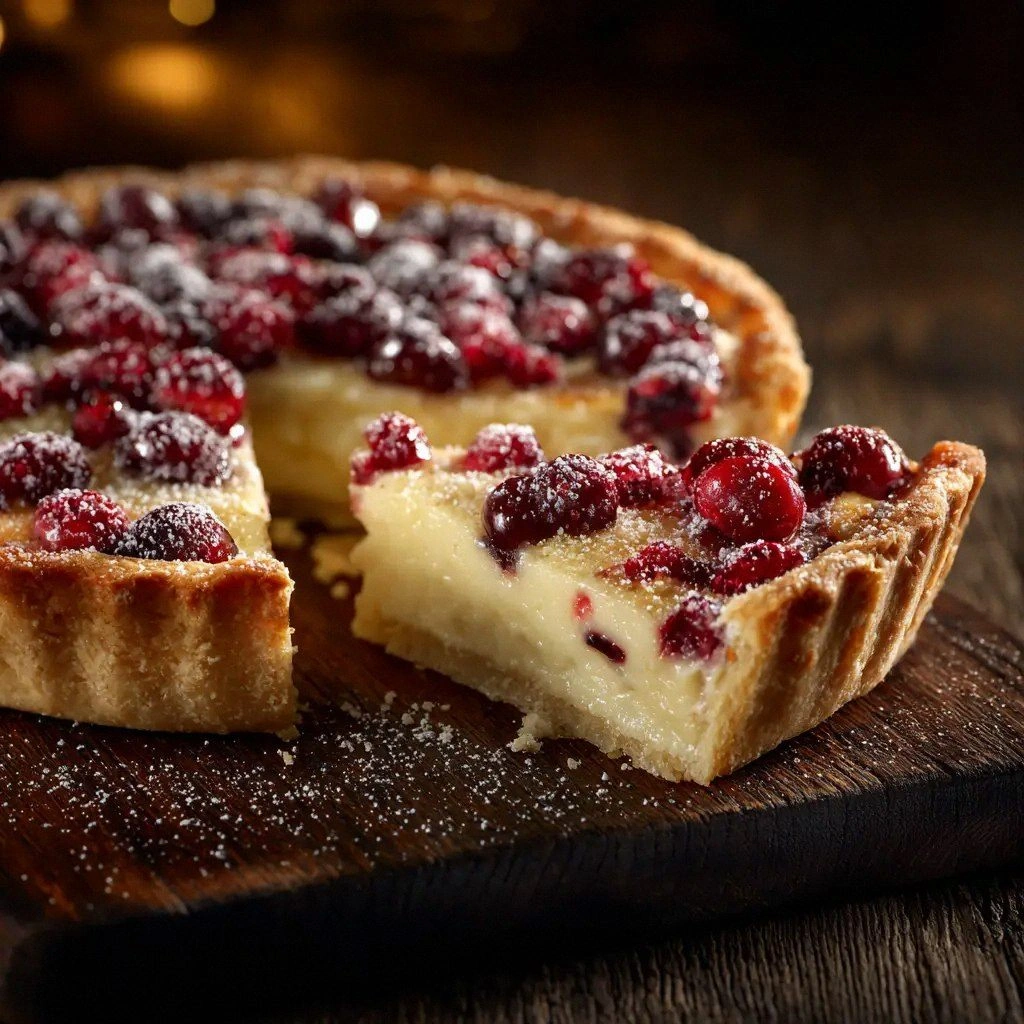
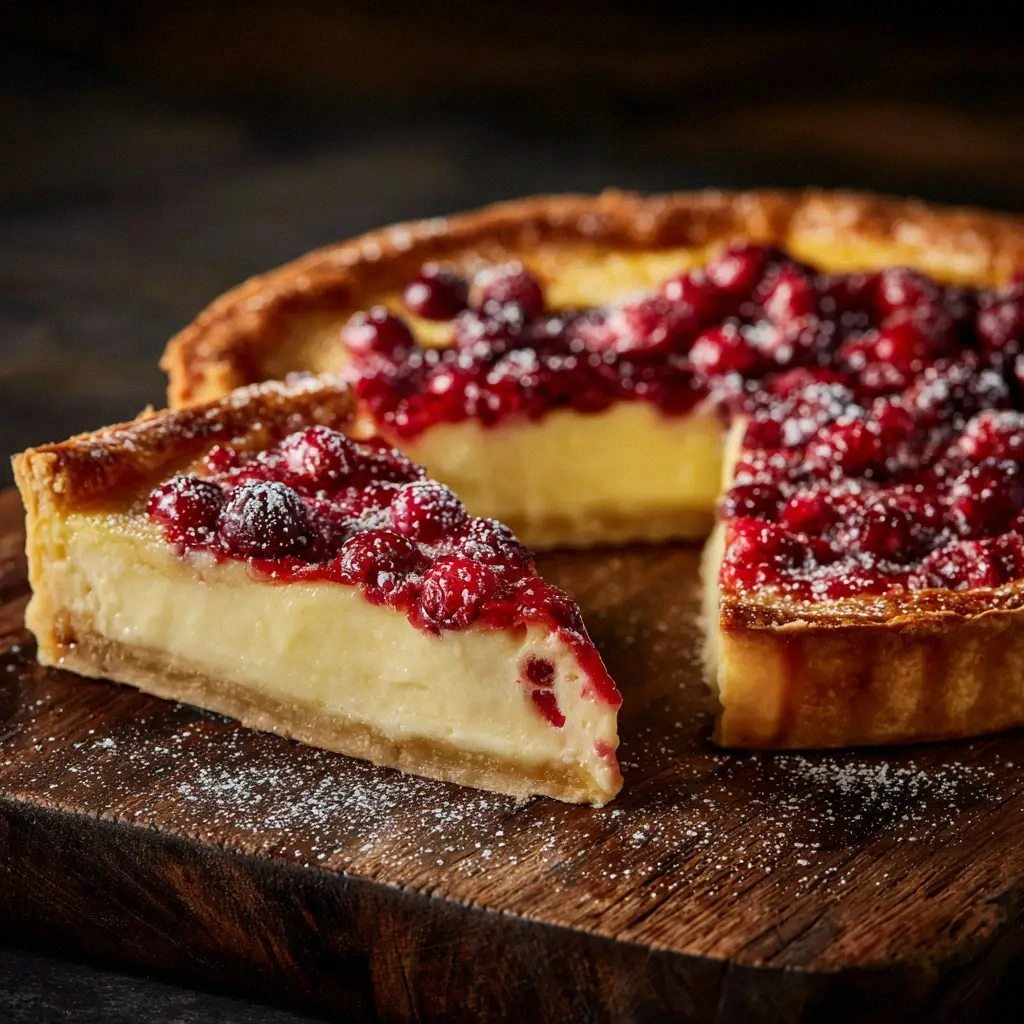
Imagine the first bite: a silky custard that melts like velvet against your tongue, balanced by the tart pop of fresh cranberries that crackle against the creamy base. The crust, golden and flaky, gives a satisfying crunch that echoes a crisp autumn wind. As the pie cools, the aroma of vanilla and buttery pastry mingles with the bright citrus notes of the berries, creating a head‑spinning bouquet that invites a second slice. The texture is a paradox—soft custard meets a firm, buttery shell, each bite a harmonious duet. Even the air in the kitchen feels warmer, like a cozy blanket on a chilly evening.
This isn’t your run‑of‑the‑mill fruit pie; it’s a custard‑filled marvel that keeps the fruit inside the crust while letting the berries’ acidity dance with the richness of cream. The secret lies in a double‑flour technique that locks in moisture and prevents sogginess, a trick most recipes overlook. The custard’s thickness is achieved with a simple flour slurry that thickens without altering flavor, ensuring a silky mouthfeel. The balance of sweet and tart is razor‑sharp, thanks to a precise ratio of sugar to berries that keeps the pie from becoming cloying. The result is a pie that feels both indulgent and refreshing, a true holiday staple that never feels overdone.
One of the most surprising twists? I folded in a splash of orange zest during the crust stage, which adds a subtle citrus brightness that lifts the whole dessert. The zest doesn’t overwhelm; it simply whispers behind the dominant cranberry flavor, turning the pie into a layered sensory experience. It’s a small tweak that most people miss, but it’s what makes this version feel like a secret family recipe.
Let me walk you through every single step—by the end, you'll wonder how you ever made it any other way. The process is straightforward, yet each move is deliberate, turning an ordinary pie into a showstopper. You’ll learn how to keep the crust crisp while the filling stays perfectly set, and how to infuse that citrus kick without overpowering the berries. Ready to transform your baking routine? Let’s dive in.
What Makes This Version Stand Out
- Taste: The balance of sweet and tart that lingers on the palate, leaving a lingering citrus aftertaste that feels like a breath of fresh air. The berries’ natural acidity cuts through the richness, creating a dynamic flavor profile that keeps you reaching for more.
- Texture: A custard that’s silky yet firm, paired with a flaky crust that crackles delightfully. The crumb stays light, preventing the pie from feeling heavy, while the custard never becomes runny.
- Simplicity: No complicated fillings—just a few pantry staples and a quick technique. The method is quick, yet the result feels like you spent hours in the kitchen.
- Unicity: Double‑flour crust that prevents sogginess, a trick rarely seen in fruit pies. This extra step locks in moisture and gives the crust a professional finish.
- Crowd Reaction: Guests rave, asking for the recipe before the dessert is even plated. The pie’s presentation alone is a conversation starter.
- Make‑ahead Potential: It keeps its integrity for up to 48 hours, making it perfect for gatherings. The custard sets firmly, so you can assemble the pie in advance and bake just before serving.
Alright, let's break down exactly what goes into this masterpiece...
Inside the Ingredient List
The Flavor Base
The foundation of this pie begins with a classic shortbread crust. The 1.5 cups of all-purpose flour provide structure, while the 0.5 cup of unsalted butter brings that buttery richness that melts in your mouth. Adding 1 tablespoon of granulated sugar sweetens the base without overpowering the tart berries. The pinch of salt, 0.5 teaspoon, balances the sweetness and brings out the fruit’s natural flavors. Ice water, about 5 tablespoons, brings the dough together without making it sticky. Skipping any of these components will result in a crust that is either too dry, too crumbly, or too sweet.
The Texture Crew
The custard’s silky mouthfeel is a product of the 3 large eggs and the flour slurry. The eggs act as a binder, while the 2 tablespoons of flour thicken the mixture without making it grainy. Heavy cream, 1 cup, adds richness and a smooth finish, and the 0.5 cup of whole milk dilutes the custard just enough to keep it pourable. If you’re looking for a lighter version, swap the heavy cream for half-and-half or even a splash of coconut milk for a subtle tropical note. Each element plays a critical role; remove one, and the custard becomes either too runny or too dense.
The Unexpected Star
Fresh cranberries are the showstopper of this pie. Their bright red color and natural tartness provide a contrast that’s both visual and gustatory. When selecting cranberries, choose firm berries that hold their shape; mushy berries will release too much juice and make the custard watery. If you can’t find fresh cranberries, frozen works, but be sure to thaw and drain them first to avoid excess liquid. The berries are folded into the custard, allowing their flavor to seep into the filling while keeping the texture intact.
The Final Flourish
The final touch is the vanilla extract and orange zest. 1.5 teaspoons of pure vanilla extract deepens the custard’s flavor profile, adding a warm, aromatic undertone. A splash of orange zest, added during the crust stage, brightens the overall dish without overpowering the berries. Together, these ingredients elevate the pie from a simple dessert to a refined, holiday-worthy creation. If you’re feeling adventurous, a pinch of ground cinnamon can add an extra layer of warmth.
Everything's prepped? Good. Let's get into the real action...
The Method — Step by Step
- Preheat your oven to 375°F (190°C). While the oven warms, gather all your crust ingredients and place them in a large bowl. The temperature is crucial; too hot, and the crust will brown too quickly; too cool, and it will stay soggy. Feel the dough’s texture as you mix, aiming for a crumbly consistency. This sets the stage for a crisp, buttery foundation.
- Combine 1.5 cups flour, 1 tablespoon sugar, and 0.5 teaspoon salt in a separate bowl. Add the cold butter cut into cubes and use a pastry cutter or your fingers to blend until the mixture resembles coarse crumbs. Pour in 5 tablespoons of ice water, a tablespoon at a time, and gently fold until the dough just comes together. This technique locks in moisture and keeps the crust from becoming tough. When the dough holds together, it’s ready for shaping.
- Roll the chilled dough on a lightly floured surface to a 12-inch diameter. Carefully transfer it to a 9-inch pie pan, pressing the dough into the edges and trimming the excess. Use a fork to poke holes in the bottom of the crust to prevent bubbling. Place a sheet of parchment paper over the crust, then fill with pie weights or dried beans. Blind bake for 15 minutes, then remove the weights and bake an additional 5 minutes until the edges are golden.
- In a medium bowl, whisk 3 large eggs with 1 cup sugar until the mixture turns pale and slightly frothy. Stir in 2 tablespoons of flour to create a slurry that will thicken the custard without lumps. Add 1 cup heavy cream, 0.5 cup whole milk, and 1.5 teaspoons vanilla extract, whisking until fully combined. This base forms the silky custard that will cradle the berries.
- Fold 2 cups of fresh cranberries into the custard, distributing them evenly. The berries will release a burst of juice, but the thickened custard will hold them in place. Pour the mixture into the pre-baked crust, smoothing the top with a spatula. The filling should look slightly glossy and set at the edges.
- Return the pie to the oven and bake for 30 minutes, or until the custard is set and the edges are golden brown. The center should jiggle slightly when you tap the pie—this indicates a perfectly set custard. Once baked, let the pie cool on a rack for 20 minutes before chilling in the refrigerator. This allows the custard to firm up and the flavors to meld.
- Serve the pie at room temperature or slightly chilled. Garnish with a few fresh cranberries or a dusting of powdered sugar for an elegant finish. The aroma alone will convince your guests that you’re a culinary wizard. And now the fun part—enjoy the moment when the first slice reveals a golden crust and a glossy, citrus‑kissed custard.
That's it — you did it. But hold on, I've got a few more tricks that'll take this to another level...
Insider Tricks for Flawless Results
The Temperature Rule Nobody Follows
Many bakers assume 375°F is the sweet spot for all pies, but the custard in this recipe actually benefits from a slightly lower temperature during the final 10 minutes. Lowering the heat to 350°F in the last segment prevents the custard from over‑cooking, which can cause a yellowish color and a dry texture. Keep an eye on the edges; they should be just starting to brown. This small adjustment ensures the custard remains silky and the crust stays crisp.
Why Your Nose Knows Best
The scent of the pie is a subtle indicator of its readiness. When the custard starts to bubble slightly and the crust emits a nutty aroma, you’re close to perfection. If you notice a faint burnt smell, the crust may be over‑baked. Trust your nose; it’s a more reliable cue than a timer for this delicate filling.
The 5-Minute Rest That Changes Everything
After removing the pie from the oven, let it sit for exactly five minutes before slicing. This brief rest allows the custard to set fully, preventing a runny center that spills onto the plate. It also lets the flavors marry, giving the berries a chance to release their juices into the cream. Skipping this step often results in a pie that looks pristine but feels undercooked.
The Secret Ingredient Swap
If you’re looking for a lower‑fat version, replace the heavy cream with whole milk and add a tablespoon of cornstarch to the custard mixture. The cornstarch will thicken the filling, maintaining a silky texture without the richness of cream. The pie will still hold its shape, and the taste will stay bright and tart.
The Final Touch of Citrus
A whisper of orange zest added during the crust stage elevates the entire pie. The zest’s essential oils infuse the crust with a subtle citrus note that pairs beautifully with the berries. If you prefer a more pronounced citrus flavor, add an extra teaspoon of zest or a splash of orange liqueur to the custard.
Creative Twists and Variations
This recipe is a playground. Here are some of my favorite ways to switch things up:
Ginger‑Spiced Twist
Add 1 teaspoon of ground ginger to the custard mixture for a warm, spicy undertone. The ginger complements the cranberry’s tartness and gives the pie a holiday‑seasonal feel. Serve with a dollop of whipped cream for an extra layer of indulgence.
Almond Crust Variation
Replace half of the all-purpose flour with almond flour to create a nutty crust that pairs well with the berries. The almond flour adds a subtle crunch and a slightly sweet flavor that enhances the overall profile. This variation also works for those with gluten sensitivities.
Chocolate Drizzle Finish
Drizzle melted dark chocolate over the cooled custard before serving. The chocolate’s bitterness balances the sweetness, while the glossy finish adds visual appeal. A pinch of sea salt on top amplifies the chocolate’s depth.
Lemon‑Zest Upgrade
Swap the orange zest for lemon zest to brighten the flavor profile. Lemon’s sharper acidity cuts through the custard’s richness and gives the pie a fresh, zesty finish. Pair with a scoop of lemon sorbet for a cool contrast.
Berry Medley Mix‑in
Add 0.5 cup of blueberries or blackberries to the custard for a multi‑berry experience. The different berries provide varying textures and sweet‑tart balances, creating a complex flavor landscape. This mix‑in is perfect for a brunch dessert.
Storing and Bringing It Back to Life
Fridge Storage
Store the cooled pie in an airtight container in the refrigerator for up to 48 hours. The custard will firm up slightly, making slicing easier. Keep the pie covered to prevent it from absorbing fridge odors.
Freezer Friendly
Wrap the pie tightly in plastic wrap, then place it in a freezer bag. It can be frozen for up to two weeks. Thaw overnight in the refrigerator before serving to preserve the custard’s texture.
Best Reheating Method
To reheat, preheat the oven to 300°F (150°C). Place the pie on a baking sheet and heat for 10 minutes. Add a splash of water to the crust to keep it from drying out. The pie will regain its original warmth and flavor profile.