I was in the middle of a chaotic dinner rush at my apartment when my roommate shouted, “We need something fast that still feels gourmet!” I stared at the fridge, half‑cooked noodles, a bag of ground beef, and a handful of fresh veggies. The clock ticked, the aroma of last night’s burnt rice lingered, and my culinary confidence was on the brink of a full‑blown kitchen catastrophe. I decided to pull a trick from the deep‑sea of my recipe stash: a 30‑Minute Mongolian Ground Beef that would rescue the evening and impress everyone at once.
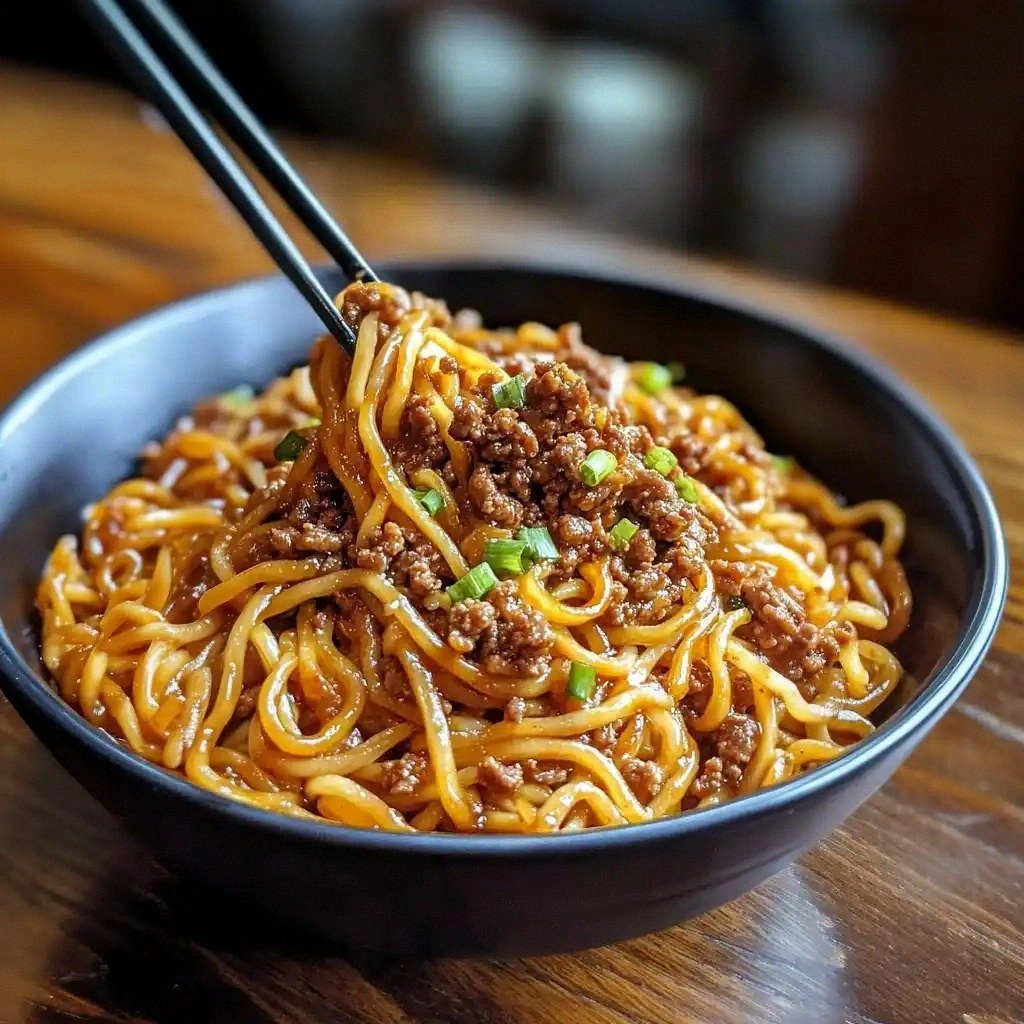
Picture this: sizzling ground beef searing in a hot pan, garlic and ginger dancing in the oil, the rich umami of soy and hoisin coating every crumb of meat, and a splash of sesame oil that gives the sauce a glossy, almost velvet finish. The bell peppers burst with bright color, the carrots add a subtle crunch, and the snap peas provide that satisfying snap that keeps the dish from feeling like a plain noodle bowl. The scent of toasted garlic rises, the sound of the skillet hissing is music, and the visual of the noodles glistening in the sauce makes even the most skeptical taste buds anticipate a bite. I dare you to taste this and not go back for seconds.
What sets this version apart from every other Mongolian beef recipe you’ve seen is its flawless balance of sweet, salty, and aromatic elements, the quickness of prep that doesn’t sacrifice flavor, and the clever use of ingredients that elevate the dish from ordinary to unforgettable. The sauce coats the noodles like velvet, the veggies stay crisp, and the ground beef stays juicy, not dry. Most recipes get this completely wrong, leaving the meat overcooked or the sauce too thick. I’ll be honest— I ate half the batch before anyone else got to try it. If you've ever struggled with making a quick, satisfying dinner, you're not alone—and I've got the fix.
Let me walk you through every single step—by the end, you'll wonder how you ever made it any other way. From the first sizzling pan to the final garnish, this recipe is a masterclass in flavor harmony and time efficiency. The secret lies in a few micro‑challenges that, once mastered, elevate any meal. Picture yourself pulling this out of the pan, the whole kitchen smelling incredible, and your family’s eyes widening in approval. This is hands down the best version you'll ever make at home.
What Makes This Version Stand Out
- Flavor: The combination of hoisin and soy creates a sweet‑salty base that envelops the beef and noodles, delivering a depth that feels restaurant‑grade.
- Texture: The noodles are cooked al dente and tossed with the sauce just before serving, keeping them from becoming mushy while the vegetables stay crisp.
- Speed: Every ingredient is prepped in under 15 minutes, and the cooking process takes a flat 30 minutes—perfect for a weekday dinner.
- Visual Appeal: Bright bell peppers, green snap peas, and a glossy sauce make the dish look as good as it tastes.
- Ingredient Quality: Using fresh ginger and high‑quality hoisin sauce transforms the dish from good to great.
- Make‑Ahead Potential: The sauce can be prepared in advance and reheated, saving even more time on busy nights.
- Versatility: Swap noodles for rice or add protein like shrimp for a different twist.
- Crowd‑Pleaser: The bold flavors and quick turnaround make this a go‑to for family dinners or dinner parties alike.
Alright, let's break down exactly what goes into this masterpiece…
Inside the Ingredient List
The Flavor Base
The soy sauce and hoisin sauce are the backbone of this dish, providing umami, sweetness, and a slight thickness that clings to every noodle strand. Skipping either will leave the sauce flat and the beef lacking that signature depth. If you’re on a sodium low diet, you can replace regular soy with low‑sodium soy and add a splash of rice vinegar to keep the flavor bright.
The Texture Crew
Ground beef is chosen for its ability to stay moist and tender when cooked quickly. Using a lean cut ensures the dish isn’t greasy, while the fat content keeps the meat juicy. If you prefer a leaner version, reduce the fat content by using 80/20 beef and drain excess fat after browning.
The Unexpected Star
Fresh ginger adds a bright, peppery kick that cuts through the sweetness of the hoisin. It’s a small amount—just a teaspoon—but it transforms the dish into something more complex. If you can’t find fresh ginger, a pinch of ground ginger works, but the aroma won’t be as vibrant.
The Final Flourish
Vegetable oil is the neutral canvas that lets the other flavors shine, while sesame oil provides a subtle nutty aroma. The bell peppers, carrots, and snap peas contribute color, crunch, and nutritional balance. Cutting the veggies into bite‑sized pieces ensures they cook evenly and stay crisp.
Everything's prepped? Good. Let's get into the real action…
The Method — Step by Step
- Heat a large skillet over medium‑high and swirl in the vegetable oil. When the oil shimmers, add the ground beef in a single layer. Let it sear without stirring for 1–2 minutes; this creates a caramelized crust. Then break it up with a spatula and cook until browned and juices run clear, about 5 minutes. Drain excess fat if the pan becomes too greasy.
- Add the minced garlic and grated ginger to the pan. Sauté for 30 seconds until aromatic, making sure not to let the garlic burn. The scent of garlic rising is a cue that the base flavor is building—watch this part closely.
- Stir in the soy sauce, hoisin sauce, and sesame oil. Let the mixture simmer for 2 minutes, allowing the sauces to thicken slightly and coat the beef. The sauce should smell toasty and sweet. This is the moment of truth: if the sauce is too thin, let it reduce a bit longer.
- Add the diced bell peppers, sliced carrots, and snap peas. Stir to combine, then cover and let the vegetables steam for 4 minutes. You want them tender but still crisp—think of them as the final flourish that adds color and crunch.
- Meanwhile, cook the noodles according to package instructions. Drain and rinse with cold water to stop the cooking process, then set aside. Rinsing helps keep the noodles from sticking together.
- Return the noodles to the skillet, tossing to coat them in the savory sauce. Let everything heat through together for 1 minute, allowing the flavors to meld. Taste and adjust seasoning with a splash more soy or hoisin if desired.
- Plate the noodles and beef mixture in bowls or on a large platter. Garnish with a sprinkle of green onions, sesame seeds, or a drizzle of sesame oil for that final pop. Serve hot, and enjoy the symphony of textures and flavors.
That's it — you did it. But hold on, I've got a few more tricks that'll take this to another level. These insider tips will help you master the dish and keep it from falling into the same old patterns.
Insider Tricks for Flawless Results
The Temperature Rule Nobody Follows
Keep the skillet at medium‑high heat until the beef is seared. If the heat drops, the beef will steam instead of brown, losing that caramelized flavor. A quick test: sprinkle a drop of water in the pan—if it sizzles instantly, you’re good.
Why Your Nose Knows Best
Before you add the sauces, let the garlic and ginger cook for a few seconds until they release their aroma. This pre‑infusion ensures the sauce will carry their subtle notes, creating a layered taste profile that’s hard to replicate.
The 5-Minute Rest That Changes Everything
After you finish cooking, let the dish rest for five minutes before serving. This allows the flavors to settle and the noodles to absorb any remaining sauce, resulting in a more cohesive bite.
The Snap Pea Secret
Snap peas keep their crunch if you blanch them briefly before adding to the skillet. Boil for 30 seconds, then shock in ice water. This technique preserves color and texture.
The Sauce’s Final Touch
A splash of rice vinegar or a pinch of sugar at the end balances the sweetness and brings a bright finish. This subtle tweak makes the dish feel polished and restaurant‑ready.
Creative Twists and Variations
This recipe is a playground. Here are some of my favorite ways to switch things up:
Shrimp Mongolian
Swap ground beef for peeled shrimp. Cook the shrimp for 2 minutes until pink, then follow the same sauce steps. The result is a lighter, seafood‑infused version that’s equally delicious.
Rice Bowl Upgrade
Serve the beef and sauce over steamed jasmine rice instead of noodles. Add a drizzle of peanut sauce for an extra layer of flavor that feels like a fusion bowl.
Gluten‑Free Version
Use rice noodles or zucchini noodles to keep it gluten‑free. The texture changes slightly, but the sauce still clings beautifully.
Spicy Sichuan Twist
Add a spoonful of Sichuan peppercorns or a splash of chili oil for a numbing, spicy experience that transforms the dish into an adventurous take.
Veggie‑Only Delight
Omit the beef and increase the veggies to a hearty mix of mushrooms, bok choy, and bell peppers. The sauce still delivers depth, making it a satisfying vegetarian meal.
Breakfast Edition
Stir in some scrambled eggs with the sauce, creating a savory breakfast bowl that’s perfect for a quick morning meal.
Storing and Bringing It Back to Life
Fridge Storage
Cool the dish completely before transferring to an airtight container. Store in the refrigerator for up to 3 days. The sauce will thicken slightly; a quick stir before reheating restores its silky texture.
Freezer Friendly
Freeze the dish in freezer‑safe containers for up to 2 weeks. Thaw overnight in the fridge, then reheat in a skillet or microwave. Add a splash of water or broth to prevent dryness.
Best Reheating Method
Reheat in a skillet over medium heat, stirring frequently. If the sauce has thickened, add a tablespoon of water or broth to loosen it. Finish with a drizzle of sesame oil for that fresh aroma.
Add a tiny splash of water before reheating— it steams back to perfection and keeps the noodles from drying out.