
Seared Tuna
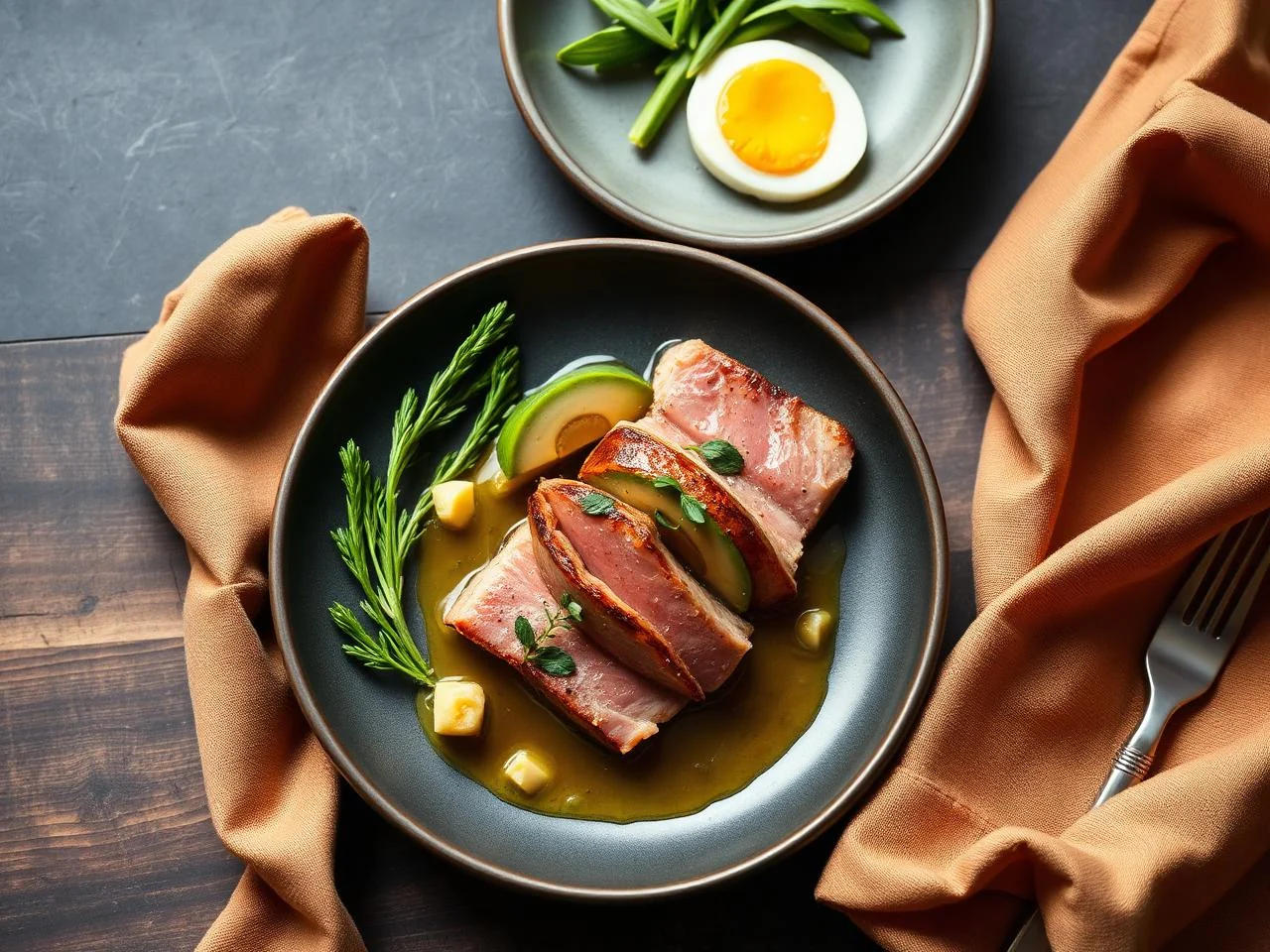
I still remember the first time I had seared tuna at a restaurant. The combination of the crispy crust on the outside and the tender, juicy flesh on the inside was love at first bite. As a home cook, I was determined to replicate this dish in my own kitchen. After some trial and error, I finally perfected my seared tuna recipe, and I'm excited to share it with you.
This recipe is perfect for anyone looking for a low-carb, keto-friendly dinner option that's both flavorful and easy to make. The best part is that it can be ready in under 30 minutes, making it a great choice for a weeknight dinner.
As a home cook, I believe that the key to a great seared tuna dish is using high-quality ingredients and paying attention to the cooking technique. In this recipe, we'll be using fresh tuna steaks, which are rich in protein and low in carbs. We'll also be adding some flavorful ingredients like garlic, ginger, and soy sauce to give the dish a boost of flavor.
One of the things I love about this recipe is that it's very versatile. You can serve the seared tuna with a variety of sides, such as roasted vegetables, cauliflower rice, or a simple green salad. You can also customize the recipe to your taste by adding your favorite spices or herbs.
In the following sections, I'll be sharing my tips and techniques for making the perfect seared tuna dish. From the importance of using fresh ingredients to the technique of achieving a crispy crust, I'll cover everything you need to know to make this recipe a success.
Why You’ll Love This Recipe
- This recipe is easy to make and can be ready in under 30 minutes.
- It's a low-carb, keto-friendly dinner option that's perfect for a weeknight dinner.
- The combination of crispy crust and tender flesh is a game-changer for tuna lovers.
- You can customize the recipe to your taste by adding your favorite spices or herbs.
- It's a versatile dish that can be served with a variety of sides, such as roasted vegetables or a simple green salad.
- The recipe uses fresh, high-quality ingredients that are rich in protein and low in carbs.
- It's a great way to get your daily dose of omega-3 fatty acids and other essential nutrients.
Why This Recipe Works
The key to a great seared tuna dish is the combination of high heat and the right cooking technique. By cooking the tuna in a hot skillet with some oil, we can achieve a crispy crust on the outside while keeping the inside tender and juicy. The garlic and ginger add a depth of flavor to the dish, while the soy sauce provides a salty, umami taste.
Another important factor is the type of tuna we use. Fresh tuna steaks are essential for this recipe, as they have a better texture and flavor than frozen or canned tuna. Look for tuna steaks that are sashimi-grade, as they will be fresher and of higher quality.
The cooking time is also crucial in this recipe. We want to cook the tuna for a short amount of time on each side, so that it remains rare in the center. This will ensure that the tuna stays juicy and tender, rather than becoming dry and overcooked.
Finally, the resting time is important to allow the tuna to retain its juices and flavor. By letting the tuna rest for a few minutes before serving, we can ensure that it stays moist and delicious.
Ingredients You’ll Need
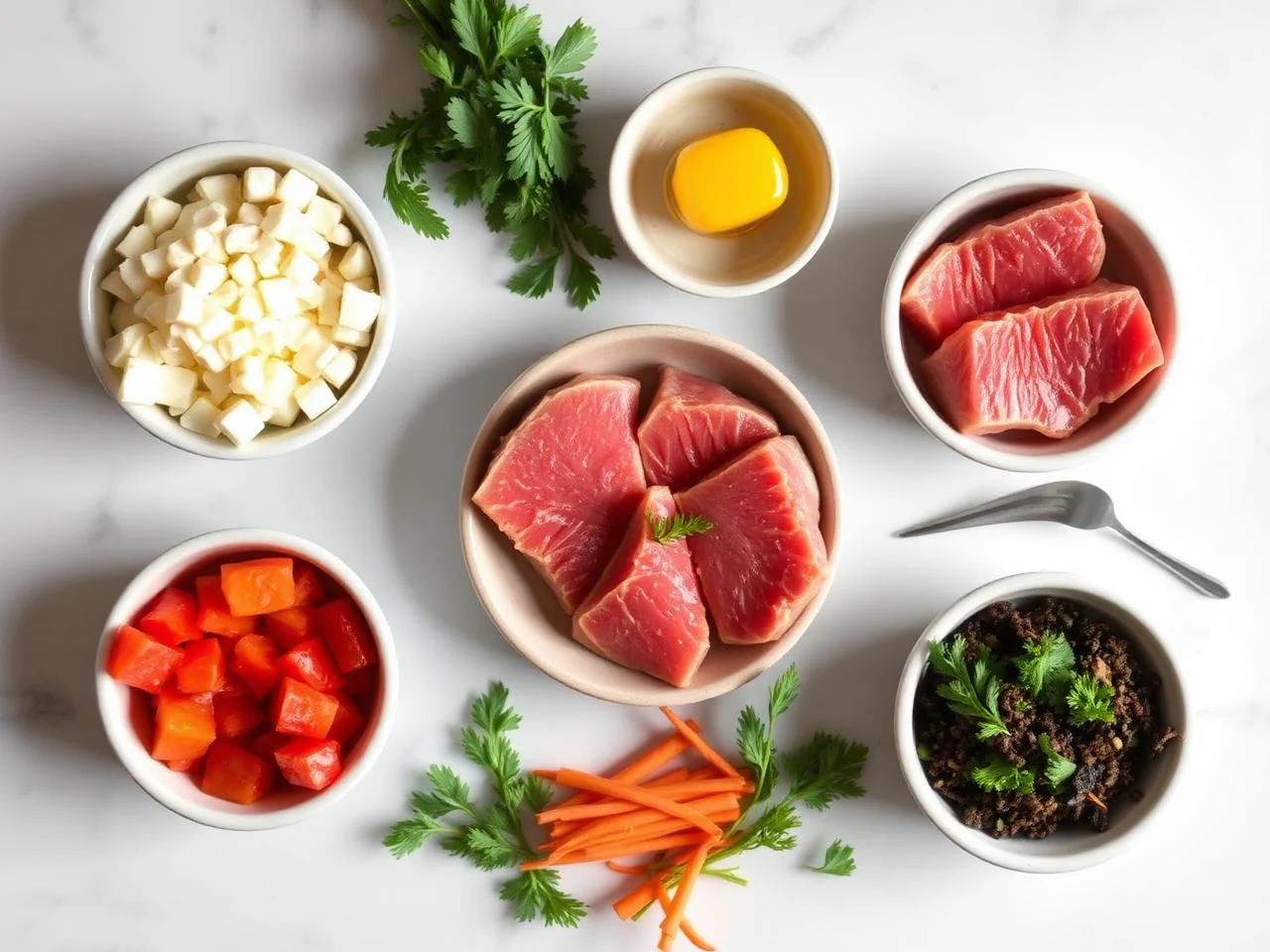
For this recipe, you'll need a few simple ingredients that are easily accessible at most grocery stores. The key is to use fresh, high-quality ingredients that will provide the best flavor and texture. Look for sashimi-grade tuna steaks, fresh garlic and ginger, and high-quality soy sauce.
In addition to the tuna, you'll need some oil for cooking, as well as some salt and pepper for seasoning. You can also add some optional ingredients, such as sesame oil or chopped green onions, to give the dish a bit more flavor and texture.
- 4 tuna steaks (6 oz each)Look for sashimi-grade tuna steaks that are fresh and of high quality. You can also use other types of tuna, such as yellowfin or albacore, but sashimi-grade is best for this recipe.
- 2 tbsp olive oilUse a high-quality olive oil that has a mild flavor and a high smoke point. This will help to prevent the oil from burning or smoking during cooking.
- 2 cloves garlic, mincedUse fresh garlic for the best flavor. You can also use garlic powder or garlic salt as a substitute, but fresh garlic is preferred.
- 1-inch piece of ginger, gratedUse fresh ginger for the best flavor. You can also use ground ginger as a substitute, but fresh ginger is preferred.
- 2 tbsp soy sauceUse a high-quality soy sauce that is low in sodium and has a rich, savory flavor. You can also use tamari or coconut aminos as a substitute.
- 1 tsp sesame oilUse a high-quality sesame oil that has a mild flavor and a high smoke point. This will help to add a nutty flavor to the dish without overpowering the other ingredients.
- 1/4 cup chopped green onionsUse fresh green onions for the best flavor. You can also use scallions or shallots as a substitute.
- Salt and pepper to tasteUse a high-quality salt and pepper that has a mild flavor and a fine texture. You can also use other seasonings, such as paprika or garlic powder, to add more flavor to the dish.
- 1/4 cup grated daikon radishUse a fresh daikon radish for the best flavor. You can also use other types of radish, such as red radish or watermelon radish, as a substitute.
- 2 lemons, cut into wedgesUse fresh lemons for the best flavor. You can also use other types of citrus, such as limes or oranges, as a substitute.
Equipment You’ll Need
How to Make Seared Tuna
- 1Preheat the skillet or wok over high heat until it reaches 400 F (200 C).
- 2Season the tuna steaks with salt and pepper on both sides.
- 3Add the olive oil to the preheated skillet and swirl it around to coat the bottom.
- 4Place the tuna steaks in the skillet and sear for 2-3 minutes on each side, or until they reach an internal temperature of 145 F (63 C).
- 5Use an instant-read thermometer to check the internal temperature of the tuna.
- 6Remove the tuna from the skillet and place it on a plate to rest.
- 7Reduce the heat to medium and add the minced garlic and grated ginger to the skillet.
- 8Cook the garlic and ginger for 1-2 minutes, or until they are fragrant and slightly caramelized.
- 9Add the soy sauce and sesame oil to the skillet and stir to combine.
- 10Bring the sauce to a simmer and cook for 2-3 minutes, or until it has thickened slightly.
- 11Stir in the chopped green onions and grated daikon radish.
- 12Serve the tuna steaks with the sauce spooned over the top and a squeeze of fresh lemon juice.
- 13Garnish with additional green onions and daikon radish, if desired.
Expert Tips
- Make sure to use fresh, high-quality ingredients for the best flavor and texture.
- Don't overcook the tuna, as it can become dry and tough.
- Use a thermometer to ensure the tuna reaches a safe internal temperature.
- Don't overcrowd the skillet, as this can lower the temperature and affect the cooking time.
- Let the tuna rest for a few minutes before serving to allow it to retain its juices and flavor.
- Experiment with different seasonings and sauces to find your favorite flavor combination.
- Consider serving the tuna with a side of roasted vegetables or a simple green salad for a well-rounded meal.
- If you're having trouble getting the tuna to sear properly, try increasing the heat or using a different type of oil.
Common Mistakes to Avoid
- Overcooking the tuna, which can make it dry and tough.
- Not using a thermometer to ensure the tuna reaches a safe internal temperature.
- Overcrowding the skillet, which can lower the temperature and affect the cooking time.
- Not letting the tuna rest before serving, which can cause it to lose its juices and flavor.
- Using low-quality ingredients, which can affect the flavor and texture of the dish.
- Not experimenting with different seasonings and sauces to find your favorite flavor combination.
Variations and Substitutions
- Try using different types of tuna, such as yellowfin or albacore, for a different flavor and texture.
- Add some diced vegetables, such as bell peppers or onions, to the skillet with the garlic and ginger.
- Use different types of oil, such as avocado oil or coconut oil, for a unique flavor and texture.
- Add some heat to the dish by incorporating diced jalapenos or red pepper flakes.
- Try serving the tuna with a side of cauliflower rice or roasted broccoli for a low-carb option.
- Experiment with different seasonings and sauces, such as soy sauce or teriyaki sauce, to find your favorite flavor combination.
- Consider adding some nuts or seeds, such as sesame seeds or chopped almonds, to the dish for added crunch and flavor.
What to Serve With Seared Tuna
This seared tuna dish is perfect for serving with a variety of sides, such as roasted vegetables or a simple green salad. You can also consider serving it with a side of cauliflower rice or roasted broccoli for a low-carb option.
Some other ideas for serving the tuna include pairing it with a side of quinoa or brown rice, or serving it with a side of steamed asparagus or green beans.
Make-Ahead, Storage, Freezing and Reheating
This seared tuna dish can be stored in the refrigerator for up to 24 hours. Simply place the tuna in an airtight container and refrigerate until ready to serve.
You can also consider freezing the tuna for up to 3 months. Simply place the tuna in a freezer-safe bag or container and freeze until ready to serve.
When reheating the tuna, make sure to heat it to an internal temperature of 145 F (63 C) to ensure food safety.
Some tips for reheating the tuna include using a low heat and stirring frequently to prevent burning or overcooking. You can also consider adding a bit of oil or sauce to the tuna to help keep it moist and flavorful.
Frequently Asked Questions
What type of tuna is best for this recipe?
Sashimi-grade tuna is best for this recipe, as it has a better texture and flavor than other types of tuna.
How do I know if the tuna is cooked to a safe internal temperature?
Use an instant-read thermometer to check the internal temperature of the tuna. It should reach 145 F (63 C) for food safety.
Can I use other types of oil for this recipe?
Yes, you can use other types of oil, such as avocado oil or coconut oil, for a unique flavor and texture.
How do I prevent the tuna from sticking to the skillet?
Make sure to heat the skillet properly before adding the tuna, and use a small amount of oil to prevent sticking.
Can I serve the tuna with a side of rice or quinoa?
Yes, you can serve the tuna with a side of rice or quinoa, but keep in mind that it will add carbs to the dish.
How do I store the tuna after cooking?
You can store the tuna in the refrigerator for up to 24 hours, or freeze it for up to 3 months.
Can I reheat the tuna in the microwave?
Yes, you can reheat the tuna in the microwave, but make sure to heat it to an internal temperature of 145 F (63 C) for food safety.
What are some variations I can try with this recipe?
Some variations you can try include using different types of tuna, adding diced vegetables to the skillet, or using different types of oil or seasonings.
Ingredients
- 4 tuna steaks (6 oz each)
- 2 tbsp olive oil
- 2 cloves garlic, minced
- 1-inch piece of ginger, grated
- 2 tbsp soy sauce
- 1 tsp sesame oil
- 1/4 cup chopped green onions
- Salt and pepper to taste
- 1/4 cup grated daikon radish
- 2 lemons, cut into wedges
Instructions
- Preheat the skillet or wok over high heat until it reaches 400 F (200 C).
- Season the tuna steaks with salt and pepper on both sides.
- Add the olive oil to the preheated skillet and swirl it around to coat the bottom.
- Place the tuna steaks in the skillet and sear for 2-3 minutes on each side, or until they reach an internal temperature of 145 F (63 C).
- Use an instant-read thermometer to check the internal temperature of the tuna.
- Remove the tuna from the skillet and place it on a plate to rest.
- Reduce the heat to medium and add the minced garlic and grated ginger to the skillet.
- Cook the garlic and ginger for 1-2 minutes, or until they are fragrant and slightly caramelized.
- Add the soy sauce and sesame oil to the skillet and stir to combine.
- Bring the sauce to a simmer and cook for 2-3 minutes, or until it has thickened slightly.
- Stir in the chopped green onions and grated daikon radish.
- Serve the tuna steaks with the sauce spooned over the top and a squeeze of fresh lemon juice.
- Garnish with additional green onions and daikon radish, if desired.