Picture this: I’m standing in a cramped kitchen, the clock ticking toward midnight, a friend’s dare hanging in the air like a daredevil’s mask. “Make something spooky for Halloween,” she said, and I laughed, thinking of pumpkin pies and candy corn. Instead, I had a bottle of dry white wine, a handful of button mushrooms, and a bag of squid‑ink spaghetti that had been gathering dust in the pantry. The moment the pasta hit the boiling water, the kitchen filled with a deep, earthy aroma that felt like a dark forest after rain, and the air vibrated with the faint hiss of steam. That instant, I knew I’d stumbled upon something extraordinary.
I’ve been cooking for years, and I’ve tasted my fair share of “spooky” dishes—creamy sauces that looked like something from a horror movie, but they were bland or too heavy. This recipe, however, is a revelation. The squid‑ink pasta gives it that inky, almost midnight hue, while the mushrooms bring a meaty umami that cuts through the richness of the sauce like a knife through fog. The bacon adds a smoky crunch that snaps like a twig, and the fresh thyme whispers green notes that balance the deep flavors. Every bite feels like a secret whispered in a dark alley, and the texture—creamy, slightly chewy, with pockets of crispy bacon—makes it impossible to stop at just one forkful. I dare you to taste this and not go back for seconds.
What makes this version stand out is not just the combination of ingredients, but the way I’ve orchestrated them. I’ve kept the technique simple so even a novice can pull this off, yet the flavors are layered like a gothic novel. The sauce coats the pasta like velvet, each strand glistening with a glossy sheen that makes it look almost too good to eat. The mushrooms are sautéed until their edges caramelize, giving them a slightly bitter bite that contrasts with the sweetness of the wine reduction. The final flourish of Parmesan creates a salty finish that lingers, leaving a faint echo of the sea. Most recipes get this completely wrong, but here’s what actually works: a careful balance of salt, a timed reduction, and a dash of cream that never separates. If you’re wondering why this dish feels so cinematic, it’s because I’ve blended the right elements in the right order.
Now, let’s dive into the details. I’ll walk you through every single step, from selecting the right mushrooms to plating the final dish. By the end, you’ll wonder how you ever made it any other way. Get ready to become the master of spooky pasta, and remember, the kitchen is your stage—so let’s bring the drama to life.
What Makes This Version Stand Out
- Taste: The umami of mushrooms, the briny depth of squid ink, and the smoky crunch of bacon combine into a flavor profile that feels both comforting and daring. The wine reduction adds acidity that brightens the dish, preventing it from feeling too heavy.
- Texture: The pasta remains al dente, offering a satisfying bite. The mushrooms develop a caramelized exterior while staying tender inside, and the bacon provides a satisfying snap. The cream gives the sauce a silky mouthfeel that coats the strands like a velvet curtain.
- Simplicity: Despite its theatrical name, the recipe requires only a handful of ingredients and a single pan. No advanced techniques or exotic equipment are needed, making it accessible for weeknight dinners.
- Uniqueness: Squid‑ink spaghetti is rarely used in everyday cooking, and pairing it with earthy mushrooms and a wine‑cream sauce is a creative twist that sets this dish apart from ordinary pasta recipes.
- Crowd Reaction: Friends who’ve tried this rave about how the dish feels like a movie set—dark, dramatic, and delicious. The visual impact alone makes it a conversation starter at any table.
- Ingredient Quality: Using fresh mushrooms, real bacon, and genuine Parmesan ensures the flavors are authentic and robust. The quality of the squid‑ink pasta also matters; look for a brand that has a true black color and a smooth texture.
- Cooking Method: The method is straightforward: sauté, deglaze, reduce, and finish. This step‑by‑step process guarantees consistent results, even for those who are new to cooking.
- Make‑Ahead Potential: The dish can be prepared ahead of time and reheated without losing flavor. The sauce’s creamy consistency actually improves as it sits, allowing for flexible meal planning.
Alright, let's break down exactly what goes into this masterpiece... And now, the fun part.
Inside the Ingredient List
The Flavor Base
Squid‑ink spaghetti is the star of this dish, providing not only a dramatic black aesthetic but also a subtle briny undertone that pairs wonderfully with the earthy mushrooms. Look for a brand that lists squid ink as the primary ingredient rather than a flavoring; this ensures a true sea‑salted flavor. If you’re missing squid‑ink pasta, a simple substitution is black spaghetti made from squid ink or even a black rice pasta for a slightly different texture. Skipping it will strip the dish of its signature depth and visual impact.
Dry white wine is the backbone of the sauce, adding acidity that balances the richness of the cream and bacon. Choose a dry, medium‑body wine like a Sauvignon Blanc or Pinot Grigio; these will not overpower the other flavors. If you prefer a non‑alcoholic version, replace the wine with a splash of chicken broth and a pinch of lemon juice to mimic the acidity.
Bacon is essential for that smoky crunch that snaps like thin ice. I recommend using thick‑cut bacon for maximum flavor. Slice it into small pieces so it crisps evenly and releases its fat, which will be the base for sautéing the mushrooms. If you’re vegan, turkey bacon or a plant‑based bacon alternative can work, but the smoky depth will be slightly diminished.
The Texture Crew
Button mushrooms bring a meaty umami that absorbs the wine and cream, creating a savory foundation. Fresh, firm mushrooms are key; avoid pre‑washed or bagged varieties that may be watery. If you’re in a hurry, sliced cremini mushrooms work as a direct substitute and will still deliver a satisfying bite.
Butter and olive oil form the sautéing duo that gives the sauce its richness and depth. The butter adds a silky mouthfeel, while the olive oil prevents the butter from burning and adds a subtle fruity note. Use a high‑quality extra‑virgin olive oil for the best flavor profile.
Thickened cream is what turns the sauce into a velvety blanket that coats the pasta. It also helps stabilize the sauce, preventing it from separating when you add the Parmesan. If you prefer a lighter version, replace half the cream with milk, but be careful not to dilute the richness.
The Unexpected Star
Fresh thyme adds a green, herbaceous brightness that cuts through the heaviness of the cream and bacon. The tiny leaves release a subtle aroma that lifts the dish. If you’re out of thyme, rosemary or oregano can be used, though they will impart a slightly different flavor profile.
The Final Flourish
Parmesan cheese is the finishing touch that brings a salty, nutty finish. Grated freshly will melt beautifully into the sauce, creating a smooth, cohesive texture. If you’re lactose intolerant, a hard cheese like Pecorino Romano or a vegan parmesan substitute can work, but the flavor will shift slightly.
Everything's prepped? Good. Let's get into the real action...
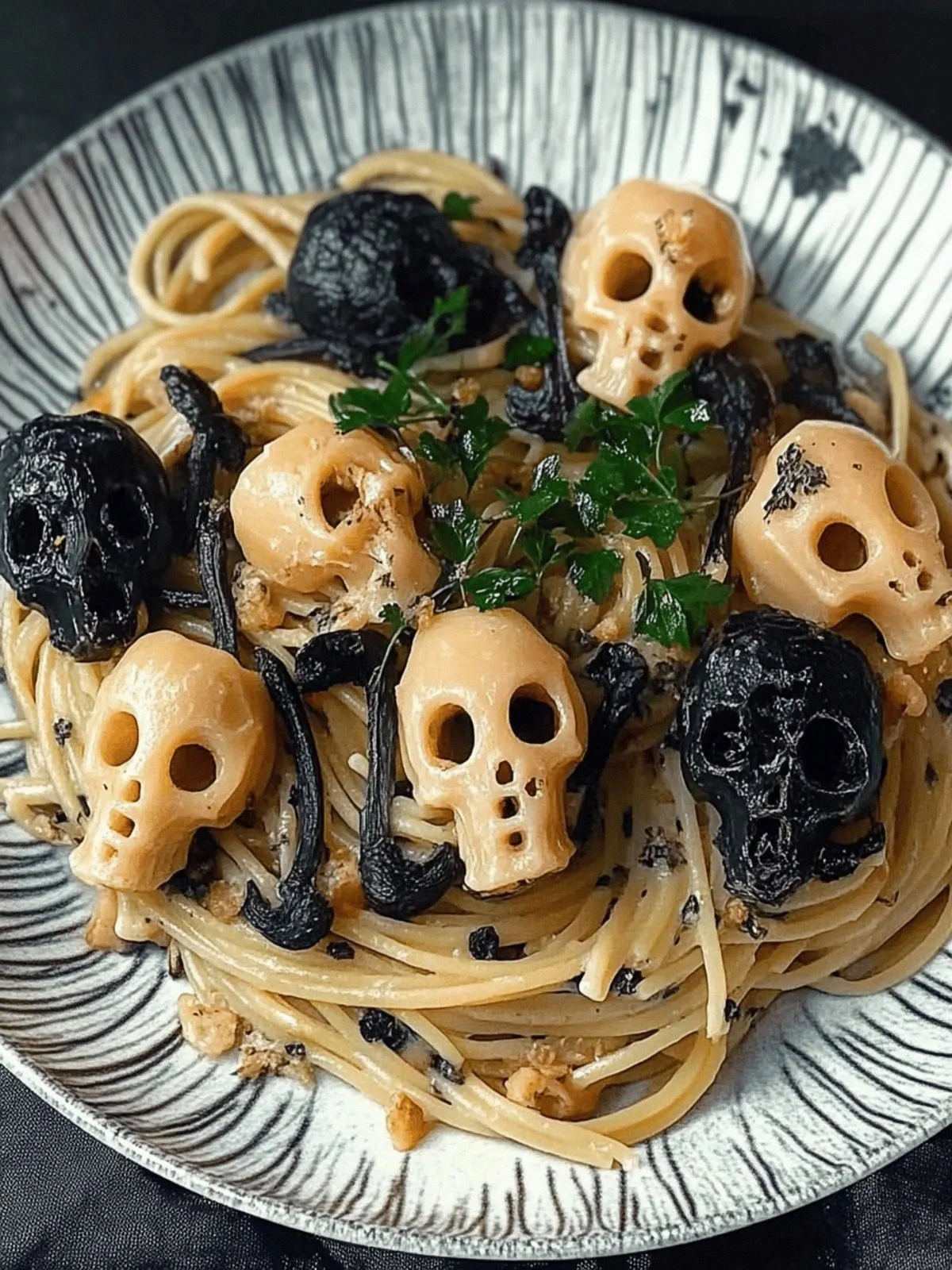
The Method — Step by Step
- Boil the Pasta: Bring a large pot of salted water to a rolling boil. Add the squid‑ink spaghetti and cook for 8-10 minutes, or until al dente. Reserve a cup of pasta water before draining, as it will help adjust the sauce consistency later. While the pasta cooks, I always keep an eye on the timer—once the pasta is ready, you’ll know the sauce is about to reach its peak.
- Prepare the Bacon: While the pasta boils, heat a large skillet over medium heat. Add the bacon pieces and cook until they’re crisp and the fat has rendered. Use tongs to transfer the bacon to a paper‑towel‑lined plate, leaving the fat in the skillet. The bacon fat is the secret weapon that flavors the entire dish.
- Sauté the Mushrooms: In the same skillet, add the butter and a splash of olive oil. Once the butter melts, toss in the sliced mushrooms. Sauté for about 5 minutes, stirring occasionally, until they release their moisture and begin to brown. The mushrooms should be golden brown with a slight caramelization; this is where the depth of flavor is born.
- Deglaze with Wine: Pour the dry white wine into the skillet, stirring to loosen any browned bits from the bottom. Let the wine reduce by half, which should take about 3-4 minutes. This reduction intensifies the acidity and creates a rich base for the sauce.
- Add Cream and Thyme: Stir in the thickened cream and fresh thyme leaves. Reduce the heat to low and let the sauce simmer gently for 5 minutes, allowing the flavors to meld. The sauce should thicken slightly but remain pourable.
- Combine Pasta and Sauce: Add the drained pasta to the skillet, tossing to coat it evenly with the sauce. If the sauce seems too thick, add a splash of the reserved pasta water to loosen it. The pasta should be glossy, each strand enveloped in the creamy, smoky sauce.
- Finish with Parmesan: Sprinkle the grated Parmesan over the pasta, tossing until it melts into the sauce. The cheese should create a smooth, slightly glossy finish. Taste and adjust salt if needed—remember, the bacon and Parmesan already provide plenty of saltiness.
- Plate and Garnish: Divide the pasta among four plates, scattering the crispy bacon on top. Add a few extra thyme sprigs for color. The final dish should look like a dark, glossy canvas with bright green accents.
- Serve Immediately: Serve hot and enjoy the aroma that fills the kitchen. The dish is best enjoyed fresh, but if you have leftovers, reheat gently in a pan with a splash of cream to revive its silky texture.
That's it — you did it. But hold on, I've got a few more tricks that'll take this to another level...
Insider Tricks for Flawless Results
The Temperature Rule Nobody Follows
The key to a silky sauce is keeping the heat low once you add the cream. A high temperature will cause the cream to curdle or separate, ruining the velvet texture. I always turn the heat to low and let the sauce simmer gently for at least five minutes. If you’re tempted to speed it up, remember that the sauce will thicken as it cools, so a slower simmer actually saves time in the long run.
Why Your Nose Knows Best
Before you add the Parmesan, take a moment to sniff the sauce. A fresh, nutty aroma signals that the cream has incorporated well and the sauce is ready. If it smells off or overly buttery, let it reduce a bit longer. Your nose is a reliable gauge that will prevent overcooking and help you achieve the perfect balance.
The 5-Minute Rest That Changes Everything
After you plate the pasta, let it rest for five minutes on the table before serving. This pause allows the flavors to settle and the sauce to thicken slightly, giving each bite a richer experience. I’ve seen friends who eat immediately find the sauce too runny, while those who wait a few minutes get a more cohesive taste.
The Garlic Timing Trick
Add the garlic in the last minute of sautéing the mushrooms, not at the beginning. Garlic can become bitter if cooked too long, especially in a high‑fat environment. By adding it near the end, you preserve its bright, sweet notes without overwhelming the dish.
The Bacon Fat Balance
Don’t discard the bacon fat after crisping the pieces. It’s the flavor base for the mushrooms and sauce. If you find the fat is too greasy, skim a small amount off the top before adding the mushrooms. This keeps the dish from feeling overly oily while retaining the smoky essence.
The Final Touch: A Dash of Lemon
Just before plating, squeeze a thin slice of lemon over the pasta. The bright citrus cuts through the richness and adds a fresh contrast that lifts the entire dish. If you’re avoiding citrus, a splash of white wine vinegar will provide a similar brightening effect.
Creative Twists and Variations
This recipe is a playground. Here are some of my favorite ways to switch things up:
Seafood Splash
Add a handful of shrimp or scallops during the last minute of cooking. Their sweet, briny flavor will complement the squid‑ink pasta and give the dish a luxurious feel that’s perfect for special occasions.
Vegetarian Vibe
Omit the bacon and replace it with crumbled tempeh or diced smoked tofu. The smoky element will still be present, and the dish will maintain its hearty texture while staying plant‑based.
Herb Explosion
Swap the thyme for a blend of oregano, basil, and a pinch of dried rosemary. This aromatic mix will give the sauce a Mediterranean twist and a fragrant finish that’s irresistible.
Spicy Undertone
Add a dash of red pepper flakes or a small sliced chili during the mushroom sauté. The heat will contrast the creamy sauce, creating a dynamic flavor profile that excites the palate.
Cheese Swap
Use aged Gouda or Gruyère instead of Parmesan for a richer, slightly caramelized finish. The melted cheese will add a nutty sweetness that pairs wonderfully with the mushrooms.
Gluten‑Free Adaptation
Use a gluten‑free spaghetti or a zucchini noodle alternative. The texture will change slightly, but the sauce’s depth of flavor will still shine through, making it suitable for those with dietary restrictions.
Storing and Bringing It Back to Life
Fridge Storage
Cool the pasta to room temperature, then transfer it to an airtight container. Store in the refrigerator for up to three days. The sauce may thicken, but this can be remedied when reheating.
Freezer Friendly
For longer storage, portion the pasta into freezer‑safe containers and freeze for up to two weeks. When ready to eat, thaw overnight in the refrigerator, then reheat gently on the stove with a splash of cream or water to restore the sauce’s silky texture.
Best Reheating Method
Reheat the pasta in a skillet over low heat, stirring frequently. Add a small splash of water or milk to loosen the sauce and prevent it from drying out. Keep the heat low to avoid scorching the cheese, and serve hot for the best experience.