There’s a particular kitchen moment that forever rewrote my relationship with quick, crowd‑pleasing dinners. I was standing over a sizzling pan, a bag of pre‑cut bell peppers, a bottle of soy sauce, and a strip of flank steak that had just arrived from the market. My roommate, ever the skeptic, dared me to create a stir‑fry that could stand beside the restaurant‑grade sauces that had haunted my taste buds for years. I laughed, shrugged, and turned on the stove. That night, the aroma that filled the apartment was a bold, sweet‑savory promise that would soon become a staple at our dinner table.
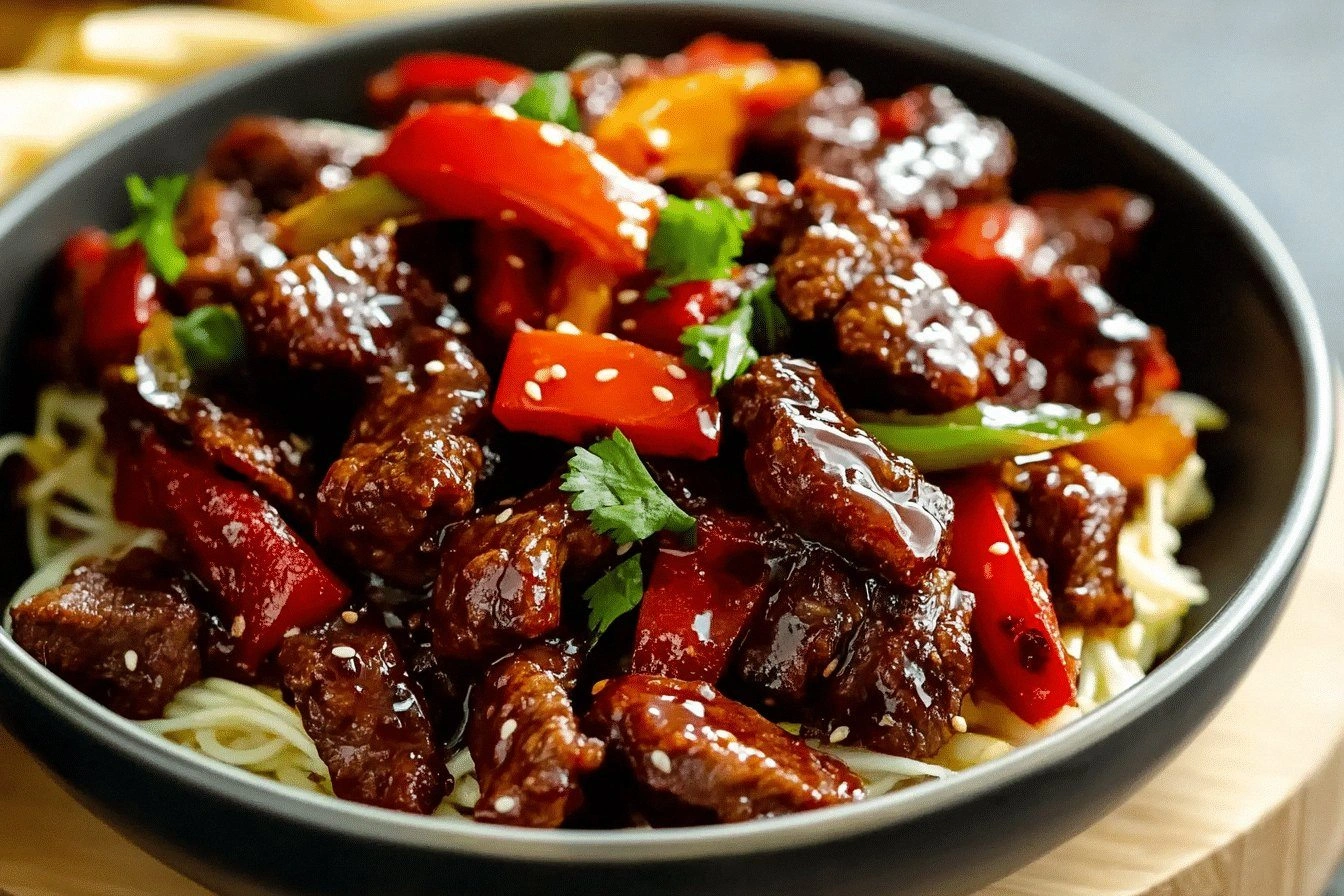
The first thing that struck me was the visual explosion: bright red, yellow, and green peppers arranged like a painter’s palette, the beef strips shimmering as they hit the hot pan, and a glossy sheen forming as the sauce thickened. The sound was a satisfying hiss that echoed the anticipation of a caramelized crust forming on the meat. The smell—an aromatic blend of garlic, soy, and a hint of honey—was an invitation that made every second of the cooking process feel like a performance. When the final spoonful hit the plate, the sticky glaze clung to the beef like velvet, and the peppers retained a crisp bite that shattered like thin ice. It was a symphony of textures and flavors that made the dish feel both indulgent and wholesome.
What makes this recipe a revelation is not just the flavor profile, but the meticulous balance of ingredients that work together like a well‑tuned orchestra. The sauce, a marriage of hoisin, soy, rice vinegar, honey, and sesame oil, creates a sticky coat that glazes the beef and peppers, while the cornstarch thickens it into a glossy, clingy glaze that doesn’t run off the plate. The beef is thinly sliced for quick searing, preserving its tenderness and allowing the sauce to penetrate every fiber. The bell peppers add color, crunch, and a subtle sweetness that cuts through the richness of the sauce. The result is a dish that feels both comforting and adventurous, with a finish that lingers on the palate.
I dare you to taste this and not go back for seconds. If you’ve ever struggled to find a balance between sweet and savory in a stir‑fry, you’re not alone—and this version is hands down the best you’ll ever make at home. Picture yourself pulling this out of the pan, the whole kitchen smelling incredible, and the family’s eyes lighting up as they dig in. Stay with me here—this is worth it. Let me walk you through every single step, and by the end, you’ll wonder how you ever made it any other way.
What Makes This Version Stand Out
- Taste: The sauce layers sweet, salty, and umami notes, creating a depth that feels like a gourmet restaurant experience yet is made in minutes.
- Texture: The beef stays tender and the peppers remain crisp, thanks to the precise timing of the sear and the use of cornstarch for a glossy, clingy glaze.
- Simplicity: All ingredients are pantry staples, and the method requires only one pan, so cleanup is a breeze.
- Uniqueness: The combination of hoisin and sesame oil gives the sauce a smoky, nutty undertone that sets it apart from standard sweet‑and‑sour stir‑fries.
- Crowd Reaction: Friends who taste it are often left in awe, with many asking for the recipe the next time they’re home.
- Ingredient Quality: Using fresh, thinly sliced beef and vibrant peppers ensures the dish is packed with flavor and nutrition.
- Cooking Method: The high‑heat sear locks in juices, and the quick stir‑fry keeps the vegetables from turning mushy.
- Make‑Ahead Potential: The sauce can be pre‑mixed, and the dish reheats beautifully, making it ideal for meal prep.
Alright, let’s break down exactly what goes into this masterpiece…
Inside the Ingredient List
The Flavor Base
Soy sauce is the backbone of this dish, offering a salty umami depth that balances the sweetness from honey and hoisin. If you skip it, the sauce will lack that savory punch and feel flat. For a low‑sodium version, replace it with a splash of tamari, but keep the ratio to avoid over‑salting.
The Texture Crew
Cornstarch is the unsung hero that turns a watery sauce into a glossy, clingy glaze. Mix it with a little cold water before adding it to the pan; this prevents clumps and ensures an even coating. If you prefer a thicker sauce, double the amount; for a lighter glaze, reduce it by half.
The Unexpected Star
Hoisin sauce brings a sweet, slightly smoky flavor that elevates the dish beyond ordinary stir‑fry. It also gives the sauce its characteristic color and richness. If hoisin isn’t available, a mix of peanut butter and a splash of soy sauce can mimic its texture, but the flavor will differ slightly.
The Final Flourish
Sesame oil adds a warm, nutty aroma that ties all the flavors together. Use toasted sesame oil for a more intense flavor, but start with a small amount to avoid overpowering the dish. Green onions finish the dish with a fresh, mild onion note and a pop of color.
Everything’s prepped? Good. Let’s get into the real action…
The Method — Step by Step
- Heat a large wok or skillet over high heat until it starts to smoke slightly. Add 1 tablespoon of sesame oil and swirl to coat the surface. The oil should shimmer but not burn; this step locks in flavors and creates a non‑stick surface. Watch the pan carefully—any sudden flare can ruin the oil’s delicate aroma.
- Add the sliced beef in a single layer, letting it sear undisturbed for 30–45 seconds. Flip once, and cook for another 30 seconds until the edges are caramelized. The beef should be browned on the outside but still pink inside to keep it tender. This quick sear is what gives the dish its signature snap.
- Push the beef to one side of the pan and add the minced garlic to the empty space. Sauté for 15–20 seconds until fragrant, being careful not to let it burn. The garlic infuses the oil with a deep, aromatic base that carries through the sauce.
- Introduce the bell peppers, starting with the thicker green and yellow slices, then the red. Stir-fry for 2–3 minutes until they’re tender but still crisp. The peppers should still hold their bright colors; overcooking will dull them and make the dish look flat.
- In a small bowl, whisk together 1/4 cup soy sauce, 1/4 cup hoisin sauce, 2 tablespoons rice vinegar, 2 tablespoons honey, and 1 tablespoon sesame oil. This mixture should be smooth; if you notice clumps, whisk vigorously or strain to remove any solids.
- Pour the sauce over the beef and peppers, stirring to coat everything evenly. Allow it to simmer for 1–2 minutes, letting the flavors meld and the sauce start to thicken. The aroma at this point should be intoxicating—sweet, salty, and slightly smoky.
- Whisk 2 tablespoons of cornstarch with 2 tablespoons of cold water to create a slurry. Slowly pour this into the pan while stirring constantly. The sauce should instantly thicken and become glossy. If it’s still runny, give it another minute or add a bit more slurry.
- Add the chopped green onions, give everything one final toss, and remove the pan from heat. The dish should look glossy, with a sticky coating that clings to each piece of beef and pepper. Let it rest for a minute; the sauce will set and become even more luscious.
- Serve immediately over steamed jasmine or brown rice, or toss with cooked noodles if you prefer. The rice soaks up the sticky sauce, turning every bite into a flavor explosion.
- If you’re making ahead, store the cooked dish in an airtight container in the refrigerator for up to 3 days. Reheat gently in a pan or microwave, adding a splash of water to loosen the sauce, and finish with a drizzle of sesame oil.
That's it—you did it. But hold on, I've got a few more tricks that'll take this to another level…
Insider Tricks for Flawless Results
The Temperature Rule Nobody Follows
Many cooks lower the heat too soon, causing the sauce to boil and lose its glossy sheen. Keep the heat high until the cornstarch slurry thickens, then lower it just enough to keep the sauce simmering without burning. This subtle control ensures a silky finish that clings to every bite.
Why Your Nose Knows Best
A good stir‑fry is a sensory journey. If the aroma is overwhelmingly sweet, add a splash of soy sauce. If it’s too salty, a touch more honey will balance it. Trust your nose; it’s the most reliable flavor detector you’ll ever have in the kitchen.
The 5‑Minute Rest That Changes Everything
Letting the dish rest for a minute after cooking allows the sauce to set, creating a thicker glaze that won’t run off the plate. It also lets the flavors meld, turning a good dish into a great one. This simple pause is the secret sauce of many professional kitchens.
Use the Right Pan
A wide, heavy‑bottomed skillet or wok distributes heat evenly, preventing hotspots that can burn the sauce. A non‑stick surface is optional but can make cleanup easier. If you’re using a stainless steel pan, preheat it well before adding oil to avoid sticking.
Keep the Peppers Crisp
Add peppers in stages: start with the thicker ones and finish with the thinner slices. This ensures each variety retains its crunch and color. Overcooking peppers not only changes the texture but also dulls the vibrant visual appeal of the dish.
Finish with a Burst of Freshness
A sprinkle of fresh cilantro or a squeeze of lime can brighten the dish and cut through the richness of the sauce. Add it just before serving to preserve the bright flavors and add a new dimension to the overall taste.
Creative Twists and Variations
This recipe is a playground. Here are some of my favorite ways to switch things up:
Spicy Sriracha Kick
Add a tablespoon of sriracha to the sauce for a fiery twist that pairs wonderfully with the sweet glaze. The heat balances the sweetness, creating a bold flavor profile that’s sure to excite.
Thai Peanut Fusion
Replace hoisin sauce with creamy peanut butter and add a splash of lime juice. Toss in a handful of chopped peanuts for crunch and a distinctly Thai flavor that transforms the dish.
Vegetarian Version
Swap the beef for firm tofu or tempeh, marinating it in the same sauce before stir‑frying. The tofu absorbs the glaze beautifully, making a hearty plant‑based main course.
Low‑Carb Alternative
Use cauliflower rice instead of regular rice to keep the dish low in carbs. The cauliflower will absorb the sauce, adding texture without compromising flavor.
Asian Fusion Noodles
Serve the beef and peppers over cooked soba or rice noodles for a satisfying, noodle‑filled version. The noodles soak up the sticky sauce, turning each strand into a flavor-packed bite.
Breakfast Kick‑Starter
Add a few scrambled eggs to the pan after the sauce thickens. The eggs soak up the glaze, creating a savory, protein‑rich breakfast that’s perfect for brunch or a hearty morning meal.
Storing and Bringing It Back to Life
Fridge Storage
Transfer the cooked dish to an airtight container and refrigerate for up to 3 days. Keep the sauce separate if you prefer a fresher texture, but the glaze will thicken slightly when chilled.
Freezer Friendly
Freeze portions in freezer‑safe containers for up to 2 months. Thaw overnight in the refrigerator before reheating to maintain the sauce’s texture. Add a splash of water or broth to loosen the glaze before warming.
Best Reheating Method
Reheat gently on low heat, stirring frequently, and add a tablespoon of water or broth to restore the sauce’s glossy consistency. Avoid high heat, which can cause the sauce to separate. Serve immediately for the best flavor.
Add a tiny splash of water before reheating — it steams back to perfection, keeping the sauce silky and the beef tender. This trick is essential for maintaining the dish’s signature texture after storage.