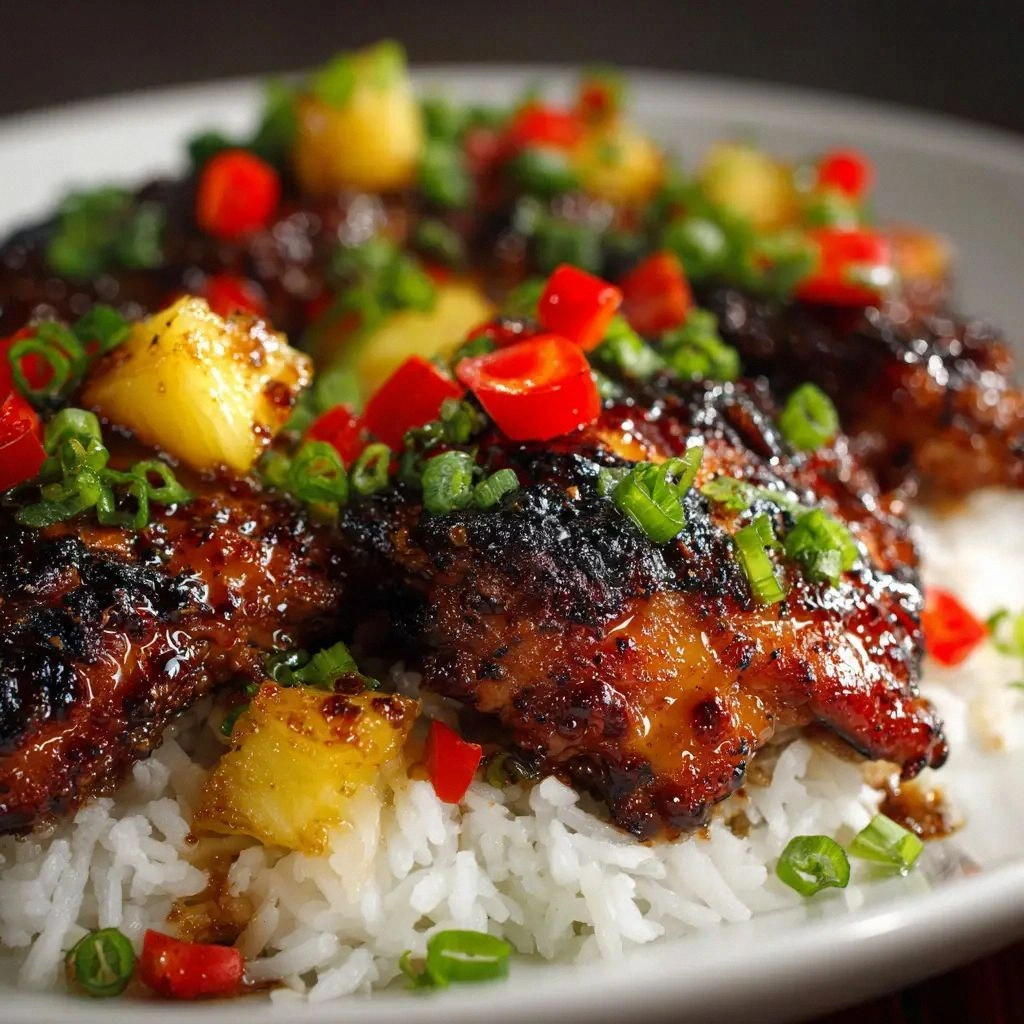
I was halfway through a dinner party, flipping a stack of chicken thighs on the grill, when the kitchen clock struck 7:02 p.m. The heat was blazing, the aroma of sizzling meat danced through the air, and my guests’ eyes were fixed on the grill. Suddenly, a rogue splash of pineapple juice hit the hot metal, splattering like glitter across the surface. The moment it hit, the scent of sweet fruit mingled with savory soy, and I knew something extraordinary was about to happen. That was the genesis of the ultimate Huli Huli Chicken—my new secret weapon for any gathering.
Picture this: a glossy, caramelized glaze coating each thigh, the edges crisping to a golden‑brown perfection that crackles when you bite into it, and a burst of tropical sweetness that lingers on the tongue. The sound of the sizzling sauce, the aroma of ginger and garlic, the sight of the glossy sheen—every sensory cue screams “delicious.” It’s not just another grilled chicken; it’s a flavor explosion that turns ordinary dinner into a fiesta. I swear, if you’ve ever tried a bland chicken dish, this one will rewrite your expectations forever.
What makes this version stand out is that it balances sweetness and umami in a way that feels both comforting and adventurous. I’ve tweaked the sauce to hold its own against the grill’s heat, ensuring the chicken stays moist while the glaze caramelizes beautifully. The use of pineapple juice instead of pineapple chunks keeps the sauce smooth and allows the flavors to meld into a single, irresistible coating. And because I use fresh ginger and garlic, the dish has a bright, aromatic kick that cuts through the richness.
I dare you to taste this and not go back for seconds. That’s the kind of confidence I have in this recipe. The sauce clings like velvet to the meat, the edges crisp like thin ice, and the finish is a sweet, savory symphony that lingers. Most recipes get this completely wrong by over‑sugaring or under‑seasoning, but here every component plays its part like a well‑orchestrated band. Picture yourself pulling this out of the oven, the whole kitchen smelling incredible, and your guests asking for the recipe. Let me walk you through every single step—by the end, you’ll wonder how you ever made it any other way.
What Makes This Version Stand Out
- Taste: The sauce balances sweet pineapple with savory soy, creating a complex flavor profile that’s both tropical and comforting. It coats the chicken like a glossy glaze, ensuring every bite is juicy and flavorful. The sweetness is never overpowering; it simply elevates the natural richness of the meat.
- Texture: The glaze caramelizes to a slightly crisp finish while the interior remains tender and moist. The chicken’s skin crisps up beautifully, offering a satisfying crunch that contrasts with the succulent interior. This dual texture makes each bite memorable.
- Simplicity: With only eight ingredients, this recipe is a breeze to assemble, even for novice cooks. The steps are straightforward, and the sauce can be made ahead or in bulk without fuss. You’ll spend more time enjoying the meal and less time fussing over it.
- Uniqueness: The use of fresh ginger and garlic in the sauce gives it a bright, aromatic punch that sets it apart from standard marinades. The pineapple juice provides natural sweetness and acidity, creating a balanced glaze that doesn’t rely on artificial sweeteners.
- Crowd Reaction: Guests rave about the glossy finish and the burst of tropical flavor. It’s a showstopper that turns a simple dinner into an event. The dish invites conversation and compliments alike.
- Ingredient Quality: Choosing boneless, skinless chicken thighs ensures the meat stays juicy and tender. The low‑sodium soy sauce keeps the dish balanced, while the brown sugar adds depth without excess sweetness.
- Cooking Method: Grilling imparts a smoky char that complements the sweet glaze, while an oven finish locks in moisture. This method is versatile—adapt it to your grill or stovetop as needed.
- Make‑Ahead Potential: The sauce can be prepared a day in advance, letting the flavors meld. Store the chicken thighs separately and reheat them quickly to maintain the glaze’s sheen.
Inside the Ingredient List
The Flavor Base
Pineapple juice is the heart of the glaze, providing natural sweetness and acidity that balances the soy sauce. It also acts as a tenderizer, breaking down proteins for a more succulent bite. If you’re missing pineapple juice, coconut water can be a decent substitute, though it will alter the flavor slightly. When selecting pineapple juice, choose one that’s unsweetened and free from added sugars to keep the glaze from becoming syrupy.
The Texture Crew
Brown sugar adds depth and caramelization, turning the glaze into a glossy, sticky coating. The amount is crucial; too little and the sauce will be thin, too much and it’ll clump. If you prefer a lighter glaze, swap brown sugar for honey or maple syrup, but reduce the quantity by a quarter to maintain balance. The sugar’s molasses content gives the glaze its characteristic amber hue.
The Unexpected Star
Fresh ginger and garlic bring a bright, aromatic kick that cuts through the sweetness. They’re essential for that authentic Huli Huli flavor. If you’re allergic or simply don’t have fresh ginger, a teaspoon of ground ginger works, but the aroma will be less vibrant. Mince garlic finely to ensure it blends seamlessly into the sauce.
The Final Flourish
Rice vinegar adds a subtle tang that brightens the glaze and balances the richness. It also helps to keep the sauce from becoming too thick. Use a small amount—one tablespoon is sufficient—to avoid overpowering the other flavors. If you don’t have rice vinegar, a splash of white wine vinegar will work as a quick substitute.
Everything’s prepped? Good. Let’s get into the real action.
The Method — Step by Step
- Start by patting the chicken thighs dry with paper towels. Removing excess moisture ensures the glaze adheres better and prevents steam from forming on the grill. This step is crucial for a crisp exterior. If you’re in a hurry, a quick pat with a clean cloth works just as well.
- In a medium bowl, combine the pineapple juice, soy sauce, brown sugar, ketchup, grated ginger, minced garlic, and rice vinegar. Whisk until the sugar dissolves completely. The sauce should have a thick but pourable consistency—like a light syrup.
- Divide the sauce in half. Reserve one portion for marinating the chicken and the other for basting during grilling. The reserved portion will be used to create that glossy finish that makes this dish stand out.
- Place the chicken thighs in a shallow dish and pour the reserved sauce over them. Turn to coat each piece evenly. Cover the dish with plastic wrap and refrigerate for at least 30 minutes—ideally 2 hours—to let the flavors penetrate the meat.
- Preheat your grill or grill pan to medium‑high heat, about 400°F (204°C). Lightly oil the grates or pan to prevent sticking. A clean, well‑oiled surface ensures even cooking and a beautiful char.
- Remove the chicken from the refrigerator and let it sit at room temperature for 10 minutes. This step helps the meat cook evenly. While the chicken rests, bring the remaining sauce to a gentle simmer in a saucepan.
- Place the thighs on the grill, skin side down. Cook for 6–7 minutes until the skin begins to crisp and the grill marks appear. Flip the chicken and continue cooking for another 5–6 minutes. The goal is a golden, caramelized exterior.
- While grilling, baste the chicken with the simmering sauce every 2 minutes. This keeps the glaze moist and builds layers of flavor. The sauce should thicken slightly as it bakes onto the meat.
- When the chicken reaches an internal temperature of 165°F (74°C), remove it from the grill. Let it rest for 5 minutes; this allows the juices to redistribute, ensuring every bite stays juicy.
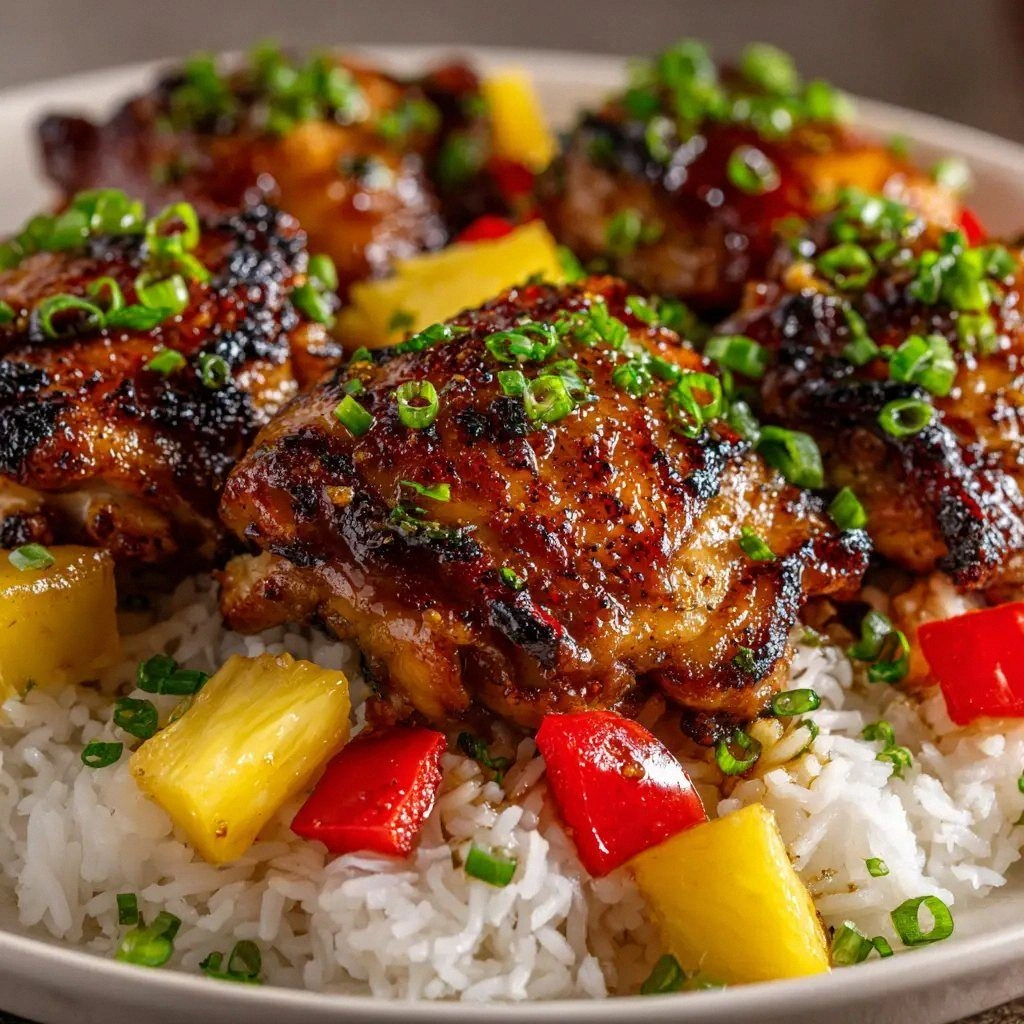
- Serve the chicken on a platter with the remaining glaze drizzled on top. Pair it with steamed rice, grilled pineapple slices, or a fresh salad to balance the richness.
That’s it—you did it. But hold on, I’ve got a few more tricks that will take this to another level.
Insider Tricks for Flawless Results
The Temperature Rule Nobody Follows
Many cooks over‑cook the chicken, resulting in dry meat. The secret is to monitor the internal temperature with a meat thermometer. Remove the chicken at 165°F (74°C) and let it rest; the temperature will rise a few degrees during resting, giving you perfectly juicy thighs.
Why Your Nose Knows Best
Before you start grilling, sniff the sauce. A bright, slightly acidic aroma signals freshness. If the sauce smells off or overly sweet, it may have started to ferment, which can affect the final flavor. Trust your nose to catch potential issues early.
The 5-Minute Rest That Changes Everything
After grilling, let the chicken rest for exactly five minutes. This simple pause allows the juices to redistribute, preventing them from spilling out when you cut. It also gives the glaze a chance to set, creating a glossy, clingy coating.
Use a Heat‑Resistant Brush
When basting, use a brush made of heat‑resistant silicone or stainless steel. These materials won’t melt or warp, ensuring you can apply the glaze smoothly without burning your hands or ruining the glaze’s texture.
Keep the Grill Clean
A dirty grill can impart a metallic taste to your chicken. Clean the grates before each use, especially if you’ve cooked other foods previously. A clean grill ensures the char is pure and the flavor stays true.
Let the Sauce Simmer Low and Slow
When you simmer the sauce for basting, keep the heat low. A gentle simmer prevents the sugars from caramelizing too quickly and becoming bitter. This slow reduction builds depth without compromising the sauce’s smoothness.
Creative Twists and Variations
This recipe is a playground. Here are some of my favorite ways to switch things up:
Spicy Pineapple Huli Huli
Add a tablespoon of crushed red pepper flakes to the sauce for a subtle heat that contrasts with the sweet pineapple. The heat will linger, giving the dish a smoky kick that pairs well with the tropical flavors. This variation is perfect for those who like a little bite in their meals.
Coconut‑Infused Glaze
Replace half of the pineapple juice with coconut milk for a richer, creamier sauce. The coconut adds a mellow sweetness that complements the soy and ginger. Serve over jasmine rice for a complete, fragrant meal.
Herb‑Enhanced Chicken
Stir in a tablespoon of chopped fresh cilantro or parsley into the sauce before grilling. The herbs bring a fresh, green note that brightens the dish. This addition is especially delightful during summer gatherings.
Smoky Chipotle Version
Introduce a tablespoon of chipotle in adobo sauce to the glaze for a smoky, peppery depth. The chipotle’s earthy undertones pair beautifully with the sweet pineapple. This twist adds a new layer of complexity that will surprise your guests.
Asian Fusion Stir‑Fry
Instead of grilling, stir‑fry the chicken thighs in a hot wok with the glaze. Add sliced bell peppers, onions, and snow peas for crunch. The quick stir‑fry method gives the dish a different texture while preserving the signature sauce.
Baked Citrus Finish
Finish the chicken in the oven at 400°F (204°C) for 8–10 minutes after grilling. Brush with extra glaze and bake to create an even more caramelized, glossy finish. The oven finish locks in moisture and intensifies the glaze’s shine.
Storing and Bringing It Back to Life
Fridge Storage
Cool the chicken to room temperature before refrigerating. Store in an airtight container for up to 3 days. The glaze will thicken slightly, so add a splash of pineapple juice when reheating to restore its silky texture.
Freezer Friendly
Wrap each thigh individually in foil and place in a freezer bag. The chicken can be frozen for up to 2 months. Thaw overnight in the refrigerator before reheating to maintain juiciness.
Best Reheating Method
Reheat the chicken in a preheated oven at 350°F (177°C) for 10–12 minutes. Add a small splash of water or pineapple juice to keep the glaze moist. Finish with a quick broil for 2 minutes to restore the glaze’s glossy sheen.