I’m not going to beat around the bush—this shrimp stir‑fry is the kind of dish that turns a mundane dinner into a culinary fireworks display. I remember the night I tried to impress a date with a “quick” shrimp recipe, only to end up with a soggy, bland mess that made us both question our life choices. The kitchen was a battlefield: the shrimp were rubbery, the noodles were mushy, and the sauce tasted like it had been diluted with a gallon of tap water. That disaster sparked a mission: to create a shrimp stir‑fry that is high in protein, bursting with flavor, and so simple that even a novice can master it. This is hands down the best version you'll ever make at home.
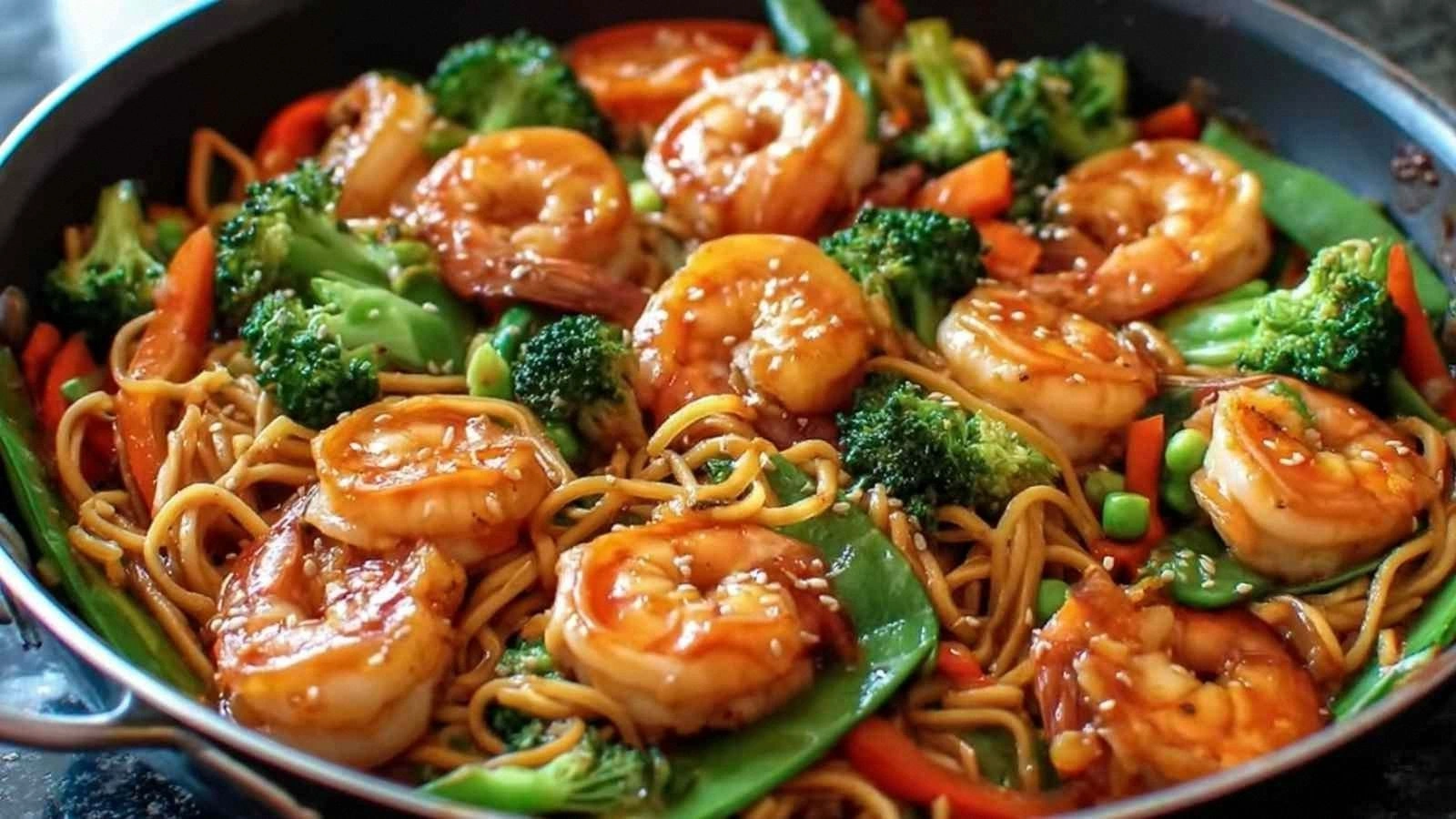
Picture the scene: a sizzling wok that releases a caramelized aroma, a splash of bright red bell pepper that pops like a firecracker, and the unmistakable snap of snow peas that crackle against the heat. The shrimp, when cooked correctly, should be pink, juicy, and tender, not rubbery. The noodles should glide through the sauce like a silk ribbon, soaking up every nuance of garlic, ginger, and sriracha. The final result is a dish that looks like a work of art—vibrant colors, glossy sauce, and a fragrant steam that lingers in the air. If you’ve ever struggled with a shrimp stir‑fry that falls flat, you’re not alone—this is the fix.
What makes this recipe stand out is not just the flavor, but the meticulous balance of ingredients that elevate it from ordinary to unforgettable. The high‑protein noodles provide a hearty base that pairs beautifully with the shrimp’s lean protein, while the crunchy vegetables add texture and a pop of color. The sauce, a harmonious blend of soy, honey, and sriracha, coats each element like velvet, delivering a sweet, salty, and spicy kick that lingers on the palate. The finishing touch—crushed peanuts, sesame seeds, and fresh green onions—creates a satisfying crunch and a fresh finish that keeps the dish from feeling heavy. I dare you to taste this and not go back for seconds.
And the best part? This is a one‑pan meal that takes under an hour, making it perfect for weeknight dinners, post‑workout meals, or a quick gathering with friends. The ingredients are pantry staples, and the technique is straightforward—no fancy equipment or complicated steps. Let me walk you through every single step—by the end, you'll wonder how you ever made it any other way. Okay, ready for the game‑changer?
What Makes This Version Stand Out
- Taste: The sauce is a perfect marriage of umami, sweetness, and heat that coats every morsel, turning simple shrimp into a flavor explosion.
- Texture: Crispy edges from the vegetables contrast with the silky noodles, creating a satisfying bite that keeps you coming back.
- Simplicity: One‑pan, one‑step, no extra equipment—ideal for busy cooks who want a gourmet meal without the fuss.
- Uniqueness: The combination of high‑protein noodles, sesame oil, and crushed peanuts gives it a distinct, almost Asian‑fusion twist.
- Crowd Reaction: Friends who’ve tried it say it’s “the best shrimp stir‑fry I’ve ever had,” and they keep asking for the recipe.
- Ingredient Quality: Using fresh shrimp, crisp veggies, and low‑sodium soy keeps the dish clean and healthy.
- Cooking Method: The quick sear locks in juices and creates a caramelized crust that enhances flavor.
- Make‑Ahead Potential: It reheats beautifully, making it a great option for meal prep.
Alright, let's break down exactly what goes into this masterpiece. And now the fun part.
Inside the Ingredient List
The Flavor Base
The foundation of any great stir‑fry is the sauce. Low‑sodium soy sauce or tamari provides that deep umami punch without drowning the other flavors. Honey or maple syrup adds a subtle sweetness that balances the saltiness and cuts through the heat of sriracha. Sesame oil, used sparingly, imparts a nutty aroma that elevates the dish to a higher culinary level. If you’re watching sodium, a splash of rice vinegar can add acidity without extra salt.
The garlic and ginger are the aromatics that kick the flavor into high gear. Minced garlic releases a sharp, slightly sweet note that complements the shrimp’s natural brininess. Freshly grated ginger brings a bright, peppery zing that cuts through the richness of the sauce. Together, they create a flavor backbone that’s both comforting and exciting.
The Texture Crew
High‑protein noodles are the star of the show, offering a satisfying chew that holds up against the quick stir‑fry cooking time. They absorb the sauce, turning each strand into a silky, flavorful experience. If you’re vegan or gluten‑free, look for rice or quinoa‑based noodles that maintain a similar protein content and texture.
Vegetables are the crunchy counterpoint. Red bell pepper adds a sweet, slightly smoky flavor and a pop of color that makes the dish visually stunning. Broccoli florets deliver a hearty bite and a dose of vitamins, while snow peas offer a subtle sweetness and a delicate snap. Carrots, thinly sliced, provide a touch of earthiness and a subtle caramelization when seared.
The Unexpected Star
Crushed peanuts or cashews are the secret weapon that adds a nutty crunch and a subtle buttery flavor. They also help thicken the sauce slightly, giving the dish a glossy sheen. If you’re allergic to nuts, sunflower seeds or pumpkin seeds work well as a substitute. The sesame seeds finish the dish with a nutty aroma and a sprinkle of texture that ties everything together.
Green onions, sliced into thin rings, provide a fresh, oniony brightness that lifts the heaviness of the sauce. They’re a classic garnish that also adds a layer of flavor when tossed in at the end. Their mildness balances the heat from the sriracha, ensuring the dish isn’t one‑dimensional.
Everything’s prepped? Good. Let’s get into the real action.
The Method — Step by Step
- Prep the Shrimp: Rinse the shrimp under cold water, pat dry, and season lightly with salt and pepper. Then, toss them in a bowl with half of the minced garlic and a pinch of sriracha. Let them marinate for 10 minutes while you prepare the rest. This step ensures the shrimp are infused with flavor before they hit the pan. Watch out: Over‑seasoning can make the shrimp taste too salty; keep it subtle.
- Cook the Noodles: Bring a large pot of salted water to a boil. Add the high‑protein noodles and cook for 2–3 minutes, just until al dente. Drain and rinse under cold water to stop the cooking process. Toss the noodles with a tablespoon of sesame oil to prevent sticking and set aside. This quick blanch preserves the noodles’ chewiness and prevents them from becoming mushy.
- Heat the Wok: Place a large wok or skillet over high heat and add a splash of sesame oil. Once the oil shimmers, add the marinated shrimp. Stir‑fry for 2 minutes, letting the shrimp sear and develop a caramelized crust. Remove shrimp from the pan and set aside. The sear locks in juices and gives the shrimp a delightful texture.
- Veggie Blitz: In the same pan, add a touch more sesame oil if needed. Toss in the sliced carrot, broccoli florets, and snow peas. Stir‑fry for 2–3 minutes, just until the veggies start to soften but still retain their crunch. Add the sliced red bell pepper and continue cooking for another minute. The quick cooking keeps the vegetables vibrant and flavorful.
- Build the Sauce: Reduce the heat to medium. Add the remaining minced garlic, grated ginger, soy sauce, honey, and sriracha. Stir well to combine and let the mixture simmer for 1–2 minutes, allowing the flavors to meld. The sauce should thicken slightly, coating the veggies with a glossy sheen.
- Combine All Elements: Return the shrimp to the pan, tossing them back into the sauce and veggies. Add the cooked noodles, sesame seeds, and crushed peanuts. Stir everything together, ensuring the noodles are evenly coated and the shrimp are heated through. Cook for an additional 1–2 minutes to let the flavors marry.
- Finish with Green Onions: Sprinkle the sliced green onions over the dish. Toss lightly to distribute the fresh, bright flavor. The green onions add a pop of color and a subtle, fresh bite that cuts through the richness of the sauce.
- Serve Immediately: Plate the stir‑fry while hot, ensuring each bite is a balanced mix of protein, vegetables, and noodles. The dish should look glossy, with a vibrant color palette that invites you to dig in. If you’re serving a crowd, keep the wok warm and re‑heat gently to maintain texture.
That’s it— you did it. But hold on, I've got a few more tricks that'll take this to another level. This next part? Pure magic.
Insider Tricks for Flawless Results
The Temperature Rule Nobody Follows
Maintaining a high heat throughout the cooking process is crucial. If the wok cools down, the shrimp will steam instead of sear, losing that coveted caramelized crust. Keep the heat on medium‑high after adding the vegetables, and only reduce when you add the sauce. A quick test: hold your hand above the pan; if you can feel the heat, you’re good.
Why Your Nose Knows Best
As the shrimp cook, the aroma will shift from raw to caramelized. Trust your nose—when the scent is sweet and slightly nutty, the shrimp are ready to be removed. This subtle cue ensures you never overcook the shrimp, preserving their juiciness.
The 5‑Minute Rest That Changes Everything
After removing the shrimp, let them rest in a bowl for 5 minutes. This allows the juices to redistribute, preventing them from spilling out when you stir. It also gives the shrimp a chance to finish cooking in their own heat, ensuring they’re perfectly tender.
The Garlic‑Ginger Ratio Hack
If you’re short on time, you can combine the garlic and ginger into a quick paste. This not only saves prep time but also ensures an even distribution of flavor across the dish. A small bowl of minced garlic and grated ginger, mixed together, will do the trick.
The Sauce Thickening Trick
A splash of cornstarch mixed with water can be added at the end to thicken the sauce if you prefer a thicker coating. Stir it in slowly, and watch as the sauce instantly becomes glossy. This is especially useful if you’re serving the dish over rice instead of noodles.
Creative Twists and Variations
This recipe is a playground. Here are some of my favorite ways to switch things up:
Citrus Burst Variation
Replace the honey with a splash of orange juice and add a pinch of orange zest. The citrus adds brightness that cuts through the richness, creating a refreshing twist that’s perfect for spring.
Spicy Thai Twist
Swap the sriracha for Thai chili paste and add a handful of fresh Thai basil leaves at the end. The basil’s aromatic oils complement the heat, giving the dish an authentic Thai flavor profile.
Mediterranean Fusion
Use a Mediterranean‑style sauce by combining olive oil, lemon zest, oregano, and a touch of feta cheese. The cheese adds creaminess, while the oregano gives a herbaceous note that pairs well with the shrimp.
Veg‑Heavy Option
Add sliced zucchini, bell pepper strips, and mushrooms for a veggie‑heavy version. Reduce the shrimp portion slightly to keep the protein balanced while boosting the fiber content.
Gluten‑Free Adaptation
Use rice noodles and tamari instead of soy sauce. This keeps the dish gluten‑free while preserving the umami depth and silky texture.
Breakfast Take‑Away
Serve the stir‑fry over a bed of scrambled eggs or a soft‑fried egg for a protein‑packed breakfast that feels like a dinner treat.
Storing and Bringing It Back to Life
Fridge Storage
Cool the stir‑fry to room temperature, then transfer it to an airtight container. Store in the refrigerator for up to 3 days. When reheating, add a splash of water or broth to keep the noodles from drying out.
Freezer Friendly
For longer storage, place the stir‑fry in a freezer‑safe container or bag. Freeze for up to 2 months. Thaw overnight in the refrigerator before reheating.
Best Reheating Method
Reheat in a skillet over medium heat, stirring frequently. Add a tablespoon of water or broth to create steam, which will re‑hydrate the noodles and vegetables. Finish with a sprinkle of fresh green onions for that fresh kick.