I was halfway through a week of bland, cookie‑filled lunches when my roommate, a self‑proclaimed gluten‑connoisseur, dared me to whip up a cake that would make her taste buds sing without the usual grain‑laden guilt. I stared at my pantry, which was a treasure trove of almond flour, coconut oil, and a single, slightly wilted zucchini, and thought, “Why not?” The kitchen smelled like a summer garden after rain, the sound of the oven preheating was a gentle promise, and my eyes glittered with the anticipation of a new culinary adventure. I knew this wasn’t just another cake; it was a rebellion against the blandness that often accompanies grain‑free, gluten‑free baking. By the time the batter was poured into the pan, the room was humming with the sweet scent of vanilla and maple syrup, a scent that made me feel like I’d just stepped into a bakery that had never closed its doors.
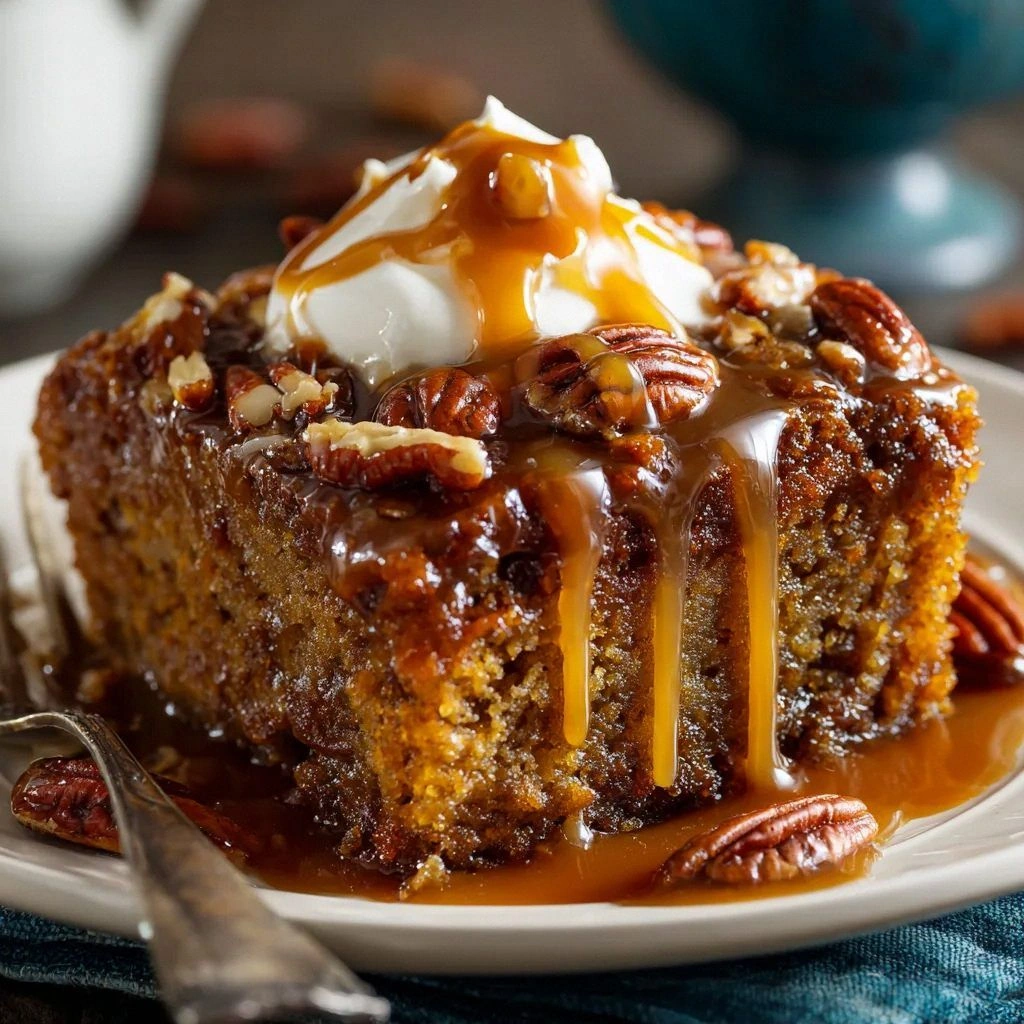
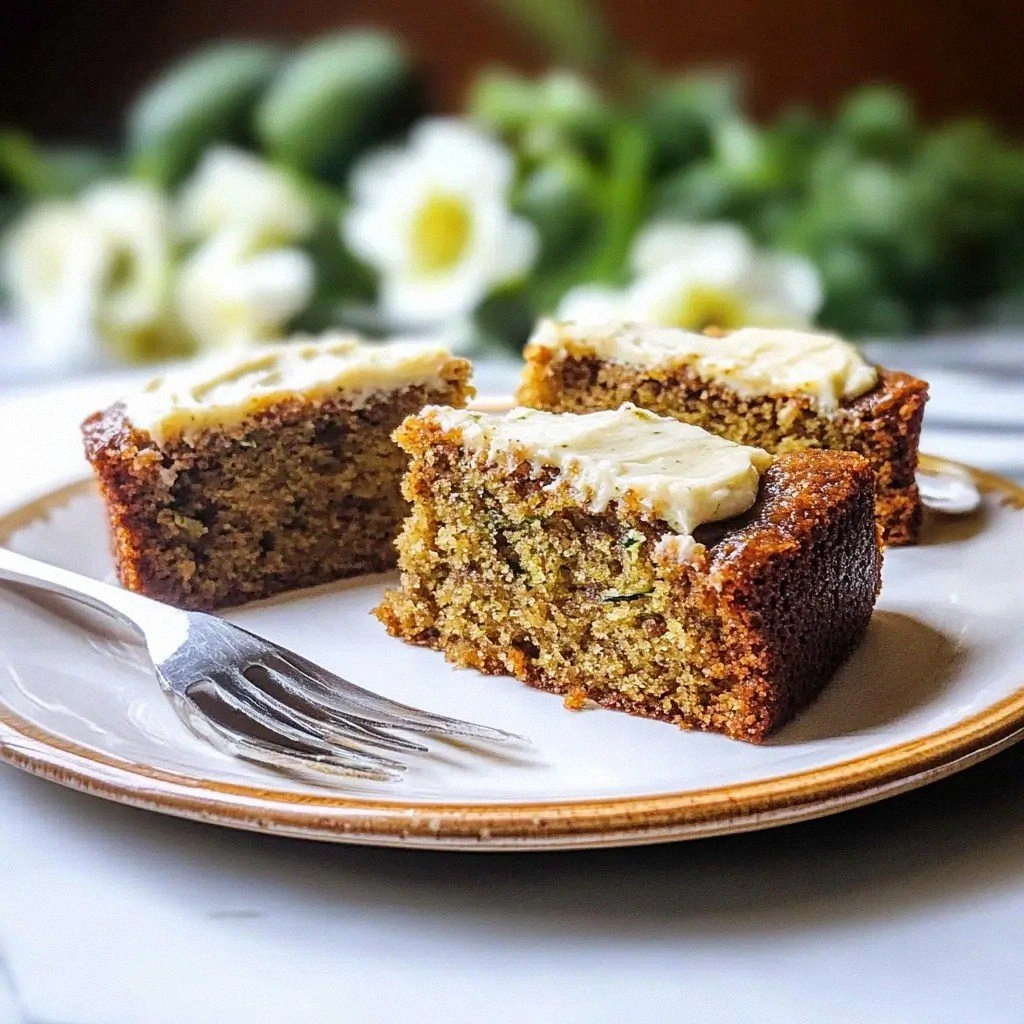
Picture yourself pulling this out of the oven, the whole kitchen smelling incredible, the golden crust cracking just enough to reveal a moist, fragrant center that feels like a hug in a slice. The texture is a paradoxical blend of a crunchy exterior and a velvety interior that melts in your mouth, the kind of cake that makes you wonder why you ever settled for plain sponge. I dare you to taste this and not go back for seconds because the subtle sweetness of maple and the earthy undertones of zucchini create a flavor profile that feels both comforting and adventurous. Most recipes get this completely wrong by over‑baking or under‑seasoning, but this one balances everything like a seasoned conductor leading a symphony. If you've ever struggled with grain‑free baking, you're not alone — and I've got the fix that turns a potential disaster into a crowd‑pleasing masterpiece.
The secret? A carefully orchestrated harmony of ingredients that work together to mimic the structure and flavor of traditional cakes without the grains. It’s hands down the best version you'll ever make at home because it doesn’t sacrifice taste for health; it elevates both. The zucchini doesn’t just add moisture—it brings a subtle, fresh note that keeps the cake from feeling dry or dense. The almond flour provides a nutty base that adds depth, while the coconut flour absorbs excess liquid, giving the batter that perfect consistency. The result? A cake that feels indulgent yet light, a dessert that satisfies cravings without the post‑bake guilt.
And now, stay with me here — this is worth it. Let me walk you through every single step, and by the end, you'll wonder how you ever made it any other way. The journey begins with a simple prep that sets the tone for the whole experience, and trust me, the payoff is worth every minute. Let’s dive in.
What Makes This Version Stand Out
- Flavor: The combination of maple syrup and vanilla creates a deep, caramelized sweetness that pairs beautifully with the subtle earthiness of zucchini, giving the cake a complex taste profile that feels both familiar and novel.
- Texture: Coconut flour’s high absorbency ensures a moist interior, while almond flour adds a gentle crunch, resulting in a cake that feels light on the tongue yet satisfying in every bite.
- Simplicity: With just a handful of pantry staples, this recipe requires no special equipment or hard‑to‑find ingredients, making it accessible for both novice and seasoned bakers.
- Uniqueness: The use of zucchini as a primary moisture source gives this cake a distinctive, green hue and a natural sweetness that sets it apart from other grain‑free cakes.
- Crowd Reaction: Friends who are skeptical about gluten‑free desserts often find themselves reaching for seconds, proving that this cake is as delicious as it is wholesome.
- Ingredient Quality: By selecting high‑quality, minimally processed ingredients, the recipe amplifies the natural flavors and ensures a healthier final product.
- Cooking Method: Baking at a moderate temperature with a short rise time prevents the cake from drying out, preserving moisture and enhancing flavor.
- Make‑Ahead Potential: The batter can be prepared up to 24 hours in advance, allowing you to focus on the final touch when you’re ready to bake.
Inside the Ingredient List
The Flavor Base
Maple syrup and vanilla extract form the sweet heart of this cake, providing a natural, unprocessed sweetness that balances the earthy zucchini. Maple syrup’s distinct caramel notes lend depth, while vanilla adds a subtle aroma that elevates every bite. If you skip this duo, the cake will taste flat and lack the comforting warmth that makes it feel like a treat. For a lower‑calorie option, you can replace maple syrup with a 1:1 ratio of honey or a sugar‑free syrup, but the flavor profile will shift slightly.
The Texture Crew
Almond flour and coconut flour are the dynamic duo that give this cake its signature structure. Almond flour brings a mild nuttiness and helps bind the batter, while coconut flour’s high absorbency ensures the cake stays moist and prevents it from becoming dense. If you omit coconut flour, the batter will be runny and the final product will lack that desirable cake‑like crumb. A good rule of thumb: for every cup of almond flour, add half a cup of coconut flour to maintain the right consistency.
The Unexpected Star
Grated zucchini is the unsung hero that keeps the cake moist without adding extra calories. Its mild flavor is almost invisible, letting the other ingredients shine while providing natural sweetness and a subtle green hue that makes the cake visually appealing. If you’re not a fan of zucchini, you can substitute shredded carrots or pumpkin puree, but expect a slight change in texture and flavor. When using zucchini, always squeeze out as much moisture as possible to avoid a soggy batter.
The Final Flourish
Walnuts, cinnamon, and raisins add the final touches that make each slice a complete experience. Walnuts introduce a crunchy contrast and a buttery undertone, while cinnamon brings warmth and depth. Raisins provide bursts of chewiness and natural sweetness that complement the maple syrup. If you prefer a nutless version, replace walnuts with sunflower seeds or omit them entirely; the cake will still hold its shape and flavor.
Everything's prepped? Good. Let's get into the real action.
The Method — Step by Step
- Preheat your oven to 350°F (175°C) and line a 9-inch round cake pan with parchment paper. The parchment ensures a clean release, and the moderate temperature prevents the cake from drying out. While the oven is heating, gather all ingredients so you can work efficiently. This step sets the stage for a smooth baking process.
- In a large mixing bowl, whisk together almond flour, coconut flour, baking powder, baking soda, and a pinch of salt. These dry ingredients must be evenly distributed to avoid uneven rising. Use a whisk to incorporate the dry mix, which helps prevent lumps and ensures a uniform batter. This is the foundation of the cake’s structure.
- In a separate bowl, combine the eggs, maple syrup, vanilla extract, and melted coconut oil. Beat until the mixture is smooth and slightly glossy, indicating that the fats and liquids have emulsified. The glossy texture signals that the batter will bind properly. This step adds moisture and richness to the cake.
- Add the wet mixture to the dry ingredients and stir until just combined. Overmixing can activate gluten in the almond flour, leading to a denser crumb. A few streaks are okay; the batter should be thick but pourable. The batter will thicken slightly as the coconut flour absorbs moisture.
- Fold in the grated zucchini, walnuts, raisins, and cinnamon. Use a spatula to gently incorporate each element, ensuring they are evenly distributed without breaking the nuts. The zucchini should be evenly dispersed to provide consistent moisture. This step brings the cake’s texture and flavor together.
- Pour the batter into the prepared pan, smoothing the top with a spatula. The batter should fill the pan to about 3/4 full; this allows room for expansion as it bakes. Gently tap the pan on the counter to release any air pockets. A level surface ensures even baking.
- Place the pan in the preheated oven and bake for 25–30 minutes, or until the top is golden brown and a toothpick inserted into the center comes out clean. The cake should emit a warm, nutty aroma as it bakes, a clear sign of progress. Avoid opening the oven door too early to prevent temperature fluctuations.
- Once baked, remove the cake from the oven and let it cool in the pan for 10 minutes. This resting period allows the structure to set, preventing the cake from crumbling when you remove it. After 10 minutes, transfer the cake to a wire rack to cool completely. This step is crucial for achieving a smooth crumb.
- Slice the cake with a serrated knife, wiping the blade between each cut to keep the edges clean. The knife should glide through the cake without resistance, indicating that the crumb is firm yet tender. Serve immediately or cover loosely with parchment to keep it fresh.
- Optional: Dust the top with powdered sugar or drizzle with a light glaze of maple syrup for an extra touch of sweetness. This finishing touch elevates the presentation and adds a subtle shine. Store any leftovers in an airtight container at room temperature for up to three days.
That's it — you did it. But hold on, I've got a few more tricks that'll take this to another level. These insider tips will help you perfect the cake and make it even more memorable.
Insider Tricks for Flawless Results
The Temperature Rule Nobody Follows
Many bakers instinctively crank the oven up to 375°F for a golden finish, but this recipe thrives at 350°F. The lower temperature allows the cake to rise evenly and retain moisture, preventing a dry crumb. I’ve baked at 400°F on a few occasions, and the result was a cake that was too dry on the edges and undercooked in the center. Stick to the recommended temperature for the best texture.
Why Your Nose Knows Best
If you’re unsure whether the cake is done, trust your nose. A warm, nutty aroma that lingers in the air indicates that the cake has reached optimal doneness. A faint, sweet scent suggests it’s still baking, while a burnt smell signals overbaking. This simple sensory cue can save you from a ruined batch.
The 5-Minute Rest That Changes Everything
Letting the cake rest in the pan for 10 minutes before transferring it to a rack is a game changer. During this period, the cake sets and the crumb stabilizes, making it easier to slice cleanly. Cutting immediately can cause the cake to crumble or stick to the pan. This trick is especially useful when you’re serving guests on short notice.
Keep the Moisture Locked In
If you’re baking in a dry climate, consider adding a tablespoon of apple sauce or mashed banana to the batter. These fruits add natural moisture and a subtle sweetness, enhancing the cake’s overall flavor profile. The extra liquid also helps keep the crumb tender.
Use a Loaf Pan for Even Baking
While a round cake pan works well, a loaf pan can produce a more even bake, especially if you’re using a larger oven where heat distribution may vary. The loaf shape also creates a convenient slice size for individual servings. Just adjust the baking time by a few minutes if you switch pans.
Creative Twists and Variations
This recipe is a playground. Here are some of my favorite ways to switch things up:
Chocolate Chip Surprise
Swap out the raisins for dark chocolate chips, and add a teaspoon of cocoa powder to the dry mix. The chocolate adds a rich, decadent layer that pairs beautifully with the nutty base. This variation is perfect for chocolate lovers who still want a grain‑free option.
Herb‑Infused Delight
Incorporate fresh thyme or rosemary into the batter, and top the finished cake with a drizzle of olive oil. The herbs bring a savory note that balances the sweetness, creating a sophisticated flavor profile. Serve with a light salad for a complete meal.
Spiced Pumpkin Variation
Replace the zucchini with pumpkin puree and add a dash of nutmeg and cloves to the dry ingredients. This version leans into autumnal flavors and is great for a cozy fall dessert. The pumpkin’s natural sweetness reduces the need for additional sweeteners.
Almond‑Butter Swirl
Fold in a few tablespoons of almond butter before baking to create a gooey swirl throughout the cake. The almond butter adds a creamy texture and deepens the nutty flavor. This twist is ideal for those who love a richer, more indulgent cake.
Low‑Sugar Option
Use stevia or monk fruit sweetener in place of maple syrup, and increase the amount of vanilla extract to compensate for the lack of flavor depth. The cake will still be moist and flavorful, but with a significantly lower sugar content. This variation is great for those watching their carbohydrate intake.
Vegan Edition
Replace the eggs with flaxseed meal mixed with water (1 tablespoon flaxseed + 3 tablespoons water per egg) and use coconut milk instead of maple syrup. This vegan version maintains the same moisture level and flavor profile, making it suitable for plant‑based diets. The cake remains tender and delicious.
Storing and Bringing It Back to Life
Fridge Storage
Wrap the cooled cake in plastic wrap and store it in an airtight container at room temperature for up to three days. The moisture from the wrap keeps the cake from drying out, while the airtight seal prevents it from absorbing odors from other foods. When ready to serve, let it sit at room temperature for 15 minutes to regain its softness.
Freezer Friendly
Slice the cake and wrap each slice individually in parchment paper, then place them in a freezer‑safe zip‑top bag. The cake can be stored in the freezer for up to two months. When you want a slice, remove it from the freezer and let it thaw at room temperature for about 30 minutes.
Best Reheating Method
Reheat a slice in the microwave on medium power for 15–20 seconds, or warm it in a preheated oven at 300°F for 5 minutes. Add a tiny splash of water or milk before reheating to create steam, which restores moisture and prevents the cake from becoming dry. The result is a slice that feels freshly baked.