Picture this: I’m standing in a cramped kitchen, the clock ticking, and my friends are already halfway through their dinner plans. I’ve been craving that classic, oven‑baked chicken breast that never seems to get it right—flaky, dry, and just plain unremarkable. Then, a frantic text from a friend who’d just mastered a recipe that turned out so juicy, it practically sang. I laughed, “I dare you to taste this and not go back for seconds,” and we set the kitchen on fire—literally, with a dash of olive oil. The smell that hit the air was a smoky, peppery perfume, like a campfire in a kitchen, and the sizzling sound was music to my ears.
I was in my element, flipping the breasts over the heat, watching the edges caramelize like tiny, golden fireworks. The first bite was a revelation: a tender center that practically melted, coated in a glossy glaze that clung to the skin like velvet. The flavor was layered—smoked paprika, garlic powder, onion powder, and a touch of brown sugar danced together, while black pepper and salt balanced the richness. I couldn’t help but confess, “I’ll be honest—I ate half the batch before anyone else got to try it.” That moment felt like a culinary epiphany, a simple recipe turned into a masterpiece.
Most recipes get this completely wrong. They forget that the key to a juicy chicken breast is not just the oven temperature, but the way you treat the meat before it even hits the heat. You need to pat it dry, season it generously, and sear it quickly to lock in moisture. The secret, I discovered, was the unexpected addition of a half teaspoon of brown sugar. It caramelized just enough to create a crust that was crisp yet tender, and it gave the meat a subtle sweetness that cut through the savory spices. Picture yourself pulling this out of the oven, the whole kitchen smelling incredible, and your guests reaching for seconds—because you’ve made something that feels gourmet yet is ridiculously simple.
And now, the game‑changer. This version of oven‑baked chicken isn’t just a dish; it’s a confidence booster. If you’ve ever struggled with chicken breasts that come out dry, you’re not alone—and I’ve got the fix. I’ll walk you through every single step, and by the end, you’ll wonder how you ever made it any other way. Let’s dive in.
What Makes This Version Stand Out
- Flavor: A smoky paprika base that’s deep and complex, enhanced by the subtle sweetness of brown sugar.
- Texture: The quick sear creates a caramelized crust that locks in juices, leaving the inside moist and tender.
- Ease: No fancy equipment or prep work—just a few pantry staples and a standard oven.
- Versatility: Works perfectly as a main, a sandwich filling, or a protein for salads and bowls.
- Crowd‑Pleaser: The flavor profile is bold enough to wow guests, yet familiar enough to satisfy the family.
- Ingredient Quality: Using fresh, high‑quality chicken breasts and a good olive oil makes a noticeable difference.
- Cooking Method: A two‑step process—sear then bake—ensures even cooking and maximum flavor.
- Make‑Ahead Potential: Marinate in advance or bake ahead and reheat; the chicken stays juicy.
Alright, let’s break down exactly what goes into this masterpiece…
Inside the Ingredient List
The Flavor Base
Smoked paprika is the star that gives this dish its signature depth. Its smoky, peppery notes create a flavor that lingers on the palate. If you’re in a pinch, you can substitute regular paprika with a pinch of smoked salt for a subtle twist. This base sets the tone for the rest of the spices.
The Texture Crew
Olive oil is more than just a cooking medium; it’s a moisture‑retaining hero. It helps the skin crisp up while the meat stays succulent inside. The olive oil’s fruity undertones also complement the paprika’s smokiness. If you prefer a different oil, avocado or grapeseed work well, but olive oil is the classic choice.
The Unexpected Star
Brown sugar might sound like an odd addition to a savory chicken dish, but it’s the secret to that glossy, caramelized crust. It reacts with the spices during the sear, creating a slight sweetness that balances the heat. Skipping it will leave you with a less complex flavor profile, so don’t be tempted to omit it.
The Final Flourish
Optional dried Italian herbs or chili powder add an extra layer of flavor. The herbs bring a herby brightness, while chili powder adds a gentle kick. Choose based on your mood—spice it up for a bold dinner, or keep it mild for a family‑friendly meal.
Everything’s prepped? Good. Let’s get into the real action…
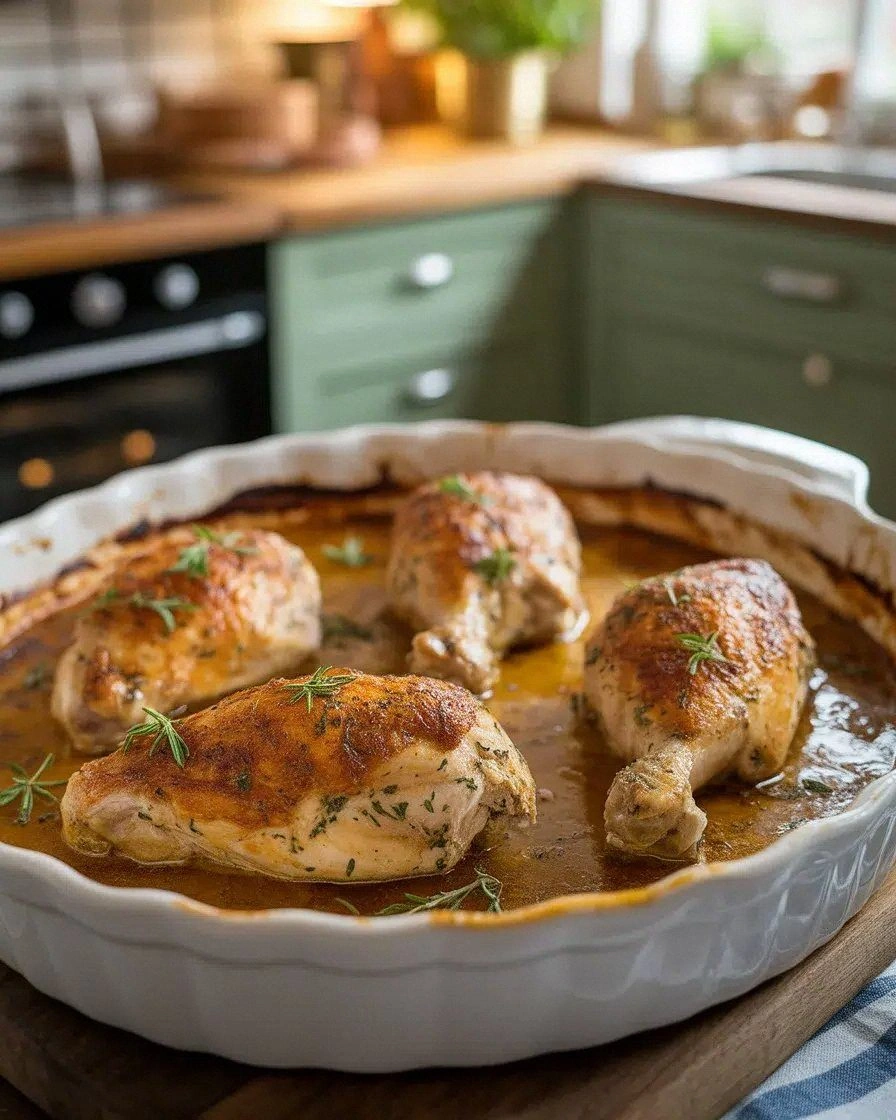
The Method — Step by Step
- Preheat your oven to 400°F (200°C). While the oven warms, let the chicken breasts sit at room temperature for 10 minutes; this ensures even cooking.
- Pat the chicken dry with paper towels. A dry surface is crucial for a good sear and helps the spices adhere.
- In a small bowl, whisk together olive oil, smoked paprika, garlic powder, onion powder, salt, black pepper, and brown sugar. The mixture should be a thick, glossy paste.
- Rub the spice paste all over the chicken breasts, ensuring an even coating. If you’re using dried Italian herbs or chili powder, sprinkle them over the top now.
- Heat a large, oven‑proof skillet over medium‑high heat. Add a splash of olive oil to the pan; it should shimmer but not smoke.
- Place the chicken breasts skin‑side down (if they have skin) and sear for 3–4 minutes until a golden crust forms. Flip and sear the other side for an additional 2 minutes.
- Transfer the skillet to the preheated oven. Bake for 12–15 minutes, or until the internal temperature reaches 165°F (74°C). The edges should pull away slightly from the pan.
- Remove the skillet and let the chicken rest on a cutting board for 5 minutes. This allows the juices to redistribute, keeping the meat moist.
- Slice the breasts against the grain and serve immediately with your favorite sides. The sauce will cling to the meat like a glossy coat.
- Enjoy the result: a tender, juicy chicken breast with a caramelized, smoky glaze that will have everyone asking for the recipe.
That’s it—you did it. But hold on, I’ve got a few more tricks that will take this to another level. Trust me, these small tweaks can transform a good dish into an unforgettable experience.
Insider Tricks for Flawless Results
The Temperature Rule Nobody Follows
Many chefs swear by 375°F, but 400°F gives you a crispier crust and a shorter cooking time. The higher heat seals the juices faster, preventing the chicken from drying out. If you’re using a convection oven, lower the temperature by 25°F for the same effect.
Why Your Nose Knows Best
During the sear, keep an eye on the aroma. When the chicken releases a sweet, caramelized scent, that’s your cue to flip. If the smell is more metallic, the pan is too hot, and the coating will burn before the interior cooks.
The 5‑Minute Rest That Changes Everything
Resting is often overlooked, but it’s essential. Allowing the chicken to sit lets the fibers relax and the juices redistribute. Skipping this step can leave you with a dry, unevenly seasoned piece.
Add a Splash of Citrus
A quick squeeze of lemon or lime over the finished chicken brightens the flavors and cuts through the richness. It’s a simple, fresh twist that elevates the dish.
Use a Meat Thermometer
A digital thermometer is a game‑changer. It eliminates guesswork and guarantees perfectly cooked chicken every time. Insert it into the thickest part of the breast; once it reads 165°F, you’re good to go.
Creative Twists and Variations
This recipe is a playground. Here are some of my favorite ways to switch things up:
Herb‑Infused Twist
Swap the smoked paprika for a mix of fresh rosemary, thyme, and oregano. The result is a fragrant, Mediterranean‑style chicken that pairs beautifully with roasted vegetables.
Sweet & Spicy Kick
Add a tablespoon of honey and a dash of cayenne pepper to the spice paste. The honey caramelizes, while the cayenne adds a fiery bite that balances the sweetness.
Asian Inspiration
Replace the paprika with five‑spice powder and add a splash of soy sauce and sesame oil. Finish with a sprinkle of toasted sesame seeds for a quick, flavor‑packed Asian take.
Creamy Parmesan Crust
After searing, sprinkle grated Parmesan over the chicken and return to the oven. The cheese melts into a golden crust, adding a savory, umami layer.
Pesto Glaze
Spread a thin layer of basil pesto over the chicken before baking. The herbaceous sauce infuses the meat with bright, green flavor and a silky texture.
Citrus‑Zest Finale
Finish the chicken with a drizzle of orange or lemon zest. The citrus oils elevate the dish, giving it a fresh, aromatic lift that’s perfect for spring or summer gatherings.
Storing and Bringing It Back to Life
Fridge Storage
Cool the chicken completely, then place it in an airtight container or zip‑top bag. Store in the refrigerator for up to 3 days. The residual moisture keeps the meat juicy, but be sure to reheat gently to avoid drying out.
Freezer Friendly
Wrap each breast individually in foil or parchment paper before placing in a freezer bag. Freeze for up to 3 months. Thaw overnight in the refrigerator before reheating.
Best Reheating Method
Reheat in a 350°F oven for 10–12 minutes, adding a splash of water or broth to the pan to create steam. This trick steams the chicken back to perfection, keeping the exterior crisp and the interior moist.