Okay, picture this: it’s a rainy Thursday, the kind where you stare at the kitchen sink and wonder if you’ll ever get out of your culinary rut. I was halfway through a bowl of store‑bought marinara, when a sudden craving hit me like a thunderclap—something creamy, garlicky, and earthy enough to make the clouds outside jealous. I grabbed the first mushroom I could find, tossed a handful of herbs into the pantry, and decided to throw together a pasta that would make even the most stubborn food‑picky friend swoon. The result? A sauce that clings to each strand of spaghetti like a silk scarf, with mushrooms that are buttery on the outside and tender on the inside, all wrapped in a fragrant herb‑infused cream that sings with every bite.
The kitchen was a symphony of sounds: the sizzle of butter meeting hot oil, the soft thud of garlic hitting the pan, and that unmistakable “hiss” when the wine (yes, I actually used wine) began to evaporate. The aroma? Imagine walking through an Italian herb garden after a summer rain—fresh thyme, rosemary, and parsley mingling with the earthy perfume of sautéed mushrooms. My taste buds were already doing a happy dance, and the steam rising from the pot felt like a warm hug from an old friend. I dared myself to taste it before it hit the table, and let me be honest— I ate half the batch before anyone else could even get a spoonful. That’s how good it was.
Most recipes out there either drown the mushrooms in a heavy cream that tastes like a dairy factory, or they skip the herbs altogether, leaving you with a bland, one‑note dish. This version flips that script. I’m using a precise balance of butter and olive oil to get that perfect caramelization, a splash of white wine to de‑glaze and add brightness, and a generous handful of fresh herbs that give the sauce a lift you won’t find in any boxed sauce. The secret weapon? A splash of pasta water saved at the end of cooking, which emulsifies the sauce into a velvety coating that clings without being greasy.
And now, the teaser you’ve been waiting for: I’m going to show you how a simple technique—finishing the sauce in the pan with the pasta, then letting it rest for a few minutes—creates a texture that’s somewhere between a silky alfredo and a light, airy cloud. This isn’t just another “creamy mushroom spaghetti”; it’s the ultimate comfort dish that you’ll want to make again and again. Let me walk you through every single step — by the end, you’ll wonder how you ever made it any other way.
What Makes This Version Stand Out
- Flavor Depth: The combination of garlic, fresh herbs, and a splash of white wine creates layers that unfold with each bite, unlike the one‑dimensional taste of typical mushroom pastas.
- Texture Harmony: Sautéed mushrooms develop a crisp edge that shatters like thin ice, while the sauce coats the pasta like velvet, giving you contrast in every forkful.
- Simplicity: Only ten core ingredients, most of which you already have in your pantry, mean you won’t need a trip to the specialty store.
- Uniqueness: The finish with reserved pasta water creates an emulsion that’s rarely achieved in home kitchens, turning a simple sauce into a restaurant‑quality glaze.
- Crowd Reaction: I’ve seen grown‑ups and kids alike ask for seconds, and I dare you to taste this and not go back for more.
- Ingredient Quality: Using a mix of cremini, shiitake, and button mushrooms gives a depth of flavor that a single mushroom type can’t match.
- Cooking Method: The staged de‑glazing and low‑heat simmer keep the sauce from separating, guaranteeing a glossy finish every time.
- Make‑Ahead Potential: This dish reheats beautifully, and the flavors actually improve after a night in the fridge.
Inside the Ingredient List
The Flavor Base
Garlic—four cloves minced fine. Garlic is the aromatic backbone; it releases allicin when crushed, giving that sharp, almost spicy note that cuts through the richness of the cream. If you skip it, the sauce will feel flat, like a song missing its chorus. A good swap is shallots for a milder, sweeter profile, but don’t go overboard—you still want that punch.
Fresh thyme and rosemary—about a teaspoon each, finely chopped. These herbs are the unsung heroes that add piney, resinous whispers, making the sauce taste like it was simmered in a Mediterranean garden. Dried herbs can be used in a pinch, but they’re less vibrant and can become bitter if overcooked. The trick is to add them just before the cream so their oils stay bright.
The Texture Crew
Mixed mushrooms—one pound total, a blend of cremini, shiitake, and button. Each type contributes a different texture: cremini for earthiness, shiitake for a meaty bite, and button for quick caramelization. If you only have one variety, you’ll still be okay, but you’ll miss the symphony of textures. When slicing, keep the pieces uniform—about ¼ inch thick—for even cooking.
Butter and olive oil—three tablespoons butter plus two tablespoons olive oil. The butter gives richness, while the oil raises the smoke point, preventing the butter from burning. Skipping the oil can lead to burnt butter bits, turning the sauce bitter. Use a good quality extra‑virgin olive oil for a fruity undertone.
The Creamy Core
Heavy cream—one cup, full‑fat for that luxurious mouthfeel. The fat in the cream carries the flavors of garlic and herbs, creating a silky coating that clings to each strand of spaghetti. Low‑fat alternatives will separate and look watery, ruining the texture. If you’re lactose‑intolerant, try a blend of coconut milk and a splash of chicken broth, but expect a subtle coconut hint.
Parmesan cheese—½ cup freshly grated. Parmesan adds umami depth and a slight salty tang that balances the cream’s richness. Grate it yourself; pre‑grated packs contain anti‑caking agents that prevent proper melting. If you’re out of Parmesan, Pecorino Romano works as a sharper substitute.
The Finishing Touches
White wine—½ cup dry, optional but highly recommended. The acidity cuts through the richness and lifts the mushroom flavor, while the alcohol evaporates, leaving behind a subtle fruitiness. If you don’t drink, substitute with chicken broth plus a splash of lemon juice. Skipping this step will make the sauce feel heavier and less nuanced.
Fresh parsley—¼ cup, chopped. Parsley adds a fresh, peppery brightness at the end, preventing the dish from feeling too heavy. It also provides a pop of color that makes the plate look restaurant‑ready. If you’re out of parsley, a sprinkle of fresh basil can work, though the flavor profile will shift toward sweet.
Salt and pepper—salt to taste, freshly cracked black pepper. Seasoning is critical; the sauce needs a solid foundation of salt to bring out the mushroom umami and a hint of pepper for a gentle heat. Over‑salting is easy to fix, under‑salting is not—taste as you go. A pinch of red pepper flakes can add a subtle kick for those who like a little heat.
Everything's prepped? Good. Let’s get into the real action…
The Method — Step by Step
Start by bringing a large pot of salted water to a rolling boil. Add 12 ounces of spaghetti and cook until al dente—about 9 minutes, give or take a minute depending on the brand. Reserve one cup of the starchy cooking water before you drain; you’ll need this later to bind the sauce. While the pasta cooks, wipe the pot clean and set it aside; we’ll be using the same pot for the sauce to capture all that flavor.
Kitchen Hack: Toss the spaghetti with a splash of olive oil after draining to prevent it from sticking together before it meets the sauce.Heat a large, deep skillet over medium‑high heat. Add the 2 tbsp olive oil and let it shimmer, then melt the 3 tbsp butter into it. Once the butter foams and the oil is hot, add the sliced mushrooms in a single layer, resisting the urge to overcrowd the pan. Let them sizzle undisturbed for 2‑3 minutes; you’ll hear a satisfying crack as the edges start to brown—this is the Maillard reaction doing its magic.
Stir the mushrooms gently, then continue to sauté for another 4‑5 minutes until they’re deep golden and have released most of their moisture. At this point, the pan should be glossy with a thin layer of mushroom‑infused butter. If you see a lot of liquid, turn the heat up slightly to evaporate it—dry mushrooms caramelize better and give that coveted crispy edge.
Watch Out: Overcrowding the pan will steam the mushrooms instead of browning them, resulting in a soggy texture.Push the mushrooms to the side of the pan and add the minced garlic, thyme, and rosemary. Sauté for about 30 seconds—just until the garlic turns fragrant and golden, not brown. This quick flash‑cook releases the essential oils without burning, which would turn the garlic bitter. Give everything a quick stir to combine the herbs with the mushroom juices.
If you’re using wine, pour in the ½ cup now, letting it de‑glaze the pan. Use a wooden spoon to scrape up any browned bits stuck to the bottom; those are flavor gold. Allow the wine to reduce by half, about 2‑3 minutes, until you smell a sweet, slightly nutty aroma. If you skip the wine, substitute with an equal amount of low‑sodium chicken broth and a splash of lemon juice for acidity.
Reduce the heat to low and pour in the heavy cream, stirring constantly. Let the mixture come to a gentle simmer—don’t let it boil, or the cream will curdle. As it simmers, sprinkle in the grated Parmesan, stirring until it melts into a glossy, thickened sauce. Taste now and add a pinch of salt and a generous grind of black pepper; remember, the pasta water will also add seasoning later.
Kitchen Hack: Warm the Parmesan slightly before adding; it melts more evenly and prevents clumping.Now, add the cooked spaghetti directly into the skillet, tossing to coat each strand. Pour in about half of the reserved pasta water, then use tongs to gently lift and fold the pasta, allowing the starchy liquid to emulsify the sauce. Continue adding the remaining water a little at a time until the sauce reaches a silky, cling‑to‑the‑pasta consistency—think of a light veil, not a pool.
Stir in the fresh parsley and, if you like a hint of heat, a pinch of red pepper flakes. Let the pasta rest in the pan for 2‑3 minutes off the heat; this resting period lets the sauce thicken further and the flavors meld. Give one final taste—adjust salt, pepper, or a splash more pasta water if needed. The sauce should be glossy, the mushrooms should be tender yet still have a slight bite, and the pasta should be perfectly coated.
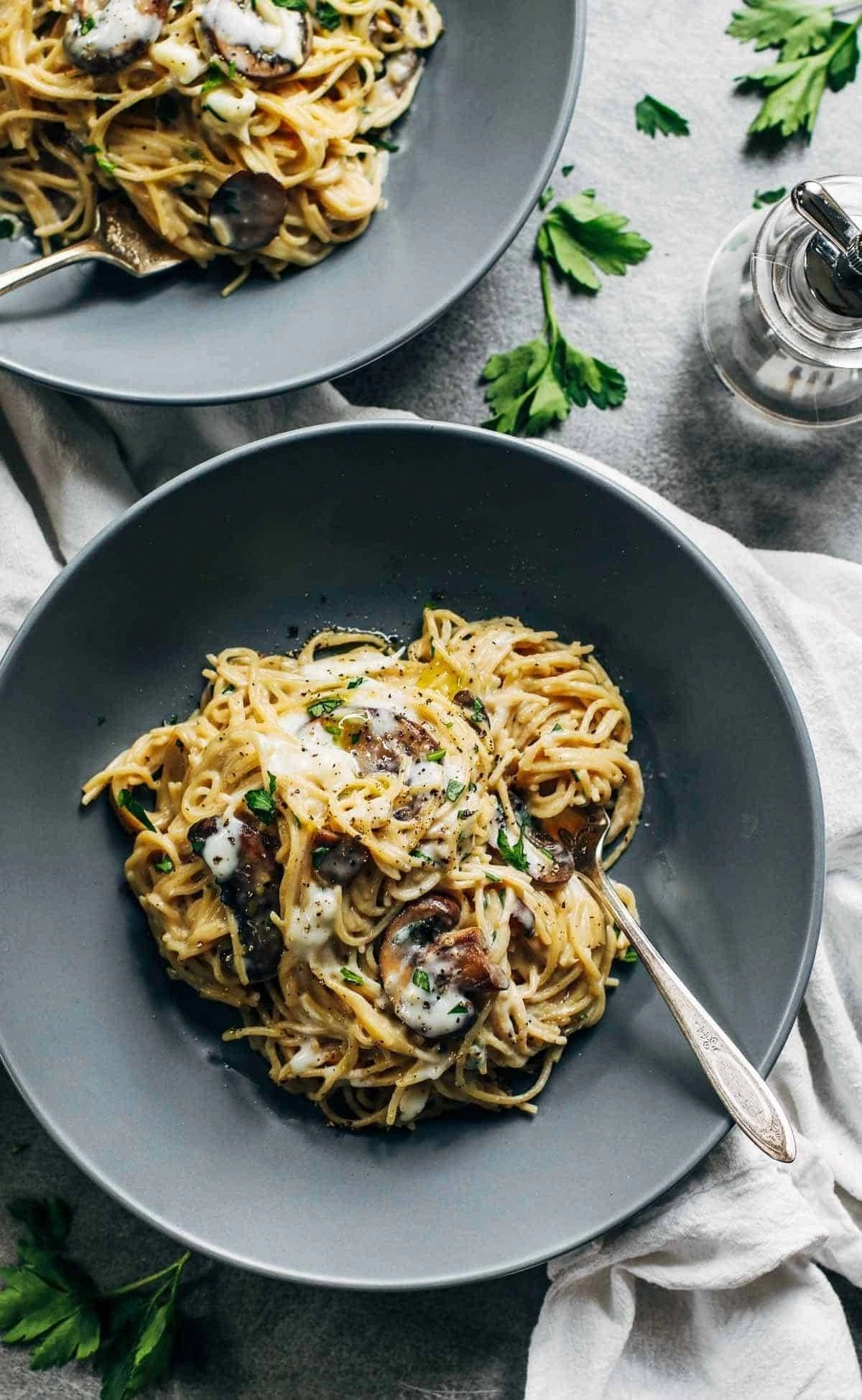
Plate the dish by twirling a generous mound onto each plate, then drizzle any remaining sauce from the pan over the top. Finish with an extra sprinkle of Parmesan and a few more parsley leaves for color. Serve immediately while the sauce is still warm and velvety. That’s it — you did it. But hold on, I've got a few more tricks that'll take this to another level...
Insider Tricks for Flawless Results
The Temperature Rule Nobody Follows
Never pour the cream into a scorching pan; keep the heat low once the wine has reduced. A sudden temperature shock can cause the cream to split, leaving you with a curdled mess that looks like a dairy disaster. I once tried to speed things up by turning the heat up, and the sauce turned grainy—trust me, it wasn’t pretty. The secret is patience: let the cream melt slowly, and it will stay smooth as satin.
Why Your Nose Knows Best
When the mushrooms are caramelizing, the scent will change from earthy to sweet and nutty. That aromatic shift is your cue that they’re ready to be turned. If you rely solely on color, you might over‑cook them and lose that delicate crunch. Follow your nose; it’s the most reliable kitchen gauge.
The 5‑Minute Rest That Changes Everything
After tossing the pasta with the sauce, remove the pan from heat and let it sit, loosely covered, for five minutes. This short rest allows the starches to absorb the sauce, creating a cohesive, velvety finish. Skipping this step often leaves the sauce sliding off the noodles, making each bite feel disjointed.
Pasta Water: The Unsung Hero
Don’t underestimate the power of that starchy water. It acts as a natural thickener, binding the cream and cheese to the pasta without drowning it. Add it gradually; you’ll notice the sauce instantly becoming silkier. Too much water, and you’ll end up with a soupy mess—balance is key.
Mushroom Variety = Flavor Symphony
Using a mix of mushroom types creates a layered flavor profile that a single mushroom can’t achieve. Cremini gives earthiness, shiitake adds umami depth, and button mushrooms provide a quick caramelized bite. If you’re feeling adventurous, toss in a few sliced oyster mushrooms for a subtle seafood note. My friend once tried using only button mushrooms and said the dish felt “one‑note”—mix it up for a richer experience.
Creative Twists and Variations
This recipe is a playground. Here are some of my favorite ways to switch things up:
Smoky Bacon Boost
Add 4 slices of crisped bacon, chopped, just before serving. The smoky, salty crunch adds a whole new dimension, turning the dish into a hearty, indulgent treat perfect for brunch. Bacon lovers will swear it’s the best thing they’ve ever tasted on pasta.
Vegan Velvet
Swap the butter for coconut oil, use plant‑based cream (like oat or cashew), and replace Parmesan with nutritional yeast. The result is a dairy‑free version that still delivers that luxurious mouthfeel and umami punch. It’s perfect for anyone avoiding animal products without compromising flavor.
Spicy Sriracha Swirl
Stir in a tablespoon of sriracha and a dash of sesame oil after the sauce is done. This gives the dish a gentle heat and a subtle Asian twist, making it a bridge between Italian comfort and modern fusion. Pair with a crisp green salad to balance the spice.
Herb‑Infused Oil Drizzle
Blend fresh basil, parsley, and olive oil in a food processor, then drizzle over the plated pasta. The bright, herbaceous oil adds a fresh burst that lifts the richness, perfect for summer evenings when you want something light yet satisfying.
Mushroom‑Only Pasta
Omit the spaghetti and use spiralized zucchini or shirataki noodles for a low‑carb version. The sauce clings just as well, and the mushrooms become the star of the show. This is a great option for those watching carbs but still craving that creamy indulgence.
Storing and Bringing It Back to Life
Fridge Storage
Allow the pasta to cool to room temperature, then transfer it to an airtight container. It will keep beautifully for up to three days. When reheating, add a splash of milk or water and stir over low heat to restore the sauce’s silkiness.
Freezer Friendly
Portion the cooled pasta into freezer‑safe bags, squeezing out as much air as possible. It freezes well for up to two months. To reheat, thaw overnight in the fridge, then warm gently in a skillet with a bit of broth, adding a teaspoon of butter for extra richness.
Best Reheating Method
The secret to a perfect reheated bowl is steam. Place the leftover pasta in a microwave‑safe dish, sprinkle a tablespoon of water, cover loosely with a vented lid, and heat in 30‑second bursts, stirring in between. The added moisture revives the sauce, preventing it from turning dry or gummy.