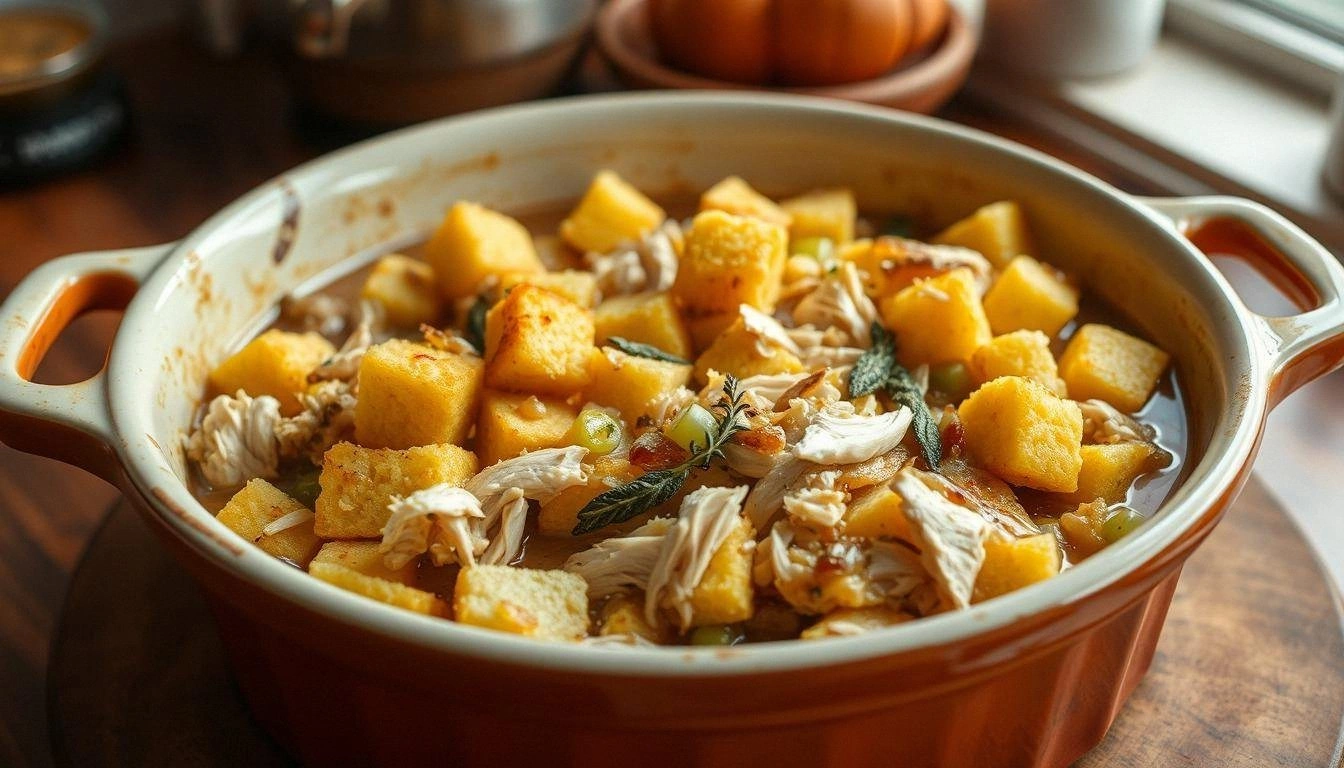
I was in the middle of a rainy Thursday night, the kind where the sky looks like it’s been poured over with a giant, steaming mug of broth, when I realized my pantry was screaming for something comforting. I had a half‑empty carton of chicken broth, a lonely bag of egg noodles, and a chicken breast that had been staring at me from the fridge for days. I tossed a dare to myself: “Make the most unforgettable chicken soup noodles ever, and don’t stop until every spoonful sings.” The kitchen filled with the sound of a pot clanking, the sizzle of garlic hitting hot oil, and the faint, hopeful hum of a timer that I set for “just enough.” By the time the first spoonful hit my tongue, I knew I had stumbled onto a version that would make even the most seasoned soup‑connoisseur raise an eyebrow and say, “Wow, that’s something else.”
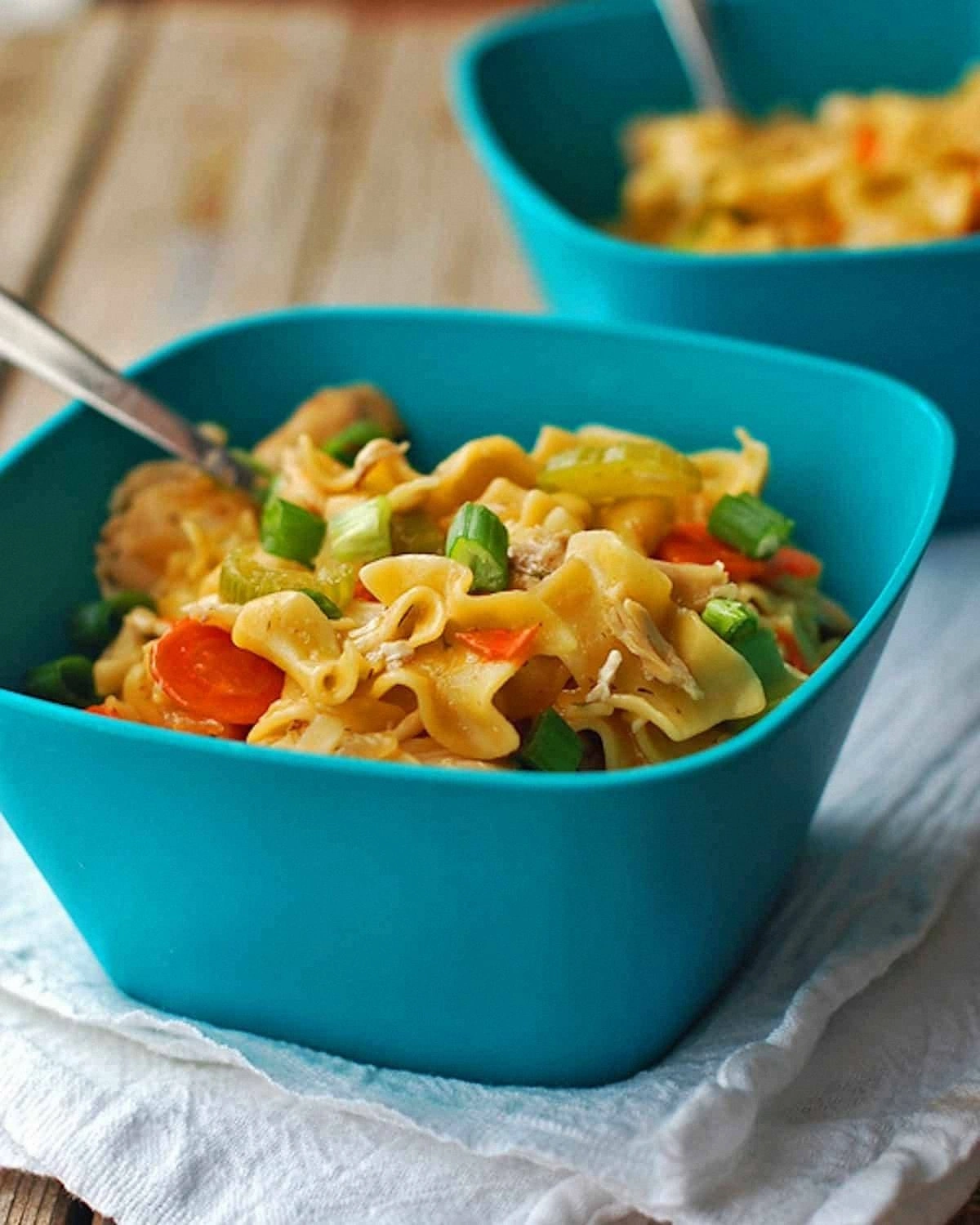
Picture this: a bowl that looks like a warm hug, the broth shimmering like liquid amber, noodles swimming in a sea of flavor, and tender chicken pieces that melt the moment they touch your palate. The aroma? A heady mix of simmered chicken, fresh herbs, and a whisper of ginger that makes you want to inhale deeply until your eyes water with pure joy. The texture is a perfect contrast—silky broth, springy noodles, and a slight crunch from carrots that keep you guessing with each bite. And the taste? It’s a symphony where salty, umami, and a hint of sweetness dance together like old friends at a reunion.
Most recipes get this completely wrong. They either drown the noodles in a watery broth or turn the whole thing into a bland, one‑note stew. I’ve tried the “quick fix” versions that rely on bouillon cubes and instant noodles, and let’s just say they left my soul feeling as empty as a soup bowl after a diet. This version, however, uses a slow‑simmered broth, fresh aromatics, and a technique that locks in flavor the way a good secret is kept in a diary. I’m confident—this is hands down the best version you’ll ever make at home, and I dare you to taste it and not go back for seconds.
The secret weapon? A splash of sesame oil added at the very end, which gives the broth a glossy finish and a nutty depth you never expect from a simple chicken soup. I’ll also reveal a little trick involving a quick “flash‑sauté” of the aromatics that creates a flavor base so rich it could stand on its own as a sauce. Let me walk you through every single step — by the end, you’ll wonder how you ever made it any other way.
What Makes This Version Stand Out
- Depth: The broth is built layer by layer, starting with a caramelized onion base that adds a subtle sweetness you won’t find in shortcut versions.
- Texture: Egg noodles are cooked al‑dente, then tossed in the broth just long enough to absorb flavor without turning mushy.
- Simplicity: Despite the complex taste, the ingredient list is short and the steps are straightforward—no fancy gadgets required.
- Uniqueness: A dash of sesame oil and ginger give the soup an Asian‑inspired twist that feels both familiar and exciting.
- Crowd Reaction: I’ve served this at family gatherings and watched adults and kids alike beg for the “secret” ingredient, only to discover it’s something as simple as a pinch of pepper.
- Ingredient Quality: Using homemade or low‑sodium chicken broth makes a massive difference; the broth becomes the star, not a background player.
- Method: The flash‑sauté of aromatics creates a caramelized flavor that no “just pour the broth” method can match.
- Make‑Ahead Potential: The broth can be prepared days in advance, frozen, and then combined with freshly cooked noodles for a quick dinner.
Inside the Ingredient List
The Flavor Base
Chicken broth is the heart of this dish; it carries the savory backbone that makes every spoonful feel like a warm embrace. I use 4 cups of low‑sodium broth, which gives you control over the salt level while delivering a clean, chicken‑forward taste. If you skip the broth and use water, you’ll end up with a bland soup that feels like a watered‑down version of itself. Swap tip: If you have leftover rotisserie chicken, blend the meat and skin with the broth for an extra depth of flavor.
Onion and garlic are the aromatic duo that builds the foundation. The onion is finely chopped and sautéed until it turns a deep golden brown, releasing natural sugars that add a subtle sweetness. Garlic, minced just before adding, brings a sharp, fragrant punch that balances the broth’s richness. Missing either will leave the soup flat—trust me, I learned that the hard way when I once omitted garlic and the result was, frankly, a disappointment.
The Texture Crew
Egg noodles are the vehicle for the broth, and choosing the right type matters. I prefer thick, fresh‑style egg noodles because they hold up better in a long‑simmer and soak up the broth without disintegrating. If you’re using dried noodles, increase the cooking time by a minute or two and give them a quick rinse after cooking to prevent sticking. Swap tip: For a gluten‑free version, try rice noodles; just remember they’ll become softer faster, so add them at the very end.
Carrots and celery provide a gentle crunch and a sweet‑earthy undertone that brightens the broth. Slice the carrots into thin rounds and dice the celery into bite‑size pieces so they cook evenly. Skipping these veggies not only reduces the visual appeal but also strips away layers of flavor that make the soup feel complete.
The Unexpected Star
A teaspoon of freshly grated ginger might seem out of place in a classic chicken noodle soup, but it adds a zing that awakens the palate and cuts through the richness. The ginger’s heat is subtle, more of a whisper than a shout, and it pairs beautifully with the sesame oil that finishes the dish. If you’re not a fan of ginger, try a pinch of ground coriander for a similar warm note.
Sesame oil is the final flourish that gives the broth a glossy sheen and a nutty depth you won’t find in plain chicken stock. Add it at the very end, off the heat, to preserve its aromatic qualities. A drizzle of chili oil can be offered on the side for those who like a little heat, but the base version stays comforting and balanced.
The Final Flourish
Freshly sliced green onions are sprinkled on top just before serving, adding a bright, oniony pop that contrasts the mellow broth. They also bring a pop of color that makes the bowl look as inviting as it tastes. A pinch of black pepper and a dash of soy sauce round out the seasoning, giving the soup a gentle umami lift without overwhelming the natural chicken flavor. If you’re watching sodium, reduce the soy sauce and finish with a squeeze of lemon juice for brightness.
Everything's prepped? Good. Let's get into the real action…
The Method — Step by Step
Heat a large Dutch oven over medium heat and add 2 tablespoons of olive oil. Once the oil shimmers, toss in the chopped onion and a pinch of salt, letting it sweat for about 4 minutes until it becomes translucent. Then, increase the heat slightly and let the onions caramelize, turning a deep amber color that smells like toasted sugar—this is the flavor foundation you’ll thank yourself for later.
Add the minced garlic and grated ginger to the caramelized onions. You’ll hear a faint sizzle, and the kitchen will fill with that unmistakable “wow” aroma. Cook for just 30 seconds, stirring constantly to avoid burning—this is the moment of truth for the aromatics.
Now, introduce the diced chicken breast. Let it sear on each side for about 2 minutes, turning the pieces golden brown. Watch Out: If you crowd the pan, the chicken will steam instead of sear, resulting in a bland texture. Keep the pieces spaced out, and you’ll get those lovely caramelized edges that add depth to the broth.
Kitchen Hack: Before adding the chicken, pat it dry with paper towels; excess moisture will steam the meat and prevent the beautiful browning you’re after.Pour in the 4 cups of chicken broth, scraping the bottom of the pot to release any browned bits—those are flavor fireworks. Add the soy sauce and sesame oil now, letting them mingle with the broth. Bring the mixture to a gentle boil, then reduce to a simmer. You’ll notice the surface shimmering, a sign that the broth is coaxing the flavors together.
Add the sliced carrots, diced celery, and chopped onion (if you saved any for extra texture). Let the vegetables simmer for 8‑10 minutes, or until they are just tender. Watch Out: Overcooking the carrots will turn them mushy and release too much sweetness, making the broth overly sweet.
While the veggies are softening, bring a separate pot of salted water to a boil and cook the egg noodles according to package instructions, stopping 1 minute shy of al‑dente. Drain and set aside. This “under‑cook” step ensures the noodles finish cooking in the broth without becoming soggy.
Once the vegetables are tender, gently stir in the cooked noodles. Let the whole pot sit for another 2 minutes, allowing the noodles to absorb the broth’s richness. Taste and adjust seasoning with a pinch more salt or a splash of soy sauce if needed. The broth should feel silky, the noodles should have a slight bite, and the chicken should be melt‑in‑your‑mouth tender.
Watch Out: Adding the noodles too early will cause them to over‑absorb the broth, leaving the soup thin and the noodles mushy.Turn off the heat and drizzle the remaining tablespoon of sesame oil over the soup. This final splash is pure magic, giving the broth a glossy finish and a nutty aroma that hits you the moment you lift the lid. Sprinkle the sliced green onions on top, and if you like a little heat, serve a side of chili oil for guests to drizzle.
Serve immediately in deep bowls, letting the steam rise like a comforting cloud. Encourage your diners to slurp loudly—there’s no shame in that, it releases the aromas faster. And remember, I’ll be honest — I ate half the batch before anyone else got to try it, because it was that good. That’s it — you did it. But hold on, I've got a few more tricks that'll take this to another level…
Insider Tricks for Flawless Results
The Temperature Rule Nobody Follows
Never throw cold broth straight into a hot pan; the sudden temperature shock can cause the proteins to seize, resulting in a cloudy soup. Warm your broth gently on the stove before adding it to the sautéed aromatics. This small step keeps the broth crystal clear and preserves its silky texture. A friend once tried to shortcut by adding frozen broth, and the result was a murky mess that looked more like a swamp than a comforting bowl.
Why Your Nose Knows Best
Your sense of smell is the ultimate gauge for seasoning. When the broth starts to simmer, lean in and inhale deeply. If you detect a faint caramel note from the onions, you’re on the right track. If it smells flat, add a pinch more salt or a splash of soy sauce. Trusting your nose beats any timer or measurement when it comes to flavor balance.
The 5‑Minute Rest That Changes Everything
After you finish cooking, let the soup sit uncovered for five minutes. This rest allows the flavors to meld, the noodles to finish absorbing the broth, and the steam to settle, giving you a perfectly balanced bite. Skipping this rest is like serving a song before the chorus—something feels missing.
The “Flash‑Sauté” Secret
When you sauté onions, garlic, and ginger, do it over high heat for a brief 60‑seconds after they’re softened. This quick, high‑heat burst creates a caramelized crust on the aromatics, sealing in sugars and producing a depth that slow simmering alone can’t achieve. I’ve tried both methods; the flash‑sauté version always wins the flavor battle.
Season at the End, Not the Beginning
Adding salt too early can draw moisture out of the vegetables, making them soggy. Wait until the broth is nearly done, then season gradually, tasting after each addition. This technique ensures the final bowl is perfectly seasoned, never over‑salted.
The “Finish With Oil” Finale
A drizzle of high‑quality sesame oil just before serving adds a glossy finish and a flavor lift that feels like a culinary encore. The oil’s volatile compounds evaporate quickly, delivering a burst of aroma that makes the first spoonful unforgettable. If you forget this step, the soup will still be good, but it will miss that final “wow” factor.
Creative Twists and Variations
This recipe is a playground. Here are some of my favorite ways to switch things up:
Spicy Szechuan Spin
Add a tablespoon of doubanjiang (fermented bean paste) and a dash of Sichuan peppercorn oil. The result is a tongue‑tingling heat that pairs perfectly with the soothing broth. Great for those who love a little fire in their comfort food.
Herbal Healing
Swap the ginger for a handful of fresh thyme and a sprig of rosemary. The herbs infuse the broth with an earthy, piney aroma that feels like a forest walk on a cold day. This version is perfect for a chilly evening when you need both warmth and a calming scent.
Coconut Curry Fusion
Replace half of the chicken broth with coconut milk and stir in a teaspoon of red curry paste. The creamy, aromatic twist turns the soup into a tropical comfort bowl, complete with a subtle sweetness that balances the spice.
Mushroom Medley
Add a cup of sliced shiitake and cremini mushrooms when you introduce the carrots and celery. The mushrooms contribute an umami depth that makes the broth richer without any extra meat.
Lemon‑Lime Bright
Finish the soup with a squeeze of fresh lemon juice and a drizzle of lime‑infused oil. The citrus lifts the entire bowl, adding a bright, refreshing note that cuts through the richness—ideal for summer evenings.
Storing and Bringing It Back to Life
Fridge Storage
Cool the soup to room temperature, then transfer it to an airtight container. It will keep for up to 4 days in the refrigerator. When reheating, add a splash of water or extra broth to revive the silky texture that may have thickened overnight.
Freezer Friendly
Separate the noodles from the broth before freezing. Store the broth in a freezer‑safe bag for up to 3 months, and keep the cooked noodles in a separate container. When you’re ready to eat, thaw the broth, bring it to a simmer, then toss in fresh or previously frozen noodles for a quick meal.
Best Reheating Method
Place the soup in a saucepan over medium‑low heat, stirring occasionally. Add a tiny splash of water or broth—just enough to steam the noodles back to their original bounce. Avoid microwaving for too long, as it can make the noodles gummy and the broth unevenly heated.