Picture this: I'm standing in my kitchen, the oven timer beeping, and a half‑baked sweet potato staring back at me like a stubborn roommate. I thought I'd just finish it up, but the aroma of cinnamon and a hint of maple syrup had me feeling like a culinary magician. That moment, that smell, that taste— it was a revelation. I realized the simple act of turning a humble sweet potato into a twice‑baked masterpiece could transform a dinner into a showstopper. I was so excited that I couldn't wait to share every single detail. This is the story of how a kitchen mishap turned into a signature dish that will have everyone asking for seconds.
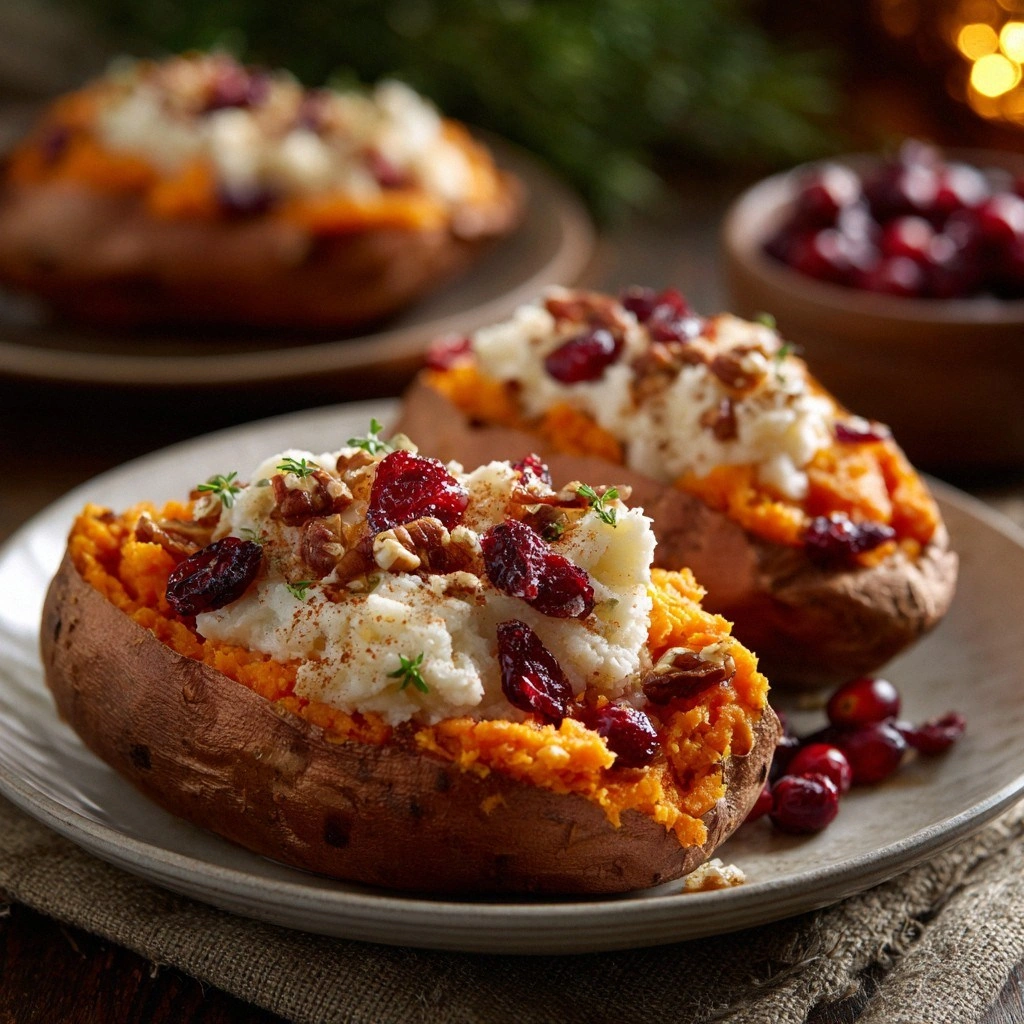
Imagine the crisp, golden skin of the sweet potato, the sweet burst of fresh cranberries, and the gentle crunch of diced apple. The air is thick with the scent of toasted butter, brown sugar, and warm spices swirling together like a comforting hug. The sound of the oven door closing is almost a promise that something delicious is about to happen. When you take a bite, the inside is a silky, buttery cloud that melts against your tongue, while the topping offers a delightful contrast of tartness and subtle sweetness. The texture is a dance between the soft interior and the crunchy pecans, if you choose to add them. And the finish? A faint, lingering note of vanilla that makes you sigh with satisfaction.
This version is a game‑changer because it takes the classic twice‑baked sweet potato to a whole new level of flavor complexity. By infusing fresh cranberries and diced apple, it introduces a bright, fruity undertone that cuts through the natural sweetness of the potato. The addition of maple syrup and a splash of vanilla creates a silky glaze that coats the potatoes like velvet. The subtle pinch of nutmeg and cinnamon gives a warm, comforting aroma that feels like a hug from the inside out. And the final crunchy pecan topping adds a satisfying textural contrast that keeps you coming back for more. The result is a dish that feels indulgent yet wholesome, perfect for any occasion.
What's really exciting is the technique I discovered for achieving that perfect, caramelized crust without over‑baking the inside. It involves a quick sear in a hot skillet after the initial baking, then a final finish in the oven just long enough to crisp the edges. The trick is to keep the potatoes moist by adding a touch of maple syrup during the second bake, which prevents them from drying out. I dare you to taste this and not go back for seconds— the second bite will be a revelation. And if you’re curious, the next section will walk you through the exact steps that make this dish so unforgettable. Let me walk you through every single step — by the end, you'll wonder how you ever made it any other way.
What Makes This Version Stand Out
- Taste: The marriage of sweet potatoes, cranberries, and apples creates a layered flavor profile that feels both comforting and festive. The maple glaze adds a subtle caramel note that lingers on the palate.
- Texture: Inside, the potato is silky and buttery; outside, the crust is crisp and the pecan topping offers a satisfying crunch. The combination keeps every bite interesting.
- Simplicity: Despite its wow factor, the recipe requires only a handful of pantry staples and one baking sheet. No fancy equipment or time‑consuming prep.
- Uniqueness: Most twice‑baked sweet potato recipes stick to plain cheese or simple butter. This version introduces fruit, spices, and a glaze that sets it apart.
- Crowd Reaction: Guests often comment that it tastes like a holiday dessert even in the middle of summer. The dish is a conversation starter at gatherings.
- Ingredient Quality: Fresh cranberries and ripe apples elevate the dish beyond a basic side. Choosing organic or locally sourced produce makes a noticeable difference.
- Make‑Ahead Potential: The assembled potatoes can be refrigerated for up to 24 hours, then baked again. This makes it ideal for busy weeknights or potlucks.
Inside the Ingredient List
The Flavor Base
At the heart of this dish lies the sweet potato, a natural canvas that absorbs every nuance of the other ingredients. Using medium sweet potatoes (about 3 lbs total) ensures a buttery interior that is neither too dry nor too watery. Butter, melted and warmed to 110°F, adds richness and helps carry the maple glaze. Brown sugar is the sweetener that caramelizes during the second bake, creating a golden crust. Maple syrup, a touch of vanilla extract, and a splash of fresh lemon juice balance the sweetness with a hint of acidity that brightens the overall flavor.
The Fruit Layer
Fresh cranberries burst with tartness, cutting through the natural sweetness of the potato. Dice a medium apple into bite‑sized pieces; its crispness adds a refreshing contrast. Optional chopped pecans bring a buttery crunch and a nutty aroma that complements the spices. If you’re feeling adventurous, a handful of toasted pumpkin seeds can replace pecans for a different crunch profile. The fruit layer not only adds flavor but also contributes moisture, preventing the interior from becoming too dense.
The Spice Mix
Ground cinnamon and nutmeg are the traditional spices that bring warmth and depth. A pinch of sea salt enhances every flavor, while a dash of black pepper adds a subtle bite that balances the sweetness. If you prefer a smoky kick, a small amount of smoked paprika can be incorporated. These spices are added after the fruit, allowing them to mingle with the buttery mixture before being folded into the potato skins. The result is a harmonious blend that feels both comforting and adventurous.
The Garnish
A sprinkle of fresh parsley or chives adds a pop of color and a hint of herbal brightness. A drizzle of honey or a light dusting of powdered sugar can transform the dish into a dessert‑style finish. For an extra layer of texture, toasted almond slivers or sesame seeds can be used instead of pecans. Whatever you choose, the garnish should complement the sweet and tart notes without overpowering them. The final touch is a light squeeze of fresh lemon juice to cut through the richness.
Everything's prepped? Good. Let's get into the real action...
The Method — Step by Step
- Preheat your oven to 400°F (204°C). Wash the sweet potatoes thoroughly, then pat them dry with a clean towel. Prick each potato with a fork 4–5 times to allow steam to escape during baking. Place the potatoes directly on the oven rack or on a baking sheet lined with parchment paper. Bake for 45–50 minutes, or until the skins are crisp and the flesh is tender when pierced with a fork. This first bake softens the interior and sets the stage for the flavorful filling.
- Cool and Scoop the potatoes as soon as they come out of the oven. Let them rest for 5 minutes, then slice them lengthwise without cutting all the way through. Using a spoon, gently scoop out the flesh, leaving a 1/4-inch thick shell. Reserve the scooped flesh in a mixing bowl; keep the skins warm for the next step. The scooped flesh will be transformed into a creamy, sweet filling.
- Prepare the Filling by adding the melted butter, brown sugar, maple syrup, and vanilla extract to the scooped sweet potato flesh. Use a potato masher or a hand mixer to blend until smooth. The butter and maple syrup keep the mixture moist, while the brown sugar caramelizes during the second bake. If you want a richer texture, add a tablespoon of Greek yogurt or cream cheese. This step is crucial for achieving the silky interior that defines this dish.
- Fold in Fruits by adding the diced apple and fresh cranberries to the sweet potato mixture. Gently stir to distribute the fruit evenly without crushing the berries. The apple adds a subtle sweetness and the cranberries contribute a bright tartness that balances the dish. If you prefer a more intense fruit flavor, reserve a handful of cranberries for the final topping.
- Season the mixture with ground cinnamon, nutmeg, sea salt, and black pepper. Mix thoroughly, tasting as you go; the spices should be fragrant and balanced. The spices enhance the natural sweetness of the sweet potato and the tartness of the cranberries, creating a harmonious flavor profile. This step is where the dish truly comes together.
- Re‑Fill the Skins by spooning the prepared mixture back into the sweet potato shells. Fill each shell to the brim, allowing the filling to slightly overhang the edges. This ensures the filling is evenly distributed and the crust forms nicely during the second bake. The filling should look glossy and slightly translucent, a sign that the butter and maple syrup have fully integrated.
- Top with Pecans by sprinkling chopped pecans over the filled sweet potatoes. The pecans add a nutty crunch and a buttery flavor that complements the spices. For an extra layer of flavor, drizzle a light coat of maple syrup over the pecans before baking. This creates a caramelized crust on the top of each potato.
- Watch Out: The second bake is where the dish transforms. Place the filled sweet potatoes back in the oven at 375°F (190°C) for 20–25 minutes, or until the tops are golden brown and the edges begin to pull away from the skins. Keep an eye on them; the filling can brown quickly if the oven is too hot. The goal is a crisp crust with a moist, creamy interior.
- Serve immediately, garnishing with fresh parsley or chives for a pop of color. A light squeeze of fresh lemon juice over the top adds a bright finish that cuts through the richness. Pair with a light salad or a protein of your choice for a balanced meal. The aroma alone will have your guests lining up for seconds, and the flavor will keep them coming back for more.
That's it — you did it. But hold on, I've got a few more tricks that'll take this to another level...
Insider Tricks for Flawless Results
The Temperature Rule Nobody Follows
Many cooks think a higher oven temperature is always better for a crisp crust. In reality, a moderate 375°F (190°C) allows the filling to steam and the top to brown evenly without burning. I once tried 425°F and the tops charred while the interior stayed raw. The trick is to use an oven thermometer to confirm the actual temperature, as many ovens run 10–20°F higher than indicated. This small adjustment can mean the difference between a golden masterpiece and a sad, undercooked dish.
Why Your Nose Knows Best
Before you open the oven door, pause and inhale. If you detect a sweet, caramelized aroma, the crust is forming. If you smell raw sugar or burnt butter, lower the heat or reduce the baking time. My nose has saved me from countless kitchen disasters. Trust it; your brain is wired to detect flavor changes before your taste buds do.
The 5-Minute Rest That Changes Everything
Letting the twice‑baked sweet potatoes rest for 5 minutes after baking allows the steam to redistribute and the flavors to meld. During this short period, the filling thickens slightly, making it easier to scoop out or serve. I often use a timer to ensure I don't skip this step, and the results are consistently superior. A quick rest also prevents the filling from sliding off the skin when you plate the dish.
Use Fresh, Not Frozen, Cranberries
Frozen cranberries tend to release too much liquid during baking, which can make the filling watery. Fresh cranberries hold their shape and provide a bright, tart pop that complements the sweet potato. If you must use frozen, thaw them in a colander and pat dry before adding to the mixture. This keeps the texture crisp and prevents excess moisture.
Keep the Potatoes Warm Until Filling
When you scoop out the sweet potato flesh, the residual heat helps the filling stay moist during the second bake. If you let the potatoes cool completely before filling, the mixture can dry out. A quick tip: keep the shells on the oven rack for a few extra minutes after the first bake before removing them. This small step keeps the interior silky.
Creative Twists and Variations
This recipe is a playground. Here are some of my favorite ways to switch things up:
Spicy Southwest
Swap the cinnamon and nutmeg for cumin and smoked paprika. Add a pinch of cayenne pepper for heat. Top with shredded cheddar and a dollop of sour cream. This version feels like a taco night side dish with a sweet potato twist.
Chocolate Lover’s Delight
Stir in 1/4 cup of dark chocolate chips into the filling. Replace maple syrup with a splash of espresso for depth. Top with a drizzle of chocolate sauce and a sprinkle of sea salt. The chocolate and sweet potato create a decadent, dessert‑like experience.
Herb‑Infused Freshness
Incorporate chopped fresh rosemary and thyme into the spice mix. Use lemon zest instead of vanilla for a bright citrus note. Garnish with a handful of fresh mint leaves. The herbs elevate the dish to a fresh, springtime flavor profile.
Vegan Version
Replace butter with coconut oil and use a plant‑based milk for the filling. Add a tablespoon of nutritional yeast for a savory depth. Top with toasted sunflower seeds instead of pecans. This version keeps all the flavors while staying plant‑based.
Savory Spin
Omit the maple syrup and brown sugar. Add a tablespoon of Dijon mustard and a splash of apple cider vinegar. Top with crumbled bacon and a sprinkle of Parmesan. This savory twist turns the dish into a hearty side for a steak dinner.
Gluten‑Free Twist
Use a gluten‑free sweet potato flour blend in place of regular flour if you’re baking a sweet potato casserole version. Keep the rest of the ingredients the same. The gluten‑free version maintains the same flavor and texture while accommodating dietary needs.
Storing and Bringing It Back to Life
Fridge Storage
Store cooked twice‑baked sweet potatoes in an airtight container for up to 3 days. Keep the filling separate from the skins if you plan to reheat individually. When ready to serve, reheat in a 350°F oven for 10–12 minutes until warmed through. The crispness may diminish slightly, but the flavors remain intact.
Freezer Friendly
Freeze the filled sweet potatoes in a freezer‑safe container for up to 2 months. Label with the date to keep track. Thaw overnight in the refrigerator before reheating. When reheating, use a 375°F oven for 15–18 minutes; the filling will steam and the crust will crisp up again.
Best Reheating Method
For the freshest taste, reheat the potatoes in a skillet over medium heat for 5–7 minutes, flipping halfway. Add a splash of water to the skillet to create steam and keep the filling moist. Finish with a quick broil for 1–2 minutes to restore the golden crust. This method mimics the original oven finish and delivers a delightful texture.