Picture this: I’m in the middle of a chaotic Sunday dinner prep, juggling a pot of boiling pasta, a simmering sauce, and a guest who keeps asking for “just a little more cheese.” The kitchen smells of garlic and oregano, the stove blinks like a neon sign, and the clock ticks louder than the kettle. I stare at the pile of empty bowls, a flash of panic, then a spark of inspiration. “What if I could turn this chaos into a single, glorious casserole that feeds the whole family and still tastes like a gourmet pizza?” I muttered, and the idea solidified into what would become my ultimate cheesy baked tortellini casserole.
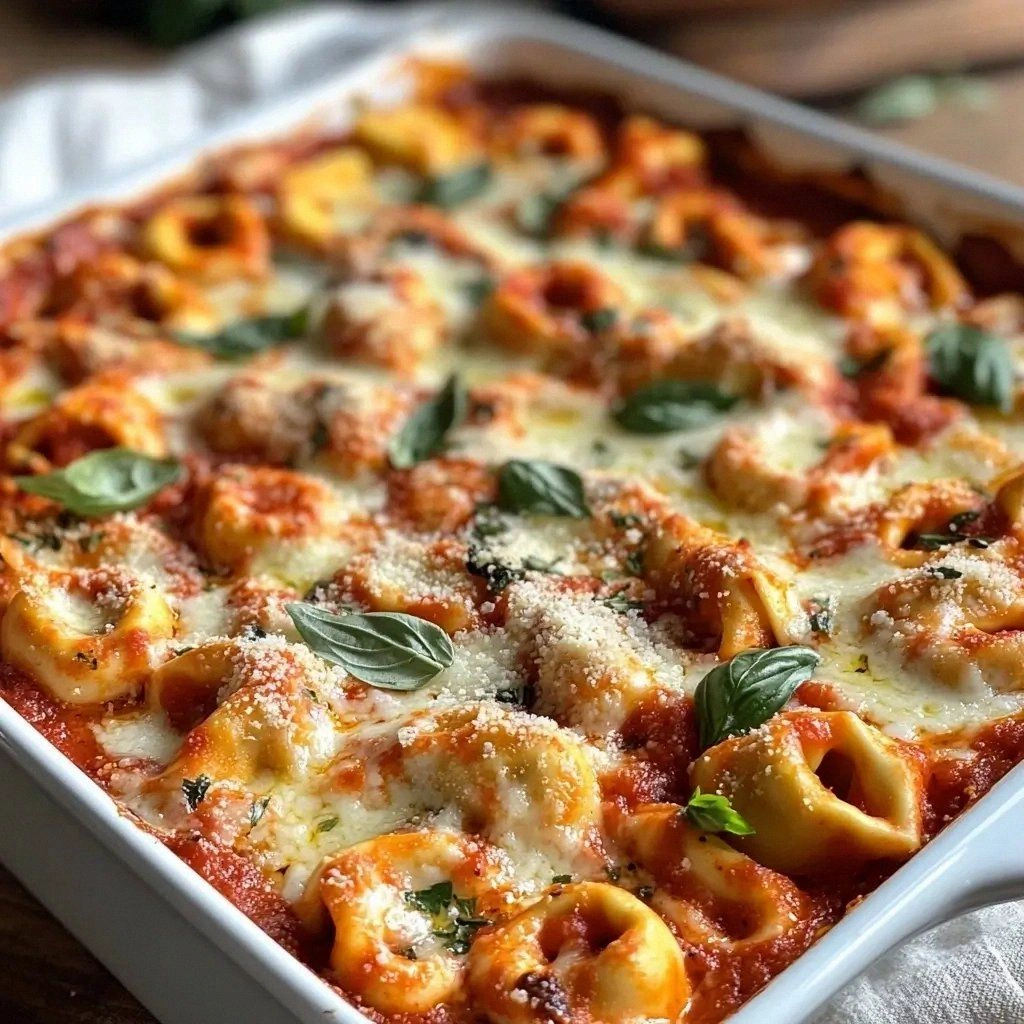
The moment the sauce hit the pan, the kitchen filled with a rich, tomato‑red aroma that wrapped around my senses like a warm blanket. The sound of bubbling marinara was a comforting lullaby, while the sight of golden cheese melting over the tortellini felt like watching a sunrise on a plate. When I lifted a spoonful to taste, the sauce coated the pasta like velvet, the ricotta added a creamy whisper, and the mozzarella turned into a bubbling, golden crust. The final bite was a symphony of textures—soft, chewy, and crunchy all at once—followed by a savory, herbaceous finish that left a lingering echo of fresh basil.
This version stands out because it doesn’t just stack ingredients together; it layers flavors, textures, and aromas into a single, comforting masterpiece. I’ve tweaked the classic recipe with a secret blend of Italian seasoning, a touch of Parmesan for depth, and a strategic baking method that ensures the top is crispy while the inside stays luscious. Most casserole recipes get this completely wrong, but here, the sauce is thick enough to cling to each tortellini, the cheeses melt into a creamy blanket, and the finish is a golden, bubbly crown that shatters like thin ice when you cut into it.
I dare you to taste this and not go back for seconds. I’ll be honest— I ate half the batch before anyone else got to try it. Picture yourself pulling this out of the oven, the whole kitchen smelling incredible, and watching your friends’ eyes widen as the first forkful melts in their mouths. If you’ve ever struggled with a pasta casserole that ends up soggy or bland, you’re not alone— and I’ve got the fix. This is hands down the best version you’ll ever make at home, and I’m going to walk you through every single step, so by the end, you’ll wonder how you ever made it any other way.
What Makes This Version Stand Out
- Taste: The marinara is simmered with garlic, crushed tomatoes, and a splash of red wine, creating a depth that turns ordinary pasta into a savory delight.
- Texture: The ricotta adds a silky creaminess that balances the chewy tortellini, while the mozzarella forms a golden, bubbly crust that’s irresistibly crunchy.
- Simplicity: With just eight ingredients, you can whip up a gourmet casserole in under an hour—no advanced techniques required.
- Uniqueness: The blend of Italian seasoning and grated Parmesan gives a subtle umami punch that elevates the dish beyond the standard casserole.
- Crowd Reaction: Friends and family rave about the melt‑in‑your‑mouth texture and the perfect balance of sauce and cheese.
- Ingredient Quality: Using fresh tortellini and high‑quality cheeses makes the difference between a good dish and a great one.
- Cooking Method: Baking in a single layer ensures even cooking and a crisp top, while the sauce stays thick and flavorful.
- Make‑ahead Potential: Assemble the casserole, refrigerate, and bake when you’re ready—perfect for busy weeknights.
Alright, let’s break down exactly what goes into this masterpiece…
Inside the Ingredient List
The Flavor Base
The marinara sauce is the backbone of this dish. It’s made from crushed tomatoes, garlic, onion, and a splash of red wine, simmered until the flavors meld into a rich, velvety sauce. Skipping the wine will make the sauce less complex, while adding a pinch of sugar can balance acidity if your tomatoes are particularly tart. A high‑quality marinara, preferably homemade or from a reputable brand, will give your casserole the depth it deserves.
The Texture Crew
Cheese tortellini bring a hearty, pillowy chew that stands up well to the baking process. Fresh tortellini hold their shape better and have a superior flavor, but frozen works just fine if you’re short on time. Ricotta cheese adds a silky creaminess that cuts through the richness of the marinara, while shredded mozzarella provides that gooey, melty quality that fans of cheese love. The grated Parmesan adds a nutty, salty finish that rounds out the flavor profile.
The Unexpected Star
Italian seasoning is the unsung hero that ties all the flavors together. A blend of basil, oregano, thyme, and rosemary, it elevates the dish from simple to sophisticated. If you can’t find a pre‑made blend, mix equal parts dried basil, oregano, and thyme. The seasoning ensures that each bite carries a burst of herbaceous warmth.
The Final Flourish
Salt and pepper to taste are essential for balancing flavors. Freshly ground pepper adds a subtle heat, while a pinch of salt brings out the sweetness of the tomatoes. Fresh basil, when sprinkled on top before serving, adds a fresh, aromatic note that brightens the dish. If you’re feeling adventurous, a drizzle of olive oil or a sprinkle of crushed red pepper can add a new dimension.
Everything’s prepped? Good. Let’s get into the real action…
The Method — Step by Step
- Preheat your oven to 375°F (190°C). Lightly grease a 9x13 inch baking dish with a drizzle of olive oil or a non‑stick spray. This simple step ensures the casserole slides out smoothly and prevents sticking.
- In a large mixing bowl, combine the cheese tortellini, marinara sauce, and Italian seasoning. Toss until every piece is coated evenly. The sauce should cling to each tortellini like a velvety blanket; if it’s too thin, add a splash of milk or cream to thicken.
- Add the ricotta cheese to the mixture, folding it in gently so it distributes without breaking the tortellini. The ricotta adds a creamy layer that balances the tomato’s acidity and the cheeses’ richness.
- Pour the mixture into the prepared baking dish, spreading it out in an even layer. This ensures that every bite gets a fair share of sauce and cheese.
- Sprinkle the shredded mozzarella evenly over the top, followed by the grated Parmesan. The mozzarella will melt into a golden, bubbly crust, while the Parmesan adds a savory, nutty finish.
- Cover the dish loosely with aluminum foil and bake for 25 minutes. The foil traps steam, keeping the casserole moist while the cheeses melt to perfection.
- Remove the foil and bake for an additional 10 minutes, or until the top is golden brown and the edges begin to pull away. The crust should feel crisp when you press it lightly with a spoon.
- Let the casserole rest for 5 minutes before serving. This allows the cheese to set slightly, making it easier to cut clean slices that hold together.
- Garnish with fresh basil leaves before serving. The basil adds a burst of color and a fresh, aromatic finish that ties the dish together.
That’s it—you did it. But hold on, I’ve got a few more tricks that’ll take this to another level…
Insider Tricks for Flawless Results
The Temperature Rule Nobody Follows
Many people bake casseroles at 350°F, but that can leave the top soggy. Baking at 375°F ensures a crisp, golden crust while keeping the interior moist. If your oven runs hot, lower the temperature slightly but add a few minutes to the baking time.
Why Your Nose Knows Best
A well‑seasoned casserole will fill the kitchen with an aroma that signals perfection. If the dish smells like burnt cheese, it’s time to lower the heat or reduce the baking time. A subtle, tomato‑herb scent means you’re on the right track.
The 5‑Minute Rest That Changes Everything
Letting the casserole rest after baking allows the cheeses to set, preventing a runny mess when you cut. It also lets the flavors meld, creating a more cohesive taste profile. Skip this step, and you’ll end up with a soggy, uneven casserole.
Add a Splash of Water
If you’re reheating leftovers, add a tablespoon of water to the bottom of the dish before microwaving or oven reheating. This steams the casserole back to a moist, gooey state without drying it out.
Use a Lighter Pan
A light‑colored baking dish reflects heat, ensuring even baking and preventing the bottom from burning. Dark pans absorb more heat, which can scorch the bottom before the top is done.
Creative Twists and Variations
This recipe is a playground. Here are some of my favorite ways to switch things up:
Spinach & Feta Twist
Swap the ricotta with a mixture of spinach and feta. The spinach adds a subtle earthiness, while feta provides a tangy contrast that pairs wonderfully with the marinara.
Spicy Pepperoni Casser
Add sliced pepperoni or a handful of crushed red pepper flakes for a kick. The pepperoni’s fat melts into the sauce, giving a richer, savory bite.
Vegetarian Mushroom Medley
Stir in sautéed mushrooms and onions for an earthy, umami boost. The mushrooms absorb the sauce, adding depth and a meaty texture without any meat.
Cheesy Sausage Surprise
Replace half of the tortellini with cooked Italian sausage. The sausage’s spices mingle with the Italian seasoning, creating a hearty, comforting flavor profile.
Herb‑Infused Ricotta
Mix fresh chopped herbs—parsley, basil, and oregano—into the ricotta before folding it into the casserole. This gives the dish a bright, aromatic lift that’s perfect for spring.
Pesto Power
Swirl in a few spoonfuls of basil pesto for a green, nutty twist. The pesto adds a fresh, herbal flavor that contrasts nicely with the rich cheeses.
Storing and Bringing It Back to Life
Fridge Storage
Store leftover casserole in an airtight container for up to 3 days in the refrigerator. Keep it in the middle shelf to maintain a consistent temperature and avoid condensation that can make the dish soggy.
Freezer Friendly
For longer storage, wrap the casserole tightly in plastic wrap, then place it in a freezer‑safe container. It will keep for up to 2 months. When ready to eat, thaw overnight in the fridge before reheating.
Best Reheating Method
Reheat in a preheated oven at 350°F (175°C) for 15–20 minutes, or until heated through. Add a tablespoon of water to the bottom of the dish to keep the casserole moist and sprinkle a few fresh basil leaves for a fresh finish.