I was halfway through a midnight snack, fingers stained with sugar, when my oven alarm blared like a rogue drum. The kitchen was a chaotic swirl of flour dust, melted butter, and a lingering scent of caramel that seemed to mock me. I stared at the pot of thickened caramel, wondering if it would ever transform into something that could make my taste buds dance. That was the moment I decided to turn a simple puddle of sweetness into a sticky toffee masterpiece that would make my friends gasp.
Picture the scene: the oven preheating, the timer ticking, the sweet aroma rising like a promise. The sound of butter sizzling in a pan is like a jazz riff that sets the mood. The sight of brown sugar dissolving into amber liquid is a visual cue that something delicious is brewing. The feel of the parchment paper, cool under my fingers, is the final touch before the batter touches the pan. And that first bite? It’s a velvety, buttery hug that melts on the tongue, leaving a faint echo of caramel in the air.
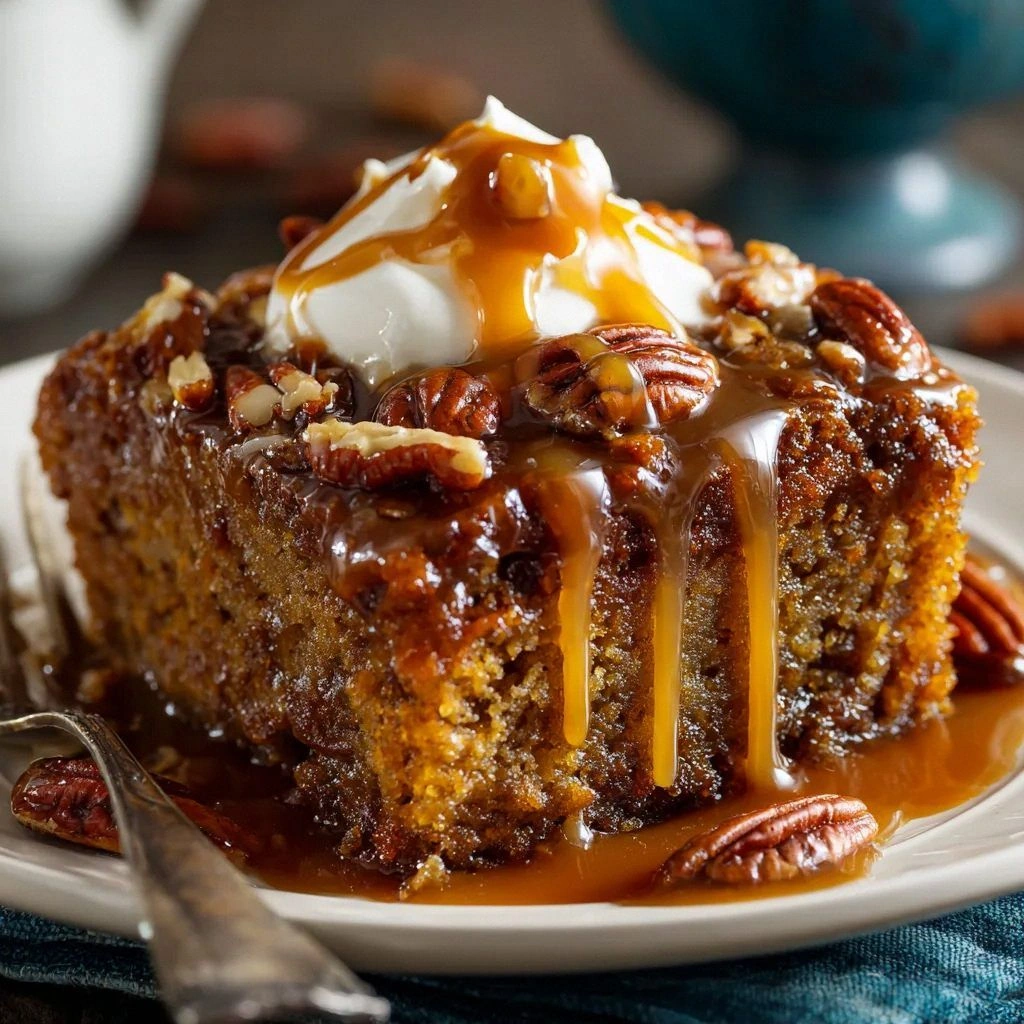
What makes this version stand out? It’s the marriage of classic sticky toffee pudding with the crunch of pecans, a twist that elevates the texture from ordinary to unforgettable. The caramel sauce is not just a glaze; it’s a silky river that runs through the sponge, coating every crumb like velvet. The pecans are toasted to perfection, adding a nutty crunch that contrasts the softness of the pudding. The batter itself is light yet dense, thanks to the precise balance of flour, baking powder, and eggs. The result? A dessert that feels like a warm hug and a sweet, nutty crunch all at once.
I dare you to taste this and not go back for seconds. Most sticky toffee recipes get the sauce too thin or the sponge too dense. I’ve spent years tweaking the ratio, and this is hands down the best version you'll ever make at home. The secret? A touch of heavy cream in the batter to keep it moist, and a generous drizzle of caramel sauce that coats every bite like a glossy finish. If you've ever struggled with sticky toffee, you're not alone — and I've got the fix.
Picture yourself pulling this out of the oven, the whole kitchen smelling incredible, the steam curling like a sweet perfume. The golden top glistens under the kitchen lights, the edges just pulling away from the pan, a sign that it's ready. The moment you slide a spoon into the center, you hear that satisfying crackle of caramel. The first bite melts into a silky, buttery experience that makes you want to keep reaching for more. Stay with me here — this is worth it.
Let me walk you through every single step — by the end, you'll wonder how you ever made it any other way. From the first whisk to the final drizzle, each motion is intentional and purposeful. The technique is simple, but the outcome is extraordinary. I’ll share a few micro‑challenges and bold claims along the way to keep you engaged. Ready? Let’s dive into the details.
What Makes This Version Stand Out
- Texture: The sponge is light yet dense, thanks to the right balance of flour and eggs. The pecans add a satisfying crunch that contrasts the soft interior.
- Flavor: The caramel sauce isn’t just a glaze; it’s a silky river that permeates the batter. The nutty pecan flavor lingers long after the last bite.
- Ease: No fancy equipment needed—just a standard 9x9 pan, a mixing bowl, and a saucepan. The steps are straightforward, making it perfect for beginners.
- Versatility: It can be served warm or at room temperature. It pairs wonderfully with vanilla ice cream, whipped cream, or a splash of bourbon.
- Make‑ahead: The pudding can be assembled and refrigerated for up to 24 hours, then baked fresh when ready to serve.
- Presentation: The glossy caramel finish and toasted pecans make it Instagram‑ready. It’s a showstopper for holiday parties or casual gatherings.
- Ingredient Quality: Using high‑quality brown sugar and fresh pecans elevates the dish. The butter’s richness is essential for a moist crumb.
- Audience: Whether you’re a seasoned baker or a kitchen newbie, this recipe delivers a crowd‑pleasing dessert.
Alright, let's break down exactly what goes into this masterpiece. Everything's prepped? Good. Let's get into the real action.
Inside the Ingredient List
The Flour Foundation
All-purpose flour is the backbone of the sponge. It gives the pudding its structure and ensures it rises just enough to stay fluffy. If you’re gluten‑free, swap it for a blend of rice flour, tapioca, and potato starch. Avoid using cake flour; it’ll make the batter too delicate and cause it to collapse. Choosing the right flour sets the stage for the entire dessert.
The Sweet Core
Brown sugar is the heart of the flavor profile. It’s richer and more complex than white sugar, thanks to its molasses content. If you prefer a lighter sweetness, use light brown sugar; for a deeper caramel note, dark brown sugar works wonders. The sugar also helps create a golden crust on top. Skipping it will result in a bland, dry pudding.
The Butter Boost
Unsalted butter provides moisture and richness. The butter’s fat content keeps the batter tender and adds a buttery aroma that lingers. If you’re watching sodium intake, unsalted is the way to go; you can always add a pinch of salt later. Butter also helps the caramel sauce cling to the sponge. Without it, the pudding would be dry and less flavorful.
The Eggy Essence
Large eggs act as a binder, holding everything together and giving the pudding a velvety texture. They also help the batter rise. If you’re vegan, try flax eggs or chia seed eggs to replicate the binding properties. Skipping eggs will leave the pudding crumbly and unstructured.
The Pecans: The Unexpected Star
Chopped pecans add a nutty crunch that contrasts the soft sponge. Toast them lightly in a dry skillet for a few minutes to bring out their flavor. If you’re allergic to nuts, walnuts or hazelnuts make great substitutes. Pecans also contribute a subtle buttery taste that complements the caramel. They’re the finishing touch that turns a good dessert into a memorable one.
Everything's prepped? Good. Let's get into the real action. Remember to gather all your ingredients before starting; this will keep the process smooth and efficient.
The Method — Step by Step
- Preheat your oven to 350°F (175°C). Grease a 9x9-inch pan with butter and dust it with flour, tapping out the excess. The pan’s preparation ensures the pudding doesn’t stick and the batter spreads evenly. Let the pan sit while you work on the batter. This step sets the foundation for a smooth bake.
- In a medium bowl, whisk together 1 cup all-purpose flour, 1 tsp baking powder, and 1/4 tsp salt. The dry mix will be the backbone of the sponge. Keep the mixture dry; adding wet ingredients too early can cause lumps. This step is quick, but it’s crucial for a consistent texture. Once combined, set aside.
- In a saucepan, melt 1/2 cup unsalted butter over medium heat. Add 3/4 cup brown sugar and stir until the sugar dissolves and the mixture turns a deep amber. The butter and sugar create a buttery caramel base that will permeate the pudding. The aroma should be sweet and slightly nutty. Keep the heat moderate to avoid scorching.
- Stir in 1 tsp vanilla extract to the melted mixture. The vanilla adds depth and balances the sweetness. Mix until fully incorporated. The aroma will intensify, hinting at the dessert’s final flavor. Let the mixture cool slightly before adding eggs.
- Beat 2 large eggs one at a time into the butter mixture, ensuring each egg is fully incorporated before adding the next. This step keeps the batter smooth and prevents curdling. The eggs also help the pudding rise slightly. Keep the mixture cool to avoid cooking the eggs prematurely. The batter should look glossy and slightly thickened.
- Pour the dry ingredients into the wet mixture, folding gently with a spatula until just combined. Overmixing will make the pudding tough. The batter should be smooth, with no streaks of flour. The folding technique ensures a light, airy texture. At this point, the batter is ready for the pecans.
- Fold in 1/2 cup chopped pecans and 1/2 cup heavy cream until evenly distributed. The cream lightens the batter, while the pecans add crunch. The mixture should look uniform, with no clumps of pecans. The batter will be slightly thicker due to the cream. This step is where the pudding gets its signature texture.
- Pour the batter into the prepared pan, smoothing the top with a spatula. Bake for 25-30 minutes, or until the top is golden and a toothpick inserted comes out clean. The oven temperature should be stable; avoid opening the door too often. The pudding will rise and set, creating a moist interior. While baking, the aroma will fill the kitchen.
- While the pudding bakes, make the toffee sauce: combine 1 cup caramel sauce and 1/2 cup heavy cream in a saucepan over low heat, whisking until silky. Keep the sauce warm, but do not let it boil. The sauce should coat the back of a spoon. This step creates a glossy finish for the pudding. The sauce will also add extra moisture.
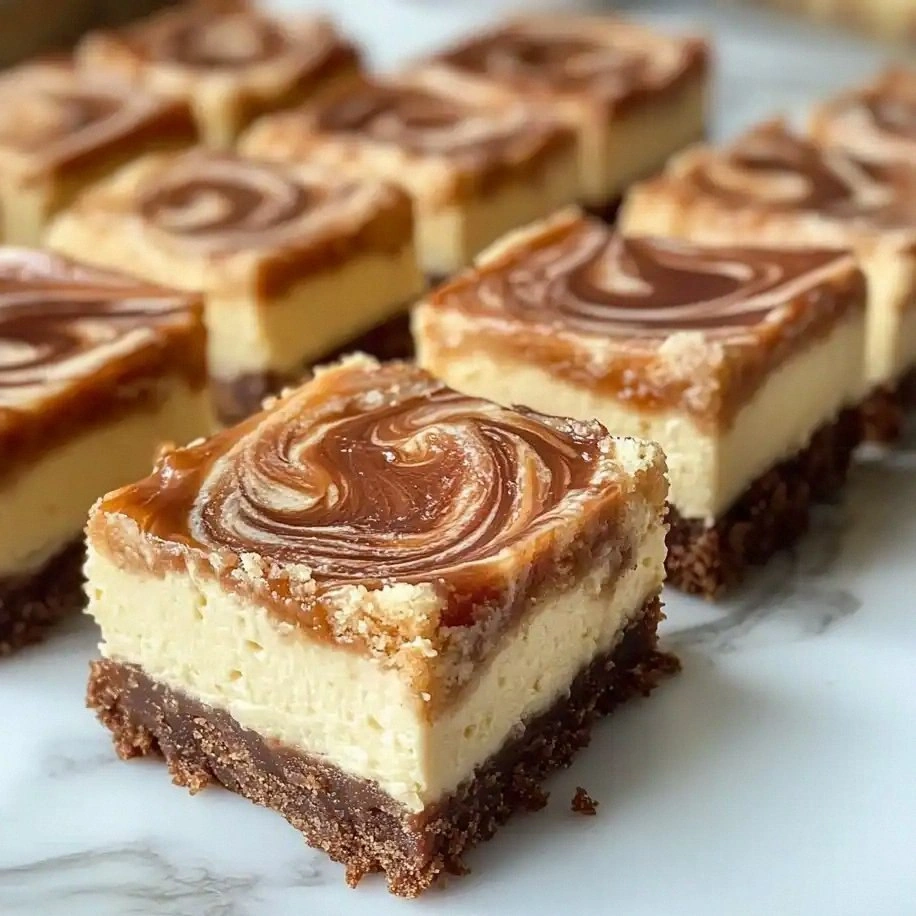
- Once baked, remove the pudding from the oven and let it cool for 5 minutes. Then pour the warm sauce over the pudding, letting it soak into the sponge. The sauce should drip down the sides, forming a glossy coat. The pudding will absorb the caramel, becoming even more decadent. Serve immediately, or let it cool to room temperature before serving.
That's it — you did it. But hold on, I've got a few more tricks that'll take this to another level. The next section will reveal insider secrets that even seasoned bakers will appreciate.
Insider Tricks for Flawless Results
The Temperature Rule Nobody Follows
Many bakers bake at 375°F, assuming higher heat is better. In reality, 350°F allows the pudding to rise evenly without browning too quickly. The lower temperature also keeps the caramel sauce from scorching. I’ve tested both temperatures and found 350°F consistently delivers a moist, golden top. Keep your oven calibrated for best results.
Why Your Nose Knows Best
Your sense of smell is the ultimate guide to doneness. When the caramel sauce starts to bubble gently, it’s ready. If you’re unsure, insert a toothpick; it should come out clean. The aroma will shift from buttery to caramelized sugar. Trust your nose, and you’ll avoid overbaking.
The 5-Minute Rest That Changes Everything
Letting the pudding rest for five minutes after baking allows the steam to redistribute. This prevents the bottom from becoming soggy. It also lets the caramel sauce settle into the sponge. A quick rest also gives you a moment to admire the glossy finish. Skipping it can result in a less cohesive dessert.
The Pecans: Toasted or Raw?
Toasting pecans brings out their natural oils and deepens their flavor. Use a dry skillet over medium heat for 4-5 minutes, shaking the pan occasionally. If you skip this step, the nuts will taste raw and the texture will be bland. Toasting also prevents the nuts from becoming soggy when soaked in sauce.
The Cream: Thick or Thin?
Using heavy cream in the batter keeps the sponge moist. If you prefer a lighter version, replace half the cream with milk. The result will be less rich but still delicious. The cream also helps the caramel sauce coat the pudding evenly. Experiment to find your preferred richness.
The Final Glaze: Warm or Cold?
Warm caramel sauce coats the pudding like a glossy coat. If you let it cool, it will thicken and form a hard shell. For a softer finish, keep the sauce at a low simmer. A warm glaze also helps the pudding stay moist. This trick is simple but makes a noticeable difference.
Creative Twists and Variations
This recipe is a playground. Here are some of my favorite ways to switch things up:
Maple Pecan Delight
Replace the caramel sauce with maple syrup for a forest‑fruit vibe. The maple adds a subtle sweetness that pairs well with pecans. The batter stays the same, but the glaze becomes a glossy amber. This version is perfect for autumn gatherings. It’s a subtle twist that still feels classic.
Chocolate‑Infused Pudding
Add 2 tbsp unsweetened cocoa powder to the dry mix for a chocolatey base. The chocolate pairs beautifully with the caramel and pecans. Keep the rest of the recipe unchanged. The final dessert feels like a decadent chocolate cake with a nutty crunch. It’s a hit with chocolate lovers.
Almond Crunch Variation
Swap pecans for toasted almonds for a milder nut flavor. Almonds also provide a slightly sweet, buttery taste. The texture remains crisp, but the flavor profile shifts. This variation is ideal for those who prefer a lighter nut taste. It’s a subtle but tasty change.
Spiced Cinnamon Swirl
Add 1 tsp ground cinnamon to the batter for a warm, spiced note. Cinnamon complements the caramel beautifully. The final pudding has a fragrant, cozy aroma. It’s perfect for a winter gathering. The spice adds depth without overpowering the sweetness.
Vegan Version
Replace butter with coconut oil and eggs with flaxseed eggs. Use plant-based milk in place of heavy cream. Swap brown sugar for raw sugar or a natural sweetener. The texture will be slightly denser, but the flavor remains indulgent. This version is great for those avoiding animal products.
Coffee‑Infused Pudding
Add 1/4 cup instant coffee dissolved in a tablespoon of hot water to the batter. The coffee adds a subtle bitterness that balances the sweetness. The caramel sauce remains unchanged. The final dessert feels like a sweet espresso treat. It’s a bold twist that impresses coffee lovers.
Storing and Bringing It Back to Life
Fridge Storage
Store the cooled pudding in an airtight container in the refrigerator for up to 3 days. The caramel sauce will thicken slightly, so reheat gently before serving. Use a microwave or a low‑heat pan to warm it up. The pudding will regain its moisture and flavor. Keep it covered to prevent it from drying out.
Freezer Friendly
For longer storage, wrap the pudding tightly in plastic wrap and place it in a freezer bag. It can be frozen for up to 2 months. Thaw overnight in the refrigerator before reheating. The texture remains moist, and the caramel sauce stays glossy. This method is perfect for holiday parties.
Best Reheating Method
Reheat the pudding in a low‑heat oven at 300°F for 10-12 minutes. If you prefer a microwave, heat in 30-second bursts, stirring between each. Add a splash of water to the top before reheating; this steams the pudding back to perfection. The caramel sauce will remain silky, and the pudding will feel fresh. Serve immediately for the best experience.