Picture this: I was halfway through a frantic Sunday dinner, juggling a pot of boiling potatoes and a pan of sizzling onions, when the oven alarm blared a warning that my meatballs had turned into a chewy, dry mess. The room smelled of burnt breadcrumbs, and my stomach growled louder than the kitchen clock. I stared at the browned lumps, feeling the sting of disappointment. That moment turned into a turning point, a dare from a friend who challenged me to recreate the legendary Swedish meatballs from a recipe I'd only seen in a glossy cookbook. I laughed, because I knew I could do better, and I promised myself a version that would have the crowd begging for seconds. I was determined to find the secret that turns ordinary ground meat into a melt‑in‑your‑mouth masterpiece. I set my sights on a recipe that would balance savory depth with a creamy, silky gravy. And so the quest began, armed with a pantry full of humble staples and a curiosity that would lead me to culinary gold.
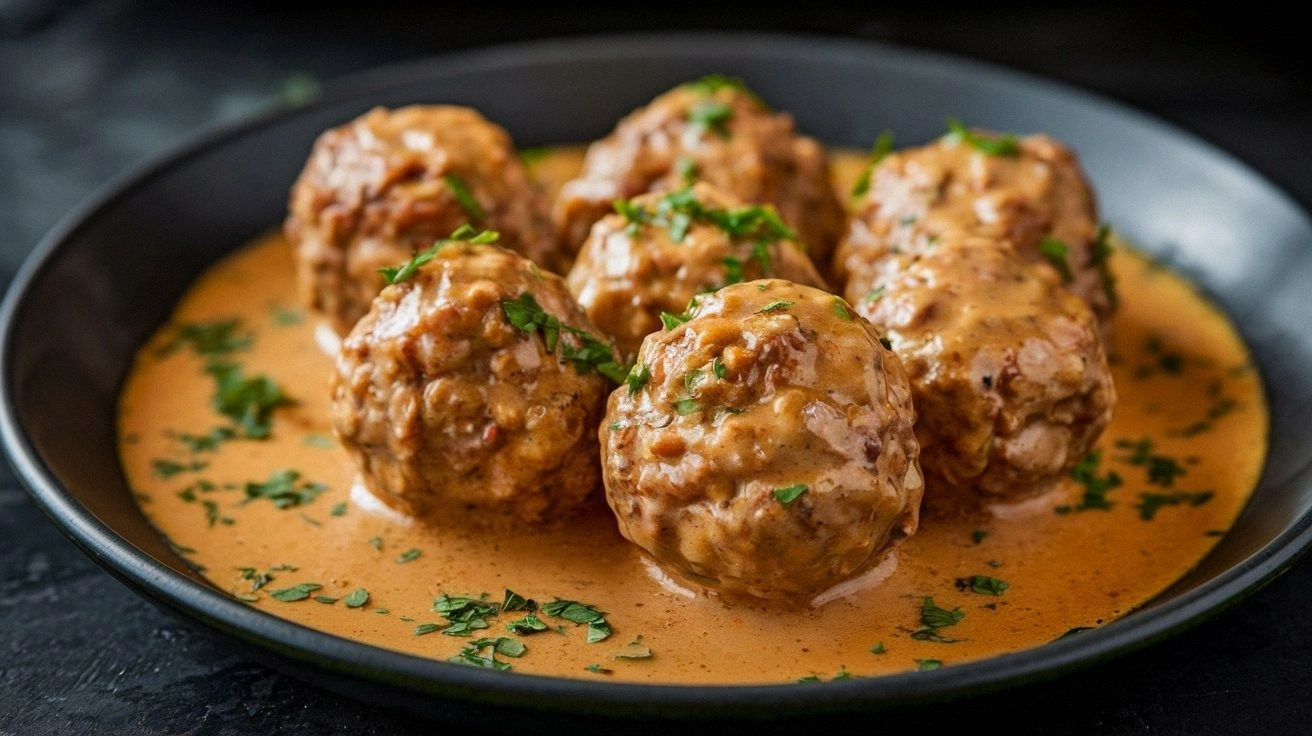
First, the sight of a golden crust forming on the meatballs as they sizzle in a hot pan is a promise of flavor. The aroma that rises from the pan is a blend of toasted onions, garlic, and the faint sweetness of caramelized beef. When you lift a ball, the surface crackles softly, releasing a faint, nutty scent from the nutmeg and allspice. The sound of the skillet is a rhythmic thud, a cue that the cooking is proceeding at just the right tempo. Taste-wise, the initial bite offers a savory punch, followed by a subtle warmth from the spices that lingers on the palate. The texture is a delicate balance of tender meat inside with a slightly crisp exterior that gives way to a juicy core. The feel of the sauce as it coats each bite is silky, like a velvet blanket that keeps the meat moist and flavorful. And the final visual: a glossy, pale gravy that glistens over the meatballs, ready to be spooned onto a bed of buttered noodles or mashed potatoes.
Most versions I tried before this one left the meatballs dry or the gravy too thick, but this recipe keeps everything moist and cohesive. The key is the precise ratio of beef to pork, which adds both flavor and fat for tenderness. The use of fresh breadcrumbs soaked in milk creates a light, airy interior that doesn't clump. The subtle inclusion of a dash of mustard adds a bright note that cuts through the richness. The gravy, made with a roux of butter and flour, thickens smoothly without lumps. The addition of heavy cream at the end gives the sauce a luxurious mouthfeel that lingers. The finish is a harmonious blend of savory, slightly sweet, and aromatic spices that dance on the tongue. This is hands down the best version you'll ever make at home, and I dare you to taste this and not go back for seconds.
I promised myself that this version would have a twist that most recipes miss: a hint of fresh dill that brings a bright, herbal lift. I also experimented with a small amount of grated Parmesan, which adds depth without overpowering the Swedish classic. The result is a dish that feels both nostalgic and fresh, like a warm hug that also surprises your taste buds. The sauce coats the meatballs like velvet, and the edges of each ball have a gentle crisp that shatters like thin ice when you bite into it. The aroma of dill and Parmesan mingles with the nutmeg, creating a scent that makes you crave more. Picture yourself pulling this out of the oven, the whole kitchen smelling incredible, and your guests already lining up for the first bite. If you’ve ever struggled with Swedish meatballs, you’re not alone—my experience taught me the exact fixes that make the dish flawless. Let me walk you through every single step—by the end, you'll wonder how you ever made it any other way.
What Makes This Version Stand Out
- Flavor: The blend of beef and pork delivers a rich, meaty base, while the nutmeg and allspice give a warm, aromatic lift that feels unmistakably Swedish.
- Tenderness: Soaking the breadcrumbs in milk before mixing creates a light, airy interior that keeps the meatballs moist even after baking.
- Texture: A thin, crisp crust forms around each ball, offering a satisfying snap that contrasts with the juicy core.
- Simplicity: With only a handful of pantry staples and a straightforward method, you can achieve restaurant‑level results in under an hour.
- Make‑ahead: The meatballs can be frozen before cooking, and the gravy holds up well when reheated, making this a perfect weeknight or weekend crowd‑pleaser.
- Ingredient Quality: Using fresh herbs, a splash of Dijon mustard, and a touch of Worcestershire sauce elevates the dish beyond the standard recipe.
- Presentation: The creamy, pale gravy glistens like velvet, and a sprinkle of fresh parsley gives the dish a pop of color that instantly feels finished.
- Versatility: Serve over buttered noodles, mashed potatoes, or even a crisp salad—each option showcases the sauce in a different way.
Inside the Ingredient List
The Meat Blend
The foundation of any great meatball is the meat itself. For this recipe, I use a 50/50 mix of fresh ground beef and ground pork. The beef provides robust flavor, while the pork adds essential fat that keeps the balls from drying out during baking. If you can’t find pork, a small amount of bacon fat or a splash of olive oil can compensate, but the texture will be slightly different. The ratio is crucial—too much beef and the meatballs become dry; too much pork and they’ll be overly greasy.
The Breaded Base
Breadcrumbs soaked in milk create a light, airy interior that prevents the meat from becoming dense. Use fresh, dry breadcrumbs for the best texture; stale breadcrumbs will absorb too much liquid and make the mixture heavy. If you’re gluten‑free, substitute with gluten‑free breadcrumbs or finely ground oats. The milk not only softens the breadcrumbs but also adds a subtle richness that enhances the overall flavor.
The Flavorful Sauce
The gravy is the heart of this dish. Start with a classic roux of butter and flour to thicken the sauce, then slowly whisk in beef broth, heavy cream, and a splash of Dijon mustard. The mustard adds acidity that balances the richness, while Worcestershire sauce brings depth. Finish with fresh dill and a pinch of nutmeg for that unmistakable Swedish aroma. If you prefer a lighter sauce, replace half the cream with milk or a plant‑based alternative; the sauce will still cling beautifully to the meatballs.
The Final Flourish
A handful of fresh parsley and a drizzle of olive oil before serving add color and a bright, herbal note that cuts through the richness. Grated Parmesan sprinkled on top before baking gives a subtle nutty flavor and a slightly crispy top. If you’re serving the meatballs over noodles, toss them in the sauce right before plating to ensure every bite is coated in velvety gravy. Remember, the key to a memorable dish is the final touch that elevates everything from ordinary to extraordinary.
Everything's prepped? Good. Let's get into the real action...
The Method — Step by Step
- Step 1: Preheat the oven to 375°F (190°C) and line a baking sheet with parchment paper. In a large mixing bowl, combine the ground beef, ground pork, soaked breadcrumbs, milk, and a beaten egg. The egg acts as a binder, keeping the meatballs cohesive. Mix until just combined; over‑mixing can make the meat tough. Let the mixture chill in the fridge for 15 minutes to firm up, making it easier to form the balls.
- Step 2: In a separate bowl, finely dice half an onion and mince two cloves of garlic. Add the onion, garlic, salt, pepper, nutmeg, allspice, and a teaspoon of Dijon mustard to the meat mixture. The spices should be evenly distributed; a sprinkle of fresh dill and a pinch of Worcestershire sauce will give depth. Gently fold everything together, ensuring the spices are well incorporated without overworking the meat.
- Step 3: Using a tablespoon or a small ice‑cream scoop, portion the mixture into 1.5‑inch balls. The size is key—too large and they’ll take too long to cook; too small and they’ll dry out. Arrange the meatballs on the prepared baking sheet, spacing them about 2 inches apart. If you’re making a large batch, you can bake in two trays to avoid overcrowding.
- Step 4: Bake the meatballs for 18–20 minutes, flipping them halfway through. The edges should develop a golden brown crust while the center remains juicy. Use a meat thermometer if you’re a precision cook; the internal temperature should reach 165°F (74°C). The aroma that fills the kitchen will have you dreaming of dinner tables for days.
- Step 5: While the meatballs bake, prepare the gravy. In a medium saucepan, melt two tablespoons of butter over medium heat. Once bubbling, whisk in two tablespoons of all‑purpose flour to create a roux. Cook for 1–2 minutes, stirring constantly, until the mixture turns a light golden hue. This step is crucial to avoid a chalky sauce.
- Step 6: Gradually pour in one cup of beef broth, whisking continuously to prevent lumps. Let the mixture simmer for about 4 minutes, allowing the roux to thicken. Add half a cup of heavy cream, a teaspoon of Worcestershire sauce, and a teaspoon of Dijon mustard. Stir until the sauce is silky and smooth. The sauce should coat the back of a spoon without dripping.
- Step 7: Reduce the heat to low and gently fold in the baked meatballs, ensuring each one is coated with the gravy. Sprinkle in two tablespoons of fresh dill and two tablespoons of grated Parmesan. The dill adds brightness, while the Parmesan contributes a subtle nutty finish. Let the mixture simmer for an additional 3 minutes so the flavors meld together.
- Step 8: Transfer the meatballs and gravy to a serving dish. Garnish with chopped parsley and a drizzle of olive oil for a polished look. Serve immediately over buttered noodles, mashed potatoes, or a crisp salad. The sauce will cling to every bite, delivering that signature velvety texture that makes this dish unforgettable.
That's it — you did it. But hold on, I've got a few more tricks that'll take this to another level...
Insider Tricks for Flawless Results
The Temperature Rule Nobody Follows
Many cooks assume that room‑temperature meat will cook faster, but for Swedish meatballs, chilling the mixture actually improves texture. A cold blend is less likely to become mushy in the oven. After mixing, refrigerate the meat mixture for at least 15 minutes before forming the balls. This simple step gives the meatballs a firmer bite and keeps them from falling apart.
Why Your Nose Knows Best
If you’re unsure whether the gravy is ready, trust your nose. A buttery, slightly nutty aroma indicates that the roux has cooked properly. If the smell is raw or overly yeasty, let it simmer a bit longer. A well‑cooked roux also gives the sauce a golden hue, signaling that the flavor is on point.
The 5‑Minute Rest That Changes Everything
After removing the meatballs from the oven, let them rest on the baking sheet for five minutes. This brief pause allows the juices to redistribute, making each bite juicy and tender. During this time, the sauce thickens slightly, creating a richer coating for the meatballs. Don’t skip this step; it’s the secret to restaurant‑style moisture.
The Secret of the Sautéed Onions
Sautéing the onions until they’re caramelized before mixing into the meat adds depth. The caramelization brings out natural sugars that balance the savory meat. Use a splash of brown sugar to help the onions brown faster, but be careful not to over‑sweeten. The result is a subtle sweetness that pairs beautifully with the spices.
The Classic Dill Trick
Fresh dill is the star herb in Swedish meatballs, but it’s easy to overlook. Chop the dill finely and fold it into the sauce right before serving. The dill’s bright, almost citrusy flavor lifts the richness of the gravy and adds a pop of color. If you’re serving the meatballs over noodles, sprinkle a handful of dill on top for a finishing touch.
Creative Twists and Variations
This recipe is a playground. Here are some of my favorite ways to switch things up:
The Spicy Scandinavian
Add a pinch of cayenne pepper or a splash of hot sauce to the meat mixture for a subtle kick that contrasts the nutmeg’s warmth. Pair with roasted red peppers for an extra layer of flavor.
The Vegan Version
Replace the ground meats with a blend of finely chopped mushrooms, lentils, and textured vegetable protein. Use coconut milk instead of heavy cream, and substitute a plant‑based broth. The result is a hearty, plant‑based dish that still feels indulgent.
The Savory Mushroom Gravy
Sauté sliced mushrooms with the onions before adding the broth. The mushrooms infuse the gravy with earthiness, making it a perfect pairing for a cozy autumn dinner.
The Sweet & Smoky Twist
Add a tablespoon of maple syrup to the sauce and a dash of smoked paprika. The maple gives a subtle sweetness while the paprika adds a smoky undertone, creating a complex flavor profile.
The Mediterranean Spin
Swap the nutmeg for oregano and add a handful of chopped olives and sun‑dried tomatoes to the meat mixture. Finish the sauce with a splash of white wine for a bright, Mediterranean flair.
Storing and Bringing It Back to Life
Fridge Storage
Store cooked meatballs and gravy separately in airtight containers in the refrigerator for up to 3 days. The gravy will thicken in the fridge, so add a splash of milk or cream when reheating to restore its silky consistency.
Freezer Friendly
Freeze uncooked meatballs in a single layer on a parchment‑lined tray, then transfer to a freezer bag once solid. They’ll keep for up to 3 months. When ready to bake, skip the chilling step and bake at 375°F for 20–22 minutes.
Best Reheating Method
Reheat the meatballs and gravy together in a saucepan over low heat, stirring occasionally. Add a splash of water or broth to thin the sauce slightly, then let it simmer until hot. The key is gentle heat; high temperatures can dry out the meatballs.