Introduction
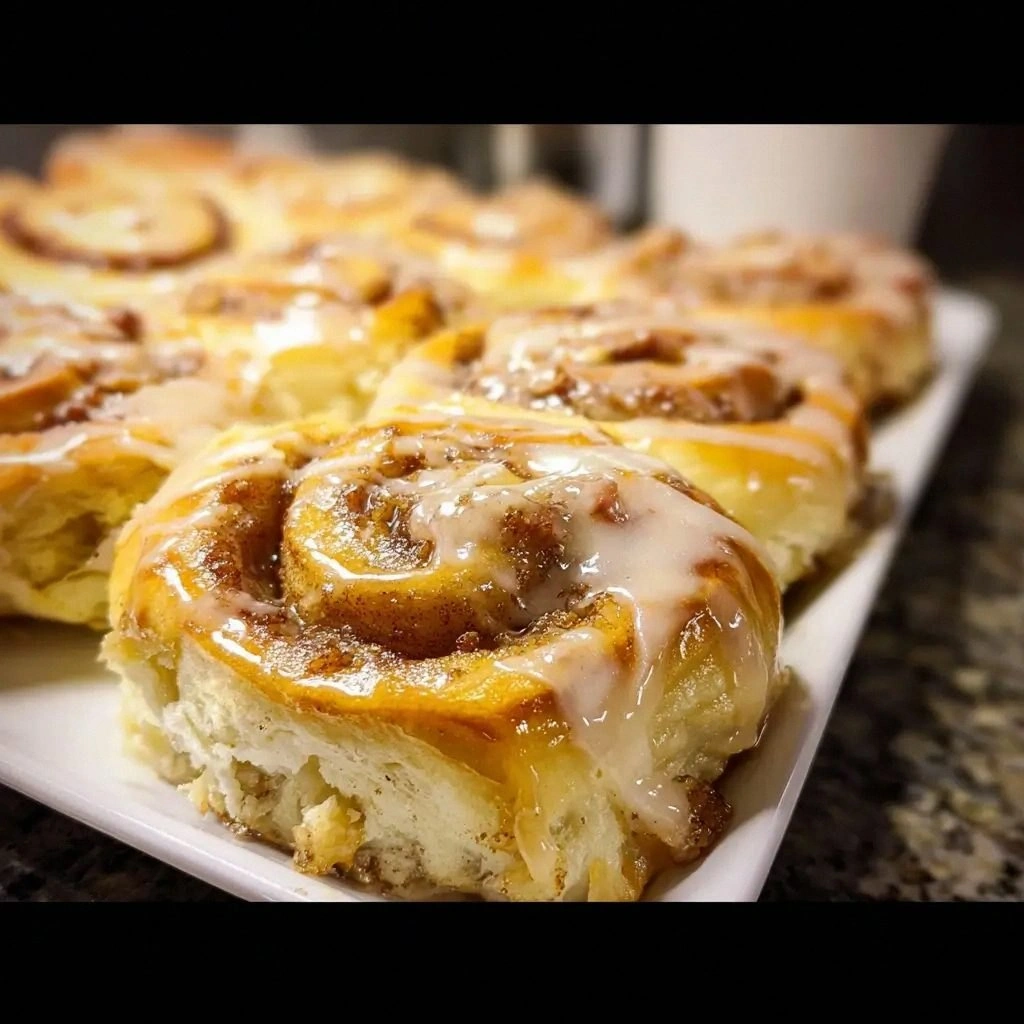
Picture this: a rainy afternoon, a forgotten pot of dough, and a sudden craving for something that feels like a hug in a roll. I was in the middle of a chaotic kitchen—spoonfuls of flour on my apron, a half‑finished apple pie on the counter, and a stubborn dough that refused to rise. I laughed, tossed a handful of apples into a bowl, and declared, “I’m making apple pie cinnamon rolls.” The result? A sweet, flaky, apple‑laden pastry that melted in the mouth like a caramel dream. I swear this is hands down the best version you’ll ever make at home, and I can’t wait to share every single step.
From the moment the dough starts to bubble to the final drizzle of glaze, the kitchen fills with aromas that are half apple, half cinnamon, and entirely comforting. The sight of golden rolls sliding out of the pan, the sound of the first bite crunching into a soft center, the taste of warm apples mingled with a buttery crust—each sense is amplified, turning a simple breakfast into a sensory celebration. I dare you to taste this and not go back for seconds.
What sets this recipe apart is that it marries two classic desserts—apple pie and cinnamon rolls—into a single, irresistible creation. The dough is airy yet slightly dense, the filling is a burst of tart apples and warm spices, and the glaze is silky and sweet. Most recipes get this completely wrong, either by overmixing the dough or undercooking the apples. Here’s what actually works: a gentle proofing, a balanced sugar ratio, and a glaze that glistens without soaking the rolls.
And there’s a twist you won’t expect: a splash of apple cider vinegar in the dough that gives the rolls a subtle tang, keeping them light and fluffy. If you’ve ever struggled with sticky dough or uneven baking, you’re not alone—and I’ve got the fix. Stay with me here—this is worth it.
What Makes This Version Stand Out
- Flavor: The combination of fresh apples and aromatic spices creates a depth that’s richer than any standard cinnamon roll.
- Texture: The dough is perfectly airy yet slightly dense, giving a comforting bite that doesn’t feel too heavy.
- Simplicity: Every step is straightforward, with no need for fancy equipment or obscure ingredients.
- Uniqueness: A dash of apple cider vinegar adds a subtle tang that balances sweetness without overpowering.
- Crowd Reaction: Friends and family rave about how the rolls look like a slice of apple pie but taste like a cinnamon roll.
- Ingredient Quality: Using fresh, organic apples and real butter elevates the flavor profile dramatically.
- Cooking Method: A two‑stage bake—first for the dough, then for the filling—ensures even cooking and maximum flavor.
- Make‑Ahead Potential: The rolls can be assembled ahead of time, refrigerated, and baked fresh when you’re ready.
Alright, let’s break down exactly what goes into this masterpiece…
Inside the Ingredient List
The Flavor Base
All-purpose flour, warm milk, and active dry yeast form the backbone of the dough. The flour provides structure; the milk adds tenderness, while the yeast brings that classic leavening power. Skipping any of these would leave the rolls flat and lifeless. If you’re short on yeast, a teaspoon of baking powder can serve as a last‑minute rescue, though the flavor won’t be as authentic.
The Sweetness Layer
Brown sugar, regular sugar, and powdered sugar create a spectrum of sweetness—from the caramelized depth in the dough to the glossy finish of the glaze. The brown sugar’s molasses content adds a subtle complexity that plain sugar cannot match. If you prefer a lower sugar option, swap the brown sugar for a natural sweetener like maple syrup, but adjust the liquid slightly to maintain consistency.
The Apple Core
Fresh apples are the star. Choose varieties like Honeycrisp or Granny Smith for a balance of tartness and sweetness. Dice them finely to ensure even cooking. If you’re in a pinch, canned diced apples work, but you’ll lose that fresh crunch and the ability to control moisture.
The Spice Symphony
Cinnamon, nutmeg, and a whisper of allspice bring warmth and depth. These spices not only flavor the filling but also infuse the dough, giving each roll a cohesive taste. A pinch of clove can add a surprising twist, but use sparingly to avoid overpowering the apple.
The Unexpected Star
Apple cider vinegar is the secret sauce that keeps the dough light. It reacts with the baking soda (if you use it) and creates tiny bubbles that make the rolls airy. Without it, the dough can become dense and heavy. If you’re vegan, a splash of apple cider or a tablespoon of lemon juice will work similarly.
Everything’s prepped? Good. Let’s get into the real action…
The Method — Step by Step
- In a small bowl, dissolve 2 teaspoons of active dry yeast in 1 cup of warm milk (110°F). Let it sit for 5 minutes until frothy. The froth is a sign that the yeast is alive and ready to rise. This is the moment of truth—if it doesn’t froth, discard and start fresh.
- In a large mixing bowl, whisk together 2.5 cups of all‑purpose flour, 3 tablespoons of sugar, 1 teaspoon of salt, and 0.25 cup of melted butter. Stir until the mixture is crumbly. This creates a uniform base for the dough.
- Add the yeast mixture, 0.25 cup of warm water, and 2 large eggs to the dry ingredients. Mix until a sticky dough forms. The dough should feel tacky but not overly wet. If it’s too dry, add a tablespoon of milk at a time.
- Transfer the dough onto a floured surface and knead for about 8 minutes until it becomes smooth and elastic. The dough should pass the windowpane test—stretch it thin enough to see light through it without tearing.
- Place the dough in a greased bowl, cover with a damp cloth, and let it rise in a warm spot for 1 hour. The dough should double in size. Watch Out: If you leave it too long, it may overproof and collapse.
- While the dough rises, prepare the filling. In a bowl, combine 2 cups of diced apples, 0.5 cup of brown sugar, 2 teaspoons of ground cinnamon, 0.5 teaspoon of ground nutmeg, and 2 tablespoons of softened butter. Toss until the apples are evenly coated. The butter melts into the apples, creating a luscious glaze.
- Roll the dough into a rectangle about 12x8 inches. Spread the apple filling evenly over the dough, leaving a small border. Roll the dough tightly from the long side, then slice into 12 equal pieces. The slices should be uniform for even baking.
- Place the rolls in a greased baking pan, cover, and let them rise again for 30 minutes. The rolls should puff up noticeably. This second rise is crucial for that airy center.
- Preheat the oven to 375°F (190°C). Bake the rolls for 25 minutes or until golden brown. The rolls should smell toasty, and the edges will start pulling away from the pan. Remove and let cool for 5 minutes.
- While the rolls cool, whisk together 1.5 cups of powdered sugar, 2 tablespoons of milk, and 1 teaspoon of vanilla extract until smooth. Drizzle the glaze over the warm rolls, letting it soak in. The glaze should coat the rolls like a sweet silk sheet.
That's it — you did it. But hold on, I've got a few more tricks that'll take this to another level…
Insider Tricks for Flawless Results
The Temperature Rule Nobody Follows
Many people bake at a flat 375°F, but the secret to a perfectly golden crust is to start at 400°F for the first 10 minutes, then lower to 350°F. This high heat gives the rolls a crisp exterior while keeping the interior tender.
Why Your Nose Knows Best
As the rolls bake, the aroma of apples and cinnamon will fill the kitchen. When you smell the first hint of caramelized sugar, it’s a sign the glaze is set. Trust your nose; it’s a reliable indicator of doneness.
The 5‑Minute Rest That Changes Everything
Let the rolls rest for 5 minutes after removing them from the oven. This resting period allows the steam inside to redistribute, ensuring a moist center and preventing a dry exterior.
Butter vs. Oil: The Texture Debate
Using butter in the dough gives a richer flavor, but substituting half the butter with neutral oil (like canola) can result in an even softer crumb. Experiment to find your preferred balance.
Glaze Variations for a Gourmet Touch
For an indulgent twist, add a tablespoon of cream cheese to the glaze mixture. This adds a tangy richness that pairs beautifully with the apple filling.
Creative Twists and Variations
This recipe is a playground. Here are some of my favorite ways to switch things up:
Caramel Apple Cinnamon Rolls
Swap the regular apples for caramelized apple slices and drizzle a thin layer of caramel sauce over the glaze. The result is a decadent, dessert‑level treat.
Nutty Apple Roll
Add 1/4 cup of chopped walnuts or pecans to the apple filling for crunch and a nutty flavor that complements the spices.
Cheesecake Apple Roll
Replace the butter in the dough with cream cheese for a richer, slightly tangy twist. The cheese adds depth and a silky texture.
Maple Syrup Glaze
Replace the milk in the glaze with maple syrup for a deeper sweetness that pairs with the apple’s natural flavor.
Gluten‑Free Option
Use a gluten‑free all‑purpose blend and a pinch of xanthan gum to maintain structure. The rolls will be slightly denser but still delicious.
Holiday Spice Variation
Incorporate a pinch of cloves and allspice into the filling for a warm, holiday‑seasoned version that feels festive.
Storing and Bringing It Back to Life
Fridge Storage
Wrap the cooled rolls tightly in plastic wrap and store them in the refrigerator for up to 3 days. When ready to eat, let them sit at room temperature for 20 minutes before reheating.
Freezer Friendly
Place individual rolls in a freezer bag, removing as much air as possible. Freeze for up to 2 months. Thaw overnight in the refrigerator before reheating.
Best Reheating Method
Preheat the oven to 350°F. Place the rolls on a baking sheet and warm for 8–10 minutes. Add a splash of water to the pan to create steam, ensuring the rolls stay moist.