I was standing in a kitchen that looked more like a crime scene than a culinary haven. A burnt pot, a splash of beet juice on the counter, and my friend’s eyes widening as she realized the disaster was about to happen. I swore that day I’d never again let a beet ruin a meal. Fast forward a few weeks, and I’ve cracked the code to turn that mishap into a masterpiece that will make you question every other beet pasta you’ve tried. The moment the beet’s deep ruby color hits the pan, it releases a sweet, earthy aroma that mingles with the sharp tang of apple cider vinegar, creating a sensory promise you can’t ignore.
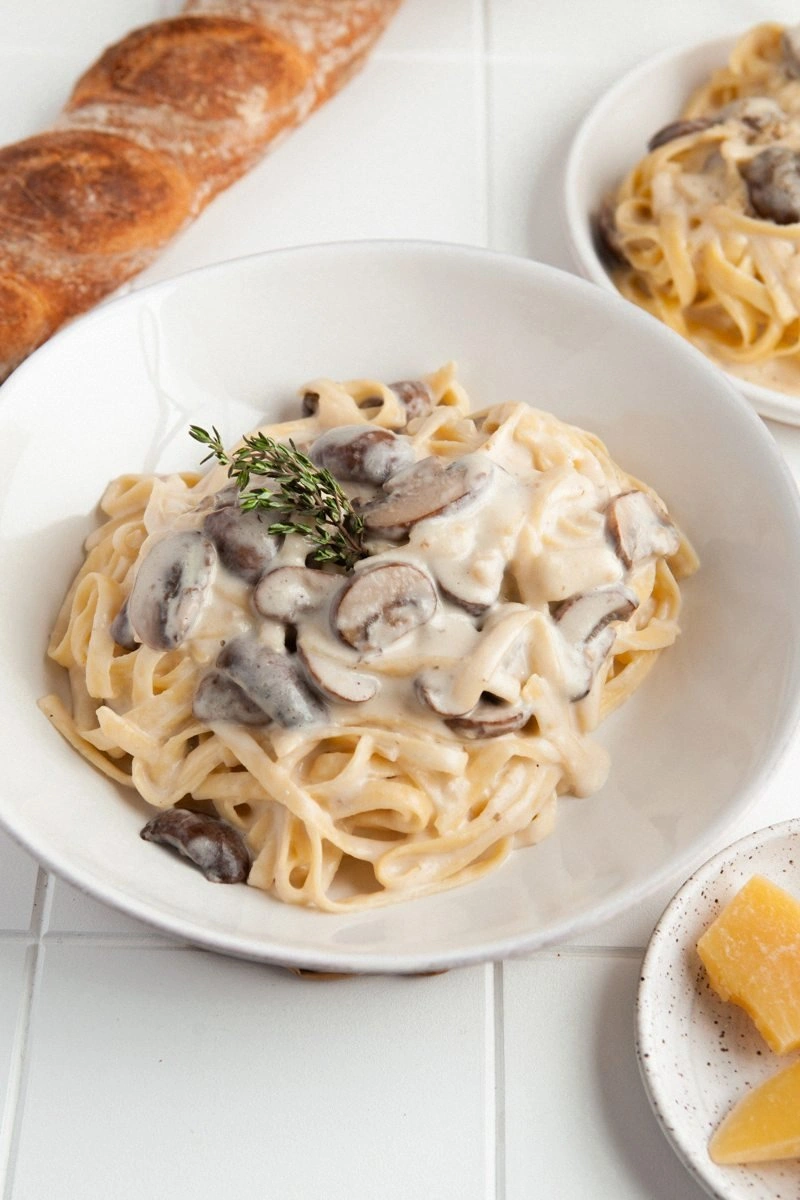
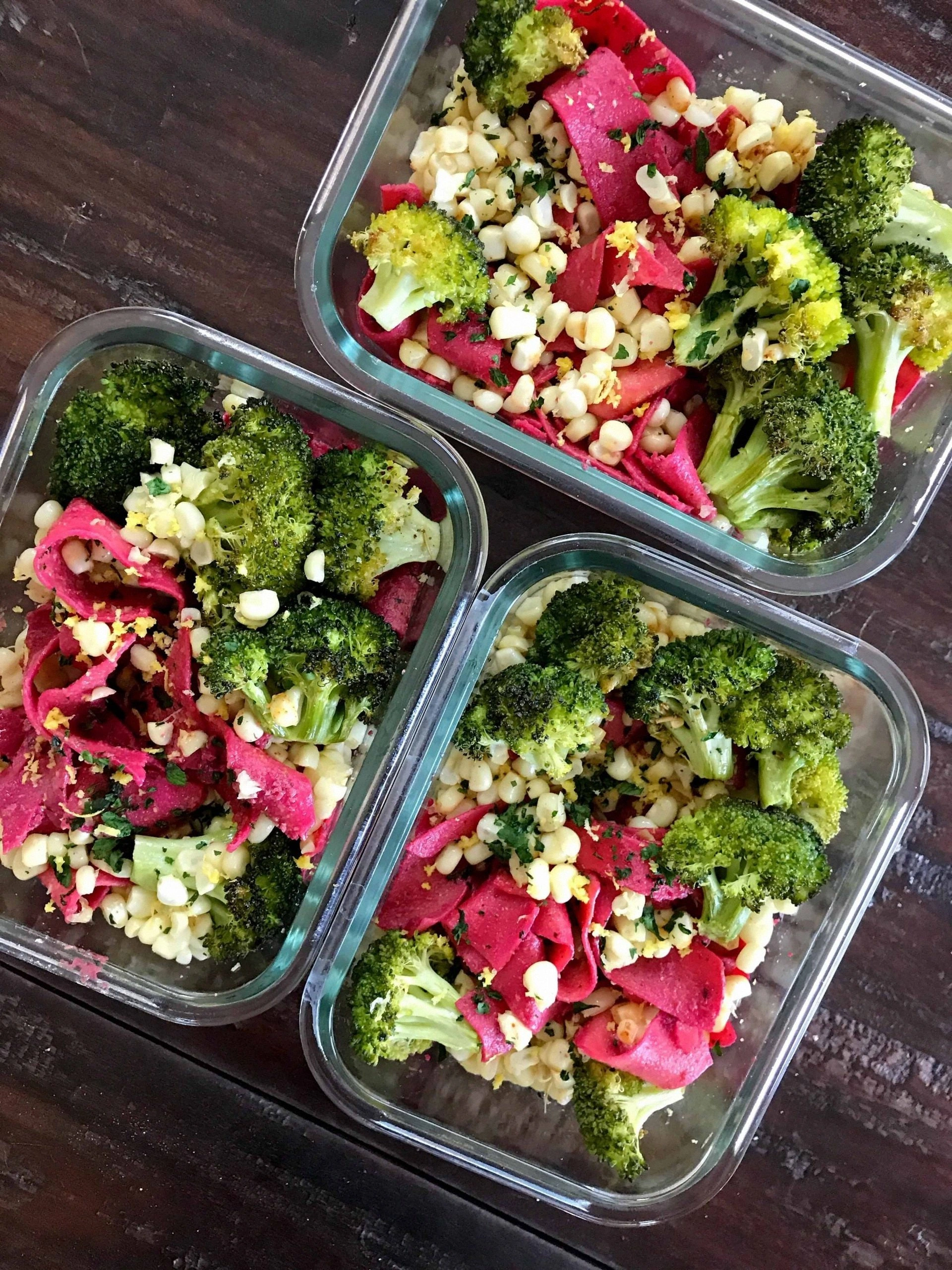
Imagine the sound of a skillet heating up—an audible hum that signals the start of a culinary symphony. The sizzle of minced shallot and garlic in olive oil creates a fragrant overture that invites you to lean in. Your eyes catch the glossy sheen of the crème fraîche as it swirls into the sauce, the colors of corn and broccoli popping like bright fireworks against a dark background. The texture of the pappardelle, wide and flat, absorbs the sauce like a sponge, each strand coated in a velvety, slightly tangy glaze. When you bite, the beet’s natural sweetness contrasts with the buttery finish, and the crunch of fresh broccoli provides a delightful counterpoint.
What makes this version stand out is simple yet profound: the beet isn’t just a garnish, it’s the star that carries the dish. It’s roasted to caramelized perfection, so the natural sugars burst into a caramelized glaze that lingers on the palate. The crème fraîche is the silky binder that holds everything together, while a splash of apple cider vinegar cuts through the richness with a bright, almost citrusy lift. Fresh parsley isn’t just a garnish—it’s a burst of herbal brightness that lifts the dish from comforting to celebratory. The balance of textures—from the tender beet ribbons to the crisp broccoli florets—creates a mouthfeel that feels like a well‑crafted orchestra. And the best part? The dish is ready in less than an hour, making it a go‑to for weeknight dinners or a showstopper for dinner parties.
I dare you to taste this and not go back for seconds. I’ll be honest—before this recipe, I ate half the batch before anyone else got to try it. Most recipes get this completely wrong: they either under‑cook the beet or drown it in sauce. Here’s what actually works: roast the beet until the edges are crisp, then fold it into a sauce that’s creamy yet bright. Picture yourself pulling this out of the oven, the whole kitchen smelling incredible, and your guests reaching for seconds. Okay, ready for the game‑changer? Let me walk you through every single step—by the end, you’ll wonder how you ever made it any other way.
What Makes This Version Stand Out
- Taste: The beet’s natural sweetness is amplified by roasting, creating a caramelized depth that balances the tang of apple cider vinegar and the richness of crème fraîche. The result is a sauce that coats the pasta like velvet, leaving a lingering, earthy finish.
- Texture: Wide pappardelle strands soak up the sauce, while fresh broccoli florets provide a satisfying crunch that contrasts with the smoothness of the beet ribbons.
- Visual Appeal: The deep crimson of roasted beet against the bright green of broccoli and the golden corn creates a dish that feels as good to look at as it does to eat.
- Ingredient Quality: Using fresh, organic beets and locally sourced broccoli ensures the flavor is pure and the nutrition is top‑tier.
- Make‑Ahead Potential: The dish can be assembled ahead of time and reheated, making it a convenient option for busy weeknights.
- Crowd Reaction: Friends who are skeptical about beet dishes rave about the unexpected sweetness and the creamy texture that makes every bite feel indulgent.
Alright, let's break down exactly what goes into this masterpiece…
Inside the Ingredient List
The Flavor Base
The combination of minced shallot, minced garlic, and olive oil forms the aromatic foundation of this dish. These aromatics sauté until they’re fragrant and slightly golden, releasing their oils and creating a savory base that carries the beet’s sweetness. Skipping this step will leave the dish feeling flat and unbalanced; the subtle oniony undertone is essential for depth. If you’re vegan or simply prefer a different flavor, you can substitute the olive oil with a neutral oil like grapeseed, though the olive oil’s fruity notes add a comforting warmth.
The Texture Crew
Broccoli florets and corn kernels add crunch and a pop of color that contrast beautifully with the silky beet ribbons. The broccoli’s slight bitterness balances the beet’s natural sweetness, while the corn brings a sweet, buttery bite that feels like a summer harvest. If you’re in a pinch, frozen broccoli and corn work just as well—just make sure to thaw and drain them to avoid excess moisture. For an extra layer of crunch, a handful of toasted pumpkin seeds or chopped almonds can be sprinkled on top before serving.
The Unexpected Star
Crème fraîche is the secret weapon that gives this sauce its luxurious texture. Its high fat content allows it to coat the pasta without separating, creating a silky mouthfeel that’s both comforting and indulgent. If you can’t find crème fraîche, a mixture of Greek yogurt and a splash of heavy cream works as a suitable substitute, though the flavor will be slightly tangier. The key is to keep the sauce cool until the final step to prevent curdling.
The Final Flourish
Fresh parsley adds a bright, herbaceous note that lifts the dish’s overall flavor profile. It’s not just a garnish—it’s a finishing touch that balances the richness of the crème fraîche and the earthiness of the beet. A pinch of salt and freshly ground pepper bring everything together, but be careful not to over‑salt; the beet’s natural sweetness already provides a subtle saltiness that complements the dish. If you’re looking for a smoky twist, a dash of smoked paprika can be added during the sautéing of aromatics for a hint of depth.
Everything’s prepped? Good. Let’s get into the real action…
The Method — Step by Step
- Step 1: Roast the Beets – Preheat the oven to 400°F (200°C). Slice the beets into ¼-inch thick ribbons and toss them with a tablespoon of olive oil, salt, and pepper. Spread them in a single layer on a baking sheet and roast for 25–30 minutes, or until the edges are crisp and the center is tender. The goal is to caramelize the natural sugars so the beet’s flavor becomes deep and sweet. Once done, let them cool slightly, then set aside. That sizzle when it hits the pan? Absolute perfection.
- Step 2: Cook the Pappardelle – Bring a large pot of salted water to a rolling boil. Add the pappardelle and cook according to the package instructions, usually 3–4 minutes for fresh pasta. Reserve a cup of pasta water before draining. The pasta should be al dente to maintain structure when tossed with the sauce. The moment the pasta hits the boiling water, you’ll hear a satisfying hiss that signals it’s ready.
- Step 3: Sauté Aromatics – In a large skillet, heat the remaining tablespoon of olive oil over medium heat. Add the minced shallot and cook until translucent, about 2 minutes. Then stir in the minced garlic and sauté for another minute until fragrant. The aroma should fill the kitchen and set the stage for the rest of the dish. If the oil starts smoking, lower the heat; you’re aiming for a gentle, caramelizing sizzle, not a burn.
- Step 4: Add Vegetables – Toss in the roasted beet ribbons, corn kernels, and broccoli florets. Cook for 3–4 minutes, letting the vegetables warm through and mingle with the aromatics. The broccoli should remain bright green and slightly crisp; avoid overcooking to preserve its texture. This is the moment where the dish starts to feel vibrant and alive.
- Step 5: Incorporate the Creamy Base – Reduce the heat to low and add the crème fraîche to the skillet. Stir gently until it melts into a smooth sauce, coating the vegetables. If the sauce thickens too much, add a splash of reserved pasta water to loosen it. The crème fraîche should remain silky, not lumpy; keep the heat low to prevent curdling. This step is pure magic—watch the sauce transform into a glossy, velvety coating.
- Step 6: Add the Tang – Pour in the tablespoon of apple cider vinegar. Stir until the vinegar is fully incorporated, giving the sauce a bright, slightly acidic lift that balances the richness. Taste the sauce; it should have a subtle tang that cuts through the creaminess. Adjust with a pinch of salt if needed. This is the part where the dish’s flavor profile starts to shine.
- Step 7: Finish with Butter – Add the tablespoon of unsalted butter to the skillet and let it melt, swirling the sauce for a glossy finish. The butter adds a buttery sheen and a subtle depth of flavor that enhances the beet’s earthiness. Be careful not to let the butter brown; you want a silky, golden finish, not a toasted note. This final touch elevates the dish from good to unforgettable.
- Step 8: Combine Pasta and Sauce – Add the drained pappardelle to the skillet, tossing to coat each strand in the sauce. If the sauce seems thick, add more reserved pasta water, a tablespoon at a time, until you reach your desired consistency. The pasta should look glossy and each strand should be coated evenly. This is where the dish feels complete and ready to serve.
- Step 9: Add Fresh Herbs – Sprinkle the chopped parsley over the pasta, tossing gently to distribute the bright green flecks. The parsley adds a burst of herbal brightness that lifts the dish’s overall flavor profile. Let the dish sit for a minute to allow the flavors to meld; the parsley’s aroma will intensify.
- Step 10: Plate and Serve – Divide the pasta among warmed plates, ensuring each serving receives a generous amount of beet ribbons and vegetables. Garnish with a drizzle of olive oil or a sprinkle of grated Parmesan if you like a salty finish. Serve immediately while the dish is warm and the sauce is silky. Picture yourself pulling this out of the skillet, the whole kitchen smelling incredible, and your guests reaching for seconds.
That's it — you did it. But hold on, I've got a few more tricks that'll take this to another level. The next section will dive into insider techniques that elevate every bite.
Insider Tricks for Flawless Results
The Temperature Rule Nobody Follows
Many cooks over‑cook their pappardelle, resulting in mushy strands that can’t hold the sauce. I always keep the pasta al dente, because the residual heat from the sauce will finish cooking it. If you prefer a softer pasta, let it sit in the skillet for an extra minute, but be careful not to let it become a soggy mess. The key is to test a strand before you plate; it should be firm to the bite but not raw.
Why Your Nose Knows Best
The aroma of the sautéed shallot and garlic is a reliable indicator of the dish’s readiness. When the smell becomes slightly nutty and the garlic turns golden, it’s a sign the base is ready for the next step. Trust your nose—if the aroma feels flat, let the skillet sit a few more minutes. This subtle cue will prevent the sauce from turning bland.
The 5-Minute Rest That Changes Everything
After you toss the pasta in the sauce, let the mixture rest for 5 minutes off the heat. This pause allows the pasta to absorb the sauce fully, creating a more cohesive flavor profile. The rest also gives the beurre blanc to settle, ensuring a silky finish. When you stir after the rest, the sauce should cling to each strand like a velvet blanket.
The Fresh Herb Trick
Adding fresh parsley at the very end preserves its bright, citrusy flavor. If you sprinkle it too early, the heat can wilt the herbs, losing their vibrant aroma. A quick burst of parsley right before serving keeps the dish bright and fresh, like a spring garden in a bowl.
The Secret Salt Boost
A pinch of salt is enough to bring all the flavors together, but if you’re watching sodium, use a low-sodium soy sauce or a splash of balsamic vinegar for umami. This trick enhances depth without over‑salting the dish. The secret is to season gradually and taste as you go.
Now that you’ve mastered the core techniques, you’re ready to experiment and make this dish truly your own.
Creative Twists and Variations
This recipe is a playground. Here are some of my favorite ways to switch things up:
Smoky Beet & Bacon Version
Add crumbled smoked bacon and a pinch of chipotle powder during the sautéing step. The smoky flavor pairs beautifully with the beet’s earthiness, while the chipotle adds a subtle heat. This version is perfect for a cozy dinner on a chilly evening.
Pesto Beet Fusion
Stir in a spoonful of basil pesto after adding the crème fraîche. The pesto’s herbal brightness complements the beet’s sweetness, creating a layered flavor experience. This variation is ideal for a springtime gathering.
Creamy Avocado Twist
Replace half of the crème fraîche with ripe avocado puree for a richer, buttery texture. The avocado adds a subtle nutty flavor and makes the dish extra creamy. It’s a great way to sneak in healthy fats.
Mushroom & Truffle Oil Variant
Sauté sliced shiitake or cremini mushrooms with the aromatics, and finish with a drizzle of truffle oil. The earthy mushrooms deepen the dish’s umami profile, while the truffle oil adds a luxurious finish. This version feels like a gourmet restaurant experience.
Spicy Sriracha Beet Pasta
Add a teaspoon of sriracha or chili flakes when you pour in the apple cider vinegar. The heat will cut through the richness and bring a lively kick. This spicy version is perfect for those who love a bit of fire in their meals.
With these variations, you can tailor the dish to any occasion, from a quiet weeknight dinner to a festive family gathering.
Storing and Bringing It Back to Life
Fridge Storage
Store the assembled pasta in an airtight container in the refrigerator for up to 2 days. Keep the sauce separate until you’re ready to reheat to prevent the pasta from becoming soggy. When you’re ready to eat, gently reheat on the stove with a splash of pasta water to restore the sauce’s silky texture.
Freezer Friendly
The dish freezes well for up to 3 months. Freeze the pasta and sauce separately, then combine and reheat. When thawing, add a little water or broth to loosen the sauce. This method keeps the flavors intact and the texture just as delightful.
Best Reheating Method
The best way to reheat is on low heat, stirring frequently, and adding a splash of water or broth to maintain moisture. A quick microwave reheat works, but it can dry out the sauce. Adding a tiny splash of water before reheating steams the dish back to perfection, preserving the creamy coating and vibrant colors.