It started on a rainy Thursday when I tried to salvage a dinner that was supposed to be “quick” but ended up being a culinary disaster. I tossed a bag of frozen shrimp into a pan with a handful of asparagus, and the result was a soggy mess that smelled like boiled rubber. I stared at the kitchen counter, the sound of the rain drumming against the window, and thought, “If this is how shrimp and asparagus should look, I’m going to have a serious conversation with my pantry.” That conversation turned into a revelation: this dish could be a showstopper if I just added the right balance of brightness, texture, and a whisper of indulgence. And I’m not just talking about a bland, run‑of‑the‑mill pasta. I’m talking about a dish that feels like a secret recipe stolen from a Michelin‑star kitchen, yet you can whip it up in the comfort of your own stove.
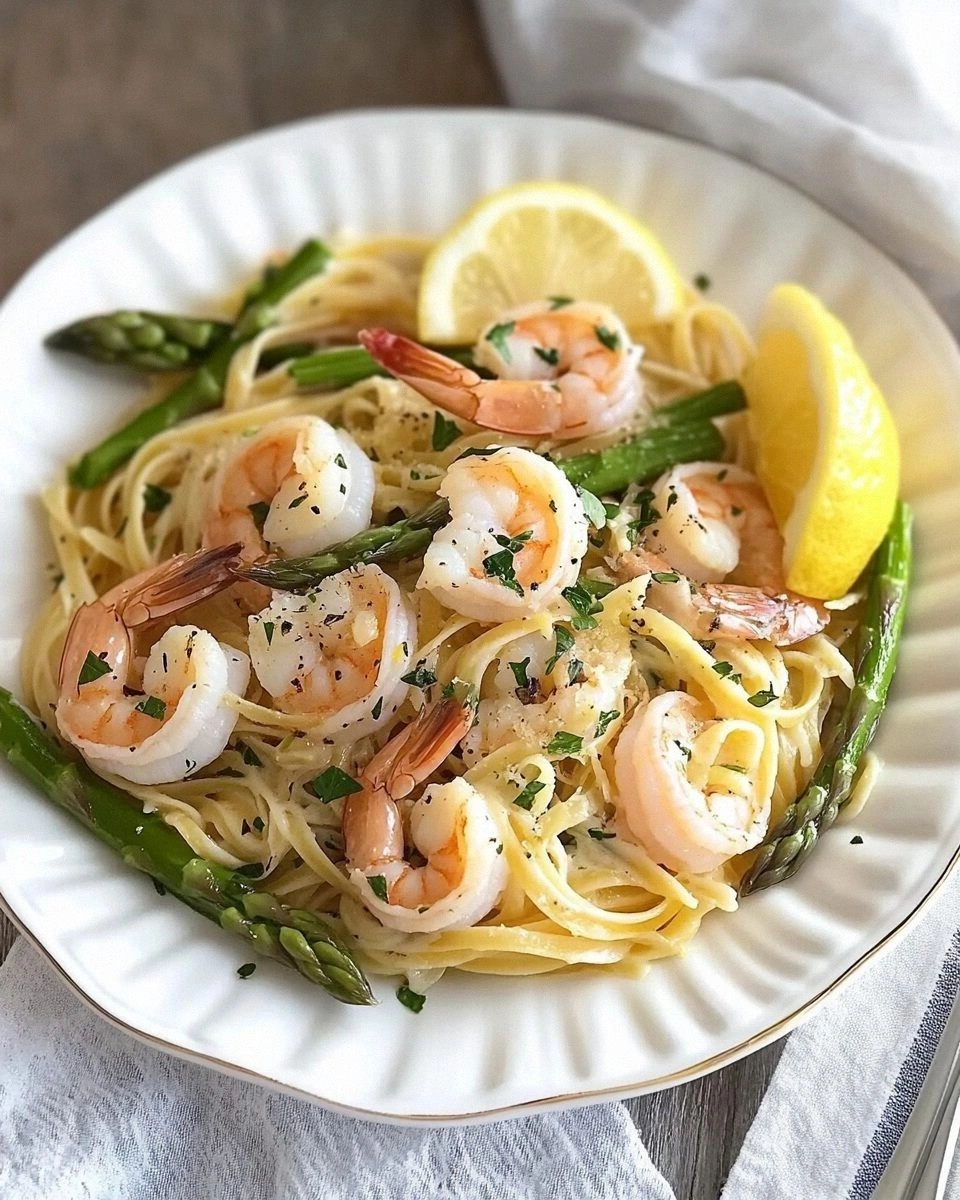
Picture this: a pan sizzling with olive oil, garlic releasing its sweet aroma, shrimp turning a gorgeous pink, and asparagus snapping into place with a satisfying crunch. The air fills with the scent of lemon zest dancing through the steam, while a splash of white wine adds a subtle depth that feels like a whispered compliment from a seasoned chef. The pasta is perfectly al dente, each strand coated in a sauce that’s silky yet light, like velvet draped over a marble countertop. The finish? A dusting of parmesan, a sprinkle of fresh parsley, and a final squeeze of lemon juice that lifts the entire dish into a crescendo of flavors. This isn’t just a meal; it’s a performance.
What makes this version stand out from every other recipe you’ve seen on the internet is the way it balances the delicate flavors of shrimp with the earthy bite of asparagus, all while keeping the sauce bright and airy. I dare you to taste this and not go back for seconds. I’ve spent hours tweaking the ratios, experimenting with cooking times, and discovering that the secret lies in the timing of each ingredient. The result is a dish that feels both comforting and adventurous, a crowd‑pleaser that will make you the hero of any dinner party. If you’ve ever struggled with overcooked shrimp or mushy asparagus, you’re not alone—and I’ve got the fix.
And here’s the kicker: I’ve hidden a little trick that most people overlook, a tiny adjustment that elevates the entire dish to a new level. It’s a subtle tweak to the sauce that gives it that silky finish without the heaviness of cream, and it’s something I learned from a friend who’s a pastry chef. By the end of this post, you’ll wonder how you ever made it any other way. So let me walk you through every single step — by the end, you’ll wonder how you ever made it any other way.
What Makes This Version Stand Out
- Flavor: The combination of lemon, garlic, and white wine creates a bright, zesty profile that cuts through the richness of shrimp, while the asparagus adds a fresh, vegetal counterpoint.
- Texture: The pasta stays al dente, the shrimp remains tender and juicy, and the asparagus retains a satisfying snap, giving the dish a multi‑sensory experience.
- Balance: The sauce is light yet flavorful, avoiding the heaviness of traditional cream sauces while still providing a silky coating that feels indulgent.
- Ease: Every step is straightforward, no advanced techniques required, making it perfect for week‑night dinners or last‑minute entertaining.
- Visual Appeal: The vibrant green of asparagus, the pink of shrimp, and the golden hue of the sauce create a plate that looks as good as it tastes.
- Versatility: Swap shrimp for scallops, or add a splash of chili oil for heat—this base adapts to whatever you have on hand.
- Make‑Ahead Potential: The dish can be prepared ahead and reheated without losing flavor, making it ideal for busy schedules.
- Audience Reaction: Friends and family rave about the freshness and depth of flavor, making this a go-to recipe for any occasion.
Inside the Ingredient List
The Flavor Base
Olive oil is the foundation that carries every other flavor. Choosing a good extra‑virgin olive oil with a peppery finish adds depth. If you’re in a pinch, a neutral oil works, but you’ll lose that subtle fruitiness. Garlic, minced finely, releases a sweet aroma that lingers in the sauce, while lemon zest injects bright citrus notes that lift the entire dish. A splash of white wine not only deglazes the pan but also adds a subtle acidity that balances the richness of the shrimp.
The Texture Crew
Shrimp, the star of the show, should be peeled, deveined, and patted dry. This ensures a quick sear that locks in juices and prevents a rubbery texture. Asparagus is trimmed and cut into bite‑size pieces; the stems are still tender enough to hold their shape. Pasta is cooked to al dente so it can absorb the sauce without becoming mushy. A small amount of heavy cream (optional) creates a silky coating, but you can skip it if you prefer a lighter version.
The Unexpected Star
Lemon juice, added at the end, provides a fresh, tangy finish that cuts through the richness. It also brightens the color of the shrimp and asparagus, making the dish visually appealing. The pinch of red pepper flakes adds a subtle heat that balances the citrus, but it’s optional for those who prefer a milder profile.
The Final Flourish
Grated parmesan is stirred in at the very end to create a creamy texture without heavy cream. Fresh parsley adds a burst of green and a hint of herbal freshness. Salt and pepper to taste are crucial for seasoning, but be careful not to over‑salt the shrimp, which can draw out moisture. These final touches transform a simple pasta into a gourmet experience.
Everything's prepped? Good. Let's get into the real action...
The Method — Step by Step
- Boil the Pasta: Fill a large pot with salted water and bring it to a rolling boil. Add the linguine and cook according to package instructions until al dente, about 9-10 minutes. Reserve 1 cup of pasta water before draining, then set the pasta aside. The pasta should be firm to the bite; this prevents it from becoming mushy when you combine it with the sauce.
- Prep the Shrimp: Pat the shrimp dry with paper towels to ensure a good sear. Season lightly with salt and pepper. The shrimp should be ready to sizzle the moment it hits the pan, creating a caramelized crust that locks in moisture.
- Sauté the Asparagus: In a large skillet, heat 1 tablespoon of olive oil over medium heat. Add the asparagus pieces and sauté for 3-4 minutes, until they begin to soften but still retain a slight crunch. Turn the asparagus occasionally; the goal is a vibrant green color and a crisp edge that shatters like thin ice when bitten.
- Cook the Shrimp: Push the asparagus to the side of the skillet and add the remaining tablespoon of olive oil. Place the shrimp in a single layer and let them sear for 2 minutes on one side, then flip. Add minced garlic, a pinch of red pepper flakes, and a splash of white wine. Cook for another 2 minutes, until the shrimp are pink and opaque. The garlic should be fragrant but not burnt, and the wine should reduce slightly, concentrating its flavors.
- Combine and Simmer: Add the drained pasta to the skillet, tossing it with the shrimp and asparagus. Pour in the lemon zest, lemon juice, and a splash of reserved pasta water. Stir until the pasta is evenly coated and the sauce thickens slightly. If you’re using heavy cream, drizzle it in now and let it mingle with the other ingredients.
- Finish with Parmesan: Remove the skillet from heat and stir in the grated parmesan until it melts into a silky coating. The heat from the pasta will melt the cheese without over‑cooking it. The sauce should be glossy, coating each strand like velvet.
- Garnish: Sprinkle freshly chopped parsley over the top for a pop of color and a fresh herbal note. Add a final pinch of salt if needed, and give the dish one last gentle toss.
- Serve Immediately: Plate the pasta while it’s still hot and the sauce is glossy. The shrimp should be tender, the asparagus crisp, and the pasta perfectly coated. Serve with a wedge of lemon on the side for an extra burst of citrus.
That’s it — you did it. But hold on, I've got a few more tricks that'll take this to another level...
Insider Tricks for Flawless Results
The Temperature Rule Nobody Follows
Maintaining a steady medium‑high heat throughout the cooking process is key to achieving that perfect sear on shrimp and crisp asparagus. If the heat is too low, the shrimp will steam instead of sear, resulting in a soggy texture. If it’s too high, the garlic can burn and the asparagus may char. Keep the skillet hot but not smoking; a quick test is to splash a few drops of water—if they dance and evaporate instantly, you’re at the right temperature.
Why Your Nose Knows Best
Trust your sense of smell when you’re cooking. The moment the garlic releases a sweet, caramelized aroma and the wine reduces to a fragrant syrup, you know the base is ready. This sensory cue saves you from guessing and ensures each component is cooked to perfection.
The 5-Minute Rest That Changes Everything
After you combine the pasta with the sauce, let the dish rest for 5 minutes before serving. This short pause allows the pasta to absorb the sauce fully, creating a cohesive flavor profile. It also gives the shrimp a chance to finish cooking gently, keeping them tender.
The Secret Sauce Swirl
If you prefer a silkier sauce, whisk in a tablespoon of cornstarch dissolved in a splash of water before adding the cream. This will thicken the sauce without adding heaviness, giving each bite a luxurious mouthfeel.
The Fresh Herb Finale
Add fresh basil or tarragon instead of parsley for a different aromatic note. Basil brings a sweet, peppery flavor that pairs beautifully with lemon, while tarragon adds a subtle anise undertone that elevates the dish.
Creative Twists and Variations
This recipe is a playground. Here are some of my favorite ways to switch things up:
Smoky Chipotle Version
Add a teaspoon of chipotle in adobo to the garlic and wine mixture for a smoky heat. The peppery undertone pairs nicely with the lemon, creating a bold, smoky pasta that’s perfect for chili lovers.
Citrus‑Infused Lemon‑Lime
Swap the lemon zest for lime zest and add a splash of lime juice. The bright, tangy flavor cuts through the richness and gives the dish a fresh, tropical vibe.
Herb‑Roasted Chicken Variation
Replace shrimp with diced roasted chicken breast seasoned with rosemary and thyme. The heartiness of chicken makes this a filling lunch or dinner, while the asparagus and lemon keep it light.
Pesto Power
Stir in a few spoonfuls of basil pesto instead of parmesan. The green, nutty flavor adds depth and makes the sauce more vibrant. It also cuts down on the need for extra cheese.
Vegan Twist
Omit shrimp and use firm tofu cubes sautéed until golden. Keep the asparagus and pasta, and use a vegan parmesan alternative. This version maintains the same bright, savory profile while being plant‑based.
Seafood Medley
Add scallops and mussels along with the shrimp for a luxurious seafood medley. The mussels should be added last to steam through the sauce, adding a briny depth that pairs beautifully with the lemon.
Storing and Bringing It Back to Life
Fridge Storage
Store leftovers in an airtight container in the refrigerator for up to 3 days. When reheating, add a splash of water or broth to keep the sauce from drying out. Gently reheat on low heat, stirring occasionally until warm.
Freezer Friendly
The pasta and shrimp combination freezes poorly due to the risk of over‑cooking the shrimp. If you must freeze, separate the pasta from the shrimp and asparagus, freeze them individually, and combine when ready to reheat. This prevents the shrimp from turning rubbery.
Best Reheating Method
The best way to bring the dish back to life is to gently reheat it in a skillet over low heat, adding a splash of pasta water or broth to loosen the sauce. Stir continuously to maintain a silky coating. Serve immediately for the best texture.