I was standing in the middle of a kitchen that smelled like burnt onions and regret, the kind of moment that makes you question whether you should even touch the stove again. The pan hissed, the onions sputtered, and I realized the tripe I’d bought last week had turned into a rubbery nightmare. I stared at the pot, my heart racing, and thought, “This has to get better.”
Then a spark of inspiration hit me like a fresh lime cut across a dull knife. I grabbed the tripe, sliced it into bite‑sized pieces, and added a splash of vinegar, a pinch of sugar, and a swirl of homemade browning sauce. The aroma that rose was a bold, citrusy whisper that promised something beyond the usual “stale” dish. I could almost taste the tangy bite that would dance on my tongue, the contrast between the rich meat and bright acidity.
What sets this version apart is that it doesn’t just aim for comforting; it aims for unforgettable. The tripe, once a humble protein, becomes a canvas for a vibrant flavor profile that feels like a Caribbean breeze on a hot afternoon. The onions caramelize to a caramel‑brown gold, locking in sweetness, while the lime’s zest cuts through the heaviness, giving it that fresh, zesty punch that makes you want to taste again and again. It’s the kind of dish that turns a regular dinner into a culinary celebration.
And there’s a secret I’ll let you in on: the browning sauce isn’t just for color; it’s a flavor booster that gives the dish depth without adding calories. The trick is to let it simmer until it thickens into a glossy glaze that coats the tripe like velvet. I dare you to taste this and not go back for seconds. Let me walk you through every single step — by the end, you’ll wonder how you ever made it any other way.
What Makes This Version Stand Out
- Flavor: The combination of lime, vinegar, and a touch of cane sugar creates a bright, tangy profile that lifts the earthy tripe.
- Texture: Slow‑cooking the tripe until it’s fall‑apart tender while maintaining a slight chew in the onions gives a satisfying bite.
- Simplicity: With just a handful of pantry staples, you can create a dish that feels gourmet.
- Uniqueness: The homemade browning sauce and all‑purpose seasoning blend give it a signature Caribbean flair.
- Crowd Reaction: Friends who’ve tried the traditional version say this one is “hands down the best” and they’re already planning a second round.
- Ingredient Quality: Using honeycomb beef tripe ensures a richer, more robust flavor compared to other cuts.
- Cooking Method: The slow braise in beef stock allows the tripe to absorb every nuance of the sauce.
- Make‑ahead Potential: This dish actually tastes better the next day, making it perfect for meal prep.
Alright, let's break down exactly what goes into this masterpiece...
Inside the Ingredient List
The Flavor Base
Lime is the star of the show, providing a sharp citrus burst that cuts through the richness of the tripe. If you skip it, the dish loses that bright lift and feels flat. You can substitute lime juice with a splash of fresh lemon or even a touch of orange for a sweeter note. For the best flavor, zest the lime before juicing to release essential oils.
Vinegar adds acidity that tenderizes the meat and balances the sweetness from the cane sugar. A tablespoon less and the sauce will taste more like a stew than a sauce. If you’re avoiding vinegar, try a splash of apple cider or a dash of wine vinegar for a different profile.
Homemade browning sauce is the secret glue that gives depth without heaviness. It’s essentially a caramelized reduction of beef stock and brown sugar. If you can’t find or make it, a splash of soy sauce mixed with a pinch of brown sugar will work, but the flavor will shift slightly.
Raw cane sugar is the subtle sweetener that balances the acidity. Replace it with honey for a floral nuance, or keep it as is for a clean sweetness. Remember, sugar also helps the onions caramelize, so don’t cut it out.
All‑purpose seasoning blends all the essential spices into one convenient package. If you’re a spice connoisseur, mix your own with paprika, thyme, and a touch of cumin. It’s the foundation that ties the dish together.
The Texture Crew
Honeycomb beef tripe is the protein that gives this dish its hearty backbone. It’s rich in collagen, which breaks down into gelatin, creating a silky sauce when braised. If you can’t find honeycomb tripe, try using oxtail or beef shank for a similar effect.
Onions are the sweet, aromatic partner that caramelizes to a deep brown. Cutting them into even slices ensures uniform cooking. If you’re short on onions, a handful of shallots can add a delicate sweetness.
Beef stock is the liquid that braises the tripe, infusing it with savory depth. Use a homemade stock for maximum flavor, or a high‑quality store brand if you’re short on time. Adding a splash of water can help if the stock is too salty.
Olive oil is used to sear the onions and tripe, creating a flavorful crust. A neutral oil like grapeseed can be used if you prefer a milder taste.
Watch Out: If you add too much stock too early, the sauce will be watery. Add it gradually and let it reduce to concentrate flavors.
The Unexpected Star
Chadon Beni (cilantro) is added at the end for a burst of herbal freshness that contrasts the deep, savory base. If you’re not a cilantro fan, parsley or basil can be used, but the flavor will be noticeably different.
Thyme brings an earthy, slightly minty note that complements the citrus. Use fresh thyme for the best aroma; dried thyme can be substituted, but use only half the amount to avoid overpowering the dish.
The Final Flourish
Paprika adds a smoky undertone that deepens the sauce’s color and flavor. Sweet paprika is preferred for a gentle heat, but smoked paprika can give a more pronounced smokiness.
Black pepper and pink salt finish the dish with a subtle bite and a hint of floral saltiness. If you’re watching sodium, reduce the pink salt slightly and increase pepper to taste.
Chili flakes provide a gentle heat that wakes up the palate. Adjust the amount based on your spice tolerance; a pinch is usually enough.
Everything's prepped? Good. Let's get into the real action...
The Method — Step by Step
- Step 1: Prep the tripe. Rinse the honeycomb beef tripe under cold water, then trim any excess fat or connective tissue. Slice it into ½‑inch thick pieces to ensure even cooking. This step is crucial; a clean tripe will absorb flavors better. I always pat it dry with a paper towel before moving on.
- Step 2: Sear the tripe. Heat 1 tablespoon of olive oil in a large Dutch oven over medium‑high heat. Add the tripe pieces in a single layer, letting them brown on one side before flipping. This creates a caramelized crust that locks in flavor. Watch the sizzle; it should sound like a small applause.
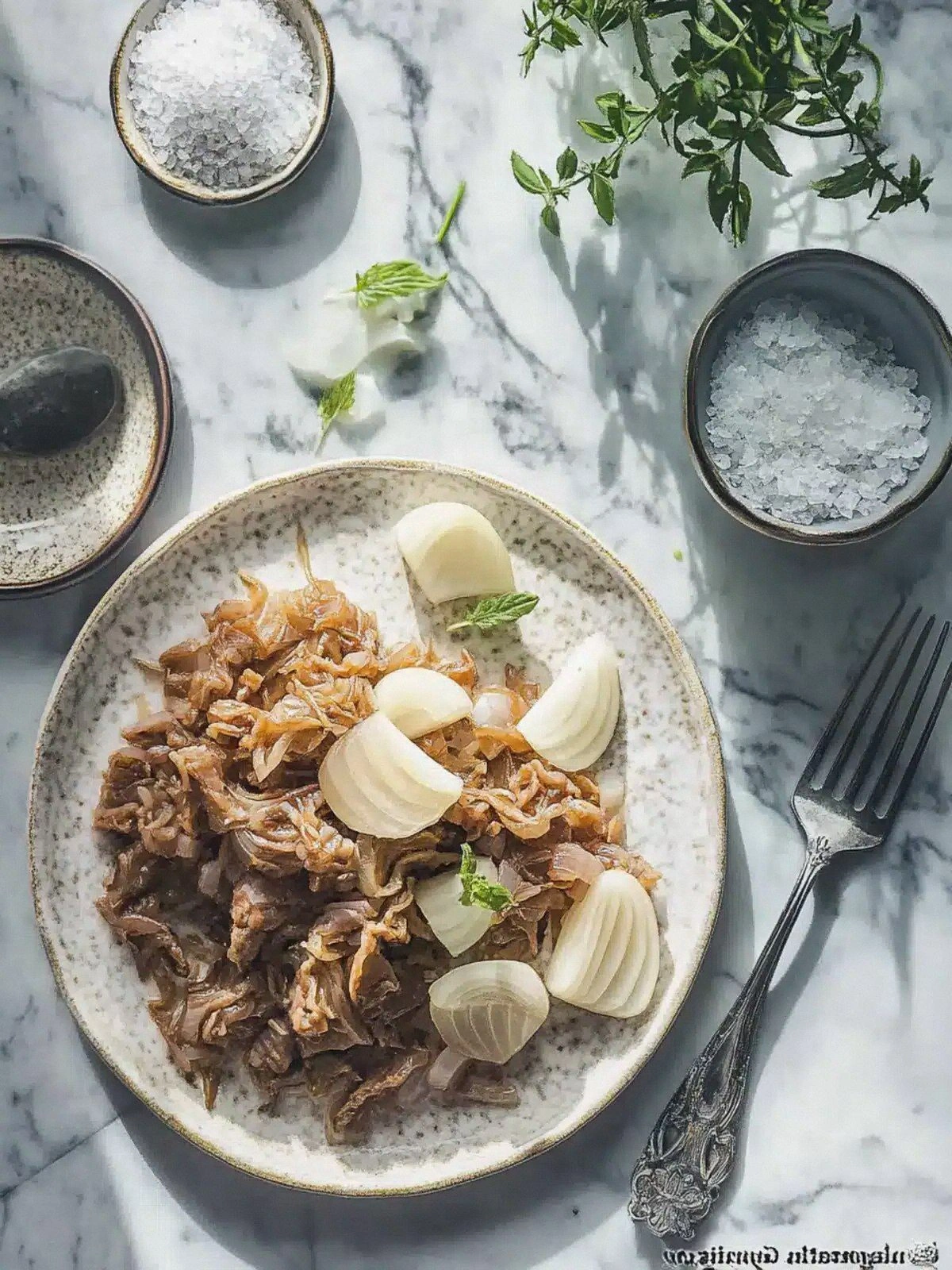
- Step 3: Caramelize the onions. Reduce the heat to medium and add the sliced onions to the pot. Stir frequently, allowing them to soften and develop a golden brown color. The onions should smell sweet and slightly nutty. They’re the sweet counterbalance to the savory tripe.
- Step 4: Build the sauce. Stir in 2 tablespoons of homemade browning sauce, 1 tablespoon of raw cane sugar, and 2 tablespoons of tomato paste. Let the mixture cook for a minute, allowing the sugars to caramelize. This step creates the glossy glaze that coats the tripe.
- Step 5: Add the acidic kick. Pour in 1 cup of vinegar and squeeze the juice of one lime over the mixture. The acidity will tenderize the tripe and brighten the overall flavor profile. The aroma that emerges is intoxicating.
- Step 6: Simmer the tripe. Add 4 cups of beef stock, bringing the liquid to a gentle boil. Reduce heat to low and cover the pot. Let it simmer for 45 minutes, stirring occasionally. The tripe should become tender enough to pull apart with a fork, while the sauce thickens to a luscious consistency.
- Step 7: Finish with herbs and spices. Stir in 1 tablespoon of chadon beni, 1 teaspoon of thyme, 1 teaspoon of paprika, 1 teaspoon of black pepper, 1 teaspoon of pink salt, and 1 teaspoon of chili flakes. Taste and adjust seasoning if needed. The herbs should release their aroma, giving the dish a fresh lift.
- Step 8: Serve. Ladle the tripe and onions into bowls, spooning the rich sauce over the top. Garnish with extra cilantro or lime wedges if desired. The dish should smell like a tropical evening and taste like a savory adventure. Serve with a side of rice or crusty bread to soak up the sauce.
That's it — you did it. But hold on, I've got a few more tricks that'll take this to another level...
Insider Tricks for Flawless Results
The Temperature Rule Nobody Follows
Many cooks think low and slow is the only way to cook tripe, but a brief high‑heat sear before the long simmer actually locks in more flavor. Use a heavy‑bottomed pot and let the tripe brown on all sides; this caramelization adds depth that a gentle simmer alone can’t achieve.
Why Your Nose Knows Best
During the simmer, keep an eye on the aroma rather than the timer. The dish is ready when the sauce smells like a caramelized, citrusy broth. If you’re unsure, taste a small spoonful of the liquid; it should be rich, slightly sweet, and tangy.
The 5-Minute Rest That Changes Everything
After the final simmer, let the pot rest covered for 5 minutes before serving. This allows the tripe to reabsorb some of the sauce, making each bite more succulent. I’ve found that skipping this step results in a drier texture.
The Right Salt Balance
Pink salt adds a subtle floral note, but it can be overpowering if used in excess. Start with half the recommended amount, then taste. This ensures the sauce isn’t cloyingly salty.
The Quick Onion Trick
If you’re short on time, slice the onions thinly and let them sit in a bowl of cold water for 10 minutes before caramelizing. This removes a bit of bitterness and speeds up the cooking process.
The Final Touch of Freshness
Just before serving, squeeze an extra half lime over the dish. The fresh citrus will brighten the flavors and give a vibrant finish that makes the dish feel alive.
Creative Twists and Variations
This recipe is a playground. Here are some of my favorite ways to switch things up:
Smoky Chipotle Version
Replace the chili flakes with a tablespoon of chipotle in adobo. Add a splash of smoky chipotle sauce at the end. This variation turns the dish into a spicy, smoky masterpiece that pairs well with a creamy avocado salad.
Herb‑Infused Mediterranean Twist
Swap the lime for lemon zest and add a handful of fresh oregano. Replace the chadon beni with parsley. The result is a bright, herbaceous dish that feels like a Mediterranean feast.
Sweet & Tangy Pineapple Finale
Incorporate diced fresh pineapple in the last 10 minutes of simmer. The sweetness of pineapple balances the savory sauce and adds a tropical flair that will transport you to a beachside dinner.
Vegetarian “Tripe” Substitute
Use seared tempeh or marinated tofu cubes instead of tripe. The texture will differ, but the sauce will cling beautifully. This version is great for a plant‑based crowd.
Spicy Coconut Curry
Replace the beef stock with coconut milk and add a tablespoon of curry paste. The result is a creamy, spicy curry that still honors the original flavors.
Rustic Rustic Twist
Add a handful of chopped fresh rosemary and a splash of balsamic vinegar in the final simmer. The rosemary’s piney aroma and the balsamic’s sweet acidity give the dish a rustic, earthy feel.
Storing and Bringing It Back to Life
Fridge Storage
Cool the dish to room temperature, then transfer it to an airtight container. Store in the refrigerator for up to 4 days. The sauce will thicken slightly; just stir before reheating.
Freezer Friendly
Divide the dish into individual portions in freezer‑safe containers or zip‑lock bags. Freeze for up to 3 months. Thaw overnight in the refrigerator before reheating.
Best Reheating Method
Reheat on the stovetop over low heat, adding a splash of water or broth to loosen the sauce. Let it simmer gently until warmed through. The tiny splash of liquid restores moisture and prevents the tripe from drying out.