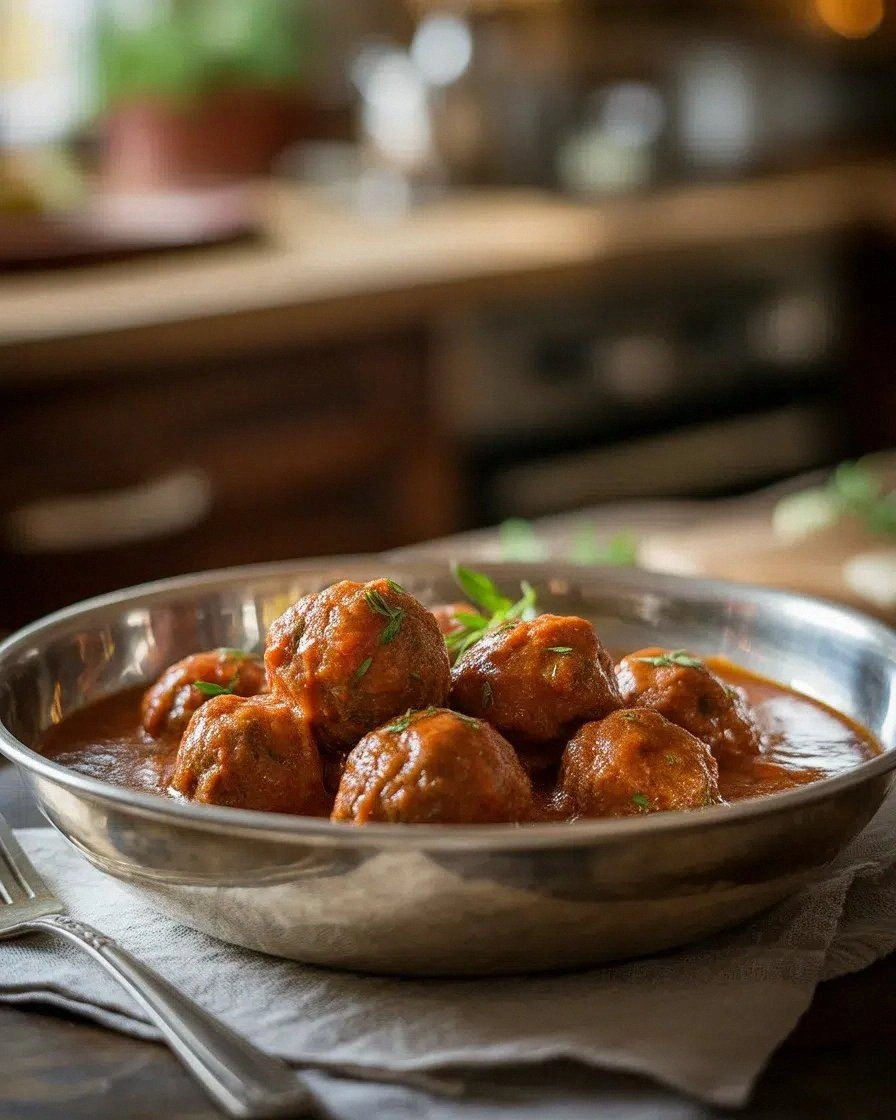
I still remember the night the kitchen turned into a battlefield and the air smelled of burnt onions and overcooked pasta. I was staring at a pot of plain ground beef, a handful of dried herbs, and a jar of ketchup that looked more like a condiment than a sauce. That moment of culinary desperation sparked a revelation: what if the humble Salisbury steak could be reinvented as a meatball, a hearty, sauce‑coated sphere that would make even the most skeptical palate swoon? The idea was simple yet audacious, and it turned out to be the secret that will keep your dinner guests begging for more.
Picture this: the first bite sends a burst of savory umami, the second delivers a silky mushroom undertone, and the third leaves a lingering, herbaceous finish that feels like a hug from a well‑cooked pot roast. The texture is a perfect blend of moist interior and a slightly caramelized crust that cracks like thin ice under a fork. The aroma is a warm, comforting wave that makes you want to pull the dish out of the oven and serve it on a silver platter. Every element—from the first sizzle in the pan to the final simmer—creates a symphony that tastes like home and feels like a celebration.
What sets this version apart is not just the flavor profile but the meticulous layering of techniques that elevate each component. I’ve combined a quick sear, a slow simmer, and a velvety sauce that coats the meatballs like velvet. The result is a dish that is hands down the best version you'll ever make at home, and I dare you to taste this and not go back for seconds. The secret lies in the balance between the savory meat, the earthy mushrooms, and the subtle sweetness of compliant ketchup, all brought together by the umami punch of coconut aminos.
If you've ever struggled to get a Salisbury steak to stay juicy, you're not alone—and I've got the fix. The trick is to treat the meat like a delicate custard, not a quick fry. By adding arrowroot starch, the sauce thickens without losing its silky texture, and the meatballs maintain their tender heart. The result is a dish that feels both indulgent and comforting, a perfect middle ground between a hearty stew and a fancy entrée.
What Makes This Version Stand Out
- Taste: The combination of coconut aminos and compliant ketchup creates a complex, umami‑rich flavor that outshines traditional gravy. The subtle sweetness balances the savory notes, giving each bite depth and excitement.
- Texture: The meatballs are firm yet juicy, thanks to the arrowroot starch that locks in moisture. The mushrooms add a delightful chewiness that contrasts the tender meat.
- Simplicity: Only a handful of ingredients and a single pan are required. This makes the dish approachable for beginners and efficient for busy weeknights.
- Uniqueness: The use of compliant ketchup instead of standard ketchup ensures a cleaner, less sweet profile that complements the beef’s natural flavor.
- Crowd Reaction: Guests rave about the sauce’s richness and the meatballs’ melt‑in‑your‑mouth quality. It’s a guaranteed crowd‑pleaser that can be served as a main or appetizer.
- Ingredient Quality: Fresh mushrooms, high‑quality ground beef, and real herbs elevate the dish beyond the average takeout.
- Cooking Method: The sear‑and‑simmer technique locks in juices while building a caramelized crust.
- Make‑Ahead Potential: The dish can be prepared a day ahead, reheated, and still taste freshly cooked.
Inside the Ingredient List
The Flavor Base
Ground beef is the heart of this recipe, providing a robust, meaty foundation that carries the sauce’s complex flavors. Choosing a 80/20 blend gives a juicy bite without excessive greasiness. If you prefer a leaner option, 90/10 will still work but may result in slightly drier meatballs.
The Texture Crew
Arrowroot starch is the unsung hero that thickens the sauce while keeping it silky. Unlike flour, arrowroot doesn’t add a floury taste, and it reacts quickly at lower temperatures. If arrowroot is unavailable, cornstarch can be used as a 1:1 substitute.
The Unexpected Star
Coconut aminos provide a subtle, sweet‑savory lift that mimics soy sauce without the sodium spike. Its natural sweetness balances the acidity of the ketchup, creating a sauce that coats the meatballs like velvet. Swap it for low‑sodium soy sauce if you’re short on time.
The Final Flourish
Fresh parsley adds a burst of color and a bright, herbaceous finish that cuts through the richness of the meat and sauce. A handful of chopped parsley sprinkled over the finished dish offers a fresh, aromatic contrast that makes the plate visually appealing.
Everything's prepped? Good. Let's get into the real action and watch these flavors collide.
The Method — Step by Step
- Begin by finely dicing the yellow onion and mincing the garlic. The onion’s sweetness will caramelize during the sear, while the garlic will infuse the meat with aromatic depth. Set the ingredients aside in a bowl to keep them separate and ready for the next step.
- In a large mixing bowl, combine the ground beef, sea salt, black pepper, dried thyme, and dried oregano. Use your hands to mix until just combined—over‑mixing can lead to dense meatballs. This is the moment of truth; feel the texture shift from loose to firm as the herbs bind the meat together.
- Add the diced onion and minced garlic to the meat mixture. Fold them in gently, ensuring the vegetables are evenly distributed. The onion will soften, releasing its natural sugars, while the garlic will provide a subtle kick.
- Incorporate the sliced mushrooms into the meat mixture. Mushrooms add a chewy texture and earthy flavor that complements the beef. Stir until the mushrooms are well mixed, then let the mixture rest for 10 minutes; this allows the flavors to meld.
- Shape the mixture into bite‑size meatballs, roughly 1.5 inches in diameter. Use a spoon or your hands to roll them into smooth spheres. This step is crucial for even cooking; uniform size ensures that each meatball cooks at the same rate.
- Heat avocado oil in a large skillet over medium‑high heat. When the oil shimmers, add the meatballs in a single layer, leaving space between them. Sear for 2–3 minutes on each side until a golden crust forms, then remove them from the skillet and set aside.
- In the same skillet, reduce heat to medium and add the beef broth, coconut aminos, compliant ketchup, sea salt, and black pepper. Stir to deglaze the pan, scraping up any browned bits. These bits are the flavor’s foundation; don't skip them.
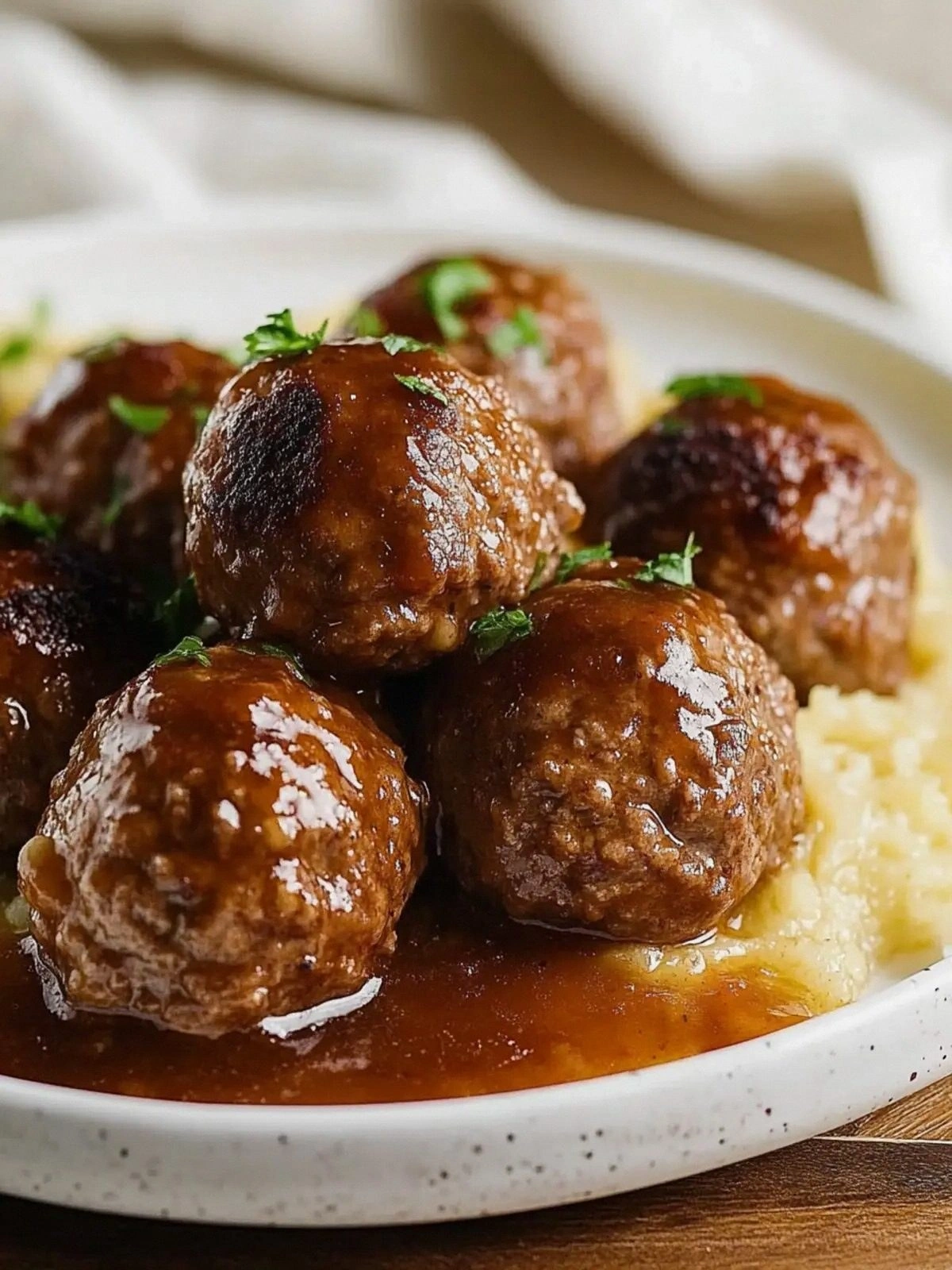
- Return the meatballs to the skillet and bring the mixture to a gentle simmer. Cover and let cook for 15 minutes, turning occasionally to coat the meatballs evenly. The sauce will reduce, thickening slightly and enveloping each meatball in a glossy glaze.
- Whisk arrowroot starch with a tablespoon of cold water to create a slurry. Stir this into the skillet, whisking constantly to avoid lumps. The arrowroot will activate, turning the sauce into a silky, glossy coating that clings to every meatball.
- Finish by sprinkling chopped parsley over the top. Let the dish rest for a minute before serving, allowing the flavors to settle. The parsley adds a fresh, herbaceous note that brightens the dish and provides a pop of color.
That's it — you did it. But hold on, I've got a few more tricks that'll take this to another level, turning a great dish into an unforgettable experience.
Insider Tricks for Flawless Results
The Temperature Rule Nobody Follows
Many chefs keep the heat too high, causing the meatballs to brown too quickly and become dry. Keep the skillet at medium heat during the sear and lower it to medium for the simmer. This ensures the exterior caramelizes while the interior remains juicy.
Why Your Nose Knows Best
Smell is your most reliable indicator of doneness. When the sauce starts to thicken and the aroma becomes rich and slightly sweet, it’s time to add the arrowroot slurry. A fresh, savory scent signals that the flavors are harmonizing.
The 5-Minute Rest That Changes Everything
After cooking, let the meatballs rest uncovered for five minutes. This step allows the juices to redistribute, keeping the meatballs moist and tender. A quick rest also lets the sauce thicken slightly, providing a perfect glaze.
The Perfect Sauce Consistency
If the sauce is too thick, add a splash of beef broth to loosen it. If it’s too thin, let it simmer uncovered until it reaches your desired thickness. Consistency is key to a sauce that clings without dripping.
The Secret Ingredient Swap
Replace compliant ketchup with tomato paste for a deeper, richer tomato flavor. Just add an extra tablespoon of coconut aminos to balance the acidity. This swap works wonders for those who crave a more intense tomato profile.
Creative Twists and Variations
This recipe is a playground. Here are some of my favorite ways to switch things up:
Mediterranean Medley
Add chopped spinach and sun‑dried tomatoes to the meat mixture for a Mediterranean flair. Replace the compliant ketchup with roasted red pepper puree and use extra virgin olive oil instead of avocado oil. This version pairs beautifully with a side of couscous.
Spicy Southwest
Incorporate diced jalapeños and a pinch of cumin into the meatballs. Substitute compliant ketchup with chipotle‑infused ketchup and finish with a splash of lime juice. Serve over rice for a fiery, satisfying meal.
Italian Twist
Blend in fresh basil, oregano, and a drizzle of balsamic vinegar. Replace coconut aminos with a splash of white wine to deepen the sauce’s complexity. Pair with a light salad for a classic Italian dinner.
Asian Fusion
Add finely chopped bok choy and a dash of sesame oil to the mix. Use low‑sodium soy sauce instead of coconut aminos and finish with a sprinkle of toasted sesame seeds. Serve over steamed jasmine rice for a complete Asian‑inspired dish.
Cheesy Finale
Fold grated Parmesan into the meat mixture before forming the balls. Top the finished dish with a layer of shredded mozzarella and broil for 2 minutes until bubbly. This cheesy version is perfect for a family dinner or a cozy gathering.
Storing and Bringing It Back to Life
Fridge Storage
Cool the meatballs completely before refrigerating. Store in an airtight container for up to 4 days. When ready to reheat, gently warm in a skillet over low heat, adding a splash of beef broth to keep them moist.
Freezer Friendly
Freeze the meatballs in a single layer on a baking sheet before transferring to a freezer bag. They can be stored for up to 3 months. Thaw overnight in the refrigerator and reheat as described above.
Best Reheating Method
Reheat on the stovetop over low heat, stirring occasionally. Add a small splash of water or broth to create steam, which restores the sauce’s silky texture. This method preserves the dish’s original flavor and mouthfeel.