Introduction
Picture this: a quiet Sunday morning, the kitchen humming with the low buzz of a refrigerator, and a stubborn craving for something sweet that feels like a warm hug. I was halfway through a failed batch of dough that turned into a sticky, unidentifiable mess, and a friend dared me to try a new overnight cinnamon roll recipe. I was skeptical—overnight baking has always seemed like a gimmick—but the aroma that emerged from the fridge that night was a revelation, a scent that whispered promises of buttery, caramelized sugar and cinnamon’s earthy sweetness. The moment the rolls came out of the oven, the golden crust crackled like a tiny celebration, and the steam rose in ribbons that smelled like vanilla and toasted sugar. If you’ve ever wrestled with dough that refuses to rise or rolls that look like sad, flattened dough, this version is your new best friend; it’s a game changer that turns a simple breakfast into a show‑stopping treat.
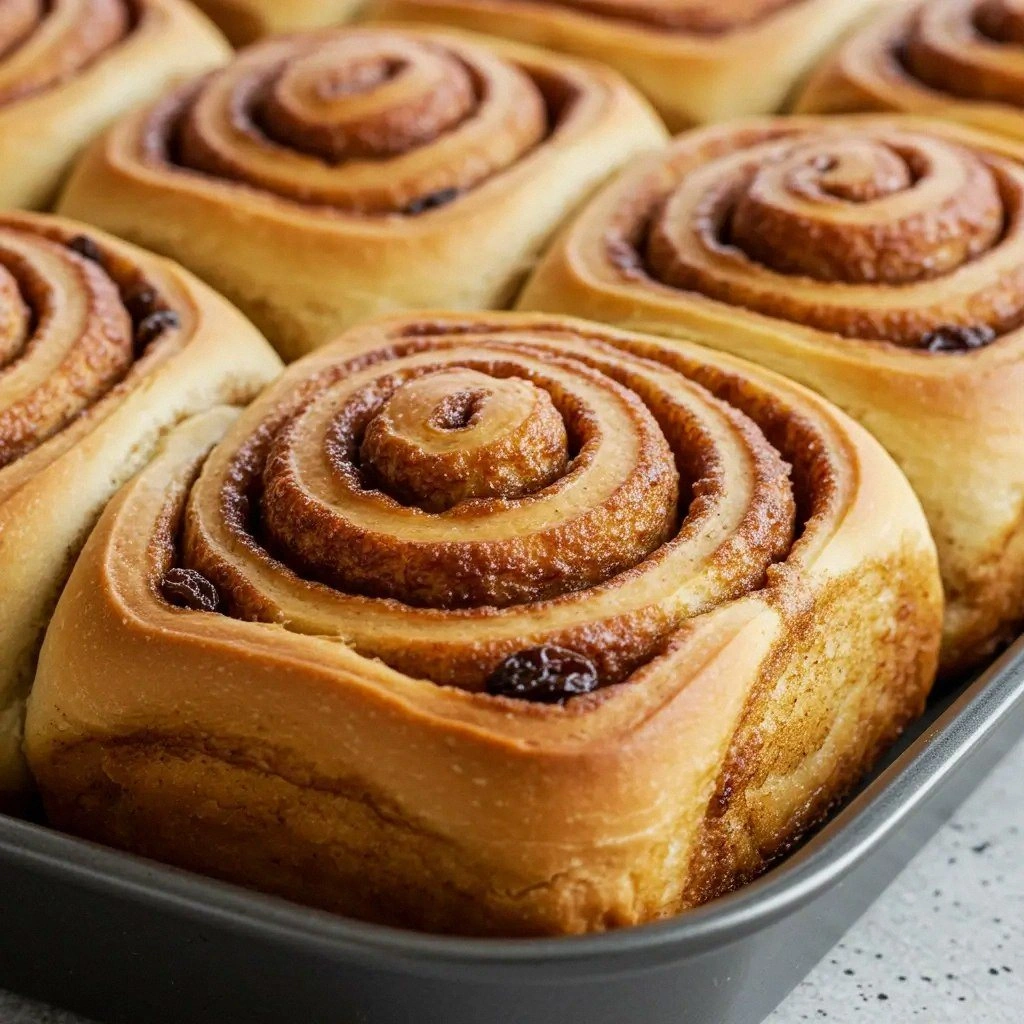
From the first glance, the dough feels like a soft, pliable cloud—almost too tender to handle, yet firm enough to hold its shape. The scent of melted butter and warm yeast fills the air, a comforting reminder that something delightful is on its way. When you bite into the first roll, the interior is a swirled masterpiece of cinnamon and brown sugar, the outer layer crisp yet tender, and the glaze—rich, slightly tangy, and sweet—glosses over the top like a glossy crown. Every bite is a symphony of textures: the crunch of the crust, the melt of the butter, the soft, pillowy center, and the sweet, creamy glaze that lingers on the tongue. The experience is not just about taste; it’s a full sensory journey that starts with a visual feast of golden rolls, moves to a fragrant aroma that lures you in, and ends with a satisfying aftertaste that makes you want to taste again.
What sets this recipe apart from the countless others you’ll find online is the meticulous balance of flavors, the clever use of a simple overnight technique that saves time without sacrificing quality, and a few secret tweaks that elevate the entire experience. The dough is enriched with a touch of whole milk, which gives it a silky finish; the filling is a buttery, cinnamon-sugar blend that caramelizes beautifully; and the glaze uses cream cheese to add a subtle tang that cuts through the sweetness. Most recipes get this completely wrong—too dry, too sweet, or the cinnamon overpowers everything—but here, everything sings in harmony. I dare you to taste this and not go back for seconds; the first bite will have you hooked, and the second will leave you wondering how you ever survived without this version.
Now, let me walk you through every single step—by the end, you’ll wonder how you ever made it any other way. From the initial dough preparation, through the overnight rest, to the final baking and glazing, every detail is covered with confidence and a dash of humor. If you’ve ever struggled with cinnamon rolls that turn out flat or undercooked, you’re not alone—and I’ve got the fix. Get ready for a recipe that’s not only delicious but also a joy to create.
What Makes This Version Stand Out
- Flavor: The combination of warm cinnamon, caramelized brown sugar, and a subtle tang from the cream cheese glaze creates a complex, layered taste that feels both comforting and indulgent. Every bite delivers a burst of sweetness balanced by savory undertones.
- Texture: The dough achieves a light, airy interior with a crisp, buttery crust—thanks to the overnight rise that allows yeast to work slowly, creating fine, even bubbles. The glaze coats the rolls like a velvet ribbon, adding a silky finish.
- Ease: The recipe requires minimal active time; you prepare the dough, let it rise overnight, and then bake and glaze in under 45 minutes. Even a novice can follow along without feeling overwhelmed.
- Make‑ahead: Overnight resting means you can prepare the dough in the evening and have fresh rolls ready for breakfast or brunch the next day. It’s a perfect solution for busy mornings.
- Ingredient Quality: Using high‑quality butter, fresh yeast, and real cinnamon elevates the flavor profile dramatically compared to store‑bought mixes. The recipe highlights how small quality differences can transform a good roll into a great one.
- Crowd Appeal: Whether it’s a family gathering or a holiday brunch, these rolls are a guaranteed crowd‑pleaser. Their golden color and fragrant aroma are hard to resist.
- Versatility: The basic recipe can be adapted with different fillings, glazes, or spices, making it a canvas for creative twists.
- Visual Appeal: The final product boasts a glossy, caramelized finish that looks as good as it tastes, perfect for Instagram-worthy photos.
Alright, let's break down exactly what goes into this masterpiece...
Inside the Ingredient List
The Flavor Base
At the heart of these rolls is the dough, a simple yet powerful blend of flour, yeast, sugar, salt, milk, egg, and butter. Each component plays a crucial role: flour provides structure, yeast drives the rise, sugar feeds the yeast and adds sweetness, salt balances flavors, milk enriches the dough, the egg adds richness and helps bind, and butter contributes moisture and a buttery aroma. Skipping any of these would result in a dough that either fails to rise, lacks flavor, or feels dry.
Flour selection matters—use all‑purpose for a versatile, reliable base, but for an extra tender crumb, consider a mix of whole wheat and all‑purpose. Whole wheat adds fiber and depth, while all‑purpose keeps the texture light. If you’re vegan, replace the butter with melted coconut oil and use plant‑based milk.
Tip: Use a kitchen scale for precision. Weighing flour and sugar ensures consistency, especially when you scale the recipe up or down.
The Texture Crew
Butter is the secret to a tender, flaky crust. The dough’s butter is incorporated in a way that creates small pockets of steam during baking, producing that desirable flakiness. The amount of butter is balanced; too much can make the dough greasy, too little can result in a dry roll.
Eggs add structure and richness. The yolk’s fat content helps keep the dough moist, while the white’s protein forms a network that traps gases. If you’re avoiding eggs, a tablespoon of aquafaba can serve as a good substitute.
Milk, whether whole or 2%, adds moisture and helps activate the yeast. It also gives the dough a slightly caramelized finish when baked. For a richer flavor, use buttermilk; it adds a subtle tang that pairs beautifully with cinnamon.
The Unexpected Star
Cinnamon is the star that defines the flavor profile. The recipe uses ground cinnamon for its warm, spicy sweetness. A pinch of nutmeg or allspice can add complexity, but cinnamon alone is enough to dominate the taste.
Brown sugar in the filling caramelizes during baking, creating a glossy, sweet crust that contrasts with the soft interior. The sugar’s molasses content gives depth and a subtle bitterness that balances the sweetness of the glaze.
Fun Fact: The first recorded use of cinnamon in the United States dates back to 1692, when it was imported from the West Indies and used to sweeten drinks for the wealthy.
The Final Flourish
The glaze is what turns these rolls from good to unforgettable. Cream cheese provides a tangy counterpoint to the sweetness, while powdered sugar adds the final sugary coat. A splash of milk or cream helps achieve the desired glaze consistency, and a hint of vanilla enhances the overall flavor.
If you prefer a less sweet glaze, reduce the powdered sugar by half or omit the vanilla. For an extra touch of luxury, sprinkle a pinch of sea salt on top before serving to highlight the sweet‑savory contrast.
Tip: Let the glaze sit for a minute before brushing it on the rolls; this allows the sugar to dissolve properly, preventing gritty spots.
Everything's prepped? Good. Let's get into the real action...
The Method — Step by Step
- Begin by dissolving the yeast in warm milk (about 110°F) with a pinch of sugar. Let it sit for 5–7 minutes until frothy, indicating the yeast is active. This step is crucial; a dormant yeast will result in a flat dough. If the mixture doesn’t froth, discard and start over with fresh yeast. This is the moment of truth—your dough’s fate hinges on this.
- In a large bowl, whisk together flour, sugar, salt, and cinnamon. Make sure the dry ingredients are evenly distributed to avoid pockets of salt or cinnamon. The flour’s hydration level will affect the dough’s elasticity; a slightly dry mix is easier to work with.
- Add the frothy yeast mixture, melted butter, and beaten egg to the dry mix. Stir until a shaggy dough forms. The butter should be at room temperature so it blends smoothly, creating a tender crumb. If the dough feels too dry, add a tablespoon of milk at a time.
- Knead the dough on a lightly floured surface for about 8–10 minutes until smooth and elastic. The dough should pass the windowpane test—stretch a small piece and it should be translucent without tearing. Proper kneading ensures the gluten network is well-developed for a light texture.
- Place the dough in a greased bowl, cover with plastic wrap or a damp towel, and let it rise for 1–1.5 hours at room temperature until doubled in size. The rise time can vary; if your kitchen is warm, it may rise faster. This is where the overnight magic begins—let the dough rest in the fridge for 12–16 hours.
- The next day, punch down the dough to release excess air. Roll it into a rectangle about 12x18 inches on a lightly floured surface. Spread softened butter over the surface, then sprinkle evenly with brown sugar and cinnamon. The butter should melt into the dough, creating a buttery, sweet layer.
- Roll the dough tightly from the long side, then slice into 12 equal pieces. Place the rolls seam side down in a greased baking pan, leaving a little space between each. The seam side down prevents the rolls from spreading too wide during baking.
- Cover the pan with a towel and let the rolls rise for 30–45 minutes until puffy. The second rise is shorter but essential for a light, airy crumb. Watch the rolls; they should expand noticeably but not double.
- Preheat the oven to 350°F (175°C). Bake the rolls for 20–25 minutes until golden brown and the tops are slightly caramelized. The smell of baking cinnamon and butter will fill the kitchen, a scent that feels like a promise of comfort.
- While the rolls are baking, prepare the glaze: beat cream cheese, powdered sugar, milk, and vanilla until smooth. Brush the glaze generously over the warm rolls immediately after removing them from the oven. The glaze will set into a glossy, creamy coating that’s both sweet and slightly tangy.
That's it — you did it. But hold on, I've got a few more tricks that'll take this to another level...
Insider Tricks for Flawless Results
The Temperature Rule Nobody Follows
Many bakers bake at the highest temperature they can find, assuming it will speed up the process. In reality, a moderate temperature of 350°F gives the rolls time to rise evenly and develop a golden crust. If you’re using a convection oven, reduce the temperature by 25°F to prevent over-browning.
Why Your Nose Knows Best
Before you lift the first roll, inhale deeply. The aroma of caramelized sugar and butter is a reliable indicator that the dough has baked to perfection. If the smell is too sweet, the rolls may be overbaked; if it’s bland, they need a few more minutes.
The 5-Minute Rest That Changes Everything
After glazing, let the rolls rest for 5 minutes before slicing. This brief pause allows the glaze to set and the steam to dissipate, preventing a soggy bottom. A quick rest also gives the rolls a moment to settle, making them easier to serve.
Use a Light Hand When Rolling
When spreading the butter, sugar, and cinnamon, avoid compressing the dough too hard. A gentle spread preserves the air pockets that create the light, fluffy interior. A heavy hand can squeeze out moisture, leading to a denser roll.
Don’t Skip the Second Rise
It’s tempting to skip the second rise to save time, but the rolls will be flat and dense. Even a brief 30‑minute rise is essential for a tender crumb and a pleasing rise. If you’re in a hurry, you can skip the first rise and let the dough rise at room temperature for 1–2 hours before shaping.
Glaze Timing is Key
Apply the glaze while the rolls are still warm; this ensures the glaze melts into the surface for a glossy finish. If the rolls are cool, the glaze may harden into a chalky crust. Brush the glaze in a thin, even layer to avoid excess sweetness.
Creative Twists and Variations
This recipe is a playground. Here are some of my favorite ways to switch things up:
Nutty Delight
Add chopped pecans or walnuts to the filling for a crunchy texture. The nuts pair beautifully with the cinnamon, adding a buttery depth. Ideal for a holiday brunch.
Chocolate Swirl
Swirl melted dark chocolate into the butter before rolling. The chocolate adds a rich, bittersweet flavor that complements the cinnamon. Serve with a dusting of cocoa powder.
Maple Bacon
Replace the brown sugar with maple syrup and add crispy bacon bits to the filling. The sweet‑savory combo is a breakfast hit that will impress guests. The bacon adds a smoky note that contrasts with the sweet glaze.
Apple Cinnamon
Fold diced apples into the filling for a fruity twist. The apples soften during baking, releasing juices that mingle with the cinnamon. A sprinkle of nutmeg adds extra warmth.
Almond Joy
Swap the butter in the glaze for almond butter and add shredded coconut. The result is a tropical, nutty glaze that pairs well with a drizzle of honey. Great for a summer brunch.
Spiced Ginger
Add a pinch of ground ginger to the filling for a subtle kick. The ginger’s warmth complements the cinnamon without overpowering it. A splash of orange zest in the glaze adds a bright, citrusy finish.
Storing and Bringing It Back to Life
Fridge Storage
Store leftover rolls in an airtight container at room temperature for up to 3 days. If you prefer a fresher texture, reheat in a toaster or oven at 350°F for 5 minutes. The rolls will stay soft and warm.
Freezer Friendly
Wrap individual rolls tightly in plastic wrap and place them in a freezer bag. Freeze for up to 2 months. Thaw overnight in the refrigerator, then warm in the oven for 10 minutes.
Best Reheating Method
To revive the glaze’s glossy finish, add a tiny splash of water or milk to the rolls before reheating. This steams the surface, restoring the glaze’s smoothness and preventing it from drying out.