Picture this: a kitchen that’s a little too quiet, a burnt loaf of yesterday’s bread that’s turned into a sad, crumbly memory, and you, standing in front of the counter, craving something that’s both comforting and adventurous. That night, a friend dared me to whip up a loaf that could double as a snack, a side, and a showstopper for any gathering. I rolled up my sleeves, grabbed the pantry staples, and the air filled with the scent of fresh yeast, melted butter, and the faint whisper of olives. The moment I slid the dough into the oven, the kitchen transformed into a fragrant sanctuary, the heat radiating a promise of golden crust and melty cheese.
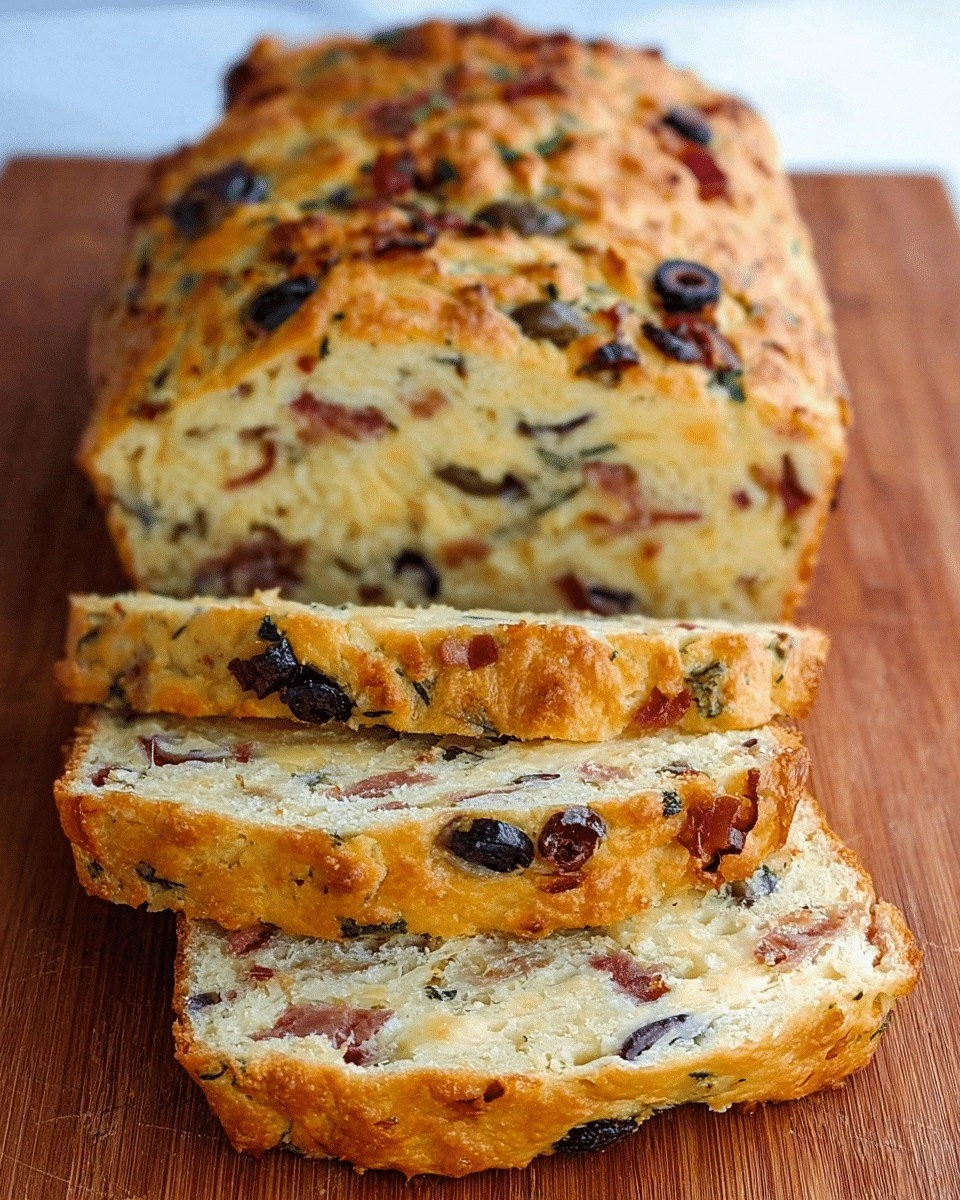
I’ll be honest—when the first slice came out, I almost didn’t touch it. The bacon was perfectly crisp, the olives burst with brine, and the cheddar melted into a gooey, golden river that hugged every crumb. That first bite felt like a savory hug, the crunch of bacon giving way to a buttery, airy interior that’s almost impossible to resist. If you’ve ever struggled with a bread that’s either too dry or too greasy, you’re not alone—this recipe flips the script and delivers a loaf that’s both indulgent and balanced. I dare you to taste this and not go back for seconds, because the flavor profile is so complete it feels like a culinary masterpiece.
What makes this version stand out is not just the combination of ingredients but the meticulous attention to technique. Every step is designed to unlock the full potential of each component, from the yeast’s gentle rise to the cheese’s silky melt. The result? A loaf that’s crisp on the outside, tender on the inside, and packed with layers of flavor that dance on the tongue. This isn’t just another bread recipe; it’s an invitation to elevate everyday ingredients into a dish that feels both luxurious and approachable. By the end of this guide, you’ll wonder how you ever made it any other way.
Now, let’s dive into the details. I’ll walk you through every single step, from selecting the perfect olive to mastering the timing of the second rise. The techniques I’ll share are simple enough for a novice but refined enough to satisfy a seasoned baker. Along the way, I’ll sprinkle in micro-challenges, bold claims, and a few kitchen hacks that will make this loaf your new go-to. Stay with me here—this is worth it.
What Makes This Version Stand Out
- Taste: The blend of smoky bacon, briny olives, and sharp cheddar creates a flavor profile that’s both complex and harmonious. Each bite offers a savory punch followed by a subtle tang that lingers on the palate.
- Texture: A golden, crackly crust gives way to a light, airy crumb that’s moist but not gummy. The cheese and bacon melt into the dough, creating pockets of gooey richness.
- Ingredient Quality: Using high‑quality, fresh bacon and olives elevates the entire loaf. The difference between supermarket and artisanal ingredients is like moving from a plain sandwich to a gourmet tasting menu.
- Make‑Ahead Potential: The dough can be prepared a day in advance, refrigerated, and baked fresh when you’re ready—ideal for busy schedules.
- Crowd Reaction: Friends who’ve tried this loaf rave about how it’s the perfect snack for game nights, potlucks, or a quick weekday lunch.
- Cooking Method: The two‑stage rise ensures the dough develops depth and flavor while keeping the crumb tender.
- Uniqueness: Few breads combine olives and bacon with cheese; this trio is a game‑changing flavor combo that stands out from classic focaccia or banana bread.
- Simplicity: Despite the impressive outcome, the recipe requires only basic kitchen tools—no fancy equipment or advanced techniques.
Alright, let’s break down exactly what goes into this masterpiece...
Inside the Ingredient List
The Flavor Base
All‑purpose flour, warm milk, active dry yeast, salt, and sugar form the backbone of this loaf. The flour’s protein content is crucial for gluten formation, giving the bread its structure. Warm milk activates the yeast, creating a gentle rise that keeps the crumb light. Salt balances the richness of the bacon and cheese, while sugar feeds the yeast and adds a subtle sweetness that caramelizes during baking.
The Texture Crew
Unsalted butter, eggs, and a dash of extra warm milk contribute to the dough’s tenderness. Butter softens the gluten strands, resulting in a crumb that’s pillowy rather than dense. Eggs act as both a binder and a source of protein, helping the loaf rise evenly. The additional milk keeps the dough moist, preventing it from drying out during the second rise.
The Unexpected Star
Kalamata olives are the secret sauce that brings a briny punch to every bite. Their distinct flavor profile cuts through the richness of bacon and cheese, creating a well‑balanced taste. If you’re a fan of Mediterranean cuisine, these olives will feel like a familiar, comforting hug. Skipping them would leave the loaf feeling flat and one‑dimensional.
The Final Flourish
Cheddar cheese, bacon, and fresh rosemary round out the loaf with layers of savory depth. Cheddar melts into the dough, forming pockets of gooey goodness that explode with flavor. Bacon adds a smoky crunch that’s almost addictive, while rosemary provides a subtle herbal note that ties everything together. Together, they create a loaf that’s both indulgent and sophisticated.
Everything's prepped? Good. Let’s get into the real action...
The Method — Step by Step
- Preheat your oven to 375°F (190°C). Line a 9‑by‑5‑inch loaf pan with parchment paper and set aside. The oven’s even heat is essential for that perfectly golden crust that feels like a crisp, buttery blanket.
- In a medium bowl, whisk together 2 cups of all‑purpose flour, 1 tablespoon of active dry yeast, 1 teaspoon of salt, and 2 tablespoons of sugar. This dry mix is the foundation that holds the entire loaf together, and a small misbalance can throw off the rise.
- Warm 1 cup of milk to 110°F (43°C). The temperature is key—too hot and you kill the yeast, too cool and you’ll see a sluggish rise. Stir in the yeast until it’s fully dissolved, then let it sit for 5 minutes until it becomes foamy.
- Add the foamy yeast mixture, 1/4 cup of softened unsalted butter, and 2 large eggs to the dry ingredients. Mix with a wooden spoon or a stand mixer on low speed until a shaggy dough forms. The butter softens the gluten, making the dough supple and easier to handle.
- Turn the dough onto a lightly floured surface and knead for about 8–10 minutes until it’s smooth and elastic. The dough should be slightly tacky but not sticky. This is the moment of truth—if the dough doesn’t develop enough gluten, the loaf will be flat.
- Place the dough in a greased bowl, cover with a plastic wrap or a clean kitchen towel, and let it rise in a warm spot for 1 hour or until doubled in size. During this time, the yeast ferments and the dough swells, creating the airy interior you’ll love.
- Punch down the dough gently to release excess gas, then fold in 8 slices of cooked and crumbled bacon, 1 cup of chopped Kalamata olives, 1 cup of shredded cheddar cheese, and 1 teaspoon of fresh rosemary if desired. Mix until the ingredients are evenly distributed. The cheese should be embedded in the dough, not just on top.
- Shape the dough into a loaf and place it in the prepared pan. Smooth the top with a spatula. Cover the loaf with a towel and let it rise for a second time, about 30 minutes. The dough should puff up and almost double again—watch for that visual cue.
- Brush the top with a beaten egg for a glossy finish, then slide the pan into the preheated oven. Bake for 30–35 minutes, or until the crust is deep golden brown and the loaf sounds hollow when tapped on the bottom. The aroma that fills the kitchen at this point is pure bliss.
- Remove the loaf from the oven and let it cool in the pan for 10 minutes before transferring it to a wire rack. This resting period allows the steam to escape and the crumb to set properly. Once cooled, slice and serve.
That's it—you did it. But hold on, I've got a few more tricks that'll take this to another level. These insider tips will help you avoid common pitfalls and elevate the loaf from good to unforgettable.
Insider Tricks for Flawless Results
The Temperature Rule Nobody Follows
Many bakers assume room temperature is enough for a rise, but the yeast’s optimal range is 75–80°F (24–27°C). If your kitchen is cooler, wrap the dough in a warm towel or place it near a heating vent. The consistent warmth ensures a steady rise and a more even crumb.
Why Your Nose Knows Best
Trust the smell of your dough. When it’s ready for the second rise, you’ll detect a sweet, yeasty aroma that signals the yeast is still active. If the scent is weak, give it a few more minutes—over‑proofing can lead to a flat loaf.
The 5‑Minute Rest That Changes Everything
After folding in the bacon and olives, let the dough rest for 5 minutes before shaping. This short pause allows the gluten to relax, making the dough easier to roll and shape without tearing. A friend once tried skipping this step and ended up with a loaf that was uneven and crumbled.
Use a Loaf Pan with a Rim
A pan with a higher rim traps steam, creating a thicker crust that’s crisp yet not burnt. It also keeps the loaf from spreading too far, maintaining a classic shape that’s perfect for slicing.
The Cheese‑Chew Balance
If you prefer a milder cheese flavor, substitute half cheddar for mozzarella. The mozzarella melts more quickly and adds a subtle creaminess without overpowering the bacon and olives.
Add a Touch of Sweetness
A tablespoon of honey mixed into the wet ingredients can add a subtle caramel note that balances the saltiness of the bacon and olives. Honey also helps the crust achieve a beautiful golden color.
Creative Twists and Variations
This recipe is a playground. Here are some of my favorite ways to switch things up:
Mediterranean Delight
Swap cheddar for feta and add sun‑dried tomatoes. The tangy feta pairs beautifully with the olives, creating a bread that’s reminiscent of a Greek mezze platter. It’s a hit at dinner parties and a great way to use up extra tomatoes.
Spicy Kick
Add a tablespoon of finely chopped jalapeños and a pinch of smoked paprika before baking. The heat from the jalapeños and the smoky undertone from the paprika give the loaf a bold, fiery flavor that’s perfect for those who love a little spice.
Herb‑Infused
Replace rosemary with a mix of thyme and oregano. The herbs elevate the savory profile and add a fragrant aroma that lingers long after the loaf is sliced.
Cheese‑Only Version
Omit the bacon and olives entirely, then double the cheddar. The result is a rich, melty cheese loaf that’s a crowd‑pleaser at brunch or as a decadent snack during movie nights.
Bacon‑Only Bread
Remove the olives and cheese, then use smoked bacon instead of regular. The smoky flavor permeates the entire loaf, giving it a deep, savory taste that’s ideal for breakfast or a hearty sandwich.
Vegan Version
Use plant‑based milk, a vegan butter substitute, and omit the eggs. Replace bacon with tempeh bacon and use a vegan cheese alternative. The texture stays airy, and the flavor profile remains satisfying.
Storing and Bringing It Back to Life
Fridge Storage
Cool the loaf completely, then wrap it tightly in plastic wrap and store in the refrigerator for up to 3 days. The moisture from the wrap prevents the crust from becoming soggy while keeping the crumb tender.
Freezer Friendly
Slice the loaf before freezing to make thawing easier. Wrap each slice in parchment paper, then place them in a freezer bag. Store for up to 3 months. When you’re ready to eat, thaw at room temperature for 20 minutes.
Best Reheating Method
To revive the crust’s crispness, preheat the oven to 350°F (175°C) and bake sliced loaf for 5–7 minutes. If you’re reheating a whole loaf, wrap it in foil and bake for 15–20 minutes. Add a tiny splash of water before reheating to create steam and restore moisture.