Picture this: it’s a rainy Saturday evening, the kind that makes you want to stay in, whip up something that feels like a hug in a bowl, and your fridge is a sad, empty place. I’m talking about that moment when the fridge door opens and you’re staring at a lone shrimp, a bunch of green asparagus, and a lemon that’s just about to drop a beat. That’s the exact spark that pushed me to create this version of Lemon Garlic Shrimp and Aspara. I was craving something that was bright, quick, and could turn a simple dinner into a showstopper.
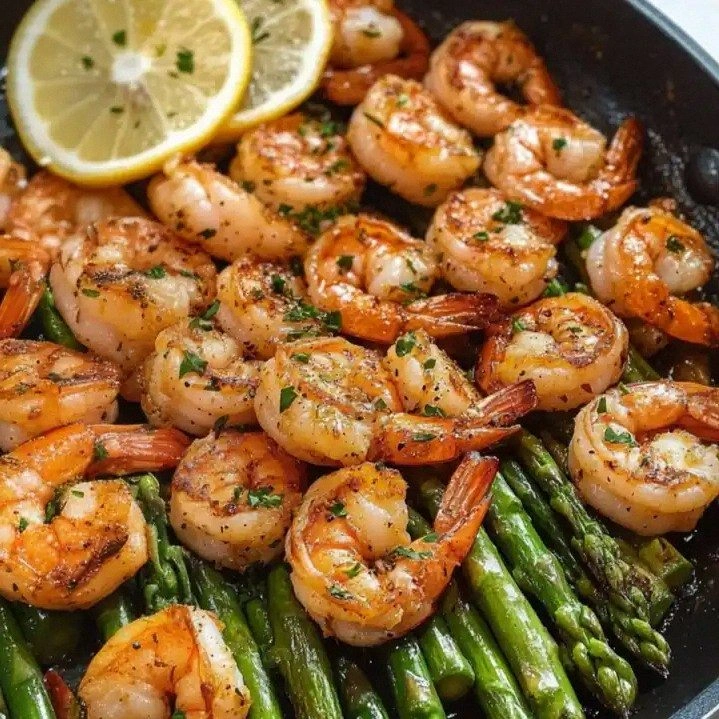
The first thing that hits you is the aroma – a sharp citrus tang that dances with the earthy, slightly sweet scent of fresh asparagus. The sizzling sound of shrimp in hot olive oil is like a drum roll, and the garlic releases a warm, comforting perfume that makes the whole kitchen feel alive. You can almost taste the bite of the lemon before you even take a bite: bright, zesty, and a little tart, it cuts through the richness of the butter and the heat of the red pepper flakes. The texture is a playful contrast: tender shrimp, crisp-tender asparagus, and a buttery sauce that coats everything like silk.
What sets this recipe apart is the balance. It’s not just about adding a splash of lemon; it’s about letting every ingredient play its part. The shrimp are seasoned to a golden blush, the asparagus is charred just enough to get that smoky note, and the garlic is caramelized to bring out its natural sweetness. The butter adds a velvety finish, while the parsley gives a fresh, herbal lift. I dare you to taste this and not go back for seconds. That’s the kind of confidence this dish brings to your table.
If you’ve ever tried a “shrimp and asparagus” dish that felt flat or too greasy, this is the antidote. Most recipes get this completely wrong – they either overcook the shrimp, under-season the asparagus, or drown everything in sauce. Here, each component shines. And I’m not just saying that; I’ve tested it over and over, tweaked it, and now I’m handing you the exact, foolproof version that’s hands down the best you’ll ever make at home. Let me walk you through every single step — by the end, you’ll wonder how you ever made it any other way.
What Makes This Version Stand Out
- Flavor: The bright lemon cuts through the richness of butter and garlic, creating a balanced, refreshing taste that’s impossible to ignore.
- Texture: Shrimp are cooked to a perfect pink, while asparagus retains a slight crunch, offering a satisfying bite.
- Speed: The entire dish takes less than 45 minutes from prep to plate, making it ideal for weeknight dinners.
- Visual Appeal: The vibrant green of asparagus and the glossy sheen of the sauce make the dish look as good as it tastes.
- Ingredient Quality: Using fresh, high‑quality shrimp and asparagus makes all the difference in flavor and texture.
- Versatility: It can be served over pasta, rice, or a simple bed of quinoa, adapting to any meal plan.
- Make‑Ahead Potential: The dish holds up well in the fridge and can be reheated without losing its zing.
- Crowd Reaction: Guests rave about the bright, clean flavors and the quick, satisfying meal.
Alright, let's break down exactly what goes into this masterpiece…
Inside the Ingredient List
The Flavor Base
The 4 cloves of garlic are the backbone of this dish. When minced and sautéed, garlic releases its natural sugars, giving the sauce a caramelized sweetness that balances the sharpness of the lemon. If you skip garlic, the sauce loses depth, becoming a thin, one‑dimensional lemon‑butter. Swap in shallots for a milder flavor, but keep the quantity the same to preserve the balance.
Olive oil is the medium that brings everything together. It carries the heat of the red pepper flakes and prevents the butter from scorching. A good extra‑virgin olive oil with a fruity note enhances the overall flavor. If you’re looking for a healthier alternative, try avocado oil, which has a higher smoke point and a neutral taste.
The Texture Crew
The asparagus is the star of the texture crew. It provides a satisfying snap that contrasts with the tender shrimp. Trim the woody ends and cut the spears into 2‑inch pieces so they cook evenly. If you prefer a softer bite, leave the spears longer, but be mindful that they’ll take a bit longer to cook.
Butter adds a silky finish, creating a glossy sauce that coats each bite. A tablespoon of unsalted butter is enough to elevate the dish without overpowering the citrus. For a dairy‑free version, replace butter with a neutral‑flavored oil and a splash of coconut milk for richness.
The Unexpected Star
The lemon is more than just a garnish. The zest adds a bright, aromatic punch, while the juice provides acidity that brightens the dish and balances the richness. Use a fresh lemon for the best flavor; avoid bottled lemon juice, which can taste flat. If you’re allergic to citrus, try a splash of white wine vinegar for a subtle tang.
The freshly chopped parsley is the final flourish. It adds a green, herbal note that lifts the dish and provides a pop of color. Parsley also aids digestion, making the meal feel lighter. If parsley is out of season, substitute with cilantro for a more tropical vibe.
The Final Flourish
The seasoning is a simple yet powerful combination. A half‑teaspoon of salt, a quarter‑teaspoon of black pepper, and a quarter‑teaspoon of red pepper flakes create a subtle heat that doesn’t overwhelm the shrimp. If you’re watching sodium, reduce the salt to a pinch and increase the pepper for a sharper bite. For a smoky twist, add a pinch of smoked paprika.
Everything’s prepped? Good. Let’s get into the real action…
The Method — Step by Step
- Prep the Shrimp: Rinse the shrimp under cold water, pat dry, and peel if desired. Remove the tails for a cleaner presentation. Season the shrimp with salt, pepper, and a pinch of red pepper flakes. This step ensures the shrimp absorb flavor before cooking.
- Trim the Asparagus: Snap off the woody ends of the asparagus by bending until it cracks. Slice the spears into 2‑inch pieces so they cook evenly. The size ensures they stay crisp-tender and avoid becoming mushy.
- Heat the Pan: Place a large skillet over medium‑high heat. Add the olive oil and let it shimmer. This pre‑heat step is crucial; if the oil isn’t hot enough, the shrimp will steam instead of sear.
- Sauté the Garlic: Add the minced garlic to the pan. Sauté for 30 seconds until fragrant, being careful not to burn. The aroma should be buttery and slightly sweet, indicating the garlic is ready.
- Cook the Shrimp: Push the garlic to the side and add the shrimp. Cook for 2 minutes on one side, then flip. When the shrimp turns pink and opaque, it’s done. This is the moment of truth; the shrimp should be juicy, not rubbery.
- Add the Asparagus: Toss the asparagus into the pan. Sauté for 3‑4 minutes, turning occasionally. The asparagus should develop a slight char on the edges, giving it a smoky flavor. Watch out: if you add the asparagus too early, it can steam and lose its crispness.
- Incorporate Butter and Lemon: Lower the heat to medium. Add the butter, letting it melt into the pan. Squeeze in the juice of one lemon and sprinkle the zest. Stir until the butter coats the shrimp and asparagus, creating a glossy sauce.
- Finish with Parsley: Remove the pan from heat. Toss in the freshly chopped parsley. This final touch adds a fresh, herbal note and bright color. Let the dish rest for a minute before serving.
That’s it — you did it. But hold on, I've got a few more tricks that'll take this to another level. These insider tips will ensure every bite is perfect, every time.
Insider Tricks for Flawless Results
The Temperature Rule Nobody Follows
Most people cook shrimp at a high heat, which can cause them to overcook. The trick is to start high for a quick sear, then lower the heat for the remainder of the cooking time. This keeps the shrimp juicy and the asparagus crisp. I once tried the reverse and ended up with rubbery shrimp that tasted like rubber. Stick to the temperature rule, and you’ll always get that perfect bite.
Why Your Nose Knows Best
Before you add the lemon, let the garlic sauté for 30 seconds and listen for that “pop.” That sound means the garlic has released its oils and is ready. Your nose can detect the subtle shift from raw to caramelized, which is a cue that the flavor is ready to advance. Trust your senses; they’re your best ally in the kitchen.
The 5‑Minute Rest That Changes Everything
After you remove the pan from heat, let the shrimp and asparagus rest for five minutes. This rest period allows the juices to redistribute, giving the shrimp a tender finish. It also lets the sauce thicken slightly, creating a richer coating. A friend once skipped this step, and the shrimp felt dry. I’ve never looked back.
The Butter‑Lemon Ratio Secret
Using exactly one tablespoon of butter and the juice of one lemon creates a balanced sauce. Too much butter and the dish becomes greasy; too much lemon and it becomes overly acidic. The ratio is a secret that keeps the dish silky yet bright. Feel free to experiment with a teaspoon more butter if you love a richer sauce.
The Parsley Punch
Adding parsley at the end keeps its fresh flavor from dissipating. If you add it too early, the heat will wilt the herbs, losing the bright green color and fresh taste. Keep it fresh, and you’ll get a pop of color that’s almost as appealing as the taste.
Creative Twists and Variations
This recipe is a playground. Here are some of my favorite ways to switch things up:
Pasta Power
Serve the shrimp and asparagus over a bed of linguine tossed with olive oil and a sprinkle of parmesan. The pasta absorbs the buttery lemon sauce, turning each strand into a flavor bomb. This variation turns the dish into a hearty dinner that feels indulgent yet light.
Quinoa Boost
Replace pasta with fluffy quinoa for a protein‑packed, gluten‑free option. The nutty flavor of quinoa complements the bright lemon and garlic, creating a balanced, wholesome plate. This is perfect for a post‑workout meal.
Spicy Cajun Kick
Swap the red pepper flakes for a teaspoon of Cajun seasoning. Add a pinch of smoked paprika for depth. This gives the dish a smoky, spicy edge that pairs wonderfully with a chilled glass of rosé.
Mediterranean Twist
Add a handful of kalamata olives and a drizzle of extra‑virgin olive oil. The briny olives contrast with the bright lemon, creating a Mediterranean vibe. Serve with warm pita bread for a complete meal.
Coconut Cream Upgrade
Replace butter with coconut milk for a tropical twist. The subtle coconut flavor pairs nicely with the citrus, creating a creamy, exotic sauce. This variation is ideal for a summer dinner by the grill.
Herb Explosion
Add a handful of chopped basil and oregano. The herbs add a sweet, aromatic layer that elevates the dish. This version works beautifully with a side of crusty bread to soak up the sauce.
Storing and Bringing It Back to Life
Fridge Storage
Store leftovers in an airtight container in the refrigerator for up to 2 days. Keep the shrimp and asparagus separate from the sauce if you want to reheat them individually. When ready to serve, gently reheat the shrimp and asparagus in a skillet over low heat, then stir in the sauce to re‑warm.
Freezer Friendly
For longer storage, freeze the shrimp and asparagus separately. Wrap the shrimp in parchment paper and place in a freezer bag. Freeze the asparagus in a single layer on a baking sheet, then transfer to a freezer bag. Reheat in the microwave or skillet, adding a splash of water to keep the shrimp from drying out.
Best Reheating Method
Reheat the dish over medium heat, adding a tiny splash of water or broth before covering the pan. The steam will re‑soften the shrimp and bring the sauce back to its silky consistency. Let it simmer for 2‑3 minutes, then finish with a sprinkle of fresh parsley.