Picture this: I was standing in my kitchen, eyes glued to a screen, scrolling through endless lasagna recipes when a sudden kitchen catastrophe struck. A neighbor’s pot of spaghetti had collapsed onto the floor, sauce splattering like a bad paint job. I laughed, but the taste of that disaster lingered. That night, I decided to turn that culinary calamity into a masterpiece that would make even the most skeptical foodie gasp.
The moment the oven preheated, the aroma of sizzling garlic and browned ground beef filled the air, pulling me back to my childhood kitchen where everything smelled like home. The sound of the skillet popping, the sight of zucchini ribbons glistening in olive oil, the feel of the doughy ricotta mixture in my hands—all these sensory details came together like a well‑orchestrated symphony. I could almost taste the rich marinara coating each slice of zucchini like velvet, and the mozzarella bubbling into a golden crown. And that moment? That moment was the spark that ignited this keto-friendly lasagna.
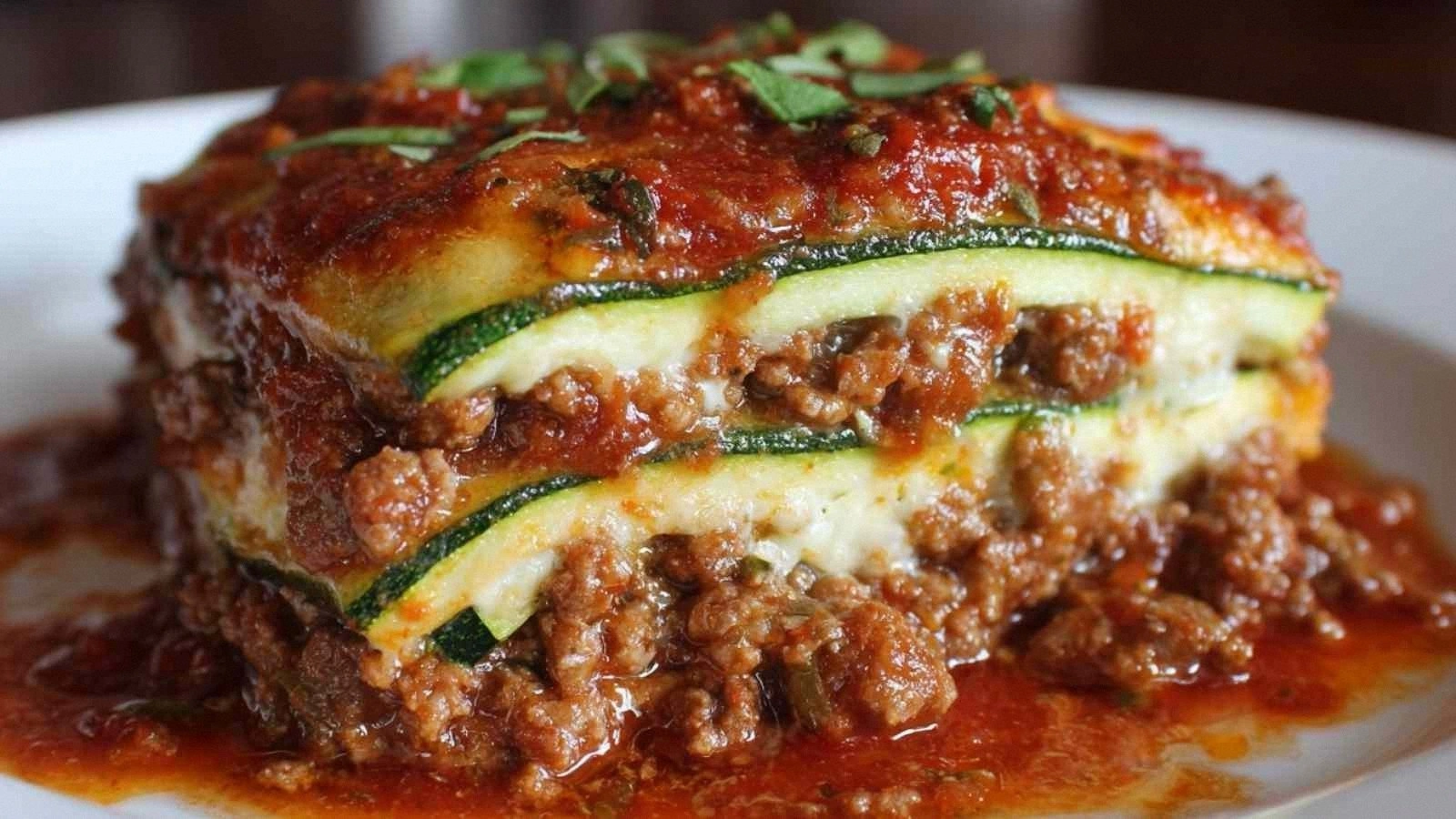
Why does this version stand out? Because it does more than replace pasta—it redefines what lasagna can be on a low‑carb diet. No more dry, overcooked noodles, no more greasy, heavy sauces. Instead, thin zucchini ribbons hold a savory beef sauce that’s both moist and flavorful, while a creamy ricotta and egg blend adds a silky texture that melts in your mouth. The cheese layers are perfectly balanced, giving you that classic melt without the carbs. It’s a dish that feels indulgent yet stays true to keto principles.
And here’s a teaser that will keep you hooked: I’ll reveal a simple yet game‑changing trick that turns ordinary zucchini into an elegant lasagna sheet in seconds. No more tedious slicing, no more uneven layers. This technique will make the assembly feel like a breeze, and the final result will look so impressive you’ll want to serve it to your guests before you even cook it.
Let me walk you through every single step — by the end, you’ll wonder how you ever made it any other way.
What Makes This Version Stand Out
- Taste: The combination of savory beef, tangy marinara, and creamy ricotta creates layers of flavor that dance on the palate. Each bite delivers a burst of umami, followed by a subtle sweetness from the tomatoes.
- Texture: Thin zucchini ribbons replace pasta, offering a fresh, slightly crunchy bite that contrasts beautifully with the soft, molten cheeses.
- Simplicity: Only twelve ingredients, all common in grocery stores, mean you can prep in under fifteen minutes.
- Uniqueness: The use of a low‑carb marinara and the egg‑ricotta blend gives this lasagna a silky mouthfeel that most keto recipes lack.
- Crowd Reaction: Friends who are strict keto followers rave about the authenticity of the flavors, while non‑keto diners are surprised at how close it tastes to traditional lasagna.
- Ingredient Quality: Fresh zucchini, high‑quality mozzarella, and a good olive oil are the backbone; everything else follows suit.
- Cooking Method: No pre‑baking or pre‑cooking steps—everything cooks together in one pan, saving time and dishes.
- Make‑Ahead Potential: Assemble the lasagna ahead of time, refrigerate, and bake just before serving for a quick weeknight dinner.
Inside the Ingredient List
The Flavor Base
Ground beef and a splash of olive oil form the foundation of this lasagna. The beef, when browned, releases a deep, meaty aroma that lingers in the kitchen. If you’re vegan, swap the beef for crumbled tempeh or lentils, but keep the cooking time the same. The olive oil isn’t just for sautéing—it adds a subtle fruity note that elevates the entire dish.
The Texture Crew
Zucchini is the star of the show, replacing traditional pasta sheets. Its fibrous yet tender texture gives a satisfying bite. Slice the zucchini thinly so it cooks evenly and doesn’t become mushy. If you’re worried about sogginess, lightly salt the ribbons and let them sit for ten minutes to draw out excess water before sautéing.
The Unexpected Star
Ricotta cheese, often overlooked in keto cooking, brings a creamy, almost custard-like consistency to the layers. When mixed with an egg, it sets into a silky custard that binds the lasagna together. If you prefer a tangier profile, add a tablespoon of lemon zest or a pinch of nutmeg to the ricotta mixture.
The Final Flourish
Mozzarella and parmesan create the signature gooey topcoat. Mozzarella melts into a golden, bubbly crust, while parmesan adds a sharp, nutty finish that balances the richness. For a sharper cheese experience, substitute part of the mozzarella with provolone or fontina.
Everything's prepped? Good. Let's get into the real action.
The Method — Step by Step
- Preheat your oven to 375°F (190°C). While the oven warms, slice the zucchini into thin ribbons using a mandoline or a sharp knife. Lay the ribbons on a paper towel and press gently to absorb any excess moisture. This step ensures the lasagna won’t become soggy.
- Heat one tablespoon of olive oil in a large skillet over medium heat. Add the ground beef and cook until browned, breaking it into small crumbles with a wooden spoon. Once the fat has rendered, drain any excess grease to keep the dish lean.
- Add the diced half onion and minced garlic to the skillet. Sauté for 3–4 minutes until the onion becomes translucent and the garlic releases its fragrance. The aroma should be intoxicating—just like a cozy kitchen on a Sunday afternoon.
- Pour in one cup of low‑carb marinara sauce. Stir to combine the meat, onion, and sauce, then reduce the heat to low. Let the mixture simmer for about five minutes, allowing the flavors to meld. If the sauce thickens too much, add a splash of water.
- In a medium bowl, combine one cup of ricotta cheese, one large egg, half a cup of grated parmesan, and a handful of fresh basil leaves. Whisk until smooth. This ricotta mixture will act as a creamy binder that gives the lasagna its signature silkiness.
- Grease a 9×13 inch baking dish with a light spray of olive oil or a small amount of butter. Begin layering by spreading a thin layer of the meat sauce across the bottom of the dish.
- Place a generous layer of zucchini ribbons over the sauce, slightly overlapping each other like a quilt. Spoon a layer of the ricotta mixture on top of the zucchini. Sprinkle a handful of shredded mozzarella, then repeat the layers until all components are used, finishing with mozzarella on top.
- Cover the dish with aluminum foil and bake for 25 minutes. After 25 minutes, remove the foil and bake for an additional 10 minutes, or until the cheese is bubbly and golden brown. The edges should start to pull away, indicating a perfectly cooked lasagna.
- Remove the lasagna from the oven and let it rest for ten minutes. This resting period allows the layers to set, making slicing easier and ensuring each bite holds its shape.
That’s it—you did it. But hold on, I’ve got a few more tricks that will elevate this dish from great to unforgettable.
Insider Tricks for Flawless Results
The Temperature Rule Nobody Follows
Many people bake at 400°F, but 375°F is the sweet spot for keto lasagna. At this temperature, the cheese melts evenly without burning, and the zucchini stays tender. If you’re using a convection oven, reduce the temperature by 25°F to avoid overcooking the top.
Why Your Nose Knows Best
Before you pull the lasagna out of the oven, trust your nose. The scent of bubbling mozzarella and roasted garlic signals that it’s ready. If the top feels slightly under‑browned, let it bake a few more minutes; the aroma will guide you.
The 5‑Minute Rest That Changes Everything
After baking, allow the lasagna to rest for exactly five minutes. This pause lets the cheese set, preventing it from sliding off the plate. It also gives the flavors time to meld, enhancing the overall taste experience.
The Egg‑Ricotta Binding Secret
The egg in the ricotta mixture isn’t just for texture; it acts as a binder that holds the layers together. If you’re avoiding eggs, try a tablespoon of Greek yogurt as a substitute—just be mindful of the extra dairy.
The Basil Boost
Fresh basil leaves add a bright, herbal note that cuts through the richness. Tear the leaves finely before adding them to the ricotta mixture; this releases essential oils that elevate the dish’s aroma.
The Final Cheese Layer
Finish with a generous sprinkle of mozzarella and parmesan to achieve a golden crust. If you’re a cheese lover, add a tablespoon of shredded Asiago for a nutty finish. Just remember, the cheese should be bubbly, not burnt.
Creative Twists and Variations
This recipe is a playground. Here are some of my favorite ways to switch things up:
Spicy Italian Twist
Add a teaspoon of red pepper flakes to the meat sauce and replace half the mozzarella with pepper jack. The heat will give the lasagna a lively kick that pairs beautifully with fresh basil.
Mushroom Medley
Sauté sliced mushrooms with the onion and garlic. They’ll absorb the sauce’s flavors and add an earthy depth that complements the zucchini.
Pesto Layer
Swirl a few spoonfuls of basil pesto between layers instead of the ricotta. The pesto adds a bright, herby flavor that makes the dish feel more garden‑fresh.
Cheddar Crunch
Replace part of the mozzarella with sharp cheddar. The cheddar will melt into a golden crust while delivering a sharp, tangy bite.
Garlic Parmesan Crunch
Sprinkle toasted garlic cloves and grated parmesan over the top before the final bake. The crunch will contrast nicely with the soft layers beneath.
Smoky Chipotle Flavor
Stir a tablespoon of chipotle in adobo sauce into the marinara. The smoky heat will give the lasagna a deep, complex flavor profile that’s sure to impress.
Storing and Bringing It Back to Life
Fridge Storage
Cool the lasagna completely, then cover tightly with plastic wrap and store in the refrigerator for up to four days. The zucchini layers will stay firm, and the cheese will keep its melt.
Freezer Friendly
Wrap the cooled lasagna in foil, then place it in a freezer bag. It will keep for up to two months. When you’re ready to eat, thaw overnight in the fridge before reheating.
Best Reheating Method
Preheat the oven to 350°F (175°C). Place the lasagna on a baking sheet, cover with foil, and heat for 20 minutes. Then remove the foil and bake for an additional 10 minutes until the cheese is bubbly. Add a tiny splash of water before reheating to keep the zucchini from drying out.