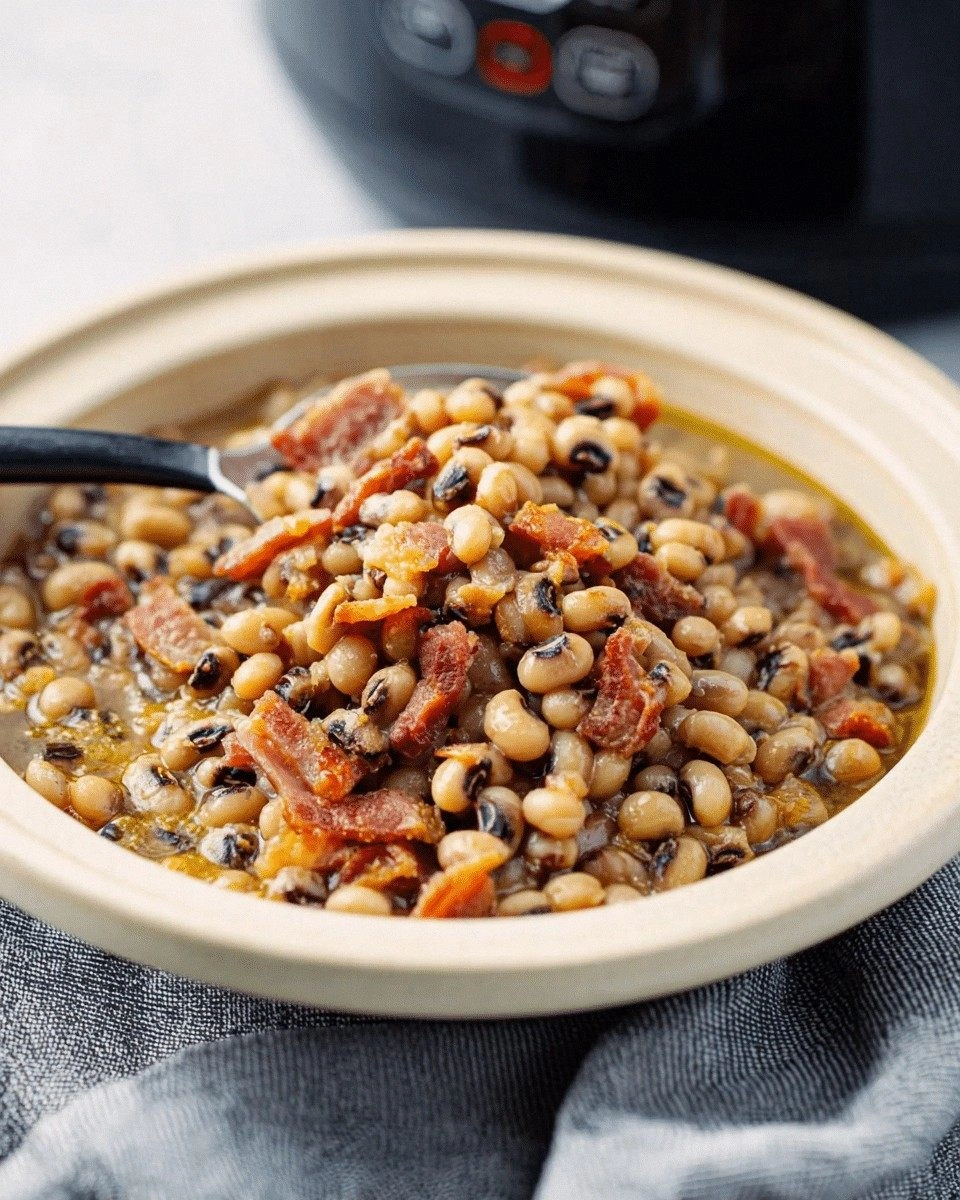
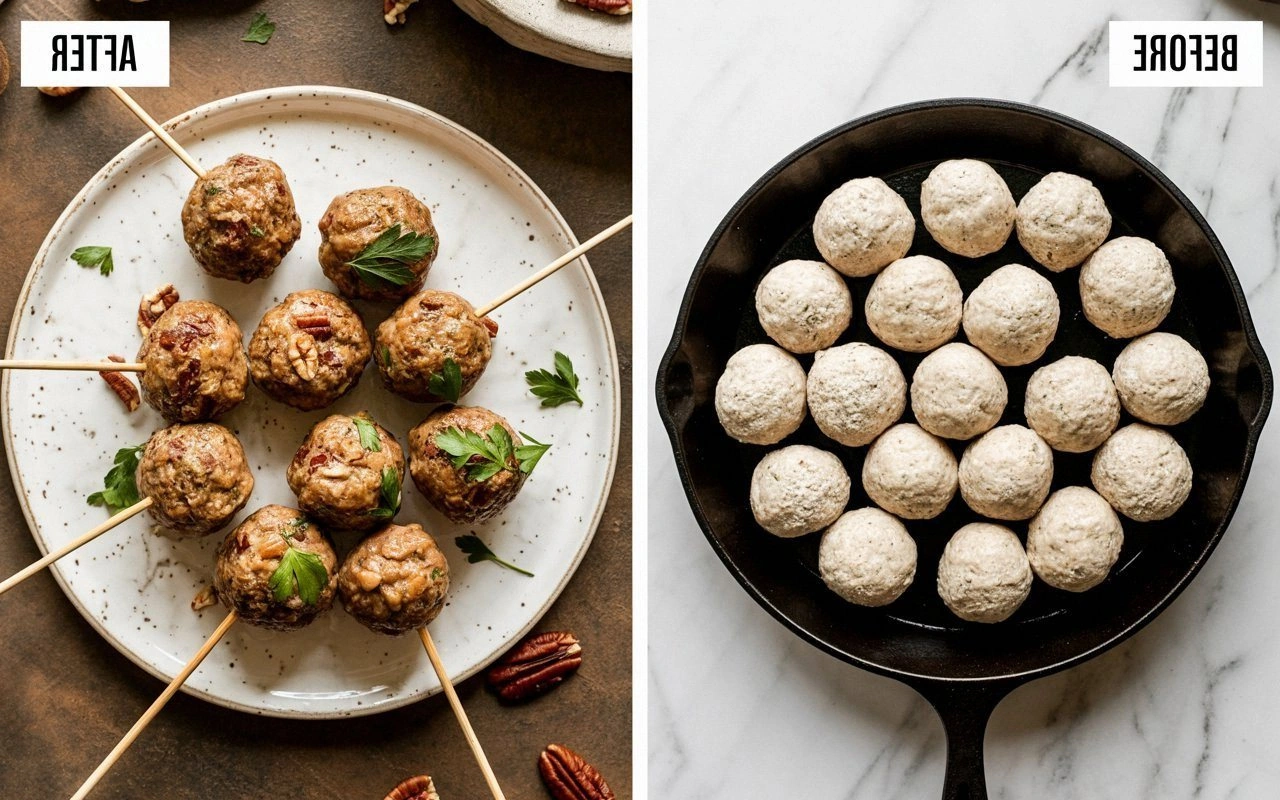
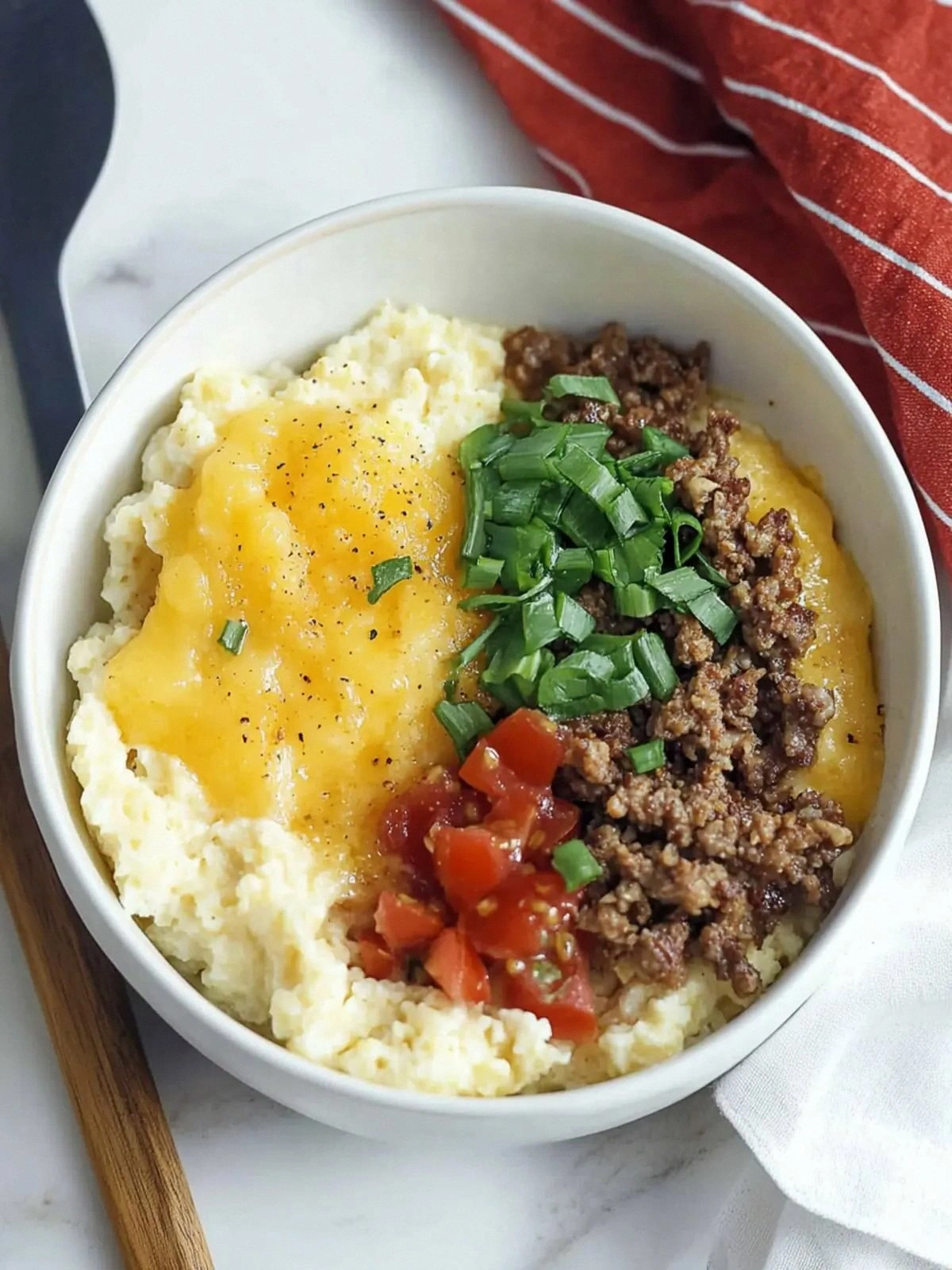
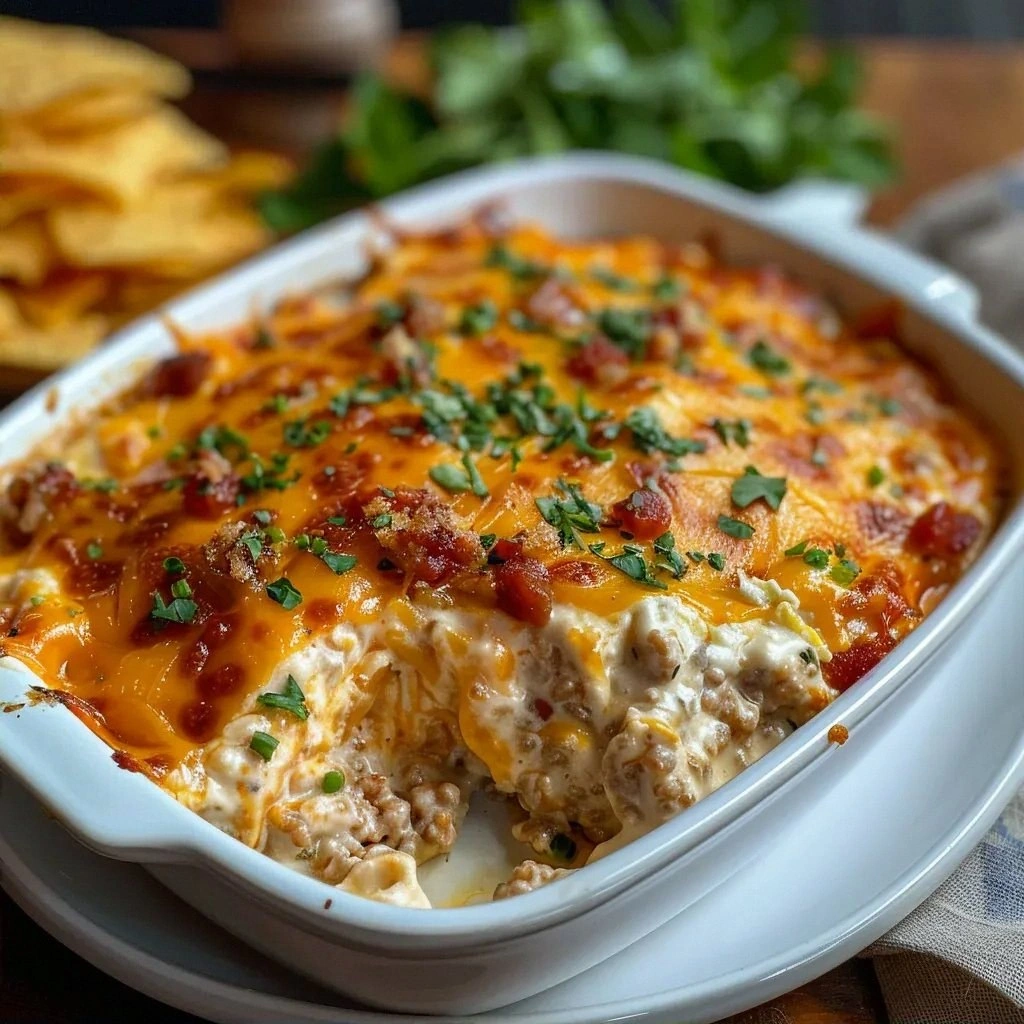
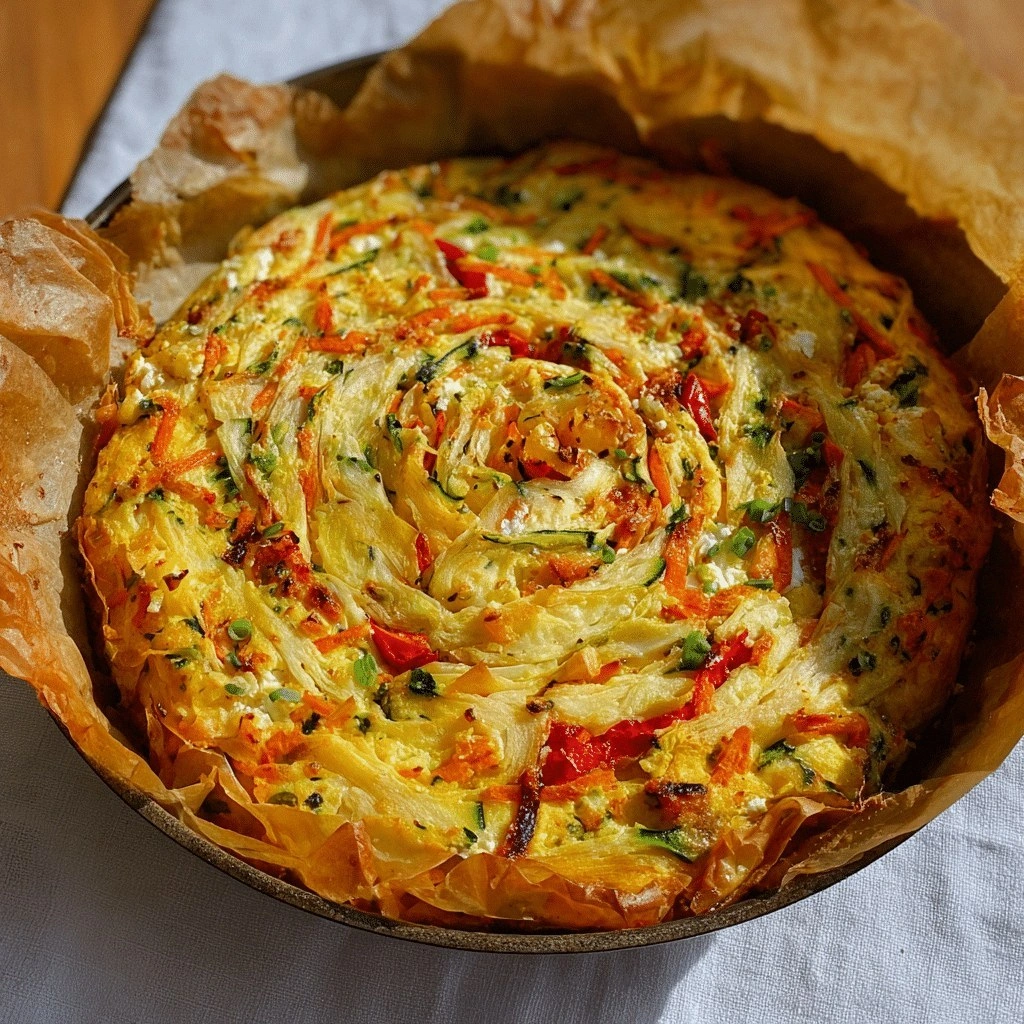
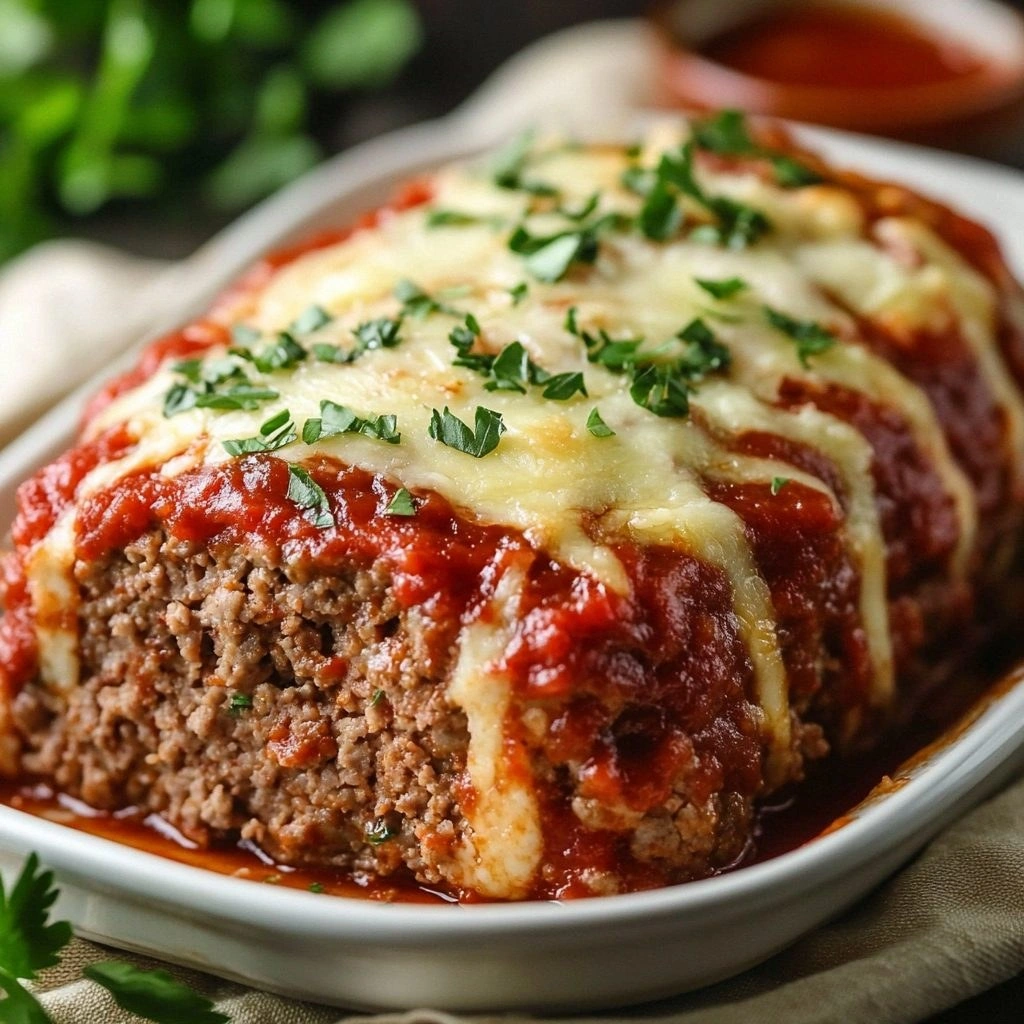
I was standing in a kitchen that smelled like burnt toast and disappointment when my friend dared me to whip up something that would make her taste buds dance. The challenge? A meatloaf that sings Italian, stuffed with flavors that could turn any bland dinner into a passport to Naples. I pulled out a handful of ingredients that felt like a symphony: ground beef, pork, ricotta, mozzarella, sun‑dried tomatoes, and a secret swirl of pasta that keeps the loaf moist. What makes this version stand out? It's not just the layers of cheese and pasta, but the way each bite unravels a velvety tomato sauce that coats the meat like velvet, while the edges crisp up like thin ice. And here's the twist that will blow your mind: we bake it with a hidden pocket of pesto‑infused mozzarella that bursts when you cut into it, sending a burst of green, garlicky aroma that will make your whole house smell like a trattoria.
I dare you to taste this and not go back for seconds—trust me, this is hands down the best version you'll ever make at home. If you've ever struggled with the texture of a meatloaf that comes out dry or too dense, you're not alone—and I've got the fix. Picture yourself pulling this out of the oven, the whole kitchen smelling incredible, the loaf golden and the center bubbling with gooey mozzarella, ready to slice into thick, satisfying portions. Okay, ready for the game‑changer? Let me walk you through every single step—by the end, you'll wonder how you ever made it any other way.
The first time I attempted a stuffed meatloaf, I thought I’d simply throw the stuffing on top of the loaf and bake it. The result was a sad, soggy mess that made me question my culinary destiny. But after a night of experimentation, I discovered that layering the stuffing inside the loaf and sealing it with a thin crust creates a dramatic contrast of textures that is impossible to ignore. The secret lies in a delicate balance of moisture and structure—too much liquid and the loaf falls apart; too little and it turns into a dry, chewy slab. That fine line is what turns a humble dinner into an unforgettable feast.
The key to this recipe is the “pasta pocket,” a small cavity filled with cooked pasta, ricotta, and sun‑dried tomatoes that locks in flavor and moisture. When you slice through it, the pasta expands, releasing a burst of savory steam that mingles with the tomato sauce. The mozzarella and parmesan blend creates a cheese blanket that keeps the meat moist while the outer crust crisps to a golden perfection. This layering technique is what gives the loaf its signature “wow” factor, and it’s a game‑changer for any meatloaf aficionado. Trust me, once you taste that gooey center, you’ll never go back to plain, uninspired meatloaf again.
The next element that sets this version apart is the use of Italian seasoning and fresh basil, which infuse the meat mixture with aromatic depth. The basil’s bright green notes cut through the richness of the cheeses, creating a balanced flavor profile that feels both hearty and fresh. Adding a splash of dry red wine to the mixture not only tenderizes the meat but also adds a subtle depth of flavor that reminds you of a slow‑cooked sauce. The combination of these ingredients results in a loaf that feels like a dish you’d find in a family‑run trattoria, yet it’s all made in your own kitchen.
Finally, the finishing touch is a drizzle of olive oil and a sprinkle of fresh parsley before serving. This simple garnish adds a burst of color and a hint of herbal brightness that elevates the dish from ordinary to extraordinary. The olive oil also helps lock in moisture, ensuring each slice remains tender and juicy. And that final sprinkle of parsley? It’s a visual cue that this dish is ready to be devoured, and it adds a subtle peppery finish that rounds out the flavor experience. All these elements together create a loaf that’s not only delicious but also a testament to the power of thoughtful layering and precise seasoning.
What Makes This Version Stand Out
- Layered Flavor: The pasta pocket inside the loaf releases steam and moisture as it cooks, creating a complex flavor profile that is both savory and comforting.
- Cheese Fusion: A blend of mozzarella, ricotta, and parmesan forms a molten blanket that keeps the meat tender while adding a rich, velvety texture.
- Fresh Herbs: Basil and parsley infuse the loaf with aromatic brightness, cutting through the richness and adding a fresh finish.
- Balanced Moisture: The addition of pasta and a splash of wine prevents the loaf from drying out, ensuring every bite stays juicy.
- Crunchy Crust: A thin, crisp outer layer provides contrast, giving the loaf a satisfying bite that keeps you coming back for more.
- Visual Appeal: The colorful stuffing peeks out from the loaf’s center, making it a feast for the eyes as well as the palate.
- Make‑Ahead Friendly: This loaf can be assembled ahead of time and refrigerated or frozen, making it perfect for busy weeknights.
- Versatile Base: The recipe can be adapted with different meats or cheeses, allowing you to tailor it to your taste preferences.
Alright, let's break down exactly what goes into this masterpiece...
Inside the Ingredient List
The Flavor Base
Ground beef and pork form the foundation of the loaf, providing a robust, meaty flavor that carries the Italian seasonings. The 1:1 ratio of beef to pork adds depth and ensures a juicy texture that’s hard to resist. If you prefer a leaner option, substitute the pork with ground turkey, but keep the ratio the same to maintain moisture.
The Texture Crew
Breadcrumbs and eggs act as binders that hold everything together. Breadcrumbs absorb excess liquid, preventing the loaf from becoming gummy, while eggs add structure and help the loaf rise slightly. A pinch of salt and pepper in this mix will lift the flavors and give the meat a savory edge.
The Unexpected Star
Ricotta and mozzarella are the cheese duo that creates the gooey, melt‑in‑your-mouth center. Ricotta keeps the stuffing moist, while mozzarella provides a stretchy, melty texture that contrasts beautifully with the crisp crust. Adding a handful of grated Parmesan to the mix gives a nutty finish that rounds out the flavor profile.
The Final Flourish
Sun‑dried tomatoes, fresh basil, and a splash of red wine add layers of umami and brightness. Sun‑dried tomatoes bring a concentrated tomato flavor that pairs perfectly with the cheeses. Basil offers a fresh, herbal note, while the wine tenderizes the meat and deepens the overall taste.
Everything's prepped? Good. Let's get into the real action...
The Method — Step by Step
- Preheat the oven to 375°F (190°C). Grease a 9x5-inch loaf pan with olive oil or line it with parchment for easy removal. Place a rack in the middle of the oven to ensure even heat distribution. While the oven warms, gather all your ingredients so you’re not scrambling at the last minute. This step sets the stage for a perfectly baked loaf.
- Prepare the pasta pocket by cooking 1 cup of penne or rigatoni according to package instructions until al dente. Drain and toss with a tablespoon of olive oil to prevent sticking. Mix in 1 cup ricotta, 1/2 cup sun‑dried tomatoes, 1 cup spinach, and 1 tbsp fresh basil. Keep the mixture cool; it will be folded into the meat later. This pocket will hold the heart of the loaf and keep it moist.
- Mix the meat by combining 1 lb ground beef, 1 lb ground pork, 1 cup breadcrumbs, 2 eggs, 1 tsp Italian seasoning, 2 cloves minced garlic, 1 small diced onion, 1 tsp salt, and 1/2 tsp black pepper in a large bowl. Stir until just combined; overmixing can make the loaf tough. The seasoning blend will infuse every bite with classic Italian aromas.
- Fold in the stuffing by gently pressing the pasta mixture into the center of the meatball, then shaping the meat into a loaf shape. Use your hands to press the filling firmly so it stays inside during baking. This step is where the magic happens—your loaf will have a hidden reservoir of flavor that will explode when sliced.
- Form the loaf by placing the meat mixture in the prepared pan and smoothing the top with a spatula. Sprinkle 1 cup shredded mozzarella and 1/2 cup grated Parmesan over the top, pressing them into the meat slightly. The cheeses will melt into the loaf, creating a luscious, gooey center. This is the moment of truth.
- Seal the edges by gently pressing the sides of the loaf with a spoon to create a tight seal that keeps the stuffing from leaking. Drizzle 1/4 cup red wine over the loaf; it will seep into the meat and add depth of flavor. Brush the top with 2 tbsp olive oil to promote a golden crust. This sealing step ensures a cohesive, flavorful loaf.
- Cover and bake the loaf for 25 minutes, then remove the foil and bake for an additional 15 minutes until the top is golden and the internal temperature reaches 160°F (71°C). The foil prevents the top from burning while the interior cooks evenly. Keep an eye on the loaf—if the top browns too quickly, tent it with a second piece of foil.
- Rest the loaf for 10 minutes before slicing. This allows the juices to redistribute, ensuring each slice is moist and flavorful. While it rests, you can prepare a quick tomato sauce to drizzle on top for extra moisture. The rest period is crucial for a tender, juicy loaf.
- Serve and enjoy by slicing the loaf with a sharp knife, revealing the steaming pasta pocket. Drizzle with a little extra olive oil and sprinkle fresh parsley for a pop of color. Pair it with a crisp salad or a side of roasted vegetables. The aroma alone will have your guests asking for seconds.
- Store leftovers properly by wrapping the loaf tightly in plastic wrap and placing it in an airtight container. Refrigerate for up to 3 days or freeze for up to 3 months. Reheat in the oven at 350°F (175°C) for 15 minutes, then finish with a quick broil to re‑crisp the top. This ensures the loaf stays fresh and delicious.
That's it — you did it. But hold on, I've got a few more tricks that'll take this to another level...
Insider Tricks for Flawless Results
The Temperature Rule Nobody Follows
Many cooks bake meatloaf at a high heat and then lower it, but this technique actually causes the outside to burn before the inside cooks. I discovered that maintaining a steady 375°F (190°C) throughout the bake ensures even cooking and a juicy center. If you’re using a convection oven, reduce the temperature by 25°F (14°C) to avoid over‑browning.
Why Your Nose Knows Best
Before you even take the loaf out of the oven, pause and inhale deeply. The aroma of melted mozzarella, fresh basil, and roasted garlic is a tell‑tale sign that the loaf is perfectly cooked. If the smell is too sharp, it means the loaf is still raw inside; if it’s too mild, it’s overcooked. Trust your nose, it’s the best judge of doneness.
The 5-Minute Rest That Changes Everything
Many people skip the resting period, but this short pause is crucial. Resting allows the juices to redistribute, preventing a dry loaf. It also makes slicing cleaner and more precise, as the loaf holds its shape better after the rest.
Use a Meat Thermometer for Precision
While the loaf should reach 160°F (71°C) inside, a thermometer guarantees you won’t overcook it. Insert the probe into the center of the loaf; if it reads 155°F, let it bake a few more minutes. A thermometer saves you from the dreaded “overcooked meatloaf” experience.
Add a Splash of Water Before Reheating
When reheating leftovers, sprinkle a tiny splash of water over the loaf before covering it with foil. This creates steam that keeps the loaf from drying out. The moisture will also help the cheese melt evenly, restoring the gooey center.
Let the Stuffing Cool Before Baking
Some chefs bake the stuffed loaf immediately, but cooling the filling first helps the cheeses set before the loaf starts to bake. This prevents the cheese from sliding out of the center and creates a more stable, cohesive loaf. Cool the filling for about 15 minutes before folding it into the meat.
Creative Twists and Variations
This recipe is a playground. Here are some of my favorite ways to switch things up:
Mediterranean Spin
Swap the spinach for chopped artichoke hearts and add a handful of Kalamata olives to the stuffing. Use feta instead of mozzarella for a tangy twist. This variation leans into Mediterranean flavors, making it a hit at summer barbecues.
Spicy Italian
Add a teaspoon of crushed red pepper flakes to the meat mixture and stir in a handful of diced pepperoncini. The heat balances the richness of the cheeses and gives the loaf a lively kick. Perfect for those who love a little spice in their comfort food.
Cheese Lover’s Dream
Use a blend of provolone, gouda, and cheddar in addition to mozzarella. Layer the cheeses on top before baking for an extra gooey, melty experience. This version is ideal for a family gathering where cheese is the star.
Gluten‑Free Version
Replace breadcrumbs with almond flour and use a gluten‑free pasta for the stuffing. The loaf will still hold together nicely, and the almond flavor adds a subtle nuttiness. This is a great option for guests with dietary restrictions.
Roasted Veggie Upgrade
Add roasted zucchini, bell peppers, and mushrooms to the stuffing for extra texture and flavor. These vegetables absorb the tomato sauce and release their own sweet juices, creating a more complex taste profile. This version is perfect for a hearty, veggie‑filled dinner.
Storing and Bringing It Back to Life
Fridge Storage
Wrap the loaf tightly in plastic wrap and place it in an airtight container. Refrigerate for up to 3 days. When ready to eat, reheat in the oven at 350°F (175°C) for 15 minutes. This method preserves moisture and keeps the loaf fresh.
Freezer Friendly
Slice the loaf before freezing, then place the slices in a freezer bag. Freeze for up to 3 months. To reheat, thaw overnight in the fridge and bake at 350°F (175°C) for 10 minutes, then broil for 2 minutes to crisp the top. Freezing keeps the flavor intact while allowing you to enjoy a quick meal.
Best Reheating Method
The oven is the king of reheating for this loaf. Preheat to 350°F (175°C) and cover the loaf with foil to retain moisture. After 10–12 minutes, remove the foil and broil for 1–2 minutes to revive the golden crust. A quick splash of water before reheating creates steam that keeps the loaf juicy.