Picture this: it’s a rainy Saturday, the kind that makes your kitchen feel like a cozy refuge, and you’re staring at a bag of chicken thighs that has been chilling in the fridge for a while. You’ve tried every chicken recipe on the internet, from classic teriyaki to smoky BBQ, but something feels missing—a zing that wakes up your taste buds, a glaze that sticks like a second skin. That night, I dared myself to experiment with honey, lime, and a handful of pantry staples, and the result was a dish that sang louder than any song I’d heard in a kitchen. It wasn’t just another chicken dinner; it was a revelation that made me question everything I thought I knew about flavor pairing.
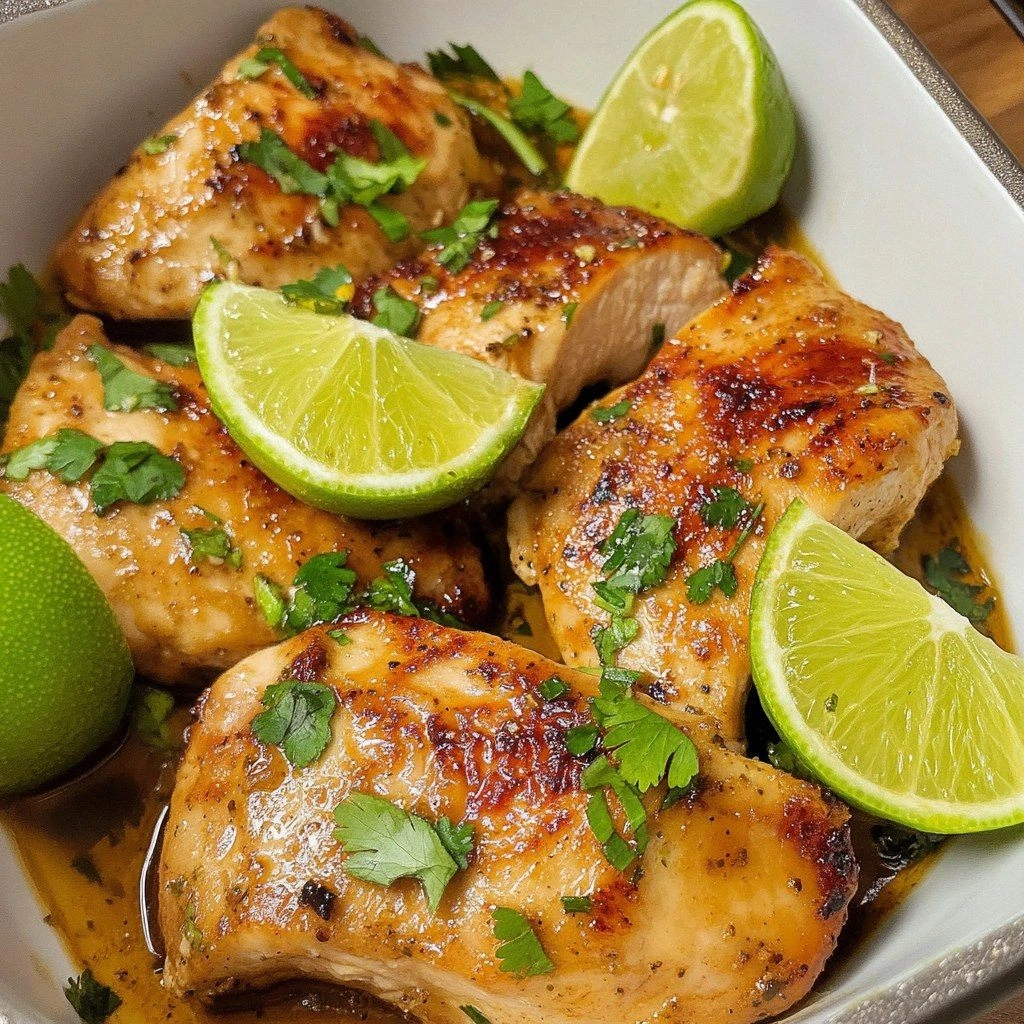
I started by heating a skillet until the surface shimmered like a calm sea. The first thing that hit the pan was the aroma of fresh lime zest, a citrus burst that immediately lifted the room. When the chicken hit the hot oil, it released a satisfying sizzle that echoed through the kitchen, promising a golden crust that would crackle like thin ice when bitten. I added a splash of honey, and the sugars caramelized, turning the surface into a glossy, amber coat that clung to every feathered piece. The combination of sweet and tart created a dance of flavors that was both familiar and utterly new, like a well-known melody twisted into a fresh rhythm.
What set this version apart, from the moment I first tasted it, was the balance. The honey didn’t overpower; it mellowed the acidity of the lime, creating a harmony that was both bold and subtle. The soy sauce added depth without drowning the brightness, while the ginger and garlic provided a warm, aromatic backdrop that felt like a comforting hug. I dared you to taste this and not go back for seconds, and trust me, the second bite felt like a second revelation. This isn’t a dish you can make and forget; it’s one you’ll find yourself reaching for the recipe again and again, eager to recreate that moment of culinary bliss.
If you’ve ever struggled with chicken that ends up dry or bland, you’re not alone—and I’ve got the fix. I’ll be honest—I ate half the batch before anyone else got to try it—so you’re in good company if you’re tempted to devour the whole dish at once. But before you dive in, let me walk you through every single step, from prep to plate, and by the end, you’ll wonder how you ever made it any other way. This recipe is not just a set of instructions; it’s a story of flavors, textures, and kitchen triumphs that I can’t wait to share with you.
What Makes This Version Stand Out
Below are the key elements that elevate this honey lime chicken beyond the ordinary:
- Flavor Fusion: The marriage of sweet honey and sharp lime creates a sauce that coats the chicken like velvet, delivering a burst of flavor with every bite.
- Texture Contrast: The skillet’s sear gives the chicken a crisp exterior that shatters like thin ice when you bite, while the interior stays juicy and tender.
- Ingredient Simplicity: With only a handful of pantry staples, you can craft a restaurant‑quality dish without a trip to the grocery store.
- Time Efficiency: In less than 45 minutes, you can transform ordinary chicken thighs into a show‑stopping centerpiece.
- Crowd‑Pleaser: Whether it’s a family dinner or a dinner party, the bright, sweet‑tangy profile guarantees applause from every guest.
- Versatile Base: The sauce can double as a glaze for pork, a topping for grilled veggies, or a dressing for a fresh salad.
- Make‑Ahead Potential: The dish can be prepared ahead of time and reheated without losing its succulent texture.
- Visual Appeal: The glossy glaze and bright lime zest garnish make the plate look as good as it tastes.
Alright, let's break down exactly what goes into this masterpiece…
Inside the Ingredient List
Let’s dive into the building blocks that make this dish sing. I’ll break them into four groups, each with its own role and why it matters. If you’re wondering what happens if you skip or swap an ingredient, I’ll let you in on those details too.
The Flavor Base
At the heart of this dish lies the sauce—a combination of honey, lime juice, and soy sauce that creates a sweet‑tangy glaze. Honey brings a natural sweetness that caramelizes beautifully when heated, forming a glossy coat that clings to the chicken. Lime juice provides the necessary acidity to cut through the richness of the honey and soy, brightening every bite. Soy sauce adds depth, umami, and a subtle saltiness that balances the sweet and tart notes. If you skip the soy, the sauce will taste flat; the umami layer is what gives it that restaurant‑level complexity.
The Texture Crew
Texture is everything in this dish, and the right combination of ingredients ensures a crispy exterior and a juicy interior. Olive oil or a neutral oil like grapeseed is used for searing; it creates a golden crust without imparting extra flavors. Garlic and ginger are minced and sautéed at the start, releasing their aromatic oils that permeate the chicken. The cornstarch slurry, made from cornstarch and water, is added at the end to thicken the glaze, giving it that velvety consistency that coats the meat. If you omit the cornstarch, the sauce will be runnier and won’t cling as well.
The Unexpected Star
A pinch of sesame seeds and a sprinkle of chopped cilantro add a finishing touch that elevates the dish from good to unforgettable. Sesame seeds offer a subtle nutty crunch that contrasts with the glaze’s smoothness. Cilantro, with its bright, citrusy undertones, mirrors the lime’s freshness and adds a pop of green that makes the dish visually appealing. If you’re not a fan of cilantro, parsley works as a suitable substitute, though it will shift the flavor profile slightly. These garnishes are optional but highly recommended for that final flourish.
The Final Flourish
The final touch is the garnish of lime wedges and a drizzle of extra honey, which adds a burst of visual and flavor contrast. The wedges provide a fresh, zesty bite that cuts through the richness, while the honey drizzle adds a caramelized sheen that makes the dish look polished. If you prefer a less sweet finish, reduce the honey drizzle to a thin line or omit it entirely. This step is where the dish truly shines, turning a simple plate into a culinary masterpiece.
Everything’s prepped? Good. Let’s get into the real action…
The Method — Step by Step
Follow these steps closely, and you’ll end up with a dish that’s crispy, juicy, and bursting with flavor. I’ll guide you through each phase, from searing to glazing, with precise temperatures, timings, and sensory checkpoints.
- Begin by patting the chicken thighs dry with paper towels; moisture is the enemy of a good sear. Season both sides generously with salt and pepper. Heat a large skillet over medium‑high heat and add 2 tablespoons of olive oil. Once the oil shimmers, place the chicken skin‑side down and let it cook undisturbed for 4–5 minutes until the skin turns golden brown and releases from the pan.
- Flip the chicken and add 3 cloves of minced garlic and 1 teaspoon of grated fresh ginger to the pan. Sauté for 30 seconds, letting the aromatics bloom, but be careful not to burn the garlic. The oil should start to darken slightly, indicating that the flavors are developing.
- Pour in 1/4 cup of honey and 1/4 cup of fresh lime juice. Stir quickly to combine, then reduce the heat to medium. The mixture should simmer gently, creating a sweet‑tangy sauce that begins to thicken. Keep an eye on it; you don’t want it to reduce into a syrup.
- Add 2 tablespoons of soy sauce to the pan, stirring to incorporate. The soy will give the sauce depth and a subtle salty note that balances the honey. Let the sauce bubble for 2 minutes, then add 1 teaspoon of cornstarch mixed with 2 tablespoons of cold water. Stir continuously to avoid lumps, and watch the glaze thicken into a glossy coating.
- Return the chicken to the pan, spooning the sauce over each piece. Cook for another 5 minutes, turning once more, until the chicken reaches an internal temperature of 165°F (75°C). The glaze should be thick enough to coat the back of a spoon.
- While the chicken finishes cooking, zest a lime and set aside the zest for garnish. This step adds a burst of citrus aroma that elevates the dish’s freshness.
- When the chicken is done, transfer it to a plate and let it rest for 3 minutes. Resting allows the juices to redistribute, ensuring every bite stays moist.
- Before serving, sprinkle 1 teaspoon of sesame seeds and a handful of chopped cilantro over the chicken. Drizzle a thin line of honey over the top for a glossy finish. Plate with lime wedges on the side for an extra zesty bite.
That’s it — you did it. But hold on, I’ve got a few more tricks that will take this to another level.
Insider Tricks for Flawless Results
Even if you follow the steps precisely, these extra tips will ensure your honey lime chicken turns out perfectly every single time.
The Temperature Rule Nobody Follows
Many cooks think medium‑high heat is enough for searing, but the secret is to start at medium‑high and then drop to medium once the chicken is in the pan. This prevents the outside from burning while the inside remains undercooked. I’ve seen the difference: a slightly cooler initial heat gives a golden crust that’s crisp but not charred, and the inside stays juicy.
Why Your Nose Knows Best
As the sauce simmers, you’ll notice a sweet, caramelized aroma that signals the glaze is ready. If the scent feels too sugary or starts to smell burnt, it’s time to reduce the heat. Trusting your nose is a quick way to avoid over‑reduction, which can make the sauce too thick and syrupy.
The 5-Minute Rest That Changes Everything
Resting the chicken after cooking is not optional; it’s essential. During the 3–5 minute rest, the juices redistribute, preventing them from spilling out when you cut into the meat. The result is a moist, tender bite that feels like a hug from the inside.
Using Fresh Lime Over Juice
Fresh lime juice is the star of this recipe, but if you’re out of limes, a splash of bottled lime or even lemon juice can work in a pinch. Just be aware that bottled lime tends to be more acidic, so you might need to add a touch of honey to balance the flavor. Fresh limes also bring a bright aroma that bottled versions lack.
Glaze Consistency Matters
The glaze should be thick enough to coat the back of a spoon but still pourable. If it’s too thin, it will drip off the chicken, and if it’s too thick, it won’t spread evenly. Adjust the cornstarch slurry accordingly, adding a bit more if the sauce is too runny.
Garnish Timing
Add the sesame seeds and cilantro just before serving; otherwise, they’ll lose their crunch and freshness. The sesame seeds should remain slightly crisp, and the cilantro should retain its bright green color, making the dish visually appealing.
Creative Twists and Variations
This recipe is a playground. Here are some of my favorite ways to switch things up:
Smoky Chipotle Honey Lime Chicken
Add a teaspoon of chipotle powder to the sauce for a smoky depth. The heat pairs wonderfully with the sweetness of honey and the brightness of lime. This version is perfect for a weekend BBQ when you want a bit of heat.
Thai Coconut Honey Lime Chicken
Replace half of the honey with coconut milk and add a splash of fish sauce. The result is a creamy, fragrant dish that feels like a Thai street‑food delight. Serve over jasmine rice to soak up the sauce.
Asian Lettuce Wraps
Shred the cooked chicken and serve it in butter lettuce cups with shredded carrots, sliced cucumber, and a drizzle of the glaze. The crunch from the lettuce and veggies adds a refreshing contrast to the sweet‑tangy chicken.
Honey Lime Chicken Skewers
Thread the chicken pieces onto skewers and grill them for a smoky char. Brush with the glaze during the last few minutes of grilling. Serve with a side of quinoa for a balanced meal.
Vegetarian Version: Tofu Honey Lime
Replace chicken with firm tofu cubes. Marinate the tofu in the glaze for 15 minutes before pan‑frying. The tofu absorbs the sauce, resulting in a plant‑based version that still delivers the same sweet‑tangy punch.
Low‑Calorie Kick
Use skinless chicken thighs and a sugar‑free honey alternative. Reduce the honey to half a cup and add a splash of apple cider vinegar to maintain acidity. This keeps the dish light without compromising flavor.
Storing and Bringing It Back to Life
Fridge Storage
Cool the chicken completely before placing it in an airtight container. Store in the refrigerator for up to 3 days. The glaze may thicken slightly, but a quick stir will restore its silky texture.
Freezer Friendly
For longer storage, freeze the chicken in a freezer‑safe bag. Label with the date and use within 2 months. Thaw overnight in the refrigerator before reheating.
Best Reheating Method
Reheat the chicken in a skillet over medium heat, adding a splash of water to loosen the glaze. A tiny splash of water steams the chicken, restoring its juicy interior while keeping the glaze glossy. Avoid microwaving, as it can make the chicken rubbery.
Serving Ideas and Pairings
Once you’ve plated your honey lime chicken, think about how to round out the meal. The bright, sweet glaze pairs beautifully with steamed jasmine rice, which absorbs the sauce and adds a neutral base. For a crunchy contrast, serve with a side of sautéed green beans tossed in a splash of lime zest and a pinch of chili flakes. If you’re in the mood for something light, a cucumber and avocado salad dressed with lime vinaigrette balances the richness of the chicken.
For a more indulgent option, top the chicken with a dollop of Greek yogurt mixed with lime zest to create a creamy, tangy sauce. The yogurt’s coolness cuts through the sweetness and adds a silky mouthfeel. Alternatively, drizzle a thin line of extra honey over the top just before serving; the caramelized glaze will give the dish a glossy, restaurant‑style finish.
If you’re hosting a dinner party, set the honey lime chicken as the centerpiece and let your guests build their own bowls with rice, veggies, and a side of lime‑infused dipping sauce. The interactive element keeps guests engaged and allows them to tailor each bite to their taste. For a quick weekday dinner, pair the chicken with a simple side of roasted sweet potatoes; their natural sweetness complements the honey and lime.
Don’t forget to serve a chilled glass of white wine or a sparkling rosé; the acidity in the wine mirrors the lime’s brightness, creating a harmonious pairing. If you prefer beer, a crisp pilsner or a light IPA works well, cutting through the richness of the glaze.
Final Thoughts
Honey lime chicken is more than a recipe; it’s an experience that transforms ordinary ingredients into something extraordinary. The balance of sweet, tangy, and umami flavors, coupled with the satisfying crunch of the glaze, makes it a dish that will keep you coming back for seconds. Whether you’re a seasoned cook or a kitchen novice, this recipe is accessible, forgiving, and incredibly rewarding. So fire up your skillet, gather your ingredients, and let the magic unfold. Happy cooking!