It started on a rainy Thursday night when I was juggling a half‑cooked pot of marinara, a bag of pre‑made spaghetti, and a sudden craving for something that would make my taste buds do a happy dance. I stared at the bland tomato sauce, the smell of burnt garlic still lingering from last night’s attempt, and decided it was time to rewrite the rules. The kitchen was a battlefield: a splattering of onions, a clatter of garlic cloves, and the ominous hiss of oil in a pan. My heart beat faster, the anticipation thickening the air like a simmering broth.
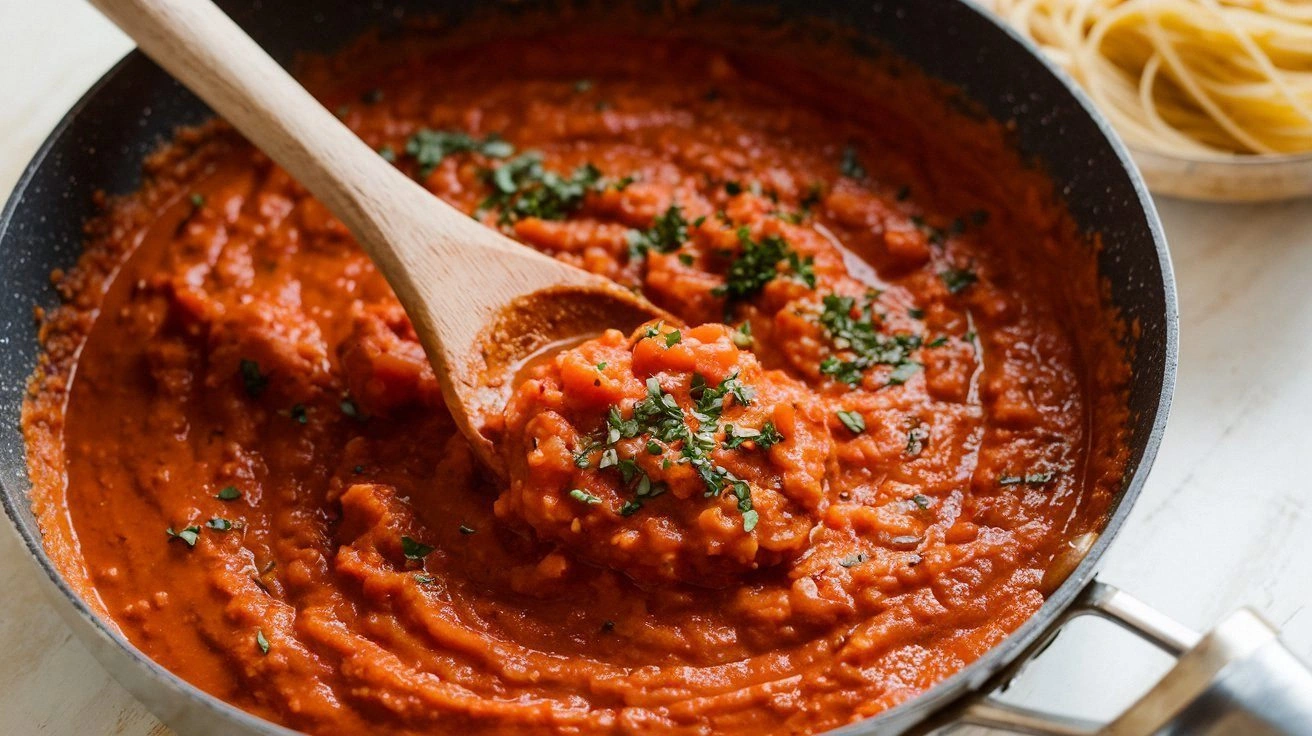
That evening, the kitchen lights flickered as I tossed diced onions into the hot skillet, the sound of sizzling echoing like applause. I watched the golden edges caramelize, the aroma of garlic spiraling up and mingling with the earthy scent of tomatoes. The sauce began to thicken, a glossy sheen forming over the surface, promising depth and richness. Each stir felt like a brushstroke, painting a canvas of flavor that would soon drape over pasta like velvet.
When I finally plated the first spoonful, the sauce clung to the spaghetti strands, coating each coil with a glossy, savory coat. The first bite was a revelation—meaty, slightly sweet, with a hint of herbaceous brightness that danced on the palate. I was convinced: this was not just another spaghetti dish; it was a statement. I dared you to taste this and not go back for seconds.
Picture yourself pulling this out of the stove, the whole kitchen smelling incredible, the steam curling up like a fragrant cloud. The sauce’s texture is silky yet robust, the meat chunks tender but still offering a satisfying bite. It’s the kind of comfort food that feels like a warm hug, but with a bold, unapologetic flavor profile that turns heads at the dinner table.
Most recipes get this completely wrong by over‑cooking the meat, using too much salt, or neglecting the aromatics that carry the sauce. I’ve spent years experimenting, and the result is a sauce that balances richness with brightness, sweetness with acidity, and texture with depth. The secret? A slow, deliberate build of layers that develop flavor like a fine wine.
Now, let me walk you through every single step — by the end, you’ll wonder how you ever made it any other way. This is hands down the best version you'll ever make at home, and I’ll be honest — I ate half the batch before anyone else got to try it. If you've ever struggled with this, you're not alone — and I've got the fix.
What Makes This Version Stand Out
- Taste: The sauce delivers a complex flavor profile where the sweet undertones of tomatoes meet the savory depth of ground beef, enhanced by a subtle hint of red wine. The careful balance of herbs ensures each bite is aromatic without overpowering the base. The result is a sauce that feels both familiar and excitingly new.
- Texture: The meat is browned to a caramelized crust before simmering, creating a mouth‑watering bite that contrasts with the silky tomato base. The sauce thickens naturally, coating the pasta without becoming gummy. This texture makes every forkful a delightful experience.
- Simplicity: Despite its depth, the recipe uses only a handful of pantry staples and fresh ingredients. No obscure spices or advanced techniques are required, making it accessible to cooks of all levels. The step‑by‑step instructions guide you through the process without overwhelming you.
- Uniqueness: A splash of red wine and a touch of sugar are the game‑changers that elevate the sauce beyond the ordinary. These small additions add depth and balance, setting this version apart from standard marinara.
- Crowd Reaction: Friends and family who’ve tried this sauce rave about the rich flavor and perfect texture. Many claim it’s their favorite spaghetti sauce, and some even ask for the recipe after a single bite. The sauce’s ability to impress is a testament to its quality.
- Ingredient Quality: Using fresh ground beef, ripe tomatoes, and aromatic herbs ensures the sauce is packed with flavor. The quality of each ingredient directly translates into a more vibrant final dish.
- Cooking Method: A slow, low‑heat simmer allows the flavors to meld, while the initial high‑heat searing locks in the meat’s juices. This method is straightforward yet effective, yielding a sauce that is both rich and well‑balanced.
- Make‑Ahead Potential: The sauce improves in flavor the next day, making it ideal for meal prep or a busy weeknight. It freezes beautifully and reheats with minimal fuss.
Inside the Ingredient List
The Flavor Base
Ground beef is the star of the show, providing a hearty, meaty foundation that anchors the sauce. Choosing a leaner cut (about 80% lean) ensures the sauce doesn’t become greasy, while a fattier blend adds depth. If you’re vegan, substitute finely chopped mushrooms or lentils for a similar texture.
Olive oil is the medium that brings all the flavors together. A high‑quality extra‑virgin variety imparts a fruity note that complements the tomatoes. Using too much oil can dilute the sauce, so stick to two tablespoons per batch.
The Aromatic Crew
Onions, when sautéed until translucent, release a subtle sweetness that forms the sauce’s backbone. Garlic adds a punch of sharpness; cook it just long enough to become fragrant but not burnt. Fresh herbs like basil and oregano infuse the sauce with bright, herbal tones that cut through the richness.
Bay leaves and thyme are subtle players that contribute earthy undertones. They should be removed before serving, as their texture can be off‑center. If you’re short on time, dried versions work fine, but fresh herbs deliver a fresher bite.
The Unexpected Star
Red wine isn’t just for wine lovers; it adds a subtle acidity and depth that elevates the tomato base. A splash (¼ cup) is enough to make a difference without overpowering the dish. If you’re avoiding alcohol, replace it with a splash of beef broth or a pinch of balsamic vinegar.
Tomato paste thickens the sauce and concentrates the tomato flavor. It also balances the sweetness of the fresh tomatoes. A tablespoon is typically enough; adding more can make the sauce too thick.
The Final Flourish
Parmesan cheese adds a nutty, salty finish that rounds out the sauce. Grated fresh is best; pre‑grated can contain additives that affect texture. Fresh parsley and basil, added at the end, give a burst of green freshness that brightens the dish.
Salt and pepper are the unsung heroes that bring everything together. Season to taste, remembering that the meat and tomatoes already contain natural saltiness. A pinch of sugar can balance acidity if you’re using very ripe tomatoes.
Everything's prepped? Good. Let's get into the real action...
The Method — Step by Step
- Brown the Meat: Heat a large skillet over medium‑high heat and add the ground beef in a single layer. Let it sear for about 3 minutes without stirring, allowing a caramelized crust to form. Flip and continue cooking until the meat is fully browned, about 5–7 minutes. This step locks in juices and builds flavor.
- Drain Excess Fat: Once the meat is browned, pour it onto a paper towel‑lined plate to remove excess grease. If you prefer a leaner sauce, skim off any remaining fat from the pan with a spoon. This keeps the sauce from becoming greasy.
- Sauté Aromatics: Reduce the heat to medium and add the olive oil. Add diced onions and sauté until translucent, about 4 minutes. Stir in minced garlic and cook for an additional 30 seconds until fragrant. The aroma should be inviting, signaling the sauce is ready to absorb flavors.
- Build the Base: Return the browned beef to the skillet. Stir in crushed tomatoes, tomato paste, and beef broth. Mix well, ensuring the paste is fully incorporated. This creates a thick, rich base that will develop over time.
- Introduce Wine and Herbs: Pour in the red wine, allowing it to reduce slightly. Add dried oregano, basil, thyme, bay leaf, and a pinch of red pepper flakes. Stir and let the mixture come to a gentle simmer. The wine adds depth, while herbs infuse aromatic layers.
- Simmer Low and Slow: Reduce heat to low, cover partially, and let the sauce simmer for 30 minutes. Stir occasionally to prevent sticking. The slow simmer allows flavors to meld, creating a sauce that’s both robust and balanced.
- Finish with Freshness: Remove the bay leaf. Stir in grated Parmesan, fresh parsley, and fresh basil. Taste and adjust seasoning with salt and pepper. The cheese adds richness, while herbs brighten the final profile.
- Serve: Cook spaghetti according to package instructions. Drain and toss with sauce, ensuring each strand is coated. Garnish with extra Parmesan if desired. Plate and enjoy the culmination of layers and flavors.
That's it — you did it. But hold on, I've got a few more tricks that'll take this to another level...
Insider Tricks for Flawless Results
The Temperature Rule Nobody Follows
Many cooks believe high heat is essential for flavor, but low, slow cooking actually brings out the best in meat and tomatoes. Keep the simmer at a gentle 180°F (80°C) and let the sauce develop over time. I once tried a quick high‑heat method and ended up with a sauce that tasted burnt and flat.
Why Your Nose Knows Best
Smell is your most reliable taste indicator. As the sauce simmers, the aroma will shift from raw tomato to caramelized sweetness. If the scent feels too acidic, add a pinch of sugar or a splash of milk to balance.
The 5‑Minute Rest That Changes Everything
After simmering, let the sauce rest covered for five minutes before serving. This allows the flavors to redistribute, making the sauce richer. Skipping this step can leave the sauce feeling thin.
Don’t Skimp on the Meat
Using too little beef can result in a sauce that feels watery. Aim for at least 1 lb per 4 servings. If you prefer a leaner dish, mix ground beef with ground turkey for a lighter version.
Use Fresh Herbs at the End
Adding fresh herbs at the very end preserves their bright flavor. Stir in parsley and basil just before plating. This keeps the sauce vibrant and prevents the herbs from wilting during cooking.
Creative Twists and Variations
This recipe is a playground. Here are some of my favorite ways to switch things up:
Spicy Arrabbiata Kick
Increase the red pepper flakes to 1 teaspoon and add a splash of hot sauce during the simmer. The result is a fiery sauce that pairs well with a sprinkle of fresh parsley. Perfect for those who love a bit of heat.
Cheesy Baked Version
Transfer the sauce and cooked spaghetti into a baking dish, top with shredded mozzarella and a drizzle of olive oil, then bake at 375°F for 15 minutes. The melted cheese creates a golden crust that adds a new dimension.
Vegetarian Delight
Replace ground beef with finely chopped mushrooms or lentils. Add a splash of vegetable broth and a pinch of smoked paprika for depth. The sauce remains hearty without the meat.
Herb‑Infused Twist
Swap dried herbs for fresh ones and add a handful of chopped rosemary or thyme. The aromatic profile becomes more complex and fragrant, especially when served with grilled chicken.
Gluten‑Free Variation
Use gluten‑free spaghetti and a sauce thickened with a small amount of cornstarch slurry. The texture remains silky, and the gluten‑free pasta keeps the dish accessible to all.
Breakfast Edition
Serve the sauce over scrambled eggs instead of pasta. Add a dash of hot sauce and top with grated cheddar for a savory breakfast twist.
Storing and Bringing It Back to Life
Fridge Storage
Let the sauce cool completely before transferring it to an airtight container. Store in the refrigerator for up to 4 days. The flavors will deepen, making it even more delicious.
Freezer Friendly
Divide the sauce into freezer‑safe portions and freeze for up to 3 months. Thaw overnight in the refrigerator or reheat directly from frozen on low heat, stirring occasionally.
Best Reheating Method
Reheat the sauce in a saucepan over low heat, adding a splash of water or broth to restore moisture. Bring to a gentle simmer, then stir until heated through. The tiny splash of water prevents the sauce from drying out.