It started with a kitchen catastrophe that felt more like a comedy than a culinary disaster. I was halfway through a turkey casserole, the pot simmering, when the lid slipped, splattering sauce across the counter. The smell of browned onions and garlic filled the air, but the mess was undeniable. I stared at the chaos, then laughed because I had always joked that my cooking would either be a masterpiece or a mess. That moment was the spark that ignited this recipe, turning a potential fiasco into a flavorful triumph. I’m going to show you how to avoid the mess while still getting the most out of every bite.
Picture a bowl of ground turkey that’s been seasoned to perfection, its surface glistening with a hint of olive oil. The onions are caramelized, their edges crisping like a golden crust that gives a satisfying snap with every bite. The bell pepper adds a burst of color and a subtle sweetness that balances the savory depth. The tomatoes, both fresh and canned, mingle to create a sauce that coats the meat like velvet, leaving no dry spots. The olives and raisins bring briny and sweet notes that dance together, making each mouthful a revelation. This is the kind of sensory orchestra that makes the dish unforgettable.
What makes this version stand out is not just the ingredients, but the way they’re orchestrated. I’ve refined the seasoning blend to highlight the turkey’s natural flavor while adding layers of complexity. The addition of raisins and olives might sound unconventional, but they’re the secret to that sweet‑savory punch that keeps people coming back. The method ensures the turkey stays moist and the sauce thickens to a luscious consistency, avoiding the dryness that plagues many picadillo recipes. I’ve also tweaked the cooking time to lock in moisture without overcooking the vegetables. The result is a dish that feels both comforting and adventurous.
Let me walk you through every single step — by the end, you’ll wonder how you ever made it any other way. I dare you to taste this and not go back for seconds, because it’s that addictive. This isn’t just a recipe; it’s a culinary adventure that turns an ordinary dinner into a memorable experience. Stay with me here — this is worth it. The next few paragraphs will reveal the secrets that elevate this dish from good to legendary.
What Makes This Version Stand Out
Flavor: The blend of cumin, oregano, and a touch of smoked paprika creates a depth that lingers on the palate, turning every bite into a flavor explosion. The subtle sweetness from raisins balances the savory notes, giving the dish a complex profile that satisfies both sweet and savory cravings. The citrusy finish from lime juice brightens the sauce, making it feel fresh and vibrant.
Texture: The turkey is cooked to a tender, juicy consistency that contrasts beautifully with the crisped onions and bell pepper. The olives add a briny bite that cuts through the richness, while the raisins provide a chewy contrast that keeps the mouth moving. The sauce is thick enough to cling to the meat without becoming a sloppy mess.
Ease: The recipe is designed for the busy cook, requiring minimal prep and a single pan for most of the cooking. The ground turkey cooks quickly, and the vegetables only need a few minutes to soften. The method eliminates the need for multiple pots or a slow cooker, making it a go-to for weeknight dinners.
Uniqueness: Most picadillo recipes lean heavily on beans or rice, but this version keeps it lean and protein-rich. The combination of olives and raisins is a bold twist that sets it apart from the crowd. The sauce’s consistency is achieved through a strategic reduction, giving it a velvety finish that’s rare in traditional picadillo.
Make‑Ahead Potential: Once cooked, the dish can be stored in the fridge or freezer without losing flavor. The sauce actually deepens in taste as it sits, making it ideal for meal prep. The turkey remains moist, and the vegetables keep their bite, ensuring the dish stays delicious even after a few days.
Nutrition: This recipe keeps the calorie count moderate while packing in protein, fiber, and essential vitamins from the vegetables. The olive oil provides heart‑healthy fats, and the use of ground turkey reduces saturated fat compared to traditional pork or beef picadillo. It’s a balanced, satisfying meal that doesn’t compromise on taste.
Alright, let's break down exactly what goes into this masterpiece…
Inside the Ingredient List
The Flavor Base: Ground turkey is the heart of this dish, providing a lean protein that absorbs all the aromatic seasonings. I recommend using a mix of 70% lean and 30% ground turkey for the best balance of moisture and flavor. Skipping the turkey would turn this into a bland, uninteresting meal; the meat’s texture is essential for the dish’s integrity. If you’re short on time, you can use pre‑seasoned turkey from the grocery store, but I still add a pinch of cumin to deepen the flavor.
The Vegetable Crew: Onion, garlic, and bell pepper form the aromatic foundation. The onions should be diced finely to release sweetness, while the garlic is minced to ensure it distributes evenly. The bell pepper adds a subtle sweetness and a pop of color that makes the dish visually appealing. If you’re allergic to peppers, replace with sliced zucchini for a milder flavor profile.
The Unexpected Star: Olives and raisins might sound like an odd pairing, but they’re the secret to a balanced sweet‑savory profile. The olives contribute a briny tang that cuts through the richness, while the raisins provide a chewy sweetness that lingers on the palate. If you can’t find pitted olives, use whole olives and remove the pits; the texture won’t suffer.
The Final Flourish: Fresh cilantro and lime juice are added at the end to brighten the dish and add a fresh, herbal note. These ingredients also help to cut the richness, making the dish feel lighter. If you’re not a fan of cilantro, parsley or basil can serve as an acceptable substitute, though the flavor profile will shift slightly.
Everything's prepped? Good. Let's get into the real action…
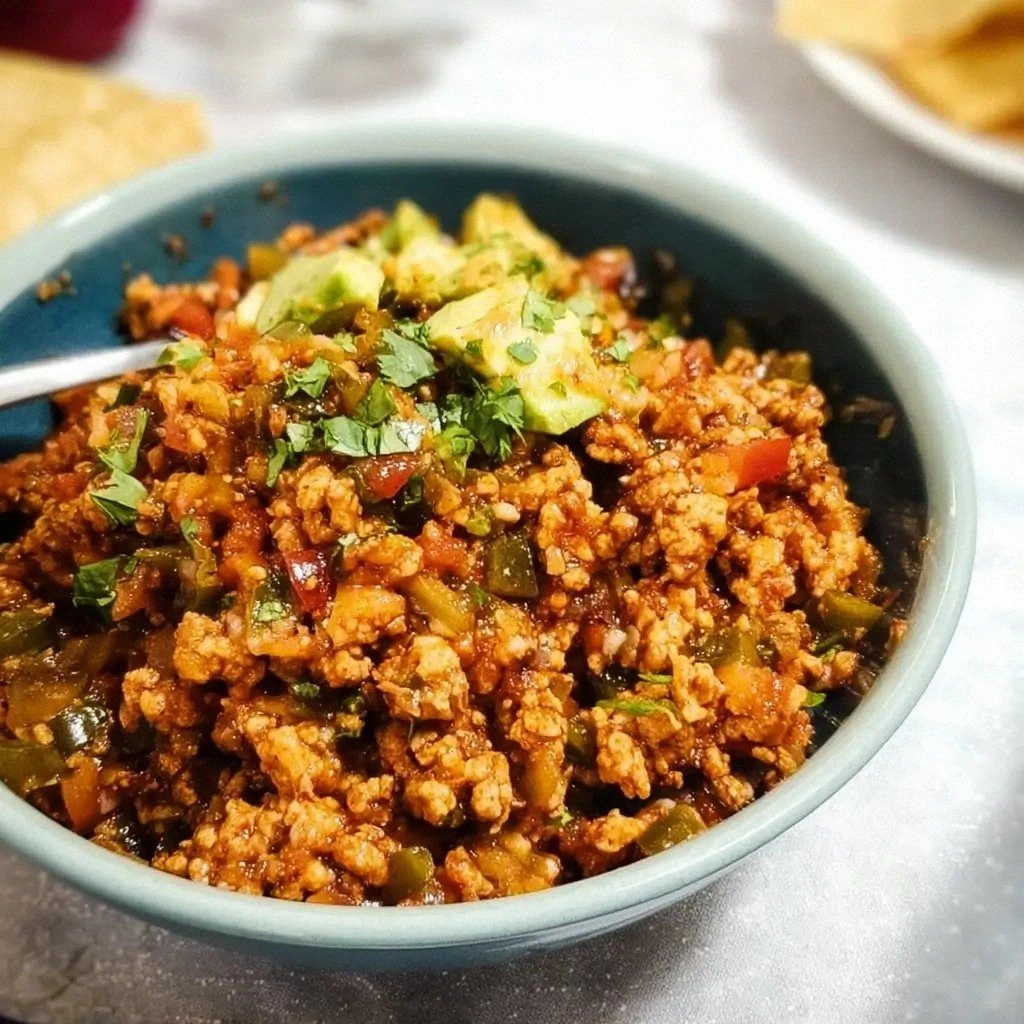
The Method — Step by Step
- Heat the skillet over medium‑high heat and drizzle the olive oil. Once the oil shimmers, add the ground turkey, breaking it up with a wooden spoon. Let the turkey brown for 5 minutes, allowing a caramelized crust to form. This is the moment of truth, where the flavor base begins to develop. Watch the color shift from pink to a deep mahogany. Once browned, remove the turkey and set aside.
- In the same skillet, add the diced onion and minced garlic. Sauté for 2 minutes until the onion turns translucent, releasing a sweet aroma. The garlic should start to brown slightly, giving it a nutty undertone. Stir frequently to prevent sticking. This step builds the aromatic foundation that will permeate the entire dish. The sizzling sound is a cue that you’re on the right track.
- Add the chopped bell pepper to the skillet and cook for another 3 minutes. The pepper should soften but still retain a slight crunch, adding texture to the sauce. The color contrast is visually appealing, hinting at the vibrant flavors to come. Keep the heat steady to avoid burning the pepper. This stage balances sweetness and savory notes. The aroma becomes more complex as the vegetables meld.
- Return the browned turkey to the skillet. Stir in the tomato paste, ensuring it coats the meat evenly. Cook for 1 minute to toast the paste, which deepens the sauce’s flavor. Add the diced tomatoes and turkey broth, stirring to combine. Bring the mixture to a gentle simmer. This reduction phase is crucial for thickening the sauce.
- Stir in the olives, raisins, cumin, oregano, bay leaf, salt, and pepper. The bay leaf adds a subtle earthiness that complements the sweet raisins. Let the mixture simmer for 8–10 minutes, allowing the flavors to meld. The sauce should thicken to a consistency that coats the turkey. Check the seasoning and adjust if necessary. The dish should emit a fragrant, savory aroma.
- Remove the skillet from heat and discard the bay leaf. This is where the dish transitions from cooking to plating. The sauce should be thick, glossy, and packed with flavor. The turkey remains moist, and the vegetables maintain a slight bite. The overall texture feels like a hearty stew with a silky finish. The dish is now ready for its final flourish.
- Garnish with fresh cilantro and a squeeze of lime juice. The citrus brightens the dish, cutting through the richness. The cilantro adds a fresh herbal note that complements the olives. The lime juice should be added just before serving to maintain its bright acidity. This final touch elevates the flavor profile to a new level of freshness.
- Serve the picadillo over a bed of fluffy rice, mashed potatoes, or warm tortillas. Each side complements the dish differently: rice soaks up the sauce, potatoes provide a creamy counterpoint, and tortillas offer a handheld experience. The dish is versatile enough to fit into any meal plan. Pair it with a side of sautéed greens for extra nutrition. The result is a complete, satisfying meal that feels both comforting and adventurous.
That’s it — you did it. But hold on, I’ve got a few more tricks that’ll take this to another level…
Insider Tricks for Flawless Results
The Temperature Rule Nobody Follows
Many cooks rely on high heat to brown turkey, but this can cause the meat to dry out. I recommend starting at medium‑high, then reducing to medium once the meat is browned. This controlled heat allows the turkey to cook through gently, preserving moisture. The key is to let the meat sear on one side before flipping. The result is a juicy, tender texture that’s a delight to bite into. This subtle adjustment can transform an ordinary dish into a masterpiece.
Why Your Nose Knows Best
Before you add the final seasonings, trust your olfactory senses. The sauce should emit a deep, earthy aroma from the cumin and oregano. If it’s lacking depth, add a pinch more cumin or a dash of smoked paprika. Your nose is a reliable indicator of flavor balance. It’s an instinctive way to catch missing notes before they become a problem. This practice ensures every bite is perfectly seasoned.
The 5-Minute Rest That Changes Everything
After removing the dish from heat, let it rest for five minutes. This allows the flavors to redistribute, ensuring every bite is evenly flavored. The resting period also helps the sauce thicken slightly, giving it a more luxurious texture. I’ve seen dishes that were too thick right after cooking become perfectly balanced after a brief rest. This step is often overlooked but is essential for a truly polished dish.
Use the Right Pan
A heavy‑bottomed skillet retains heat evenly, preventing hot spots that can burn the sauce. Cast iron or stainless steel pans are ideal for this recipe. Avoid non‑stick pans, as they can release fumes when heated too high. The right pan ensures a consistent cooking temperature, which is crucial for achieving the perfect sauce thickness. This small choice can significantly impact the final outcome.
Stirring Technique
Stir the sauce gently but consistently. Over‑stirring can break down the turkey, turning it into a mush. Use a wooden spoon to fold the ingredients together, preserving the meat’s integrity. This technique also helps the sauce thicken naturally. The result is a cohesive, velvety texture that clings to the meat without being clumpy. A gentle stir keeps the dish from becoming over‑processed.
Creative Twists and Variations
This recipe is a playground. Here are some of my favorite ways to switch things up:
Mexican Twist
Swap the olives for corn kernels and add a splash of chipotle in adobo. Sprinkle fresh cilantro and a squeeze of lime after cooking. Serve over a bed of cilantro‑lime rice for an extra burst of flavor. This variation leans into smoky, spicy notes that complement the turkey.
Italian Flair
Replace the cumin and oregano with Italian seasoning and add a handful of sun‑dried tomatoes. Finish with a drizzle of balsamic glaze. Serve with a side of garlic bread or over zucchini noodles. The result is a Mediterranean‑inspired picadillo that feels both familiar and exciting.
Low‑Carb Version
Omit the rice and serve over cauliflower rice or sautéed spinach. Reduce the tomato paste slightly to keep the sauce thin. Add extra bell pepper for crunch. This version keeps the dish low in carbs while maintaining the rich flavor profile.
Vegan Adaptation
Replace the turkey with crumbled tempeh or textured vegetable protein. Use vegetable broth and a splash of soy sauce for umami. Add nutritional yeast for a cheesy depth. This version delivers the same comforting feel without animal products.
Holiday Special
Incorporate roasted butternut squash and a handful of toasted pecans. Add a pinch of cinnamon and nutmeg for a seasonal twist. Serve over mashed sweet potatoes for a festive, hearty meal. The sweet and savory notes pair perfectly with holiday gatherings.
Quick & Easy
Use pre‑seasoned ground turkey and canned tomatoes for a 20‑minute meal. Skip the olives and raisins for a simplified version. Stir in a handful of frozen peas for color and nutrition. This quick version is ideal for busy weeknights.
Storing and Bringing It Back to Life
Fridge Storage
Cool the picadillo to room temperature before refrigerating. Store it in an airtight container for up to 4 days. The sauce will thicken slightly as it cools, but it will reheat beautifully. The turkey remains juicy, and the vegetables keep their bite. This method preserves the dish’s integrity while extending its shelf life.
Freezer Friendly
Freeze the picadillo in freezer‑safe containers for up to 3 months. Label each container with the date to keep track. Thaw overnight in the fridge before reheating. The texture remains consistent, and the flavor deepens during freezing. Freezing is a great way to have a ready‑to‑cook meal on hand.
Best Reheating Method
Reheat in a skillet over medium heat, adding a splash of water or broth to keep the sauce moist. Stir occasionally until the dish reaches an internal temperature of 165°F. This gentle reheating preserves moisture and flavor. Avoid microwaving, as it can dry out the turkey and create uneven heating. The result is a dish that tastes as good as fresh.