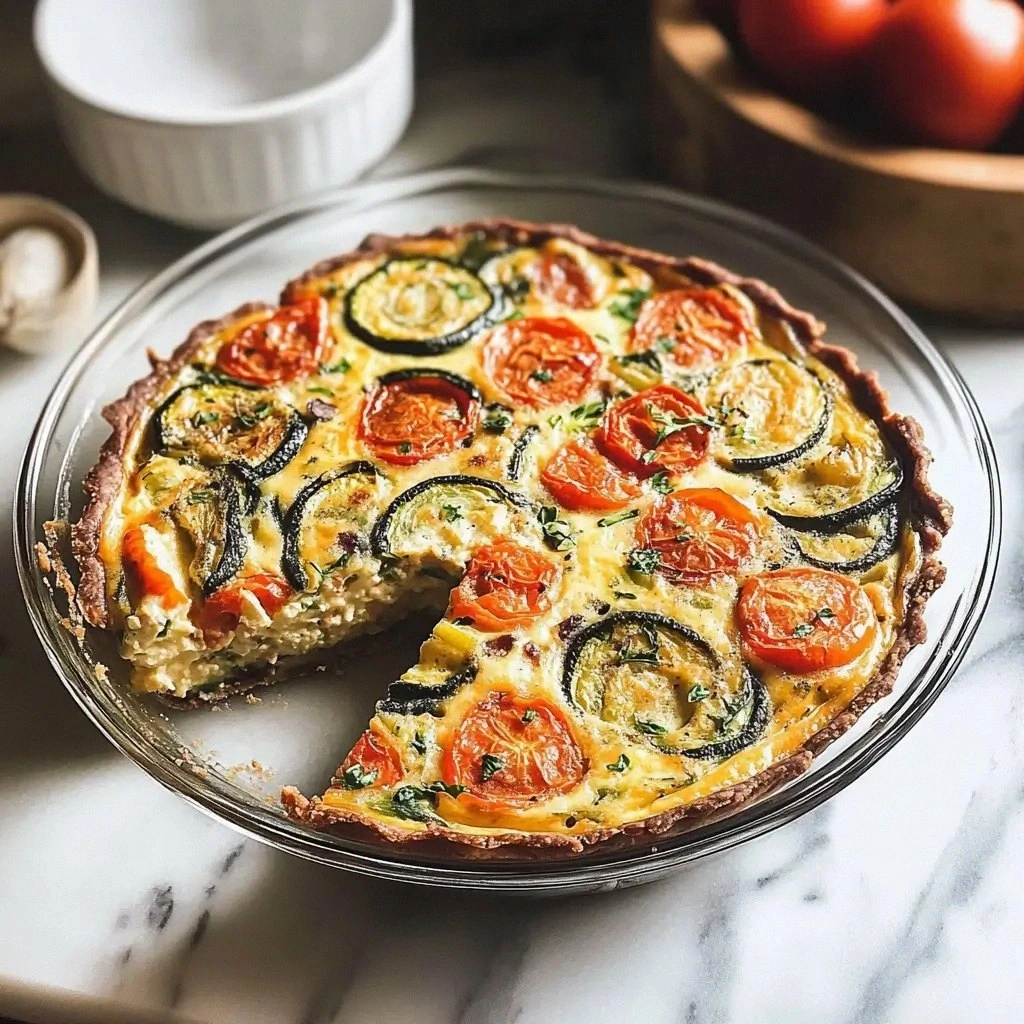
The first time I tried making a gluten‑free quiche, I was convinced the only way to keep it from turning into a soggy mess was to add a crust. I stared at the recipe, feeling the weight of a dozen online variations, and decided to throw that crust out the window. That night, I set the oven to 375°F, whisked eggs with milk, and tossed a medley of fresh spinach, zucchini, bell pepper, and onions into a greased skillet. When the first golden edges appeared, I realized that the real secret was the balance of moisture and the right blend of herbs. The moment the quiche baked to a radiant, slightly crisp top, I knew I’d stumbled upon a game‑changing version that could replace any crusted pie in my pantry.
I was not just cooking a dish; I was orchestrating a symphony of textures. The sautéed vegetables released a fragrant aroma that made the kitchen feel like a summer garden in full bloom. The eggs, thick and velvety, clung to the greens, creating a custard that set into a firm yet airy crumb. The melted cheddar added a creamy depth that licked the edges of the pan, while a whisper of thyme tied everything together in a savory chorus. Every bite was a dance of crunch and melt, a contrast that kept my taste buds guessing and my spoon hovering. If you’ve ever been disappointed by a bland, soggy quiche, this version will rewrite that narrative for you.
What makes this recipe stand out is that it refuses to rely on a traditional crust for structure or flavor. Instead, it leans on a carefully calibrated mix of vegetables, cheese, and herbs to create a cohesive, gluten‑free masterpiece. I dare you to taste this and not go back for seconds—once you experience the harmony of flavors and textures, you’ll wonder how you ever settled for anything else. Picture yourself pulling this out of the oven, the whole kitchen smelling incredible, the golden top shimmering with a subtle sheen of olive oil. The moment the first slice slides out, you’ll hear a satisfying crack that signals the quiche is perfectly set.
If you’ve ever struggled with gluten‑free baking, you’re not alone—this recipe is designed to be approachable, forgiving, and, most importantly, delicious. I’ve spent countless hours tweaking ratios, testing temperatures, and balancing flavors until I found the sweet spot that delivers a custard that’s neither too dry nor too runny. The result is a quiche that holds together without a crust, yet still feels like a comforting, hearty meal. Let me walk you through every single step—by the end, you’ll wonder how you ever made it any other way.
What Makes This Version Stand Out
- Flavor: The combination of fresh spinach, zucchini, and bell pepper delivers a bright, vegetal punch that pairs perfectly with the creamy eggs and cheddar. Each bite bursts with a natural sweetness from the veggies, offset by the savory depth of the cheese.
- Texture: Unlike crusted quiches that can feel heavy, this crustless version offers a light, airy custard that melts in your mouth. The sautéed vegetables add a subtle crunch that keeps each mouthful interesting.
- Ease: No dough, no baking sheet, no extra prep—just a skillet and a few minutes of sautéing. This recipe is a true time‑saver for busy weeknights or lazy brunches.
- Gluten‑free: By eliminating the crust, we remove a common source of gluten, making this dish safe for those with celiac disease or gluten sensitivity.
- Versatility: The base can be customized with your favorite veggies or proteins, making it a canvas for creative twists.
- Make‑ahead Friendly: Prepare the filling ahead of time, refrigerate, and bake when ready. It stays fresh for up to 24 hours.
- Audience Appeal: Family, friends, or a quiet night in—this quiche satisfies a wide range of palates with its comforting flavors.
- Health‑Focused: Packed with greens, moderate protein, and controlled fats, it’s a balanced meal that won’t leave you feeling weighed down.
Alright, let’s break down exactly what goes into this masterpiece…
Inside the Ingredient List
The Flavor Base
Eggs are the backbone of any quiche, providing structure and richness. In this recipe, we use four large eggs, whisked until frothy, to create a custard that sets beautifully. Milk—whether dairy or a plant‑based alternative—adds creaminess and helps the eggs bind without becoming rubbery. A splash of fresh thyme and a pinch of smoked paprika elevate the flavor profile, giving the dish an aromatic depth that’s hard to resist. Skipping the herbs results in a bland custard; the herbs are essential for that savory kick.
The Texture Crew
Fresh spinach, zucchini, bell pepper, and onion are sautéed until just softened, which locks in their moisture and brings out their natural sweetness. The vegetables are chopped into bite‑sized pieces to ensure even cooking and easy distribution across the skillet. If you prefer a more robust bite, leave the zucchini slightly chunky; if you favor a smoother texture, pulse the veggies in a food processor before adding. The key is to avoid overcooking—over‑softened veggies can release too much liquid and make the custard watery.
The Unexpected Star
Cheddar cheese is the star that ties everything together. Its sharp, tangy flavor balances the mildness of the greens, while its melting properties create a silky coating over the custard. Using a mix of sharp and mild cheddar can add complexity, but if you’re a cheese purist, stick to one type. If you’re lactose intolerant, a vegan cheese alternative can be used, but be sure it melts well and has a similar flavor profile.
The Final Flourish
Olive oil is the finishing touch that gives the quiche a glossy sheen and a subtle peppery note. A tablespoon of extra‑virgin olive oil brightens the dish, while a tablespoon of light olive oil helps keep the edges from drying out. A pinch of sea salt and freshly ground black pepper bring the flavors together, but be careful—too much salt can overpower the delicate veggies. A final drizzle of olive oil before baking adds a caramelized finish that’s irresistible.
Everything’s prepped? Good. Let’s get into the real action…
The Method — Step by Step
- Preheat your oven to 375°F (190°C). I’ve found that a steady temperature ensures the custard sets evenly without scorching the top. While the oven warms, lightly grease a 9‑inch non‑stick skillet with olive oil, making sure every corner is coated. The oil not only prevents sticking but also adds a subtle shine to the final product. Once the oven is hot, it’s time to bring the vegetables to life.
- Sauté the vegetables. In the greased skillet, add the chopped onion and sauté for 2 minutes until translucent. Then add the diced bell pepper and zucchini, cooking for an additional 3 minutes. Finally, stir in the spinach and cook until wilted, about 2 minutes. The vegetables should release their juices but not become soggy. This step builds the flavor foundation and locks in moisture.
- Prepare the custard. In a separate bowl, whisk the eggs, milk, salt, pepper, thyme, and smoked paprika until the mixture is uniform. The whisking creates tiny bubbles that help the custard set into a light, airy texture. Pour the custard over the sautéed vegetables in the skillet, stirring gently to ensure even distribution. The mixture should look glossy and slightly thickened.
- Add the cheese. Sprinkle the shredded cheddar evenly over the custard, allowing it to melt into the mixture. The cheese not only adds richness but also helps bind the custard, giving the quiche its firm yet tender crumb. As the cheese melts, you’ll notice a fragrant aroma that signals the dish is coming together beautifully.
- Transfer to the oven. Place the skillet in the preheated oven and bake for 25 minutes. The top should develop a golden‑brown hue and a slight crispness, while the edges begin to pull away from the skillet. The center will still feel slightly jiggly—this is normal and indicates the custard is cooking through.
- Check for doneness. After 25 minutes, insert a toothpick into the center; it should come out clean or with a few moist crumbs. If the toothpick is wet, bake for an additional 5 minutes. The key is a firm, yet tender center that doesn’t look dry or overcooked. The edges should be lightly browned, giving a pleasant contrast to the creamy interior.
- Finish with a drizzle. Remove the skillet from the oven and drizzle a tablespoon of extra‑virgin olive oil over the top. This small step adds a glossy sheen and a burst of flavor that elevates the dish. Let the quiche rest for 5 minutes before slicing; this allows the custard to set fully, making clean cuts easier.
- Serve and enjoy. Slice the quiche into wedges, and serve hot or at room temperature. Pair it with a crisp green salad or a light vinaigrette for a complete meal. The combination of a creamy custard, sautéed veggies, and melty cheese creates a satisfying, comforting dish that will have everyone asking for seconds.
That’s it — you did it. But hold on, I've got a few more tricks that'll take this to another level…
Insider Tricks for Flawless Results
The Temperature Rule Nobody Follows
Many people bake quiches at 400°F, but that can cause the top to brown too quickly while the center remains undercooked. I’ve discovered that 375°F is the sweet spot for a custard that sets evenly without scorching. If you prefer a crispier top, finish the last 5 minutes at 425°F, but keep a close eye to avoid burning.
Why Your Nose Knows Best
The aroma of sautéed vegetables is a reliable indicator that they’re ready. A faint, sweet scent means they’re cooked through, while a sharp, raw smell signals you need more time. Trust your nose; it’s the most accurate gauge of doneness for this dish.
The 5-Minute Rest That Changes Everything
Letting the quiche rest for 5 minutes after baking allows the custard to firm up, making it easier to slice cleanly. It also lets the flavors meld, resulting in a more cohesive taste. Skipping this step can lead to a mushy center and uneven slices.
Keep the Skillet Clean
Sautéing the veggies in the same skillet that will bake the quiche eliminates the need for extra pans. This not only saves time but also ensures the vegetables don’t lose flavor during transfer. Just be sure to wipe the skillet clean if you’re using a non‑stick surface to avoid sticking.
Use Fresh Herbs
Fresh thyme adds a bright, herbal note that dried thyme can’t match. If you’re out of thyme, rosemary or basil can work as substitutes, but keep in mind they’ll impart different flavor profiles. For a Mediterranean twist, add a splash of lemon zest to the custard.
Don’t Forget the Cheese
Cheese is not just for flavor; it also helps bind the custard and provides a creamy texture. Using a mix of sharp and mild cheddar can create depth, but if you’re lactose intolerant, a vegan cheese that melts well is a suitable alternative. The cheese’s moisture content can affect the quiche’s final texture, so choose wisely.
Creative Twists and Variations
This recipe is a playground. Here are some of my favorite ways to switch things up:
Smoky Chipotle Quiche
Swap the smoked paprika for chipotle powder and add a tablespoon of chipotle in adobo sauce. The result is a smoky, slightly spicy quiche that pairs well with a cool avocado salsa. This variation is perfect for those who love a bit of heat.
Mushroom & Thyme Delight
Replace the zucchini and bell pepper with sliced cremini mushrooms. Sauté the mushrooms until they release their juices, then proceed with the standard recipe. The earthy flavor of mushrooms complements the thyme, creating a comforting, savory dish.
Spinach & Feta Fusion
Use feta cheese instead of cheddar for a tangy twist. Add a handful of chopped fresh spinach at the end of sautéing. The feta’s saltiness balances the sweetness of the vegetables, delivering a Mediterranean-inspired quiche.
Roasted Tomato & Basil Edition
Roast cherry tomatoes until they’re blistered, then add them to the skillet with fresh basil leaves. The roasted sweetness of the tomatoes pairs beautifully with the basil, offering a fresh, summery flavor profile.
Protein‑Packed Quiche
Add diced cooked chicken, turkey, or tofu to the sautéed vegetables for an extra protein boost. The added protein makes this dish more filling and suitable for a post‑workout meal or a light dinner.
Vegan Quiche Variation
Use a plant‑based milk and a vegan cheese that melts well. Replace the eggs with a flaxseed‑egg mixture (1 tablespoon ground flaxseed + 3 tablespoons water). This version is fully vegan and still delivers the same creamy texture.
Storing and Bringing It Back to Life
Fridge Storage
Let the quiche cool completely before covering it tightly with plastic wrap or an airtight container. Store in the refrigerator for up to 24 hours. The custard will firm up slightly, so slice it just before serving to maintain a creamy interior.
Freezer Friendly
Wrap the cooled quiche in plastic wrap, then place it in a freezer bag. It can be frozen for up to 2 weeks. When ready to eat, thaw it overnight in the refrigerator, then reheat in a preheated oven at 350°F for 15–20 minutes until warmed through.
Best Reheating Method
To revive a refrigerated or frozen quiche, add a splash of milk or water to the skillet before reheating. The liquid steams the custard, preventing it from drying out. Heat on medium until warmed through, then finish with a quick broil for 2 minutes to restore a crisp top.