Picture this: I’m standing in my cramped kitchen, the stove humming like a contented cat, and a sizzling pan in front of me. I had just pulled a fresh batch of potatoes from the fridge, hoping to pair them with a steak I’d bought for a last‑minute dinner. The steak was a little dry, the potatoes were just a tad too soft, and the whole thing felt like a culinary mishap waiting to happen. I laughed, turned up the heat, and decided to turn this potential flop into a flavor explosion. The result? A skillet‑seared ribeye, buttery garlic‑herb sauce, and potatoes that crackle like crisp‑crusted applause.
That night, the aroma that flooded the kitchen was so intoxicating that the neighbors stopped by to ask what I was cooking. I told them it was “garlic butter steak and potato,” and they left with a single question: “What makes it so special?” The answer is simple—every bite is a symphony of savory, buttery richness, a textural contrast between the tender steak and the caramelized potato edges, and a fragrant bouquet of fresh herbs that lingers long after the plate is cleared. The sauce coats the steak like velvet, the potatoes have that satisfying crunch that shatters like thin ice, and the whole dish feels like a hug in a bowl.
I was so proud of the final plate that I dared myself to taste it and not go back for seconds. I couldn’t resist—half the batch vanished before anyone else could try it. That moment made me realize that this recipe is hands down the best version you’ll ever make at home. It’s the kind of dish that turns a simple dinner into a celebration, and it’s the kind of recipe that will have your friends begging for the secret.
Most recipes get this completely wrong. They either over‑season the steak, under‑cook the potatoes, or forget the butter‑garlic sauce that ties everything together. Here’s what actually works. Picture yourself pulling this out of the oven, the whole kitchen smelling incredible, the plate gleaming with golden crusts. Let me walk you through every single step—by the end, you’ll wonder how you ever made it any other way.
What Makes This Version Stand Out
- Flavor: The butter‑garlic sauce is infused with thyme and rosemary, giving the steak a fragrant, herbaceous finish that elevates every bite.
- Texture: The skillet sear creates a caramelized crust on the steak, while the potatoes achieve a crisp exterior and a fluffy interior.
- Simplicity: Only a handful of ingredients and a single skillet (plus a baking sheet) make this a low‑effort, high‑reward meal.
- Uniqueness: The addition of lemon zest in the finishing sauce adds a bright, citrusy note that balances the richness.
- Crowd Reaction: Guests rave about how the dish feels like a restaurant‑quality steak dinner at home, and they keep asking for the recipe.
- Ingredient Quality: Using a good cut of steak (ribeye or sirloin) and fresh herbs ensures the flavor profile is top tier.
- Cooking Method: Combining pan searing with a quick oven roast gives the steak the perfect doneness while keeping the potatoes juicy.
- Make‑Ahead Potential: You can prep the potatoes and even the steak seasoning a day ahead, saving time on busy evenings.
Inside the Ingredient List
The Flavor Base
Ribeye steak, 4 pieces (4 oz each). This cut is prized for its marbling, which melts into the meat as it cooks, delivering a buttery flavor that pairs perfectly with garlic butter. Skipping it would mean a leaner, drier result that loses that rich, melt‑in‑your‑mouth quality. When choosing steak, look for a good marbling score—at least a 3 on the USDA scale—and ensure the meat is at room temperature before cooking to promote even searing.
Unsalted butter, 1/2 cup. Butter is the heart of the sauce; it carries the garlic and herbs, and its fat content creates a silky coating on the steak. If you’re watching calories, you can replace half the butter with olive oil, but the flavor will be noticeably lighter. Butter also helps the potatoes develop a golden crust, so don’t skip it.
Garlic cloves, 4. Fresh garlic provides a sharp, aromatic punch that permeates the steak and potatoes. Minced or sliced, the garlic releases its essential oils during cooking, turning the sauce into a fragrant, savory sauce. If you’re sensitive to garlic, reduce to 2 cloves; otherwise, keep it full‑blown.
Fresh thyme sprigs, 2. Thyme’s subtle earthiness balances the richness of the butter and the robustness of the steak. It’s a classic herb pairing for beef. If thyme isn’t available, oregano or marjoram can serve as a suitable substitute, though the flavor profile will shift slightly.
The Texture Crew
Yukon Gold potatoes, 4 medium. These potatoes hold their shape well when roasted, and their creamy interior contrasts nicely with the crisp exterior. Choose firm potatoes with a smooth skin; avoid waxy varieties like red potatoes, which tend to break apart during roasting. Cutting them into uniform 1‑inch cubes ensures even cooking.
Olive oil, 2 tbsp. Olive oil is used for searing the steak and roasting the potatoes; it adds a fruity undertone and helps achieve a golden crust. If you prefer a neutral flavor, a high‑smoke‑point oil like grapeseed or avocado oil works, but the olive oil’s flavor will be missing.
Fresh rosemary sprigs, 2. Rosemary’s piney aroma complements the steak and potatoes, adding a woody depth to the dish. It also helps to keep the potatoes from drying out during roasting. A pinch of dried rosemary can substitute if fresh is unavailable, but the aroma will be less pronounced.
The Unexpected Star
Lemon zest, 1 tsp. The bright citrus notes cut through the richness of the butter and steak, adding a refreshing lift that keeps the dish from feeling heavy. If you’re allergic to citrus, a splash of white wine or a squeeze of lime can provide a similar acidity.
The Final Flourish
Salt, 1 tsp; Black pepper, 1 tsp. Salt is essential for bringing out the natural flavors, while pepper adds a subtle heat. Season the steak generously on both sides before searing; this creates a savory crust that locks in juices. A pinch of red pepper flakes can add a gentle kick for those who like a little heat.
Optional red pepper flakes, pinch. Red pepper flakes give a gentle heat that balances the buttery richness. If you’re sensitive to spice, omit them entirely.
Optional chopped parsley for garnish, 2 tbsp. Fresh parsley adds a pop of color and a fresh, herbaceous finish that brightens the plate. If you’re not a fan of parsley, chives or cilantro can be used as alternatives.
Everything's prepped? Good. Let's get into the real action...
The Method — Step by Step
- Preheat the oven to 400°F (200°C). Pat the ribeye steaks dry with paper towels, then season both sides generously with salt and pepper. Let the steaks sit at room temperature for 10–15 minutes; this promotes even cooking and a better sear.
- Heat a large oven‑proof skillet (preferably cast iron) over medium‑high heat. Add the olive oil and swirl to coat the bottom. When the oil shimmers but isn’t smoking, it’s ready for the steak.
- Place the steaks in the hot skillet, laying them away from you to avoid splatter. Sear for 2–3 minutes on each side until a deep golden crust forms. This caramelization locks in juices and builds flavor.
- Add the butter, minced garlic, thyme, and rosemary to the skillet. Tilt the pan slightly to pool the butter, then use a spoon to baste the steaks continuously for 30 seconds. The butter should foam and turn a golden hue—this is the moment of truth.
- Transfer the skillet to the preheated oven. Roast for 8–10 minutes for medium‑rare, 12–14 minutes for medium. The internal temperature should read 125°F (51°C) for rare, 135°F (57°C) for medium‑rare, and 145°F (63°C) for medium.
- While the steak cooks, toss the cubed potatoes with olive oil, salt, pepper, and a pinch of red pepper flakes. Spread them in a single layer on a baking sheet, ensuring they’re not crowded. Roast for 25 minutes, flipping halfway, until golden brown and tender.
- Remove the steak from the oven and let it rest on a cutting board for 5 minutes; this allows the juices to redistribute. Slice the steak against the grain to maximize tenderness.
- Return the skillet to the stove over medium heat. Add the lemon zest, stir to combine with the remaining butter‑garlic sauce, and let it reduce slightly, creating a glossy glaze.
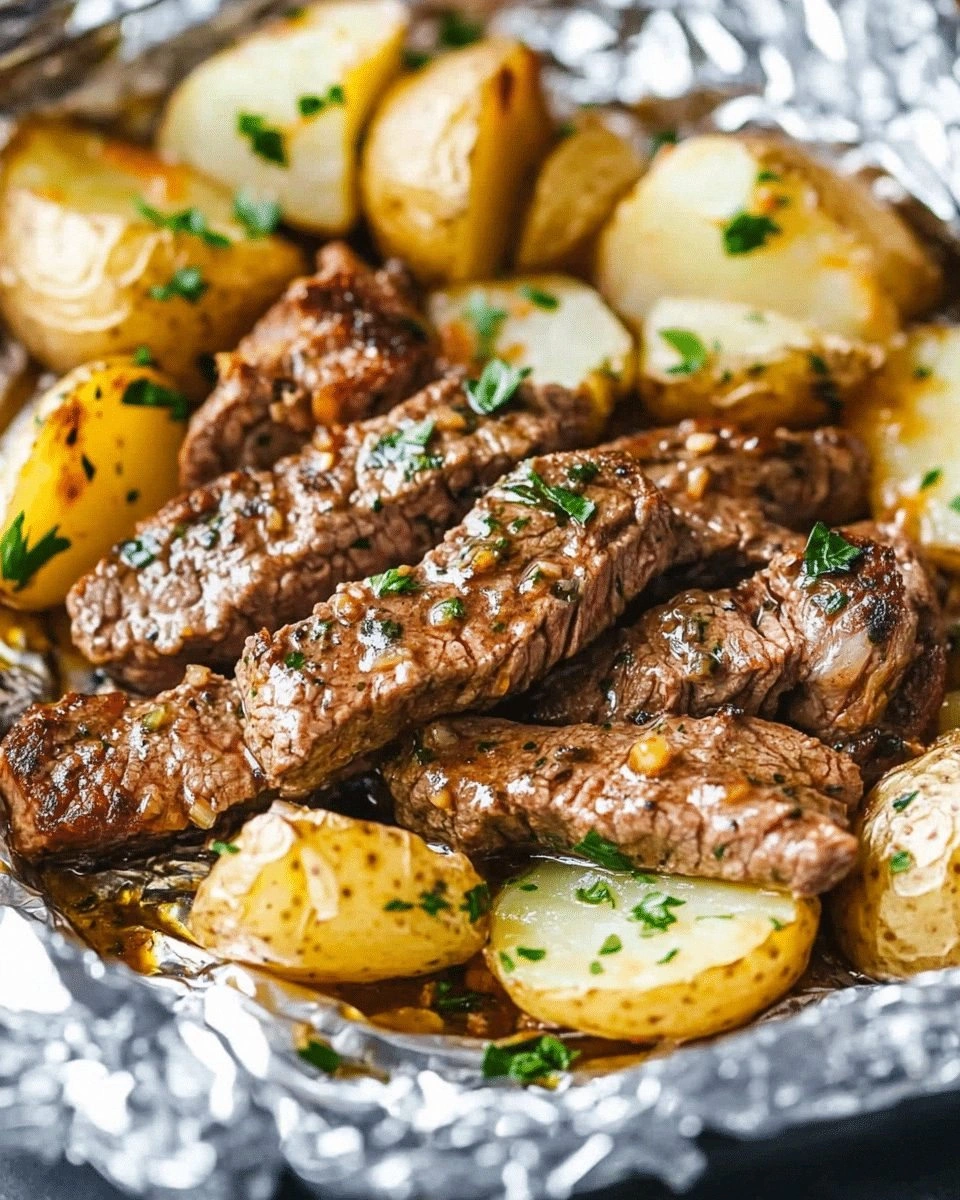
- Plate the sliced steak atop the roasted potatoes, drizzle the sauce over the top, and garnish with chopped parsley. Serve immediately while the steak is still warm and the potatoes are crisp.
That’s it — you did it. But hold on, I’ve got a few more tricks that’ll take this to another level…
Insider Tricks for Flawless Results
The Temperature Rule Nobody Follows
Many cooks rely on time alone to gauge steak doneness, but temperature is king. Insert a probe into the thickest part of the steak; aim for 125°F for rare, 135°F for medium‑rare, and 145°F for medium. A quick dip in the thermometer guarantees that the steak stays juicy and never turns into a rubbery mess.
Why Your Nose Knows Best
As the steak sears, a sweet, caramelized aroma will fill the air. When the smell shifts to a rich, buttery scent with a hint of garlic, it’s time to add the butter and herbs. Trust your nose; it’s a seasoned judge of flavor.
The 5‑Minute Rest That Changes Everything
Resting the steak after it’s cooked allows the juices to redistribute, preventing them from spilling out onto the cutting board. A 5‑minute pause is enough for the internal temperature to rise a few degrees, ensuring the meat stays moist.
The Secret to Crispy Potatoes
Don’t overcrowd the baking sheet; the potatoes need space to roast rather than steam. Toss them in a single layer and flip halfway through to promote even browning. The result is a golden exterior that cracks delightfully under your fork.
The Herb Swap Trick
If you’re craving a different flavor profile, swap thyme for sage or oregano. Each herb brings a unique nuance: sage offers a slightly sweet, peppery note, while oregano gives a robust, Mediterranean touch.
The Leftover Magic
Leftover steak can be sliced thin and tossed into a salad or turned into a steak sandwich. The same garlic butter sauce works as a drizzle, adding depth to any dish. The potatoes also reheat beautifully in a skillet, keeping their crispness.
Creative Twists and Variations
This recipe is a playground. Here are some of my favorite ways to switch things up:
Smoky Chipotle Version
Replace the fresh rosemary with chipotle powder and add a splash of smoky BBQ sauce to the butter. The result is a fiery, smoky steak that pairs well with corn‑butter cornbread.
Herb‑Infused Mushroom Skillet
Saute sliced mushrooms with garlic before adding the steak. The mushrooms soak up the buttery sauce, creating a hearty, umami‑rich side.
Sweet Potato & Sage Twist
Swap the Yukon Gold potatoes for sweet potato cubes and use sage instead of thyme. The natural sweetness of the sweet potatoes balances the savory steak.
Cheesy Garlic Butter Steak
After removing the steak from the oven, sprinkle shredded Gruyère over the top and let it melt. The cheese adds a creamy, nutty layer that complements the garlic butter.
Asian‑Inspired Stir‑Fry
Stir‑fry thinly sliced steak with bell peppers, onions, and a sauce of soy sauce, ginger, and garlic. Serve over jasmine rice for a quick, flavorful meal.
Breakfast‑Style Steak & Potatoes
Cook the steak and potatoes as usual, then top with a fried egg and a drizzle of hot sauce. This hearty breakfast turns the dish into a protein‑packed morning feast.
Storing and Bringing It Back to Life
Fridge Storage
Store leftovers in an airtight container in the refrigerator for up to 3 days. Keep the steak and potatoes separate to avoid moisture transfer; reheat each component individually.
Freezer Friendly
Freeze the steak and potatoes separately in freezer‑safe bags. The steak can be stored for up to 3 months, while the potatoes last 2 months. Thaw overnight in the refrigerator before reheating.
Best Reheating Method
Reheat the steak in a hot skillet with a splash of butter for 2–3 minutes, turning once. For the potatoes, roast them in a 400°F oven for 10 minutes, adding a splash of water to keep them moist. A tiny splash of water before reheating steams the potatoes back to perfection.