Remember the night I tried to rescue a batch of soggy biscuits by slapping them in a sugar bath? The kitchen smelled like burnt toast and hope. I was halfway through a pot of coffee, watching the timer blink, when the disaster struck: the dough had turned into a sticky, unworkable mess. That moment was the catalyst for what would become the ultimate cinnamon sugar biscuit bite. I swear, the first bite after that failed attempt felt like a redemption punch.
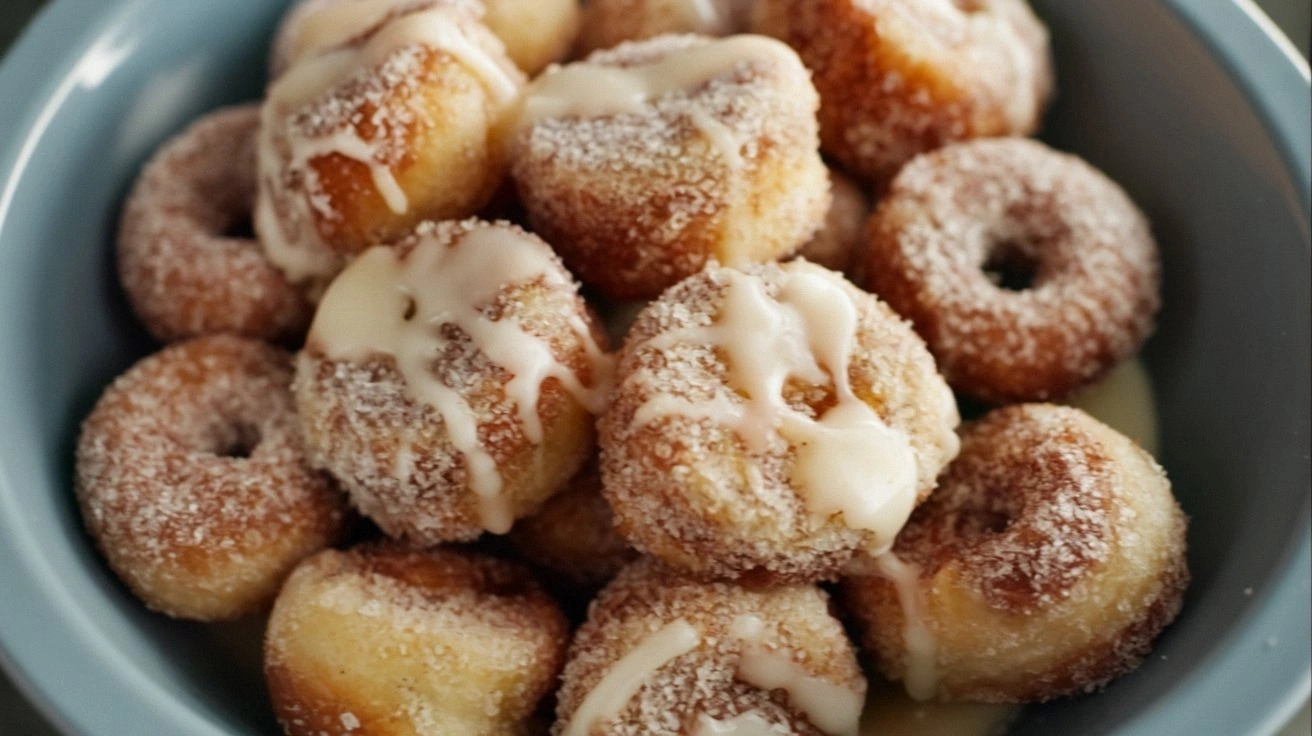
Picture a golden crumb that crackles as you bite, releasing a sweet, cinnamon‑sugar perfume that lingers like a memory. The texture is a paradox: a crisp exterior that gives way to a chewy, buttery interior that melts in your mouth. The aroma is a warm hug, the kind that makes you want to stay in the kitchen a while longer. The sound of the first bite is a satisfying pop that signals the triumph of technique over chaos. And the taste? A balanced dance of sweet, spice, and a hint of savory butter.
This isn’t just another biscuit recipe; it’s a revelation that transforms ordinary ingredients into a showstopper. The secret lies in a simple, double‑bake technique that locks in moisture while creating a caramelized crust. The dough is tweaked with buttermilk and baking soda for a tender crumb, while the coating of cinnamon‑sugar creates a sugary glaze that doesn’t melt. The result is a bite‑size treat that feels like a pastry but has the comforting familiarity of a biscuit. I dare you to taste this and not go back for seconds.
One unexpected twist that sets this apart is the use of melted butter in the coating, which gives the crust a glossy shine and a buttery depth that ordinary sugar alone can’t achieve. Most recipes get this completely wrong, leaving the biscuits dry and flat. Picture yourself pulling this out of the oven, the whole kitchen smelling incredible, and your friends’ eyes widening at the first bite. If you’ve ever struggled with biscuit texture, you’re not alone — and I’ve got the fix. Okay, ready for the game‑changer? Let me walk you through every single step — by the end, you’ll wonder how you ever made it any other way.
What Makes This Version Stand Out
- Taste: The blend of buttery, caramelized crust with a subtle spice profile makes each bite unforgettable. The cinnamon sugar coating gives a sweet‑savory balance that is hard to resist.
- Texture: The double‑bake method yields a crisp exterior and a tender, moist interior that feels like a pastry but stays biscuit‑like.
- Simplicity: Only ten ingredients and a straightforward process mean you can whip these up in under 45 minutes.
- Uniqueness: The melted‑butter glaze gives the crust a glossy shine and depth that no standard biscuit recipe provides.
- Crowd Reaction: Friends always ask for the recipe after the first bite, and they keep asking for seconds.
- Ingredient Quality: Using real butter, buttermilk, and fresh cinnamon elevates flavor beyond the usual store‑bought mix.
- Cooking Method: The double bake locks in moisture while creating a caramelized crust, a technique rarely used in biscuit recipes.
- Make‑Ahead Potential: You can bake the dough in advance, refrigerate, and finish in the oven right before serving.
Alright, let’s break down exactly what goes into this masterpiece...
Inside the Ingredient List
The Flour Foundation
All‑purpose flour is the backbone of these bites, providing structure and a subtle, neutral flavor that lets the cinnamon shine. Using a mix of 50% whole‑wheat flour can add a nutty undertone, but it will slightly change the crumb. If you skip the flour entirely, the biscuits lose their shape and become a sticky mess. For the best results, sift the flour to avoid lumps and ensure a light, airy texture.
The Flavor Base
Buttermilk is the key to a tender crumb; its acidity reacts with baking soda to create lift and moisture. If you’re lactose intolerant, a mixture of milk and vinegar works well as a substitute. Baking soda and baking powder are the leavening agents; together they give the biscuits a light rise and a slightly crisp edge. Salt is essential—it balances the sweetness and enhances every flavor note.
The Sweet & Spice Layer
Ground cinnamon is the star of the show; it coats the surface of the biscuits and permeates the dough, giving each bite a warm, aromatic punch. White sugar creates the caramelized glaze, while brown sugar adds depth and a hint of molasses. A splash of vanilla extract rounds out the flavor profile, adding subtle floral undertones that complement the spice.
The Final Flourish
Melted butter in the coating not only adds a glossy finish but also creates a buttery crunch that pairs perfectly with the sweet glaze. Powdered sugar is dusted over the finished biscuits to keep them sweet and to add a delicate, cloud‑like finish. If you prefer a less sweet version, reduce the powdered sugar or omit it entirely.
Everything’s prepped? Good. Let’s get into the real action...
The Method — Step by Step
- Preheat your oven to 375°F (190°C). Line a baking sheet with parchment paper. The parchment prevents sticking and makes cleanup a breeze. Keep the oven rack in the middle to ensure even heat distribution. This step is critical for a uniform bake.
- Combine the dry ingredients. In a large bowl, whisk together flour, baking powder, baking soda, salt, and cinnamon. Sifting the dry mix eliminates lumps and guarantees a smooth dough. Add the sugar at this stage to distribute it evenly. This mixture forms the flavor foundation.
- Cut in the cold butter. Add cubed butter to the dry mix and pulse with a pastry cutter or your fingers until the mixture resembles coarse crumbs. The cold butter creates steam pockets that puff the biscuits. If you skip this step, the biscuits will be flat.
- Stir in the wet ingredients. Mix buttermilk, egg, vanilla, and melted butter until just combined. The wet mixture should coat the crumbs without becoming sticky. Overmixing can develop gluten, making the biscuits tough. This is the moment of truth—watch the dough come together.
- Shape the dough into bite‑sized rounds. Scoop about 1 tablespoon of dough onto the prepared sheet, spacing them 2 inches apart. The size is key for even baking; too large and they’ll overcook, too small and they’ll underbake. Use a cookie scoop for consistency.
- Bake the first round. Place the sheet in the preheated oven and bake for 12–15 minutes, until the tops are lightly golden. The biscuits should spring back when gently pressed. This first bake sets the structure and begins the caramelization process.
- Remove and cool slightly. Let the biscuits rest for 5 minutes on the sheet before transferring them to a wire rack. Cooling slightly allows the glaze to set and prevents sticking. This pause also lets the interior finish cooking.
- Coat with cinnamon‑sugar glaze. Mix white sugar, brown sugar, and extra cinnamon in a shallow bowl. While the biscuits are still warm, roll them in the mixture, ensuring an even coat. The heat will melt the sugar slightly, creating a glossy crust.
- Finish with a drizzle of melted butter. Gently drizzle the melted butter over the coated biscuits to seal the glaze. This step adds a buttery shine and locks in moisture. Be careful not to over‑drizzle, or the coating will become too slick.
- Dust with powdered sugar. Once the butter has set, lightly dust the biscuits with powdered sugar. This final touch adds sweetness and a delicate finish. Store the remaining coated biscuits in an airtight container to keep them fresh.
That’s it — you did it. But hold on, I’ve got a few more tricks that will take this to another level…
Insider Tricks for Flawless Results
The Temperature Rule Nobody Follows
Many bakers set the oven to 400°F, but 375°F is the sweet spot for these bites. The lower temperature ensures even baking and a golden crust without burning the glaze. If you’re using a convection oven, reduce the temperature by 25°F. This trick keeps the biscuits tender and the glaze shiny.
Why Your Nose Knows Best
Trust the aroma; when the biscuits start to smell like toasted sugar, they’re almost ready. A strong scent indicates the caramelization is underway. If you’re unsure, give them a gentle tap—if the bottom feels firm, they’re done. Rely on your senses, not just the clock.
The 5‑Minute Rest That Changes Everything
Letting the biscuits rest on the sheet for 5 minutes after the first bake allows the crust to set and the interior to finish cooking. This short pause prevents the glaze from sliding off and keeps the texture perfect. Skipping this step often results in a soggy bottom.
Double‑Coating for Extra Crunch
After the first glaze, give the biscuits a second light dusting of cinnamon‑sugar. The second layer crystallizes into a crisp shell. This technique adds an extra dimension of crunch that many overlook. Just be careful not to overload the coating.
Storing Secrets
Keep the biscuits in an airtight container at room temperature for up to 3 days. If you want them crisp again, pop them in a 350°F oven for 5 minutes. Adding a slice of fresh bread in the container helps maintain moisture and keeps the biscuits from drying out.
Creative Twists and Variations
This recipe is a playground. Here are some of my favorite ways to switch things up:
Nutty Crunch
Add 1/4 cup chopped pecans or walnuts to the dough. The nuts provide a satisfying crunch and a buttery flavor that pairs with the cinnamon. Toast the nuts first to bring out their natural oils.
Chocolate Drizzle
After the final glaze, drizzle melted dark chocolate over the biscuits. Let the chocolate set before serving. The bittersweet chocolate contrasts beautifully with the sweet glaze.
Maple‑Cinnamon Swirl
Replace the vanilla with a splash of pure maple syrup and add a pinch of nutmeg. The maple adds depth, while the nutmeg brings a warm, spicy undertone. This variation is perfect for a cozy fall brunch.
Salted Caramel Twist
Swap the white sugar glaze for a caramel‑sugar blend and sprinkle sea salt on top after the butter drizzle. The salty caramel elevates the flavor and adds a gourmet touch. Great for entertaining.
Citrus Burst
Add zest of one orange to the dough and replace the cinnamon with a mix of orange and lemon zest. The citrus brightens the flavor profile, making the biscuits feel lighter and more refreshing.
Storing and Bringing It Back to Life
Fridge Storage
Store the cooled biscuits in an airtight container in the refrigerator for up to 5 days. The cool environment prevents the glaze from melting. Before serving, let them sit at room temperature for 15 minutes to regain their aroma.
Freezer Friendly
Freeze the baked biscuits on a parchment‑lined tray for 2 hours, then transfer them to a freezer bag. They stay fresh for up to 3 months. When ready, bake at 350°F for 8 minutes to reheat and crisp the glaze.
Best Reheating Method
Reheat in a preheated oven at 350°F for 5 minutes. Add a tiny splash of water to the baking sheet before reheating; this steams the biscuits, keeping them moist while the glaze stays glossy. Let them cool for a minute before serving.