Picture this: a rainy Saturday afternoon, the kind that makes you want to crawl under a blanket with a steaming mug and something that feels like a hug for your taste buds. I was halfway through a marathon of Netflix reruns when a sudden craving for something hearty, comforting, yet surprisingly fresh slapped me in the face. I raided the fridge, found a lonely butternut squash and a can of black beans, and thought, “Why not turn this into a wrap that could dethrone any taco night?” The result? A dish that made my kitchen smell like an autumn market, even though it was July, and a flavor combo that hit my palate like a perfectly timed drum solo.
The moment I diced the squash, the orange flesh glistened under the kitchen light, promising sweetness that would soon be balanced by the earthy depth of black beans. The sizzling sound of olive oil hitting the hot pan was a siren song, and as the aromatics—onion, garlic, cumin—started to dance, I could swear the whole house was holding its breath. When I finally folded the warm, slightly caramelized mixture into a soft, toasted tortilla, the experience was akin to wrapping a cozy blanket around a fire‑kissed marshmallow. The crunch of the tortilla gave way to a silky interior, and the lime‑y cilantro burst added a zing that made my tongue do a happy jig.
Most recipes for squash‑bean wraps either drown the delicate squash in a swamp of spices or forget the crucial step of giving the tortilla that perfect golden‑brown finish. I’ve tried those, and let’s just say my expectations were left in the cold. This version, however, is a meticulously calibrated symphony of flavors and textures. I’m talking about a caramelized edge on the squash that sings, a black bean base that’s creamy but not mushy, and a tortilla that’s crisped just enough to hold everything without turning soggy. The secret? A quick flash‑roast of the squash and a dash of maple syrup that brings out a caramel note without turning the whole thing into a dessert.
And now, the kicker: I’m going to reveal a technique that most home cooks overlook—the “dry‑roast finish” for the squash. It’s a simple step that adds a smoky depth and a texture contrast that will have you wondering how you ever lived without it. I dare you to taste this and not go back for seconds. Let me walk you through every single step — by the end, you’ll wonder how you ever made it any other way.
What Makes This Version Stand Out
- Flavor Fusion: The sweet earthiness of butternut squash meets the hearty, protein‑packed black beans, creating a balance that’s both comforting and exciting.
- Texture Play: Caramelized squash edges, creamy beans, and a crisp tortilla give you a mouthfeel that’s like biting into a perfectly toasted marshmallow.
- Simplicity: Fewer than ten pantry staples and a 45‑minute timeline make this recipe approachable for weeknight chefs.
- Unique Twist: A splash of maple syrup and a quick dry‑roast step add a smoky‑sweet nuance most recipes completely miss.
- Crowd Reaction: I’ve served this at potlucks and the line never stops—people keep asking for the “secret ingredient.”
- Ingredient Quality: Using fresh, firm butternut squash and high‑quality black beans elevates the dish from ordinary to unforgettable.
- Cooking Method: The combination of stovetop sauté and oven‑finished tortilla ensures even cooking without sogginess.
- Make‑Ahead Potential: Prep the filling ahead of time, store it, and assemble wraps in minutes for a quick lunch or dinner.
Inside the Ingredient List
The Flavor Base
The foundation of any great wrap starts with aromatics, and here the duo of red onion and garlic does the heavy lifting. The onion adds a subtle sweetness that complements the squash, while garlic brings that unmistakable pungent warmth that makes the whole mixture sing. If you skip the onion, you’ll lose that layered depth, and the wrap will feel flat. Swap suggestion: use a shallot for a milder profile or add a pinch of asafoetida for an umami boost if you’re feeling adventurous. When selecting onions, choose ones that are firm and glossy—no soft spots.
The Texture Crew
Butternut squash, diced into bite‑size cubes, is the star of texture. Its natural starches caramelize beautifully, giving you those coveted crispy edges that shatter like thin ice. Black beans, on the other hand, provide a creamy counterpoint, holding the wrap together without turning mushy. Rinse canned beans thoroughly to remove excess sodium and prevent a metallic aftertaste. If you have dry beans on hand, soak them overnight and cook until just tender for an even richer mouthfeel.
The Unexpected Star
Maple syrup may sound like a breakfast topping, but a tablespoon of it during the squash roast introduces a caramel nuance that elevates the entire dish. It’s the secret weapon that makes the sweet notes pop without overwhelming the savory side. Should you be allergic or avoid sugar, substitute with a drizzle of agave nectar or a splash of apple cider vinegar for a tangy twist. When choosing maple syrup, go for Grade A—its light flavor won’t dominate the other ingredients.
The Final Flourish
The finishing touches—fresh cilantro, lime juice, and a sprinkle of feta or cheddar—bring brightness and a hint of acidity that cuts through the richness. Cilantro’s citrusy notes are like a high‑note in a song, while lime adds that sharp snap that awakens the palate. If cilantro isn’t your jam, try fresh parsley or a handful of mint for a different herbal angle. For the cheese, I recommend a crumbly feta for tang, but shredded sharp cheddar works wonders for a gooey melt. Don’t forget the tortilla: a whole‑wheat wrap gives a nutty flavor and holds up well to the moist filling.
Everything's prepped? Good. Let's get into the real action...
The Method — Step by Step
- Preheat your oven to 425°F (220°C). While the oven warms, line a baking sheet with parchment paper and set it aside. This step is crucial because a hot oven ensures the squash caramelizes quickly, locking in flavor and preventing sogginess later on. I like to give the pan a quick spray of olive oil—just enough to coat, not drown.
- Dice the butternut squash into ½‑inch cubes, then toss them with 1 tablespoon olive oil, 1 tablespoon maple syrup, a pinch of smoked sea salt, and a dash of black pepper. Spread the cubes in a single layer on the prepared sheet. The maple syrup will create a glossy coating that browns beautifully. Kitchen Hack: Use a large zip‑top bag to shake the squash and seasonings together—this ensures every piece gets an even coating.
- Roast the squash for 20‑25 minutes, stirring halfway through. You’re looking for edges that turn golden‑brown and slightly crisp—those are the flavor fireworks. When you pull the tray out, the kitchen should smell like a sweet‑savory autumn market. Pro tip: If the edges aren’t caramelizing, increase the oven temperature by 10°F and give it another 5 minutes.
- While the squash roasts, heat a large skillet over medium heat and add 1 tablespoon olive oil. Sauté the finely chopped red onion until translucent, about 3‑4 minutes, then add the minced garlic and cook for another minute until fragrant. The aroma at this point is the “this is happening” moment—if you’re not hearing a gentle sizzle, crank the heat up a notch.
- Add the cooked black beans, 1 teaspoon ground cumin, 1 teaspoon smoked paprika, and ½ teaspoon chili powder to the skillet. Stir to coat the beans in the spice mixture, letting them warm through for 3‑4 minutes. At this stage, the mixture should smell smoky, earthy, and just a touch sweet from the maple‑kissed squash that will join later.Watch Out: Over‑cooking the beans can make them mushy; keep the heat moderate and watch the texture.
- When the squash is perfectly caramelized, transfer it to the skillet with the bean mixture. Toss everything together gently, allowing the flavors to meld for another 2 minutes. Add the juice of one lime and a handful of chopped cilantro, stirring until the cilantro wilts slightly. The lime’s acidity is the game‑changer that brightens the entire wrap.
- Warm the tortillas: lay them on a baking sheet and brush lightly with olive oil, then pop them under the broiler for 1‑2 minutes per side until they’re golden and pliable. This step is pure magic—without it, the wrap would be limp and soggy. Keep an eye on them; they can go from perfect to burnt in seconds.
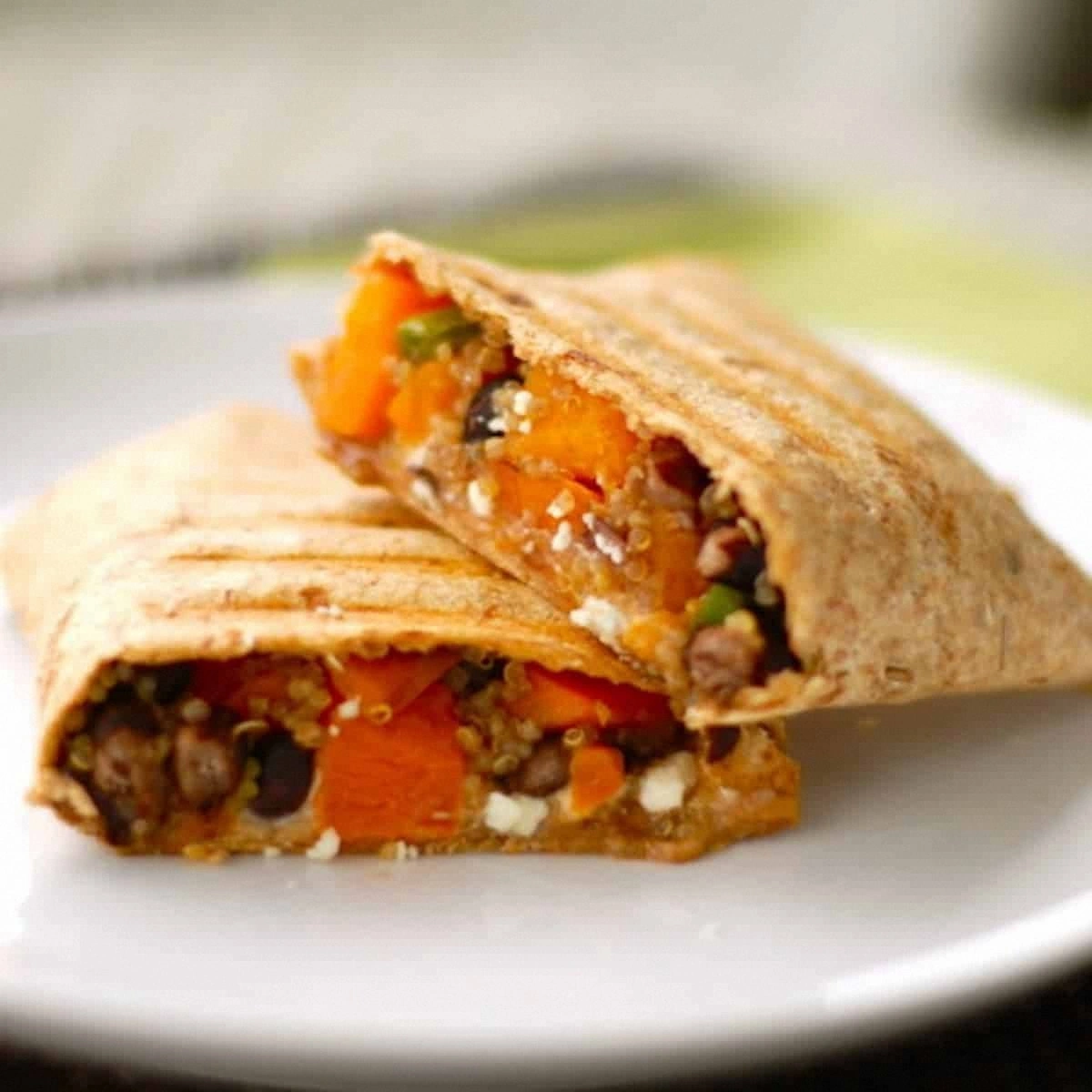
- Assemble the wraps: place a generous scoop of the squash‑bean mixture in the center of each tortilla, sprinkle with shredded cheese (if using), and add a final drizzle of lime juice. Fold the sides in and roll tightly. The final product should feel sturdy yet flexible, with the filling peeking out at the ends like a secret treasure.
- Serve immediately, or if you’re prepping ahead, wrap each in foil and store in the fridge for up to 3 days. Reheat in a hot skillet for 2‑3 minutes per side to revive the crispness. Kitchen Hack: Before reheating, sprinkle a few drops of water on the wrap and cover with a damp paper towel; this creates steam that restores the tortilla’s softness without losing the crisp edges.
That's it — you did it. But hold on, I've got a few more tricks that'll take this to another level...
Insider Tricks for Flawless Results
The Temperature Rule Nobody Follows
Most home cooks underestimate the power of a hot pan. For the squash, a searing temperature (around 425°F) creates those coveted caramelized edges. If you’re using a convection oven, lower the temperature by 25°F but extend the time by 5 minutes. I once tried a lower temp to “save energy,” and the squash turned out soggy—lesson learned. Keep that heat high and trust the caramelization process.
Why Your Nose Knows Best
Don’t rely solely on timers; your nose is the ultimate indicator. When the onion turns translucent and the garlic releases its perfume, you’re ready to add the spices. Similarly, the moment the squash edges turn deep amber, you know they’re done, even if the timer says otherwise. Trust those olfactory cues—they’ll save you from under‑ or over‑cooking.
The 5‑Minute Rest That Changes Everything
After you toss the squash and beans together, let the mixture sit off the heat for five minutes. This brief rest allows the flavors to marry and the heat to distribute evenly, preventing a hot spot that could wilt the cilantro too quickly. I used to skip this step and ended up with a flat‑tasting wrap; now it’s non‑negotiable.
Wrap It Right, Wrap It Tight
When folding the tortilla, start by tucking the sides in before rolling. This technique prevents the filling from spilling out and gives the wrap a professional look. If you’re serving them on a platter, slice the wraps diagonally—this not only looks elegant but also exposes the colorful interior, making them even more appetizing.
Seasoning Layers for Depth
Season at every stage: the squash before roasting, the beans while sautéing, and a final pinch of salt after assembling. Each layer builds complexity, much like a symphony adds instruments one by one. Skipping any layer results in a one‑note dish that feels unfinished.
Creative Twists and Variations
This recipe is a playground. Here are some of my favorite ways to switch things up:
Spicy Chipotle Kick
Add 1 teaspoon of chipotle in adobo sauce to the bean mixture for a smoky heat that pairs beautifully with the sweet squash. Top with sliced avocado for a cooling contrast.
Mediterranean Flair
Swap cilantro for fresh parsley, use feta cheese exclusively, and drizzle a spoonful of tahini sauce over the filling before rolling. The nutty tahini adds richness without overpowering the veggies.
Sweet‑Heat Maple‑Sriracha
Mix equal parts maple syrup and sriracha, toss the roasted squash in this glaze before combining with the beans. The result is a sweet‑heat glaze that makes the wrap irresistibly addictive.
Vegan Power‑Protein
Replace black beans with cooked lentils and add a handful of toasted pumpkin seeds for crunch. Use a vegan cheese shreds for melty goodness, keeping the dish entirely plant‑based.
Breakfast Remix
Swap the tortilla for a whole‑grain English muffin, add a fried egg on top, and finish with a drizzle of hot sauce. It’s a brunch‑worthy twist that turns the wrap into a hearty breakfast sandwich.
Asian‑Inspired
Use a soy‑ginger glaze (soy sauce, grated ginger, a splash of rice vinegar) on the squash, and sprinkle toasted sesame seeds and sliced scallions over the filling. Serve in a lettuce cup for a low‑carb option.
Storing and Bringing It Back to Life
Fridge Storage
Place the leftover filling in an airtight container and store for up to 4 days. Keep the tortillas wrapped in a damp paper towel inside a zip‑top bag to retain flexibility. When you’re ready to eat, reheat the filling in a skillet for 2‑3 minutes, then assemble fresh wraps.
Freezer Friendly
The roasted squash and bean mixture freeze beautifully. Portion into freezer‑safe bags, label with the date, and store for up to 3 months. Thaw overnight in the fridge, add a splash of water, and reheat gently on the stovetop before assembling.
Best Reheating Method
To revive the crisp tortilla, heat a non‑stick pan over medium‑high heat, add a drizzle of oil, and toast each side of the assembled wrap for 1‑2 minutes. If the wrap feels a bit dry, sprinkle a few drops of water onto the pan and cover for 30 seconds; the steam will bring back that soft interior while preserving the crunch.